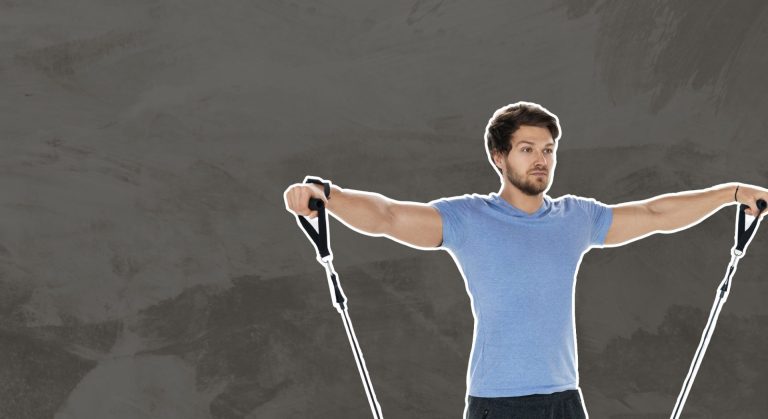
Home Blog Page 7

How To Cable Lateral Raise + (VIDEO)

0

Are you looking for a fantastic shoulder exercise to incorporate into your workout regimen? You have come to the right place.

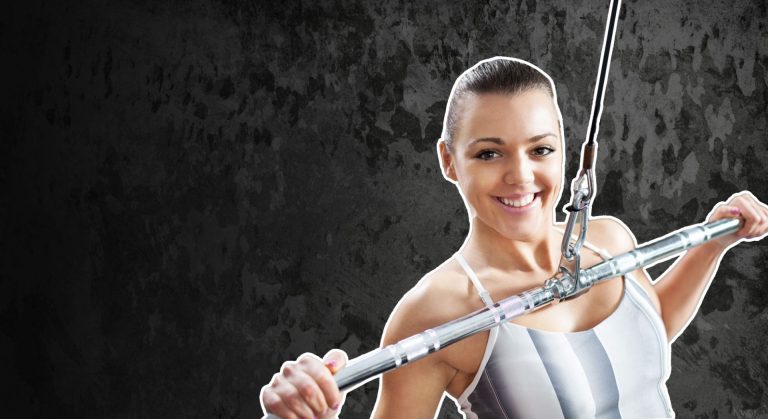
Cable lateral raise is an excellent shoulder exercise focusing on the traps and strengthening the shoulder muscles. This exercise utilizes a cable pulley machine that produces constant tension on the targeted muscles. The primary targeted muscle of the lateral cable raise is the medial deltoid. This exercise helps produce strong shoulders and improves overall upper body stability. One arm cable lateral raise is one of the most effective variations of the original lateral raise.

This exercise is ideal for transforming round shoulders into a well-shredded and broad V-shaped look. Furthermore, the combination of frontal raise with lateral cable raise stimulates both the anterior and middle deltoid muscles.

This article discusses everything you should know about lateral cable raises— its benefits, muscles worked, alternatives, variations, and guidelines for performing this efficacious shoulder movement.

Let’s get started without any delay.

What muscles are worked on during lateral cable raise? 

Here is a list of muscle groups that this exercise activates. By strengthening the following three deltoid heads, you can lift heavy loads and excel in weightlifting.

How to perform a lateral cable raise with perfect form? 

Follow the given instructions to perform lateral cable raises:

  1. Select a weight you can lift. Don’t overdo it because you will only use a single arm to lift it.
  2. Bend your knees while placing your feet shoulder-width apart.
  3. Grip the stirrup with your outside arm while fully extending your arms, keeping your back upright and your feet facing forward.
  4. For extra support, place your free hand on the machine.
  5. Slightly bend your elbow and raise the arm to reach shoulder level. Make sure to exhale when lifting.
  6. Do not rotate your elbow when lifting the stirrup; concentrate on the middle part of your shoulder.
  7. Stay in this position for 1-5 seconds, then slowly lower the weight. Also, inhale while letting the cable return to its original position.
  8. Do 10-15 reps of lateral cable raise for each set.

Lateral cable raises Variations:

Here are-sided lateral raise alternatives and variations to spice up your workout regimen and incorporate various movements for maximum output.

Two-arm cable lateral raise 

If you find the traditional one-arm cable lateral raises too easy, step up by doing the two-arm cable lateral raise.

For this variation, you must stand between a cable crossover station and lift two pulleys simultaneously with each hand.

Follow the guidelines above to perform two-arm cable lateral raises without any injury.
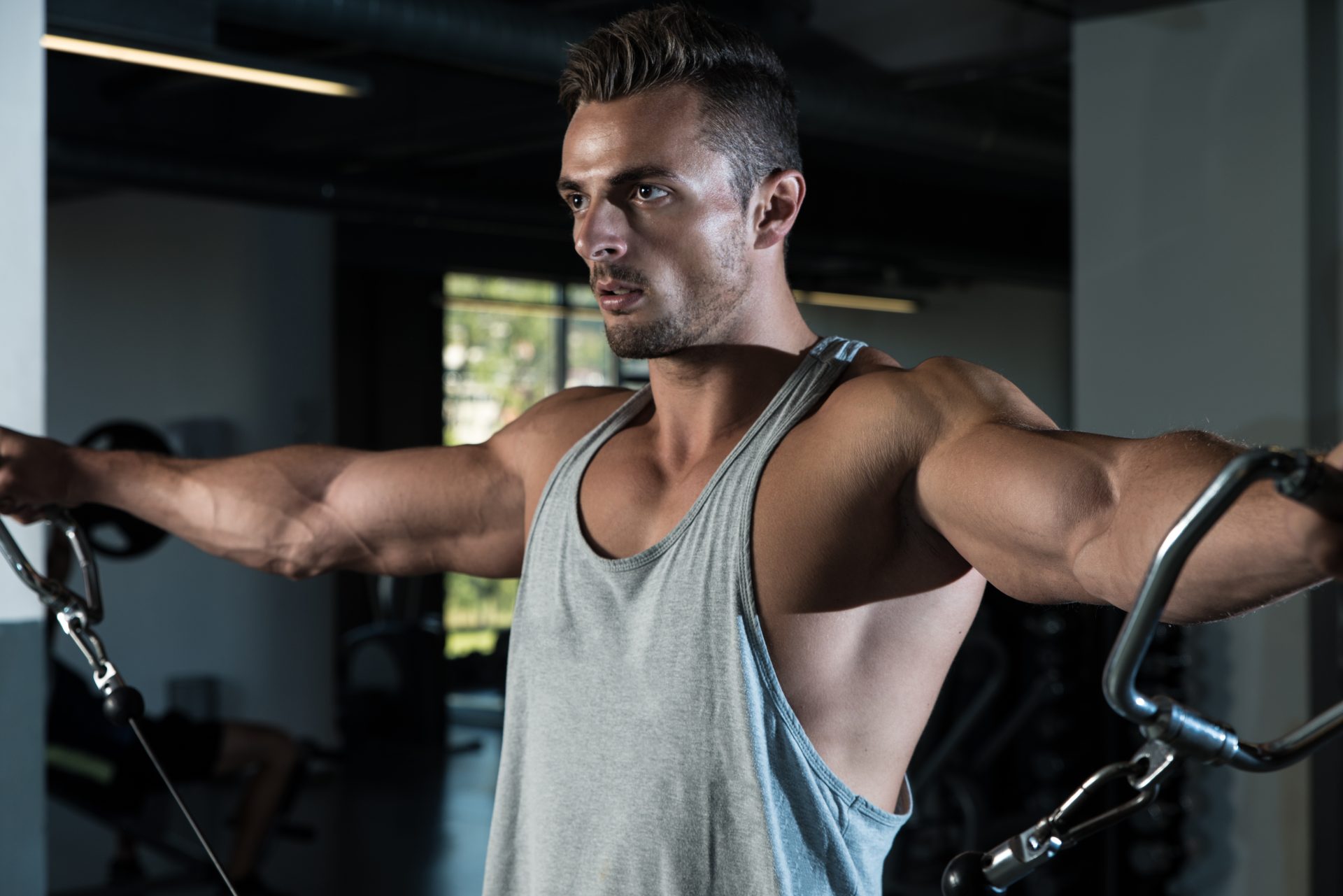
shoulders workout

Dumbbell lateral raise 

For this variation, all you need is two dumbbells. There’s no requirement for a cable pulley machine.

To do this exercise, follow the given steps:

  1. Hold one dumbbell in each hand.
  2. Tighten your core and straighten your back by pulling your shoulders backward.
  3. Lift both your arms together until they are parallel to the ground. Pause for 1-5 seconds and slowly relax your arms into the starting position.
  4. Repeat the exercise for better results.

Elevator lateral raise 

Once again, all this exercise demands is a pair of dumbbells.

However, the elevator lateral raise helps boost your resistance endurance and produces muscles faster than any other shoulder exercise.

Here’s a step-by-step guide for performing an elevator lateral raise:

  1. While standing up, set your feet shoulder-width apart. Hold one dumbbell in each hand and keep your back upright.
  2. Lift your arms to your shoulders. Do not bend the elbow.
  3. While bringing them down halfway, lift them to the top again.
  4. Slowly lower your arms fully and start again at the initial position.

Dead-stop lateral raise 

This variation of the single-arm cable lateral raise eliminates and maximizes the tension produced in your muscles.

It is more effective when you include dumbbells instead of the cable pulley machine.

Here are the guidelines to follow when doing the dead-stop lateral raises.

  1. While sitting on a bench, hold q dumbbell in each hand.
  2. Extend out the dumbbells as the rest on the bench.
  3. Next, raise them until your arms are parallel to the ground.
  4. Take small pauses when lowering the dumbbell back to its original position.
  5. Repeat this exercise, and relax your grip after every rep.

Lateral cable raises benefits:

There is a never-ending list of cable raises variations. This wide variety has sparked a debate among gym-goers.

At the same time, some prefer dumbbell lateral raise, while others are true devotees to lateral cable raise.

Although both exercises are equally beneficial, the lateral cable raise focuses more on the medial deltoid, which enhances shoulder size and stability and tones the body.

Here is a list of the advantages of lateral cable raises:

Good posture 

Cable lateral raise corrects the posture and strengthens all the muscles connected with the spine, including the back.

So if you spend all the time hunching over the desk or sitting with a lousy posture, then lateral cable raise is ideal for you.

Muscular shoulders 

While many people at the gym may think frontal raises are the key to ripped and muscular shoulders, it’s not the case.

Cable lateral raise is a preferable option for bigger shoulders as it activates the medial deltoid.

This exercise also emphasizes the lateral deltoid muscle fibers that result in an athletic physique.

Correct muscular imbalances 

Lack of activity and poor lifestyle habits diminishes muscle coordination, making you prone to injuries.

It is where lateral cable rise jumps in. This exercise fixes the upper body imbalances and introduces symmetry, stability, and mobility in the shoulder joint.
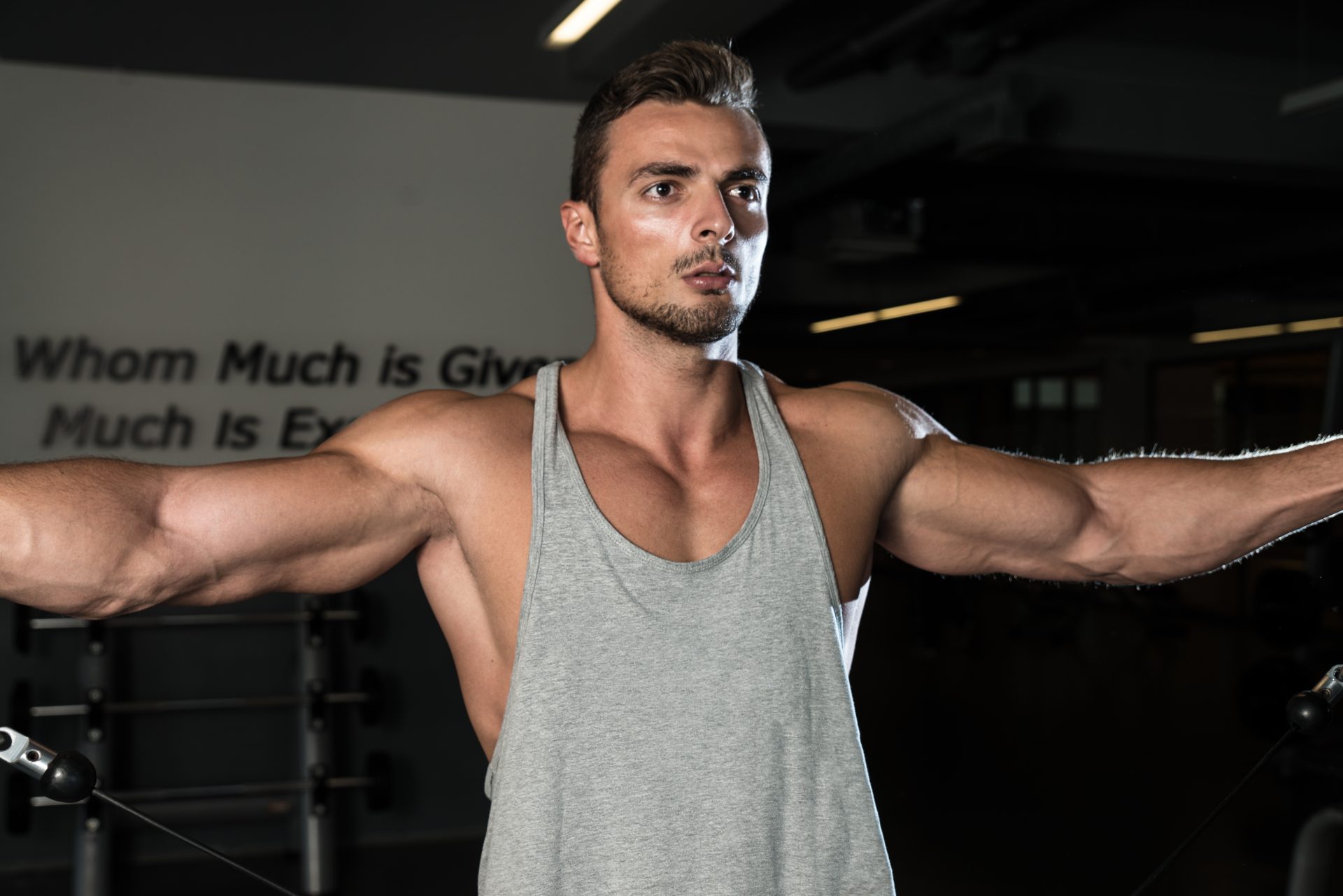
cable lateral raise

The bottom line 

From the above discussion, we can summarize that lateral cable raise is an excellent shoulder-building exercise, which gives a balanced and athlete-looking shoulder shape.

Therefore, if you desire broader shoulders, add the lateral cable raise and its equally-effective variations to your daily workout regimen.

However, seek consultation from a professional trainer before starting any new workouts, especially if you suffer from underlying health complications or injuries.

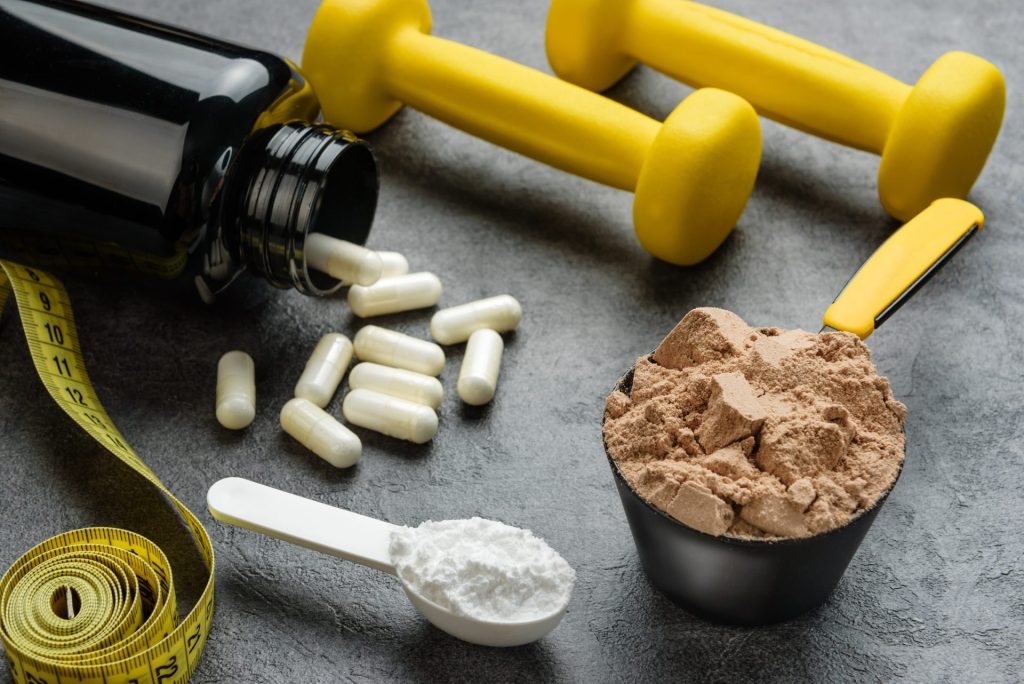
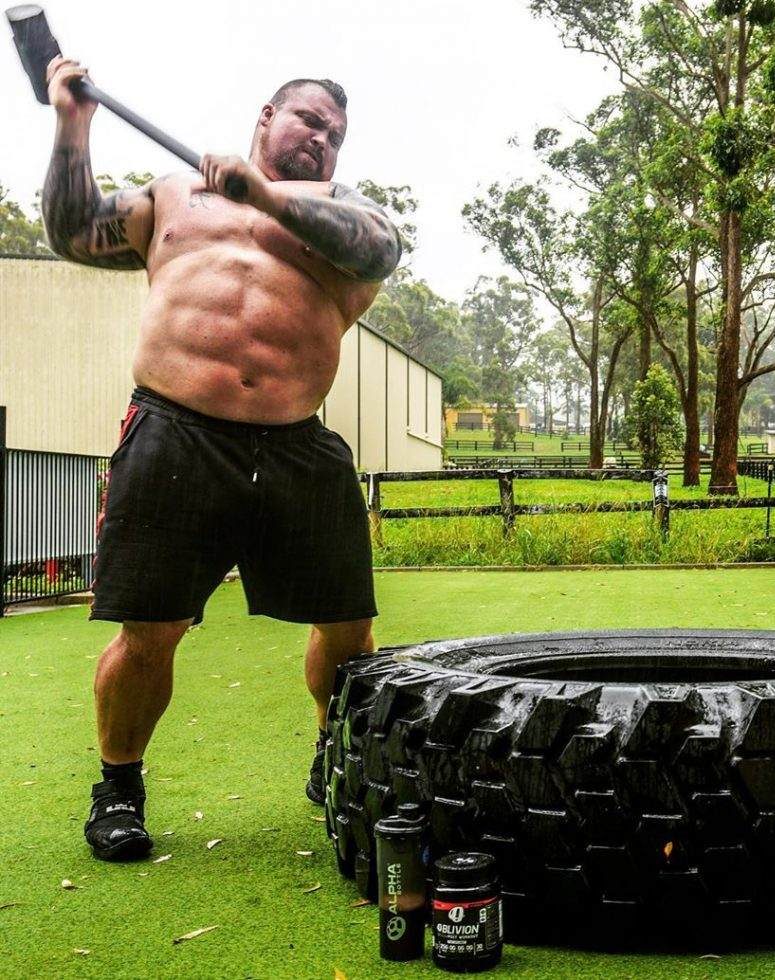
Eddie Hall Workout Routine + (Diet)

0

Do you ever feel jealous of people with impressive physiques? Have you been searching for a good workout routine to help get your body in shape? If so, you may want to look at Eddie Hall’s approach. 

Eddie Hall is an English professional competitive strongman known for his strength and fitness. In 2017, he became the first man to deadlift 500 kg. He also broke the world record for Log Lift in 2010 and won a World’s Strongest Man competition in 2017. Eddie Hall trains hard and takes his nutrition seriously, which has helped him achieve exceptional feats of strength and build a very impressive physique. 

In this article, we will discuss Eddie Hall’s workout routine and diet plan to give you an insight into how he stays so strong and fit. We’ll break down the key components of his diet and exercise regime and discuss what kind of supplements he takes. You can then use this information to create your personal training program or tweak it slightly to fit your goals or lifestyle better.

Eddie Hall Diet: How To Eat Like A World Record-Breaking Powerlifter 

To maintain physical performance and amp up his strength training regimen, Eddie follows a strict diet that consists of various whole foods and nutrient-rich meals.

According to him, 

“Because of my size and training program’s intensity, I have to eat a lot. I consume about 7000 calories daily, containing various proteins, carbs, and vegetables. Eating so much is time-consuming, but it also takes a lot of planning, consistency, and effort.”

He follows a strict diet plan consisting mostly of high-protein foods. He also eats many fruits and vegetables for their nutritional value and fiber content. Eddie also drinks protein shakes throughout the day to get enough calories for his intense workouts. 

  • Lean proteins: chicken, turkey, fish, and beef
  • Complex carbohydrates: brown rice, quinoa, and sweet potatoes
  • Vegetables: broccoli, spinach, kale, and carrots
  • Fruits: apples, berries, and bananas
  • Nuts and seeds: almonds, cashews, and chia seeds
  • Supplements: protein powder, creatine, and omega-3 fish oil

Eddie Hall Meal Plan

Meal 1: Pre-breakfast

  • Some fruit, preferably apple

Meal 2: Breakfast

  • Scrambled eggs (5 eggs)
  • 1 Glass of Orange Juice
  • 3-4 sausages
  • Baked beans
  • Plum tomatoes

Meal 3: Lunch

  • 2 Large Pieces of Chicken
  • Rice
  • A bowl pasta
  • Mixed Vegetables
  • ½ Glass of Orange Juice

Meal 4: Evening Meal (1)

  • Chocolate Granola or a punnet of Strawberries with Manuka Honey
  • 3-4 scoops of protein powder

Meal 5: Evening Meal (2)

  • Homemade Chicken Curry
  • Rice and Vegetables (Carrots, Peas, and Sweetcorn)

Meal 6: Dinner

  • Air-fried chicken
  • Two baked potatoes
  • Asparagus
  • Half cheesecake
  • Coleslaw
  • Peppers Cooked in Butter and ½ Bottle of Mayonnaise

Meal 7:

  • Yogurt
  • Nuts
  • Honey
  • Fruit

Eddie Hall Workout Routine + (Diet)

Supplements That Eddie Took

Protein

Protein is one of the most important nutrients for Eddie to take, as it is essential for muscle recovery and growth. As an athlete, Eddie needs to ensure he is getting enough protein to keep his muscles healthy and strong. Eddie takes a high-quality protein supplement daily to keep up with this demand.

Multivitamins

Eddie also takes daily multivitamins to ensure that he provides his body with all the necessary micronutrients to be healthy and perform at its best. The vitamins provide him with essential antioxidants such as Vitamin C, E, A, and Zinc which are responsible for protecting cells from damage caused by oxidative stress and free radicals.

Creatine

Creatine has been scientifically proven to increase performance in high-intensity activities, making it critical for athletes like Eddie, who need shorter bursts of energy during exercise or competition.

Additionally, creatine increases an athlete’s capacity for strength training and muscle power output, leading to greater gains in strength and size when coupled with proper nutrition and training.

Beta-Alanine

Beta-alanine is an amino acid that helps improve athletic performance by increasing physical endurance while delaying fatigue during strenuous exercise or competition.

Studies have found that beta-alanine can improve endurance by allowing you to exercise longer before fatigue. It makes it useful for athletes trying to build their stamina over long competitions or marathons, which require continual intensity over extended periods like Eddie’s.

Branched Chain Amino Acids (BCAAs)

Branched-chain amino acids are essential supplements for any serious athlete as they help support lean muscle mass development while helping reduce fatigue and soreness after workouts/competitions to aid faster recovery times allowing Eddie to train more frequently at a higher intensity over prolonged periods, leading to better results overall should he decide to compete professionally down the line.

ZMA 

ZMA is a popular supplement used by bodybuilders and athletes alike for improving testosterone production and helping muscle recovery. It combines zinc monomethionine, magnesium aspartate, and vitamin B6 into one pill, making it easy to get the optimal dose of each nutrient. It’s been shown to increase free testosterone levels, reduce cortisol levels, and help protect against muscle breakdown during intense workouts.

Glutamine And Taurine 

Glutamine and taurine are both amino acids that are essential for building muscle mass while keeping fatigue levels low during exercise.

Glutamine can help improve overall performance during high-intensity training, while taurine may also help reduce stress during physical activity.

Both nutrients have been linked with promoting energy levels, making them perfect for any athlete looking for a boost before or after their workouts.

Maltodextrin 

Maltodextrin is a carbohydrate derived from natural sources like cornstarch or potatoes that can provide instant energy when ingested during strenuous workouts like those performed by Eddie Hall’s strongman competitions.

It causes rapid digestion in the gut via passage through the small intestine without much absorption of minerals or vitamins, allowing for rapid replenishment of energy stores throughout long bouts of exercise or physical activity.

This also aids in thermoregulation, as maltodextrin can help reduce body heat since it requires additional water absorption to be digested properly, leading to heat loss through sweat production.

Eddie Hall Workout Plan

“Strength is the main thing when it comes to being a strongman, but you’ll go nowhere without honing the right technique.”

Monday: Chest Day

Eddi Hall’s Monday workout is all about building chest strength and power. This session starts with compound exercises like bench presses and incline presses to build overall muscle mass in the chest.

  • Bench press 5 x 5
  • Incline bench press 4 x 8
  • Dumbbell bench press 4 x 8
  • Dumbbell flyes 3 x 10
  • Cable crossovers 4 x 8
  • Chest press 4 x 8
  • Chest dips 3 x 15

Tuesday: Leg Day And Abs

Tuesdays are all about leg day and core conditioning. Eddi Hall’s leg workout is focused on explosive moves through plyometric exercises like:

  • Squats 5 x 5
  • Deadlifts 3 x 10
  • Leg press 3 x 10
  • Leg extension 5 x 10
  • Leg curls 3 x 10
  • Dumbbell rows 3 x 10
  • Sit-Ups 3 x 15

Wednesday: Cardio, Stretching

Wednesdays are always lightly rest days with cardio/stretching components to improve the range of motion throughout Eddi’s muscles without risking any extra strain or injury from more intense workouts throughout the week!

  • Front To Back Military Press 3 x 8
  • Arnold Press 3 x 8
  • Front Raises 3 x 10
  • Lateral Raises 3 x 10
  • Shrugs 3 x 15
  • Delt Flyes 4 x 8

Thursday: Back With Arms

Thursdays are back day, which begins with:

  • Lat pulldowns 4 x 10
  • Bicep and barbell curls 3 x 10
  • Preacher curls 3 x 10
  • Hammer curls 3 x 8
  • Tricep pushdown 3 x 12
  • Tricep dips and extensions 3 x 15
  • Dumbbell kickbacks 3 x 10

Friday: Shoulder And Traps Day

Fridays consist of shoulder and trap work heads into yet another day dedicated towards growing wide capsular deltoids shoulders while simultaneously increasing any neglected traps mass effortlessly within a few weeks, starting with:

  • Sitting Calf Raises 4 x 10
  • Leg Extension 3 x 10
  • Standing Calf Raises 4 x 10
  • Squats 5 x 5
  • Leg Press 3 x 8
  • Donkey Calf Raises 3 x 10

Saturday And Sunday: Rest Days

Saturdays are reserved entirely for rest, giving hardworking eddies adequate times for healing after rigorous days involved within intense gym circuitries.

Eddie Hall Workout Routine + (Diet)

Wrapping Up

Whether you want to break a world record like Eddie Hall or stay fit and healthy, it is important to remember that nutrition and exercise play an important role in achieving your goals. You can reach your fitness goals with dedication and commitment, just like Eddie did! So what are you waiting for? Get out there and start eating right and exercising regularly today! You never know where it will take you!

Tenoch Huerta Workout Routine

0

Tenoch Huerta, a Mexican actor, writer, and producer, played various characters in numerous films in America and Spain. His role in Narcos, a famous Netflix series, where his role captivates a big audience. After being featured in several movies in Mexico, he touched sky-high fame as he joined the Marvel Cinematic Universe in Black Panther 2.

Tenoch Huerta has always been in great shape. As an actor presenting such a notable figure in Marvel, the major challenge for him was to shape his body in different aspects, including portraying the character through his performance and the physical presence of his character. However, for his role in Black Panther, Wakanda Forever, he trained harder to get perfectly toned.

It is most likely that Tenoch is working on even more challenges to get in the perfect shape for his newest role. He has combed through the internet to get together all his workout plans so you can get the body just like in a short period.

Let’s dive into it.

Current Body Stats of Tenoch Huerta

Before we start discussing the workout and diet plan of Tenoch Huerta that helped him get a smasher body, we need to know how fit he already was.

  • Tenoch Huerta Height: 5’11”
  • Weight: 178 pounds
  • Age: 41 years
  • Chest: 46″ or 116.8 cm
  • Waist: 37″ or 93.9 cm
  • Hip: 21″ or 53.3 cm

With a balanced workout regime and diet plan, he got that perfect body shape requirement for his role in famous hit movies. Tenoch Huerta has impressed many fans who desire a shaped body like him.

Tenoch Huerta Workout Principle:

As a super-hit star in the film industry, Tenoch Huerta aims to be consistent with his workout routine, whether being in Mexico or traveling to any country of the world. Sticking to the workout regime is a challenging task.

Even though Tenoch Huerta managed to get along with it at any time of his day, making it an everyday habit. He has yet to make the workout thing an occasional act. Instead, a task to day each day is a pattern of life.

Tenoch Huerta Workout Routine:

There is a variation in the workout routine of Tenoch Huerta as per the role he is playing.

His trainer designed the workout plan according to the role he has to play next, per the character’s requirement. For example, in Tenoch Huerta Black Panther, he has to achieve the ultimate swimmer body. For this, his workout plan was scheduled to do so.

Otherwise, his workout routine is spread over 5-6 times a week with one day off. His full-body workout focuses on every part, including the core, back, chest, legs, and shoulders. Travelling makes his exercise a little complicated. However, he always gets cardio and some strength training on point, regardless of where he travels worldwide.

Here is a complete insight into the Tenoch Huerta workout.

Monday- Cardio Day: 

Tenoch starts his workout routine with the 5-mile outdoor run in Mexico or traveling worldwide for shoots.

This cardio day keeps him active throughout the week, improving his stamina for tough shoot days. Moreover, cardio is a plus point for him to maintain his body weight.

Tuesday- Core Exercise: 

Tenoch’s killer abs might be the aspect of attraction for his die-heart fans. He works very hard several days a week to keep them in shape. Here is the core workout to do mostly:

  • Ab wheel rollout (3 sets, 20 reps)
  • Medicine ball Russian twist (3 sets, 20 reps)
  • Cable woodchop (3 sets, 20 reps)
  • Mountain climber (3 sets, 20 reps)
  • Hanging leg raise (3 sets, 20 reps)
  • Flutter kick (3 sets, 20 reps)
  • Plank jack (3 sets, 20 reps)
  • Reverse crunch (3 sets, 20 reps)
  • Deadbug (3 sets, 20 reps)
  • Side plank (3 sets, 20 reps)
  • V-ups (3 sets, 20 reps)
  • Straight-led sit-ups (3 sets, 20 reps)

Wednesday- Leg Day: 

Wednesday is a leg day in the workout regime of Tenoch Huerta.

He performs heavy exercises to tame his hamstrings and glutes.

  • Barbell squats (5 sets, 8 reps)
  • Deadlift (5 sets, 8 reps)
  • Leg extension (5 sets, 10 reps)
  • Leg curl (5 sets, 10 reps)
  • Dumbbell lunge (5 sets, 10 reps)
  • Goblet squat (5 sets, 10 reps)
  • Single leg press (5 sets, 10 reps)

Thursday- Back and Shoulder: 

His back and shoulder workout routine is a mix-up of exercises involving multiple muscle groups, maximizing his workout time.

Some of these exercises are as follows.

  • Barbell row (3 sets, 10 reps)
  • Plank (3 sets, hold for 1 minute)
  • Push up (3 sets, 10 reps)
  • Pull-ups (3 sets, reps till failure)
  • Kettlebell swings (3 sets, 25 reps)
  • Reverse fly (3 sets, 10 reps)

Friday- Run or Hike Day: 

Friday is a workout with enjoyment day for Tenoch.

As we love adventure and engaging with people from different cultures, he goes for a run or hike on Fridays.

Saturday- Chest Workout Day: 

On Saturdays, Tenoch works to shape his chest. Go for these exercises if you want to get your chest fully built in no time.

  • Incline dumbbells press (4 sets, 8 reps)
  • Dumbbell pullover (4 sets, 8 reps)
  • Chest fly (4 sets, 8 reps)
  • Chest dip (4 sets, 8 reps)
  • Cable crossover (4 sets, 8 reps)
  • Decline dumbbell press (4 sets, 8 reps)
  • Decline push-ups (4 sets, 8 reps)

Tenoch Huerta Namor's Workout:

Tenoch Huerta revealed how his fitness trainer assisted him in getting the ultimate body for the character of the swimmer for the role of Namor in Black Panther. His trainers put toward three simple rules that can help his fans if they want a body physique like Namor's character.

His trainers, Martin Gleizer and Jeronimo de la Peza uncovered how Tenoch lost 20 pounds and packed in size in some targeted areas to get the body convincing the character of water mutant has to play.

The first rule, Start with Z, consists of the z-shaped press with a single arm holding a lightweight dumbbell on the shoulder, tightening his abs, and pressing overhead.

The second role is to focus on strength instead of muscle. For this, compound exercises like dumbbell Romanian Deadlifts, barbell back squats, and dumbbell bench presses help to build the body's strength base. The last rule was to engage the actor's body weight for the workouts, doing a lot of classic pull-ups and archer push-ups.

Back Squat

3 sets of 8 reps

Romanian Deadlift

3 sets of 8 reps

Sled Push/Pull

3 sets of 8 reps

Incline Bench Press

3 sets of 8 reps

Dumbbell Z Press

3 sets of 8 reps

Pike Position Leg Extension

4 to 6 sets of 8 to 20 reps

Final Thoughts:

To wrap up, Tenoch Huerta has always set a routine to get his body in shape required for his character. Tenoch Huerta Narcos is another series for which he planned a diet and workout to train his body for the role and to look good on screen.

His workout regime is one of the reasons for millions of fans all over the globe.

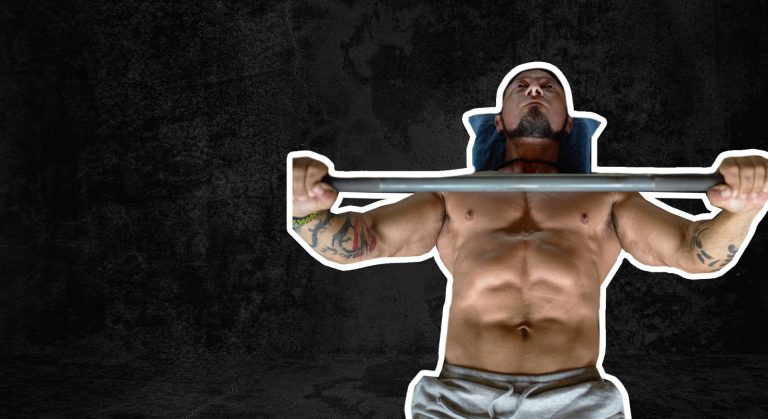
How to Bench Pressing: A Comprehensive Guide

0

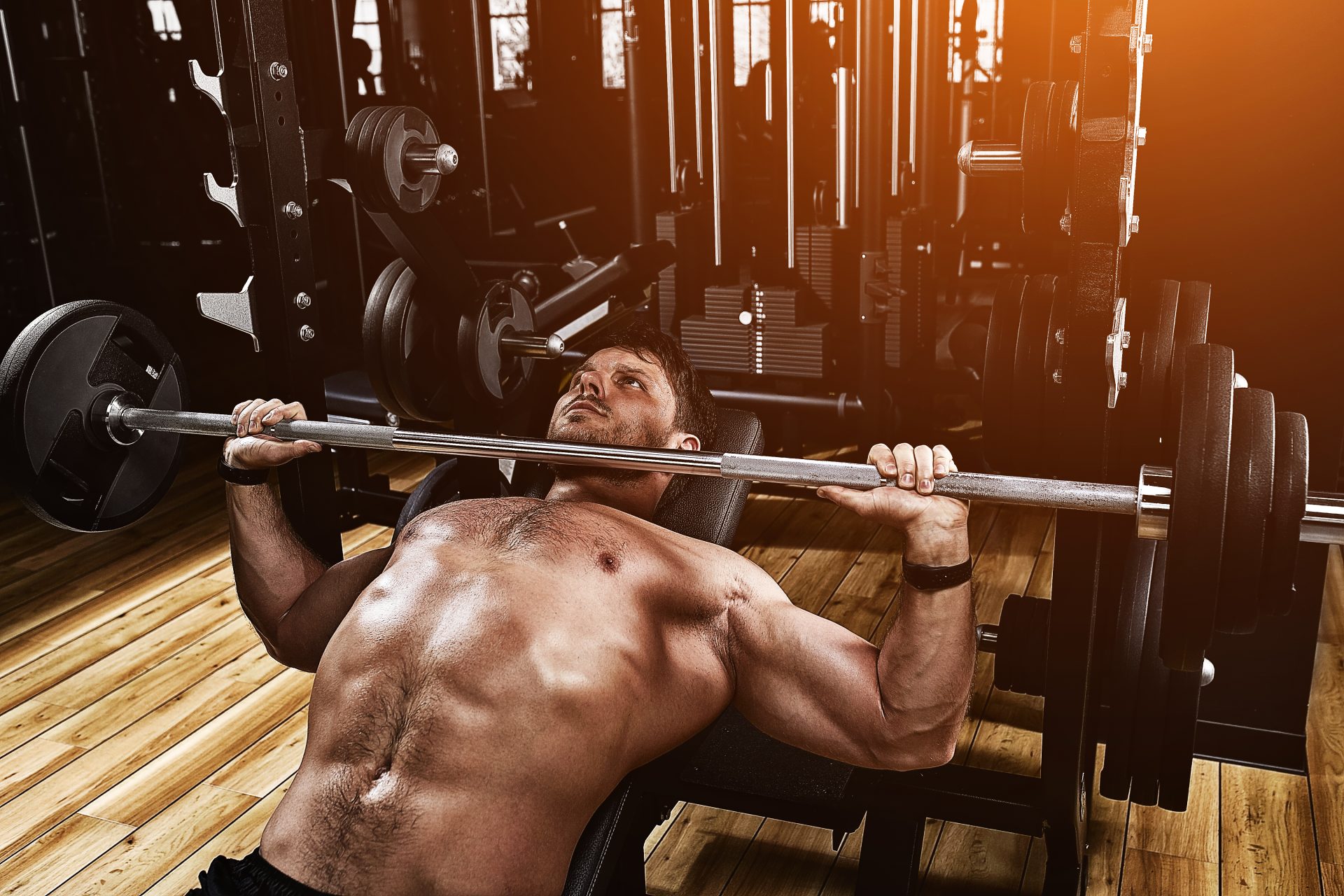
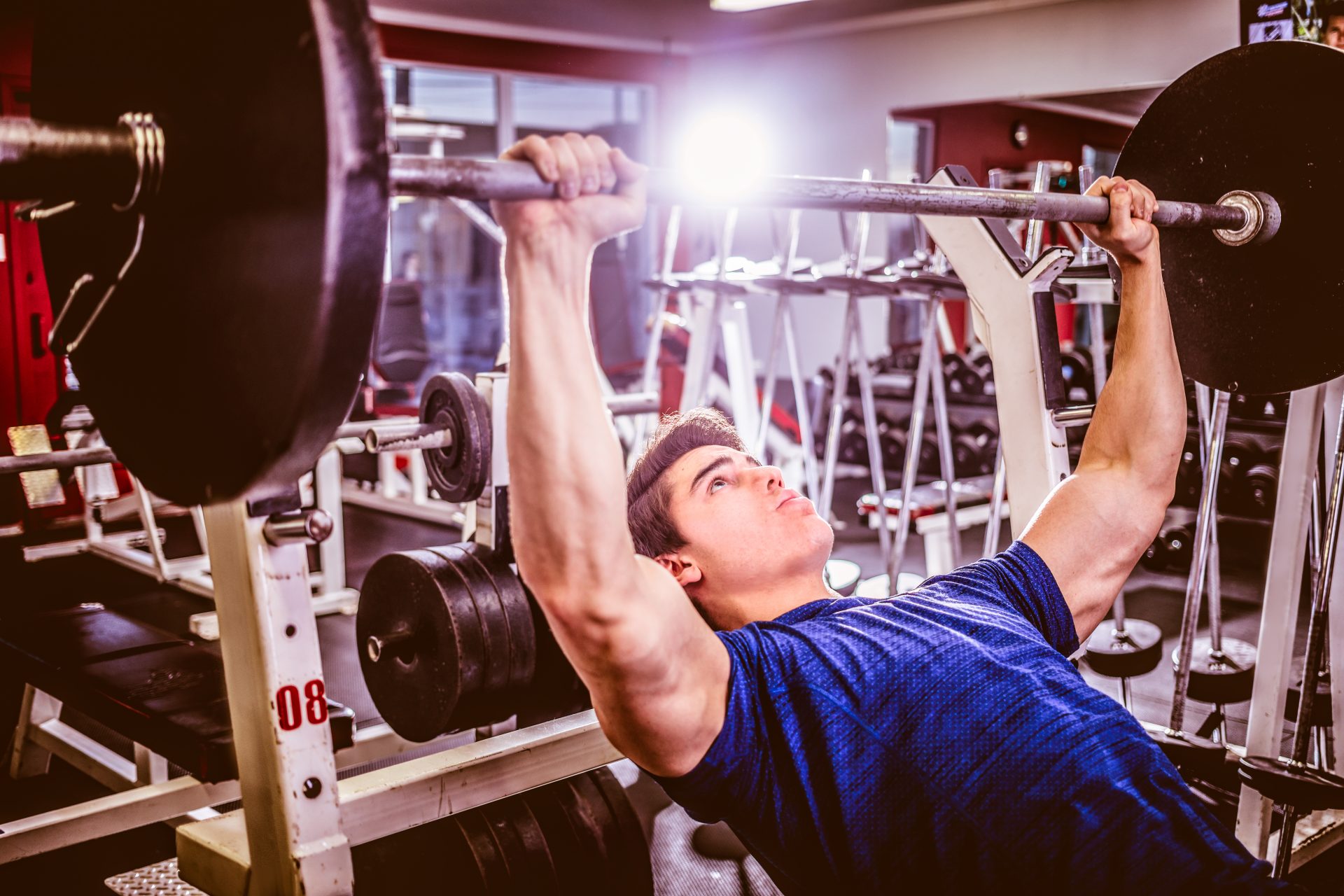
The bench press is an important strength exercise that can help you build muscle and increase your overall fitness level. It’s a compound exercise that involves pressing a barbell loaded with weights up from chest level to arm’s length above the body. Bench pressing works several muscle groups at once, including your chest, triceps, and shoulders. In this comprehensive guide, we’ll dive into everything you need to know about the barbell bench press, including proper form, benefits, variations, and more.

What is the Barbell Bench Press?

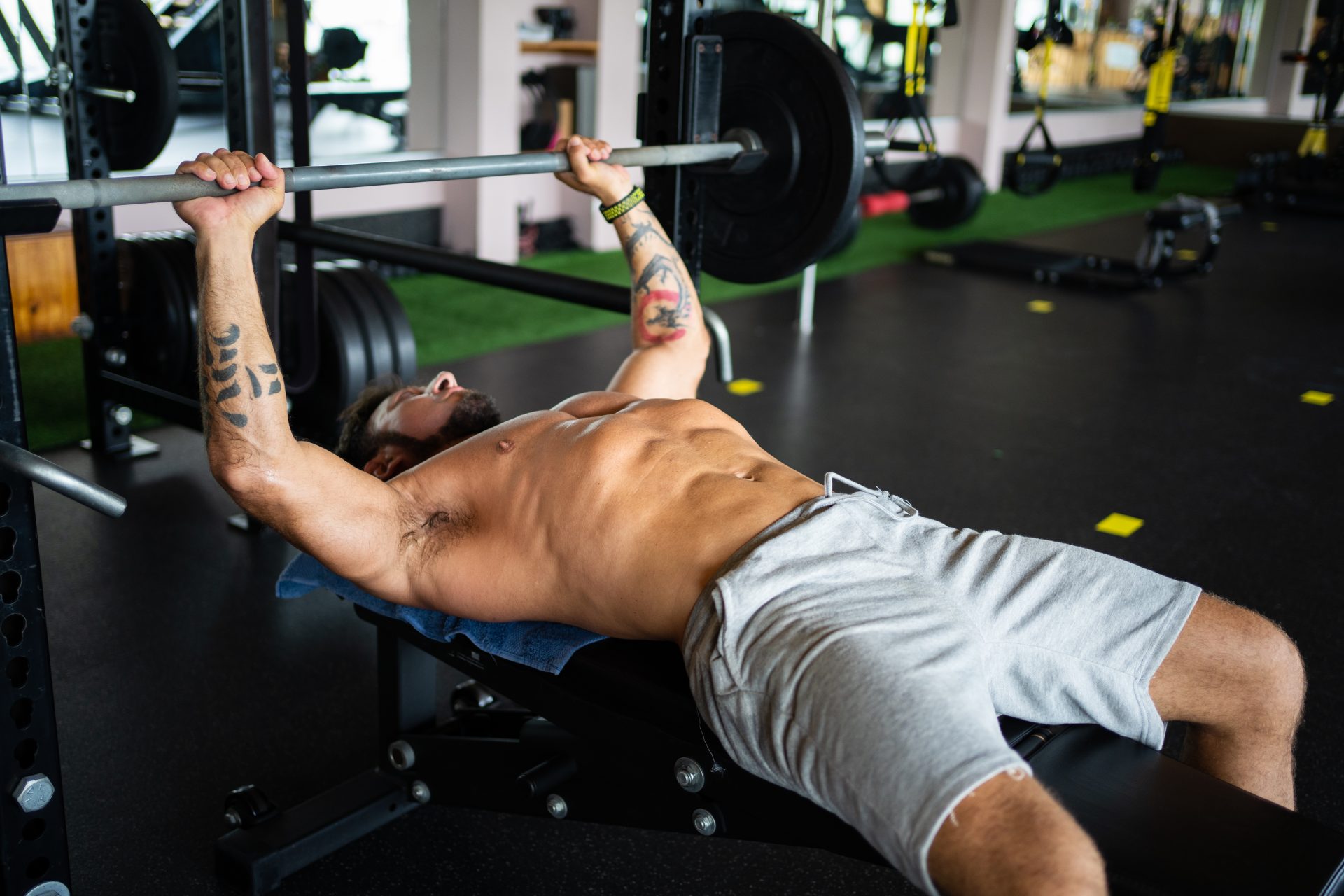
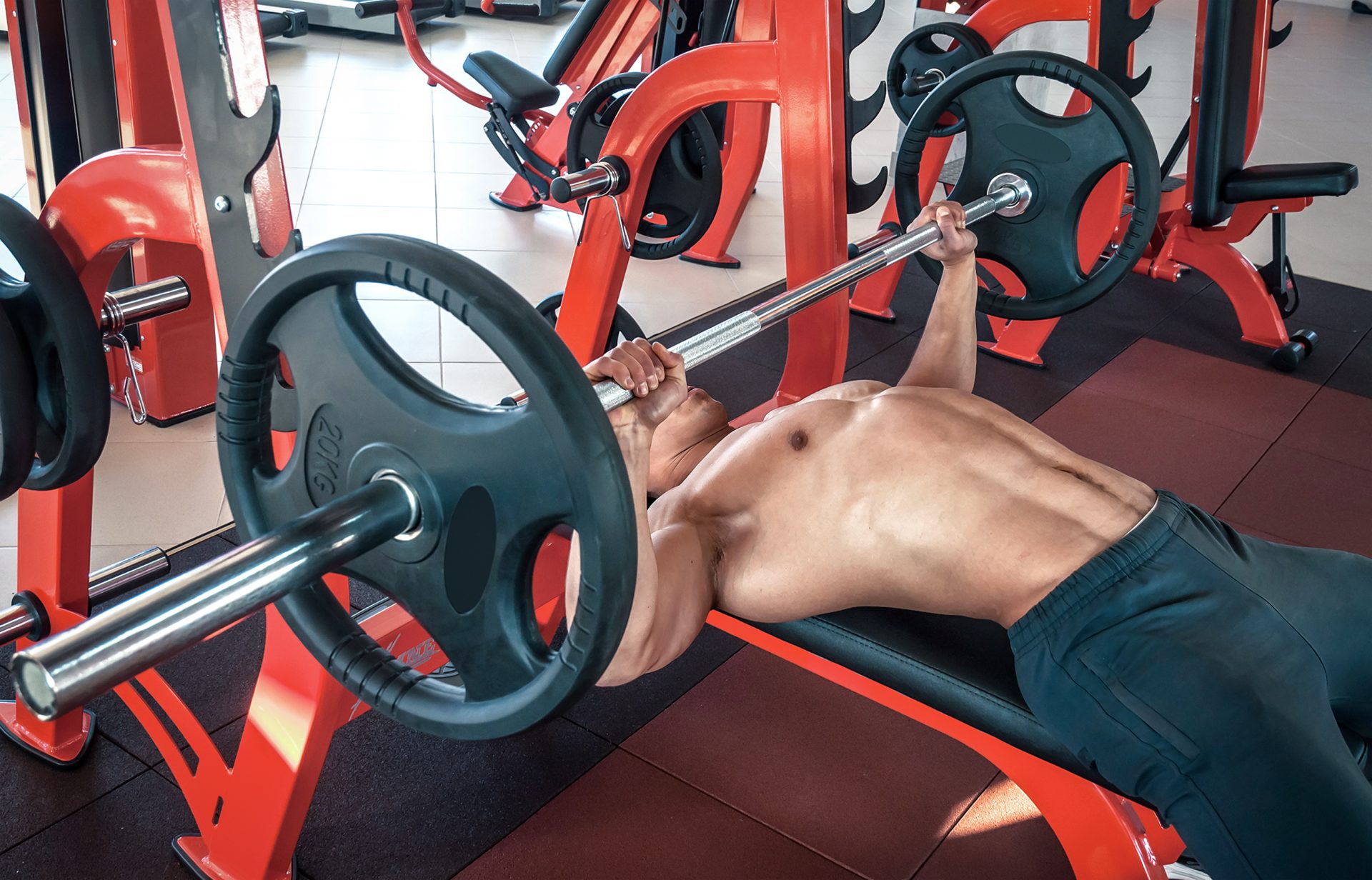
The barbell bench press is a weightlifting exercise that involves pressing a barbell loaded with weight plates upward from a lying position on a flat bench.

The movement is primarily focused on the chest muscles, but it also recruits the triceps and shoulders.

The barbell bench press can be performed with different hand positions, including a wide grip, medium grip, and close grip, each targeting slightly different muscle groups.

What Dumbbells to Practice Bench Press With?

Barbells come in various shapes, sizes, and weights which are determined by the weight plates. Standard barbells are usually 7 feet long and weigh around 45 lbs empty.

Olympic barbells are slightly longer at 7.2 feet long and weigh around 44 lbs without any plates attached.

Both standard and Olympic bars are designed to be used with specific sizes of weight plates.

Standard bars are designed to be used with 1-inch diameter weight plates while Olympic bars have 2-inch diameter openings for their weights.

It’s important to know which type of bar you need before you start shopping for weights or accessories like collars or clips.

bench press guide

How To Choose The Right Weight For Your Needs

When it comes to selecting a weight for benchmarking, it’s important to take into account several factors such as your current fitness level, experience with bench pressing, goals, etc.

If you’re just starting out with bench pressing or if you’re new to strength training in general then it could be beneficial to begin with a lighter weight until you become more comfortable with the movements involved in the exercise.bench pressing

As you become more experienced with lifting weights it might be necessary to gradually increase the amount of weight in order for continual progressions in strength building over time.

Additionally, it also helps if you have access to a spotter when attempting heavier lifts so that they can provide extra support when needed during each set of reps!

Check this video from Jeff Nippard:

How to Perform the Barbell Bench Press

To perform the barbell bench press, follow these steps:

  1. Lie flat on a bench with your feet firmly planted on the ground.
  2. Grasp the barbell with your hands slightly wider than shoulder-width apart, or use a grip that is most comfortable for you.
  3. Remove the barbell from the rack and hold it above your chest with arms extended.
  4. Lower the barbell towards your chest, keeping your elbows close to your sides.
  5. Pause briefly when the barbell touches your chest, then press upward with your chest and triceps until your arms are fully extended.
  6. Repeat for the desired number of repetitions.

It’s important to maintain proper form throughout the exercise to avoid injury and get the most out of the barbell bench press.

Keep your back flat on the bench, and don’t allow your hips to lift off the bench during the exercise. Also, keep your eyes focused straight ahead, and avoid arching your back.

Variations of the Barbell Bench Press

There are several variations of the barbell bench press that target different muscle groups (trusted source) and offer a different challenge. Some of the most popular variations include:

  • Incline bench press: This variation is performed on an incline bench, which places more emphasis on the upper chest.
  • Decline bench press: This variation is performed on a decline bench, which places more emphasis on the lower chest.
  • Close grip bench press: This variation involves using a close grip on the barbell, placing more emphasis on the triceps.
  • Dumbbell bench press: This variation involves using dumbbells instead of a barbell, offering a more isolated workout for the chest, triceps, and shoulders.

Safety Tips When Using a Barbell

It’s always important to practice proper form and technique when performing any kind of physical activity.

However this is especially true when engaging in exercises like bench presses where there is potential risk involved due to lifting heavy objects off your chest area repeatedly throughout each set of reps!

Before beginning each session make sure you set up correctly by lying flat on your back on the bench pad provided with feet placed firmly flat on floor beneath legs so body remains stable throughout movement.

Secondly make sure hands grip handle evenly while controlling descent phase (when lowering) & ascent phase (when pushing).

Additionally having someone act as spotter can help provide added support/safety should something go wrong during lift!

Lastly taking breaks between sets can help ensure proper rest & focus needed before reengaging in next round reps!

Bench Press is Great For Muscle Pump!

Muscle pump refers to the temporary increase in size and fullness of a muscle during or after exercise, caused by increased blood flow to the muscle. Check our article “What Is A Pump Workout – The Science Of Muscle Pumps

As for the bench press, it is a compound exercise that targets multiple muscle groups, including the chest muscles, triceps, and shoulders.

So, yes, bench press can be a good exercise for the pectoral muscles (also known as chest muscles).

However, it’s also important to include a variety of exercises to target the chest muscles from different angles and ensure overall development.

Ideal for Strength Training Routine

The barbell bench press is an important exercise in any strength training routine.

Not only is it an effective way to add strength and size to your chest, shoulders and triceps, but barbell weight also allows you to maximize your potential.

This simple yet effective compound movement allows you to use heavier weights than other exercises and target major muscle groups at once.

By changing the angle of the barbell, you can alter the muscles worked as well as keep your body guessing for maximum results.

Whether you are trying to increase muscle mass or improve body strength, the barbell bench press is a great place to start for even beginner lifters.

bench pressing

Stack Those 45 pounds Plates!

Bench press barbells have become a staple piece of weightlifting equipment in gyms around the world.

But how much does a standard bench press barbell weigh?

It turns out that the average barbell used for this classic strength training exercise weighs 45 pounds.

That’s 20 kilograms, which is heavier than most people think.

While it may not seem like much, these bars often come with additional plates or weights to increase resistance and challenge.

So, even though the bar itself appears light, when it is filled up, it can be surprisingly heavy!

Last Thoughts

Bench pressing is an incredibly effective way to build strength and muscle mass quickly and easily at home or at the gym.

bench pressing

However it is important that all safety measures & proper techniques are followed in order ensure best results without risking injury or damage!

This comprehensive guide has outlined everything from understanding different types of bars & weights available through selecting right one for individual needs through safety tips when using barbell – so now there’s no excuse not get moving!

So grab those dumbells & get ready lift some iron – happy lifting folks!

Best Exercise Bike Under 500: Budget-Friendly Picks Revealed

0

Are you on a quest to find the best exercise bike without breaking the bank? Look no further! In this comprehensive guide, we’ll unveil the top budget-friendly exercise bikes under $500 that offer exceptional value without compromising on quality and performance.

Whether you’re a seasoned fitness enthusiast or just starting your fitness journey, these exercise bikes will provide you with an effective cardiovascular workout right from the comfort of your home.

Best Exercise Bike Under 500

Why Choose an Exercise Bike?

Before diving into our top picks, let’s quickly highlight why exercise bikes are a fantastic choice for your fitness regimen. These stationary wonders offer a low-impact, joint-friendly, and highly effective way to enhance your cardiovascular health, burn calories, and tone your lower body muscles.

Moreover, they provide a convenient option for those seeking a home-based fitness solution, eliminating the need for pricey gym memberships and the hassle of commuting to a fitness center.

What Features To Look For In An Exercise Bike

with a wide range of exercise bikes available on the market, it can be overwhelming to decide which one is the best fit for your needs. To help narrow down your options, here are some key features to look for in an exercise bike:

Adjustable Resistance Levels: 

One of the most important features to consider in an exercise bike is adjustable resistance levels. This allows you to customize your workout intensity based on your fitness level and goals. Look for bikes that offer a variety of resistance settings, ranging from easy to challenging, so you can gradually increase the difficulty as you progress.

Comfortable Seat: 

A comfortable seat is crucial for an enjoyable workout experience on an exercise bike. Look for a seat that is well-padded, contoured, and adjustable in height and position. A seat that is too hard or uncomfortable can make your workouts cumbersome and discourage you from using the bike regularly.

Adjustable Handlebars: 

Just like the seat, adjustable handlebars are essential for proper ergonomics during your workout. Look for bikes that offer handlebars that can be adjusted vertically and horizontally. This will allow you to find the optimal position that suits your body size and helps maintain proper posture while exercising.

Built-in Workout Programs: 

Some exercise bikes come with built-in workout programs that offer a variety of training options. These programs can include interval training, hill climbs, or even customizable workouts. Having pre-programmed workouts can add variety to your routine and help keep you motivated.

Interactive Console: 

Look for an exercise bike that comes with an interactive console or display screen. This will allow you to track your workout progress, monitor your heart rate, and display important metrics such as distance, speed, and calories burned. Some advanced consoles even offer connectivity options to sync with fitness apps or to stream entertainment during your workouts.

Quiet Operation: 

Noise can be a major drawback with exercise bikes, especially if you plan to use them in a shared living space. Look for bikes that have a reputation for silent or quiet operation. This will ensure that you can exercise without disturbing others or being disturbed by the noise of the bike itself.

Sturdy Construction and Stability: 

It’s important to choose an exercise bike that is sturdy and stable to avoid any accidents or injuries during your workouts. Look for bikes made from durable materials and have a solid base with adjustable leveling feet. This will ensure that the bike remains stable and doesn’t wobble or tip over during intense workouts.

Warranty and Customer Support: 

Finally, consider the warranty and customer support provided by the manufacturer. A good exercise bike should come with a warranty that covers the frame, parts, and labor. Additionally, ensure that the company has a responsive customer support team that can assist you with any issues or questions you may have.

Now, let’s explore the best exercise bike under $500, categorized for your convenience.

Best Exercise Bike Under 500

Best Exercise Bike Under 500

Best Fitness Indoor Exercise Bike (BFUB1)

Price  $391

The Best Fitness Indoor Cycling Exercise Bike (BFUB1) is an affordable and versatile stationary workout bicycle designed for home gyms and small spaces. With over 30 years of experience, Best Fitness by Body Solid is an industry leader in fitness equipment, offering a wide range of products to meet the demands of the ever-changing fitness industry.

Measuring 41 x 20 x 55 inches (L x W x H) and weighing 72 pounds, this bike is easy to move from room to room. It is backed by the Best Fitness Five-Year In-Home Warranty, providing peace of mind and coverage for the frame for five years and all other parts for one year.

Product Features:

  • 8-level magnetic resistance system for a challenging cardio workout
  • Two-way adjustable seat for customizable comfort
  • Built-in LCD display panel for real-time workout information
  • Tracks speed, time, distance, calories burned, and heart rate
  • Versatile design suitable for all fitness levels
  • Compact and stable frame for small spaces
  • Easy to move from room to room
  • Backed by a five-year warranty on the frame and one year on all other parts.

Marcy Magnetic Recumbent Exercise Bike 

Price $289

The Marcy Magnetic Recumbent Exercise Bike is a high-quality stationary bike designed for durability and performance. It features a heavy-duty steel construction that ensures superior durability, making it a long-lasting investment for your fitness journey.

Product Features:

  • Heavy-duty steel construction for superior durability
  • Eight levels of magnetic resistance for a challenging workout
  • High-tech LCD monitor for tracking time, speed, distance, and calories burned
  • Adjustable seat length for personalized comfort
  • Ergonomic handles with padded vinyl foam for a comfortable grip
  • Ideal investment for long-term fitness goals.

Exerpeutic Recumbent Exercise Bike 

Price $249

The Exerpeutic 900XL Recumbent Exercise Bike with Pulse is designed to provide a challenging cardiovascular workout while minimizing stress on your joints and back. With a weight capacity of 300 lbs and adjustable seat height, this exercise bike is suitable for users of all sizes.

Assembly is required for this exercise bike, but all the necessary tools are provided. The dimensions of the bike are 54” L x 22” W x 34” H, and it weighs 74 lbs.

Whether you’re a beginner or an experienced fitness enthusiast, the Exerpeutic 900XL Recumbent Exercise Bike with Pulse is a reliable and comfortable choice for improving your cardiovascular health and achieving your fitness goals.

Product Features:

  • Weight capacity of 300 lbs.
  • Adjustable seat height for users of all sizes.
  • Large oversized seat cushion and backrest for maximum comfort.
  • Easy-to-read LCD display with distance, calories burned, time, speed, and heart rate information.
  • 8 levels of magnetic tension for customizable workout intensity.
  • Pulse sensor on handlebars for heart rate monitoring.
  • Assembly required, tools provided.
  • Minimizes stress on joints and back.
  • Suitable for users with heights ranging from 5’3” to 6’6”.

Best Exercise Bike Under 500

Sunny Health & Fitness Legacy Stepping Elliptical Machine

Price $251

The Sunny Health & Fitness Legacy Stepping Elliptical Machine is a smart and versatile exercise equipment that offers a low-impact total body workout. With its ultra-quiet magnetic belt drive and optional Bluetooth connectivity with the exclusive SunnyFit App, you can take your fitness routine to the next level.

Product Features:

  • Connect to the SunnyFit App via Bluetooth and track your performance metrics in real-time.
  • Explore 1000+ workout videos and customize your workout plans according to your schedule and goals.
  • View live metrics displayed on the digital monitor as you tour the world with real location maps.
  • Monitor your calories burned, distance, pulse, speed, time, and scan on the standalone digital monitor.
  • Choose from 8 levels of magnetic resistance using the tension knob for varied intensity levels.
  • Bidirectional 11-inch stride length ensures an optimal and efficient striding motion.
  • Easily store the elliptical machine with the transportation wheels for convenient movement.
  • Monitor your heart rate with the built-in pulse-sensing grips.
  • Use the device holder to ride along with Sunny Health & Fitness trainers using your phone, tablet, or any other mobile device.

Stamina Premier Recumbent Exercise Bike

The Stamina Premier Recumbent Exercise Bike is the perfect solution for indoor home use, allowing you to burn calories, improve cardio health, and tone muscles.

In addition to its advanced features, this exercise bike also includes padded handles, a larger and adjustable seat for added comfort, a drink holder to keep you hydrated, textured pedals with straps for a secure grip, and a tablet holder for entertainment during your workouts.

When not in use, you can easily move the bike to storage using the built-in wheels.

Product Features:

  • 8 levels of smooth, quiet magnetic resistance
  • Step-through frame and relaxed sitting position for users of all mobility levels
  • Bluetooth connectivity for syncing with the muuv smart fitness training app
  • Real-time tracking of time, speed, calories, distance, and pulse
  • Smart guided audio coaching and personalized workouts with the muuv app
  • Padded handles and adjustable seat for comfort
  • Drink holder and tablet holder for convenience
  • Textured pedals with straps for a secure grip
  • Easy storage with built-in wheels

Best Exercise Bike Under 500

Conclusion

In conclusion, finding the best exercise bike under $500 doesn’t mean you have to compromise on quality or features. The options we’ve explored in this guide cater to various preferences, whether you prefer a recumbent bike, an upright bike, or a foldable design. These budget-friendly exercise bikes offer solid performance, durability, and the features necessary to help you achieve your fitness goals.

Remember to consider your fitness level, space constraints, and workout preferences when making your decision. Regardless of which bike you choose, integrating regular cycling sessions into your fitness routine is a wise investment in your health and well-being. So, hop on your exercise bike, pedal your way to better health, and enjoy the benefits of a convenient and effective home workout solution—all without breaking the bank.

Pronated Pulldown – How To?

0

You’ve probably seen people in the gym perform the pronated pulldown exercise. This is an excellent move for targeting the back muscles, but it can be tricky to get the hang of if you’re unfamiliar with it. In this post, we’ll show you how to do it correctly so you can start reaping the benefits of this exercise.

What Is the Pronated Pulldown Exercise?

So, what is the pronated pulldown? It’s a compound exercise that involves activating the brachioradialis in your forearm and your biceps and brachialis.

You may wonder which grip is best for you, but a pronated grip will create more muscle activity in the lats than a supinated grip.

The lat pulldown pronated grip is an excellent exercise for targeting the latissimus dorsi with the help of the lat pulldown machine.

But it also works the biceps, brachialis, and brachioradialis. And because you can use a variety of grip widths, you can target different areas of the lats.


What Are the Benefits of the Pronated Pulldown Exercise?

Performing the pronated pulldown is a great way to add strength and mass to your lats. This exercise can improve your posture and make you look more extensive and impressive.

The main difference between the pronated pulldown and other variations of the lat pulldown pronated grip is that the palms face away from the body. This emphasizes the latissimus dorsi muscles, which give you that comprehensive, powerful look.

The biomechanics of the exercise shows that a pronated grip may be slightly better than a neutral grip when activating the lat muscles. So if you want to ensure you’re hitting your lats as effectively as possible, go with a pronated grip.

How to Perform the Pronated Pulldown Exercise Correctly?

You’re probably familiar with the lat pulldown grip exercise — it’s one of the most popular back exercises. But do you know how to do it correctly?

Here is how to perform pronated pulldown

  • Sitting down on the lat pulldown machine with your feet flat on the ground.
  • Lift your chest and lead with your elbows, avoiding leaning back as you pull the weight down.
  • The free movement of a single handle allows you to use a variety of hand positions, either neutral grip(palm facing you), supinated, or pronated, which all work different muscles.
  • When you reach the bottom of the movement, your elbows should be close to your sides and your lats engaged.
  • Gently, slowly return to the starting position, maintaining weight control.
  • Most people use too much weight when doing lat pulldown pronated grip, resulting in poor form and ineffective results.
  • Remember, it’s quality over quantity. Choose a weight that will easily allow you to maintain good form throughout the entire set.
  • If you’re new to the lat pulldown pronated grip exercise, start with a light weight and gradually increase the amount of the weight as you get stronger.
  • And don’t forget to warm up before each workout—a few minutes of light cardio and dynamic stretches will do the trick.
  • So experiment with different hand positions to find what feels best for you.
  • Just make sure to keep your back straight and avoid arching your spine.
  • When you’ve reached the bottom of the movement, slowly reverse the direction and return to the starting position.
  • Kindly Remember to keep your core engaged the entire time to avoid swinging your body and using momentum to move the weight.

Follow the above steps and start incorporating this exercise into your workout routine!

What Are the Common Mistakes People Make When Performing the Pronated Pulldown Exercise?

You might be wondering how to perform the pronated pulldown exercise correctly. Well, here are a few common mistakes people make when doing this exercise:

  • Not using a full range of motion- Make sure you pull the weight down to your chest. Don’t just stop at the top or bottom of the movement.
  • Using too much weight can lead to poor form and increase your risk of injury. Start with a weight you can adequately handle and gradually increase it over time.
  • Not engaging your back muscles- Make sure to squeeze your shoulder blades together and contract your back muscles more effectively as you pull the weight down. This will eventually help you get the most out of this exercise
  • Not using a slow and controlled movement- Don’t just jerk the weight down. Slowly lower the weight under control and then raise it back up smoothly.

How to Modify the Pronated Pulldown Exercise if You Have Shoulder Pain?

The pronated grip is one variation of the lat pulldown pronated grip that you can do. This grip involves gripping the weight with your palms facing down.

If you have shoulder pain, you can modify this exercise using a preacher curl bench. This will help keep your shoulders in a more neutral position.

You can also use a rope attachment, which will allow you to adjust the grip width. If you definitely have wrist pain, you can modify the pronated grip using a supinated grip.

This will equally help take some of the pressure off of your wrists. You can also use an underhand grip, which will help to stretch out your chest muscles.

How to Make the This Exercise Easier or More Challenging?

How can you make the pronated pulldown easier or more challenging?

Here are a few tips:

  • Use a much good lighter weight or less resistance to make the exercise easier.
  • To make the exercise more challenging, use a heavier weight or more resistance.
  • If you actually find the exercise too easy, try using a supinated grip. This will totally add more of a challenge to the exercise.
  • If you find the exercise too challenging, try using an assisted lat pulldown machine. This will help you to perform the exercise with less resistance.
  • Remember, always listen to your body and adjust the exercise accordingly.

Conclusion

The pronated pulldown is an excellent exercise for working the latissimus dorsi muscles.

It can be so tricky to get the hang of at first, but with a bit of practice, you’ll be able to do it like a pro.

Reverse Pec Deck Alternatives – (TOP 5)

0

A great chest isolation exercise is the pec deck. However, if you exercise at home, you most likely lack access to one. If you do it too often, it will also lose its effectiveness. The best alternatives to the pec deck for an awesome chest will help you avoid both of these issues.The pec deck exercise is very well-liked. That is why it is effective. There aren’t many exercises that isolate your pecs as well. A great way to train your chest to failure with the pec deck is as well. After all, all you have to do to stop a rep is open your arms and lower the weights again.


Pec Deck Structure

Leg extensions are an inferior pec deck substitute, though they are still available.

There are no large bars to become trapped beneath. To completely exhaust your chest muscles, use the pec deck at the beginning of a pre-exhaust superset or near the end of your workout. It actually fits in well with almost any aspect of your chest workout because it is a flexible exercise.

However, despite how effective the pec deck is, it restricts your range of motion and forces you to move in a very specific way.

Your body will quickly adjust because every rep is the same. You’ve probably noticed that using the pec deck no longer makes your chest hurt. Your workouts will start to become less effective if you perform pec deck sets after sets. If you stick with your program too long, your progress will eventually plateau.

The exercise in question must target the same important muscles, even if it uses a different movement or training tool, in order to be a legitimate substitute.

The following muscles play a major role in the pec deck:

Your main chest muscle is called your pectoralis major, or pecs for short. The pecs, which are situated on the front of your upper torso, control the medial and horizontal rotation of your shoulders.

When using a pec deck, the pecs are the agonist, which means they are the primary mover and the reason why most people perform this exercise.

Pectoralis minor, also known as the “pec minor,” is a small, flat muscle located below the pec major.

As you perform the pec deck, it supports your pec major and keeps your shoulders from lifting.The front of your shoulders contain the anterior deltoids, which cooperate with your pecs to flex your shoulder joint.

Serratus anterior: Located along the sides of your chest, above your first eight ribs, is the serratus anterior.

It’s main job is to keep your shoulder blades flat against your torso, or the scapula.

This muscle gets its name because, when fully developed, and if you are lean enough to see it, it resembles the edge of a serrated knife.

reverse pec deck

Pec Deck Alternatives

Crossover Cable

Like a pec deck, cable crossovers isolate your chest.

Depending on the angle of your arms, you can use a cable crossover machine to target your upper, middle, or lower pecs.

You won’t be able to lift as much weight with cable crossovers as you can with pec decks because you’ll need to use your core to keep your spine stable.

By moving slowly and fluidly and squeezing your pecs hard at the halfway point of each rep, you can overcome this disadvantage.

Exercise Guidelines

  1. At armpit or shoulder height, fasten a single grip handle to each side of the machine.
  2. Stand between the pulleys while holding both handles.
  3. Put your leading foot in front for balance and advance a few steps.
  4. Bring both hands together, elbows slightly bent, chest contracted, arms moving in a semicircular motion.
  5. pause for two seconds.
  6. When you notice a slight stretch in your chest, reverse the motion and bring your arms back.
  7. As many times as you’d like to, repeat this movement.

Supine Cable Fly

This exercise is a good choice if you prefer to exercise your pecs while lying on a bench. Using cables puts your pecs almost constantly under tension, which should result in a fantastic pump.

Even though it can be a little awkward to set up this exercise, your efforts will be rewarded.

How to execute:

  • A bench in the center of a cable crossover device, please. Lay on the bench while holding a handle in each hand. Your elbows should be slightly bent but rigid as you extend your arms until they are vertical.
  • Don’t overextend your shoulders as you open your arms and lower the handles toward the ground.
  • In order to bring the handles together over your chest, you must squeeze your arms back up.
  • One rep completed; keep going!
  • Use an incline bench for this exercise to vary it.

YTWs

Because YTWs are a bodyweight activity, they are the perfect reverse pec deck substitute for at-home workouts or for anyone without access to any equipment.

Because it’s three positions (the y, the t, and the w) will target the same muscle and because the “T” is the same movement pattern as the reverse pec deck, it is a potential substitute for the reverse pec deck.

The YTW exercise is a great choice since it not only strengthens the rear deltoids but also teaches us to engage the lower traps rather than the upper traps, which improves posture and protects the health of our shoulders.

Bench Press with a Wide Grip

However, the wide-grip variation of the bench press is one of the best for highlighting your pecs. All bench press variations work your chest.

However, wide grip bench presses can be tough on your joints, so don’t lift too much weight.

Wide grip bench presses increase the range of motion at your shoulder, producing a more noticeable pec stretch at the bottom of each rep.

Find the best grip width through experimentation so that you can work your pecs without causing any discomfort to your shoulders.

How to execute:

  1. Start by lying on your back on the bench. Reach up and take the bar with a “regular” grip. Now move your hands outward, 3 to 5 inches, toward the weight discs. Find the position where holding the weight without having your arms fully extended outward feels most natural to you. With the wide grip, your elbows should be bent at an 80-degree angle.
  2. Lift the weight off the rack and place it directly over your chest in the “ready” position. Aim for the center of your chest, which is a half-inch above your nipples. To avoid wrist fatigue and to keep the exercise focused on your chest rather than your forearms, keep your wrists straight.
  3. As you lower the weight to just above your chest in Step 3, inhale. Be sure to stop before the barbell touches your chest.
  4. As you lift the weight back up, forcefully exhale. Avoid letting your elbows fully extend or the joint will lock.
  5. Inhale and lower your body again after holding for a half-second at the top of the movement.
  6. Continue as necessary.

Fly Machine

Machine flyes resemble the pec deck in many ways. With this exercise, you don’t press your arms against pads; instead, you hold handles in your hands.

You can adjust the difficulty of this exercise to suit the length of your limbs because the handles are hinged. Because of this, some lifters prefer machine flyes to the pec deck machine.

Exercise Guidelines

  • Set the fly machine’s range of motion to what you prefer.
  • Then, place your feet on the floor and lean back against the machine’s pads.
  • Now extend your arms and bend your elbows slightly to grasp the handles.
  • When your hands are almost touching one another, pull the levers together while tensing your chest muscles.
  • Hold the position for a few seconds.
  • Once your chest starts to feel a little tight, let the levers spread apart.
  • Repeat as many times as necessary.

Fly TRX

The versatility of TRXs and other suspension trainers is unmatched.

They make most bodyweight exercises more difficult by introducing a sense of instability and by enabling you to move through a wider range of motion.

Additionally, this training tool has a number of unique exercises for the suspension trainer. TRX flyes will strengthen your pecs.

How to execute:

  1. Holding the handles of your suspension trainer, take a staggered stance and stand with your back to the anchor point. Extend your arms out in a T-shape. In order to tense your pecs, lean forward. Get your abs ready.
  2. Pushing your body backwards requires squeezing your arms together. Throughout, keep your arms rigid but slightly bent.
  3. Repeat from your starting position.
  4. Your arms will be carrying more weight as you lean forward and move your feet further back, making this exercise more difficult. To choose the desired level of resistance, move your feet.

Pushups with a medicine ball

Push-ups are a powerful, if occasionally underappreciated, pec exercise.

A good substitute for the pec deck is to place your hands on a medicine ball, which increases pec activation and emphasizes the inner part of your chest.

How to execute:

  • Set your medicine ball down on the ground. Aim to position your hands on either side of the ball’s apex. Close your hands together. Brace your abs as you step your feet back and forth into the push-up position.
  • Arms bent, bring your chest to the ball. Continue pulling your hands in.
  • Repeat by spreading your arms out.
  • By resting on your knees, you can make this exercise easier. To make it harder, elevate your feet.

Although the pec deck is a well-liked exercise, it is not necessary for developing a strong chest.

Reverse Pec Deck Alternatives

In actuality, there are a variety of exercises you can incorporate into your workouts. The peck deck is an exercise, and if you use it too frequently, your body will adapt and you won’t get the same results.

Use the pec deck, but don’t abuse it. Maintain workout effectiveness by periodically changing the pec deck with any of the options in this article.

Each one is equally effective while being sufficiently different to guarantee that your pecs continue to get stronger and more muscular.

Peek-A-Boo Style in Boxing: A Comprehensive Guide

0

Boxing is a sport that requires both physical and mental agility. The sport is not only about throwing punches, but also about dodging and weaving, footwork, and strategy. One style of boxing that has gained popularity in recent years is the peekaboo boxing style. In this article, we will explore what the Peek-A-Boo style is, its origins, and how it can be effectively used in the ring.

What is the Peek-A-Boo Style in Boxing?

Peek-A-Boo is a unique style of boxing that developed in the early 20th century.

With its peek-a-boo stance, fighters guard their vital areas using their gloves and forearms in order to block punches and evade them.

Ever since its origination in the 1940s, it has became one of the most popular styles of defensive boxing. The peek-a-boo stance has several advantages including allowing fighters to protect their body while seeing what their opponents are doing

Allowing them to keep contact with the opponent while constantly moving and giving a sense of control over their movement throughout the match.

It is important to note that peek-a-boo style delivers high intensity speed jabs, crosses, hooks & uppercuts consistently all the time within arm’s reach.

The hands are positioned in such a way that the boxer can see their opponent through the gaps in their fingers.

This style was popularized by legendary trainer Cus D’Amato, who trained champions like Mike Tyson, Floyd Patterson, and José Torres (trusted source).

Jack Dempsey, Floyd Patterson and Cus D’Amato

The Peek-A-Boo style has its origins in the 1940s when legend Cus D’Amato developed it for his protégés Mike Tyson and Floyd Patterson. The name “Peek-A-Boo” was coined by D’Amato himself because he believed that if you use this technique properly, then your opponent will never see your punches coming.

Since then, many other boxers have adopted this technique with great success.

Originally adopted by the legendary boxing trainer Cus D’Amato in the 1940s, the Peek-A-Boo style has been used by some of the greatest professional boxers of all time.

Mike Tyson is widely considered to have perfected this technique in his fighting style throughout the mid-1980s, while Floyd Patterson also made a great deal of use of it in his bouts.

An effective form of defense that relies on frequent head movement and covering up weaknesses, the Peek-A-Boo style requires tremendous focus and attention to detail as well as good reflexes in order to be successful.

Though not as widely employed today as previously, it remains one of the most popular defensive approaches among many modern boxing practitioners.

Proper Hand Positioning for Protection

One key element of the Peek-A-Boo style is proper hand positioning for protection from incoming punches or kicks.

You want to keep your hands close together near your face with your elbows tucked in tight against your sides so that there are no openings where an opponent could land a punch or kick uncontested.

Additionally, you should always keep your chin down slightly so that it is protected from any unexpected blows from above.

Strengthening arm muscles through exercises can help make sure that you don’t tire too quickly during fights due diligence here pays off big time!

In order to move your hands quickly when necessary, practice drills such as shadowboxing or sparring regularly so that these movements become second nature during fights!

Foot Work

The Peek-A Boo Style of boxing is a form of boxing that utilizes footwork, body movement and powerful punches to get an edge over the opponent.

This style was also useb by boxing legend Jack Dempsey and quickly became popular among boxers.

This style is defined as a attacking and guarding style where the arms are held close to the face and body, protecting from incoming punches while moving around the ring and counterpunching.

With practice and repetition, anyone can become a formidable opponent using this style of boxing due to its versatility in adapting to different opponents.

With proper training, anyone can master this technique which has proven successful for many boxers throughout history.

Footwork Techniques for Power

Finally, learning how to properly execute certain footwork techniques such as shuffling or sidestepping can help increase power generation while using the peekaboo style effectively—these maneuvers require less energy expenditure than punching alone but still yield greater results in terms of speed and force output!

Additionally, mastering these footwork skills will allow you to remain agile during fights which can give an added edge against opponents who are slower on their feet or lack proper coordination between their arms and legs during combat situations!

Improved Visibility With Lowered Stance

Another important part of using the Peek-A-Boo style effectively is having a lower stance than usual when fighting.

This gives you improved visibility since you can see what is happening below your line of sight better than if you were standing straight up or leaning back slightly in anticipation of incoming punches or kicks from above and it also makes it easier for you to anticipate movements made by an opponent before they happen!

Additionally, having a more aggressive stance while still remaining defensive can give you an edge against opponents who are not expecting it.

A surprise tactic like this could be just what you need to win!

Slipping A Lot!

The slip technique is a popular defensive move among boxers, in which the boxer deflects or “slips” an oncoming attack while simultaneously countering with a straight punch to the opponent’s body.

In order to use this technique effectively, one must keep their hands in the correct slip set-up position at all times, as well as having strong arm muscles for support and quick footwork which can be needed to slip incoming punches and throw counterpunches of their own.

Without these elements working together seamlessly, executing an effective slip may become more difficult, leaving the boxer open to being hit.

Origins of the Peek-A-Boo Style

The Peek-A-Boo style has its roots in the bare-knuckle boxing era of the late 19th and early 20th centuries.

In those days, fighters used to hold their hands close to their face to protect themselves from punches.

With the introduction of gloves, fighters started keeping their hands away from their faces, leaving their bodies open to punches.

Cus D’Amato noticed this and developed the Peek-A-Boo style to protect the fighter’s body while still allowing them to throw punches.

Advantages of the Peek-A-Boo Style

There are several advantages to using the Peek-A-Boo style over traditional boxing techniques.

Whenever a boxer enters the ring, fighting with style is undoubtedly part of the strategy. The fighting style adopted by a boxer can help determine the outcome of a fight.

First, it allows you to protect yourself better by keeping your hands up in a defensive position while still being able to attack quickly when necessary.

Second, it gives you improved visibility when compared to a more upright stance so that you can anticipate your opponent’s moves more easily.

More specifically, adopting a boxing style that offers protection for the face through proper hand positioning, improved visibility due to a lowered stance and increased power generation with better footwork techniques can surely give boxers a competitive edge.

The Peek-A-Boo style has several benefits, including:

  • Protection: The hands are positioned in front of the face to protect the fighter from incoming punches.
  • Visibility: The gaps in the fingers allow the fighter to see their opponent, making it easier for them to anticipate and dodge incoming punches.
  • Power Generation: By keeping their hands close to their face, fighters can generate more power in their punches.
  • Improved Footwork: The Peek-A-Boo style requires the fighter to constantly move their feet, improving their footwork and balance in the ring.

With such advantages, this fighting style is truly something to be lauded, respectful of its tradition and mastery that keeps audiences on their toes as bouts unfold.

Finally, it allows you to generate more power with certain footwork techniques such as shuffling or sidestepping instead of having to rely solely on arm strength for punches.

Who Use This Style?

The peek a boo style of boxing has become widely used to this day, but its roots can be traced back to the bare knuckle era.

This classic style was used by fighters as an effective way to both protect themselves from incoming punches and still manage to land their own strikes.

One of the most important elements of peek a boo is using combinations of punches such as rising uppercuts or hooks that are executed with a guard protecting your face.

The typically aggressive peek a boo-style offense often leaves your opponent on their back or against the ropes, both vulnerable positions.

In this way, peek a boo is seen as one of the most successful and powerful offensive styles in boxing today – all thanks to its origins in bare knuckle fighting so many years ago.

Manny Pacquiao is one notable example. He uses a variation on the Peek-A-Boo style called “the crouch” to gain an advantage over his opponents in terms of speed and power generation.

Myke Tyson

Mike Tyson is one of the most famous fighters to use the Peek-A-Boo style in boxing. Tyson was trained by legendary trainer Cus D’Amato, who was a pioneer of the style and helped popularize it.

Tyson’s aggressive and powerful fighting style was a perfect match for the Peek-A-Boo style, which emphasizes keeping the hands in front of the face for protection and generating power in punches.

His success in the ring, including his reign as the youngest heavyweight champion of all time, is a testament to the effectiveness of the Peek-A-Boo style.

With his lightning-fast hand speed and heavy-hitting power, Tyson was a force to be reckoned with in the ring, and his Peek-A-Boo style was a major contributing factor to his success as a fighter.

How to Use the Peek-A-Boo Style Effectively

To use the Peek-A-Boo style effectively, fighters must be able to keep their hands in the proper position at all times.

This requires a lot of practice and repetition, as well as strong arm and shoulder muscles.

Additionally, fighters must be able to move their feet quickly and change direction at a moment’s notice.

Fighters must also be able to throw punches while in the Peek-A-Boo stance. This requires a lot of focus and coordination, as well as the ability to pivot on their feet.

Finally, fighters must be able to counter punch while in the Peek-A-Boo stance. This requires good hand-eye coordination and the ability to react quickly to incoming punches.

Last Thoughts

The Peek-A-Boo style in boxing is a great technique that offers several advantages, including protection, visibility, power generation, and improved footwork.

If used correctly, the peekaboo style can turn anyone into a formidable fighter who knows how to both protect themselves from incoming attacks as well as launch powerful counterattacks at opportune moments during bouts!

To master this technique requires constant repetition.

Whether through drills such as shadowboxing or sparring with partners—in order for all elements (e.g., proper hand placement for defense, low stances and footwork) to become second nature during fights!

If done right though?

You’ll be well on your way toward becoming a formidable opponent whom others will struggle against due to their inability match up against someone using such an effective fighting strategy!

As always safety first – ensure proper protective gear is worn at all times while practicing any type of contact sport like boxing!

To use the Peek-A-Boo style effectively, fighters must have strong arm and shoulder muscles, be able to move their feet quickly, throw punches while in the stance, and counter punch effectively.

With practice and repetition, fighters can master the Peek-A-Boo style and become a formidable opponent in the ring. Good luck!

Maggie Q Workout Routine and Diet Plan

0

Maggie Q, known for her roles in hit TV shows and movies like “Nikita” and “Live Free or Die Hard,” has always been admired for her toned and fit physique. In this article, we’ll reveal the secrets to her workout and diet plan, and provide you with tips and tricks to help you achieve a similar body.

Who is Maggie Q?

Maggie Q is a renowned actress who has made a lasting impression for her toned and fit physique.

She maintains her physique through balanced exercise, which involves strength training and cardiovascular exercises, as well as healthy eating habits (trusted source).

Her diet mostly consists of whole foods that provide the necessary fuel for her rigorous training routine.

This commitment to fitness has allowed Maggie Q to stay in top physical condition, making her an inspiration to many who are looking to do the same.

Discipline!

If you’re looking to get in shape like Maggie Q, look no further!

Following a workout plan that promotes eating whole-natural foods and exercising regularly can help you achieve similar results with dedication and perseverance.

Eating a healthy diet is just as important as regular exercise – consuming wholesome produce and staying hydrated can pave the way for an active lifestyle.

Aiming to stay disciplined and committed to your workout regimen can help you reach your fitness goals over time – pair it with clean eating habits and you will be on the path to success!

Maggie Q Workout Routine

Maggie Q’s workout plan is a combination of strength training and cardio. She focuses on building lean muscle mass and burning fat, rather than bulk.

Strength Training

Maggie Q’s strength training routine includes a mix of compound exercises that work multiple muscle groups at once, such as squats, deadlifts, and bench press.

She also includes isolation exercises such as bicep curls and tricep dips to target specific muscle groups.

Maggie Q performs 3-4 sets of 8-12 reps for each exercise, with a 60-90 second rest period between sets.

Cardio

To complement her strength training routine, Maggie Q also includes cardio in her workout plan. She performs a mix of steady-state cardio such as running and cycling, as well as high-intensity interval training (HIIT) exercises.

This helps her to burn fat and improve her overall cardiovascular fitness.

Workout Schedule

Maggie Q’s workout schedule is usually 5-6 days a week, with a mix of strength training and cardio.

As a 40-year-old action hero, is known for her tough roles in movies and television series.

That strength isn’t just on screen. She puts the same dedication to her gym workout routine.

Maggie follows a strength training program that utilizes compound exercises such as squats and bench presses, to work multiple muscle groups at once, along with targeted isolation exercises. In each session, Maggie does 3-4 sets of 8-12 repetitions with only 60-90 seconds rest between sets for maximum effect.

This intense program makes it easy to see how she can keep up with the physically demanding roles she takes on!

She starts her day with a 30-minute cardio session, followed by a strength training session in the afternoon or evening. On weekends, she takes a rest day or goes for a long hike.

Diet Plan

Maggie Q’s diet plan is based on eating whole, natural foods.

She avoids processed foods and sugary drinks and focuses on getting her nutrients from lean proteins, healthy fats, and complex carbohydrates.

Protein

Maggie Q’s diet is high in protein, with a focus on lean protein sources such as chicken breast, fish, and tofu.

She also includes plant-based protein sources such as lentils and quinoa.

Fats

Maggie Q’s diet includes healthy fats such as avocado, nuts, and seeds. She also includes omega-3 fatty acids in her diet, which can be found in fish such as salmon and sardines.

Carbohydrates

Maggie Q’s diet is high in complex carbohydrates, such as sweet potatoes, brown rice, and quinoa.

She avoids simple carbohydrates such as white bread and sugary drinks.

Meal Plan

Maggie Q typically starts her day with a breakfast of eggs and spinach, followed by a lunch of grilled chicken or fish with vegetables and a complex carbohydrate source.

For dinner, she has a similar meal, but with different protein and carbohydrate sources.

She also includes 2-3 healthy snacks throughout the day, such as Greek yogurt or a small handful of nuts.

Strength Training Routine

Maggie Q trains with weights three days a week for 45 minutes each session.

Her strength training routine focuses on compound exercises such as squats, deadlifts, bench press, bent over rows, shoulder press, and pull ups.

She also typically performs 1 or 2 isolation exercises between each compound exercise in order to target specific muscle groups in her arms and core. Her sets are usually 3 to 5 sets per exercise with 8 to 10 reps each set with a rest period of 1 minute between sets.

Cardio Workouts

Maggie Q also incorporates two types of cardio workouts into her fitness routine – steady state cardio and high intensity interval training (HIIT).

Steady state cardio involves low intensity exercises like jogging or walking at a steady pace for 30 minutes to an hour four days a week.

Check her Wing Chun:

HIIT involves short bursts of intense exercise followed by recovery periods throughout the entire workout session lasting 15-30 minutes total.

This type of workout can be done using any type of aerobic activity like running, swimming, cycling or even jumping rope!

Diet Plan Components

Maggie Q follows a balanced diet which includes lean proteins like fish or chicken as well as healthy fats from nuts and avocados.

Complex carbohydrates such as brown rice or sweet potatoes are also part of her meal plan which is essential for fueling the body during exercise sessions.

She avoids simple carbohydrates such as white breads and pastas in order to keep blood sugar levels stable throughout the day.

Fave Food Ritual

Maggie Q has a very unique fave food ritual to stay healthy and fit. In her diet plan, she focuses on lean proteins such as chicken breast, fish or tofu.

Along with healthy fats like avocado nuts or seeds.

She further emphasizes the importance of complex carbohydrates from sweet potatoes brown rice or quinoa while avoiding simple carbohydrates like white breads and sugary drinks.

This fave food ritual has enabled Maggie Q maintain her impressively fit figure over the years.

Lean Physique and Strong Body

Hollywood star Maggie Q stands at 5ft 4ins tall and is known for her lean physique and strong body.

To achieve this look, the actress works hard to keep up with a challenging strength training routine complemented by steady state cardio such as running or cycling and high intensity interval trainings (HIIT).

HIIT is designed to kickstart the body’s metabolism and allow her to get maximum results in minimum time, while still ensuring she gets a good cardio workout.

It’s no surprise that Maggie Q disciplines herself in order to ensure optimal performance when it comes to her regularly fitness routines.

First Recap

Maggie Q’s workout and diet plan is a great example of how to achieve a lean and toned physique.

By focusing on strength training, cardio, and a diet based on whole, natural foods, you can achieve similar results. Remember to stay consistent with your workouts and eat a balanced diet to see the best results.

Maggie Q is one of Hollywood’s most well-known action stars. She is known for her incredible fitness level and physique.

Many people have asked about her workout routine and diet plan, so let’s take a look at what it takes to get the same results as Maggie Q.

At the end of this article, we will review Maggie Q’s strength training routine, cardio workouts, and diet plan components that have helped her maintain an incredibly fit body for so many years.

Final Thoughts

Achieving similar results as Maggie Q’s body with a consistent dedication to both the strength training routine and diet plan outlined above, anyone can achieve similar results as Maggie Q has achieved over the years!

It all starts with understanding your own goals and creating reasonable timelines to achieve them while staying motivated with positive self-talk throughout your journey towards success!

Additionally, tracking progress using measurements or photos can help you stay on top of your progress while consulting with professionals when needed can ensure that you’re doing everything correctly when it comes to working out and eating healthy!

Finally taking proper rest days along with stretching after workouts can help prevent injury while hydrating adequately and keeping stress levels low will keep your body healthy enough to reach your desired results!

All these steps combined will help you achieve similar results just like Maggie Q’s body!

So if you’re looking for an effective fitness plan based off one of Hollywood’s leading action stars – then look no further than this comprehensive guide on Maggie Q’s fitness routine and diet plan! Good luck!

Best Non-Stim Pre-Workout: Unleash Energy With Our (TOP 10)

0

For pre-workout supplements, the market is flooded with options that promise an energy boost and enhanced workout performance. However, not everyone enjoys the jitters and crashes often accompanying stimulant-based pre-workouts. If you’re seeking an alternative that skips the caffeine but still delivers a powerful boost, non-stimulant pre-workouts might be your perfect fit. In this guide, we’ll explore the top 10 best non stim pre-workout options that can unleash your energy and elevate your workouts naturally.

Best Non Stim Pre Workout

Understanding What is the Best Non-Stim Pre Workouts

Non-stimulant pre-workouts offer an alternative solution for individuals sensitive to caffeine or who prefer to avoid stimulants altogether. These supplements focus on enhancing your workout experience without using caffeine or other central nervous system stimulants.

Instead, they rely on a combination of natural ingredients that promote blood flow, increase muscle pumping, improve endurance, and support overall performance. The result is a sustained and clean energy boost without the jitters and subsequent crashes.

Best Non Stim Pre Workout

The Benefits Of Natural Pre-Workouts

  • Natural pre-workouts provide a sustainable energy boost without relying on synthetic stimulants, helping you power through workouts.
  • Ingredients like adaptogens, amino acids, and nootropics support mental clarity and focus during training sessions.
  • Natural pre-workouts are often free from artificial colors, flavors, and additives, offering a cleaner option for health-conscious individuals.
  • Combining natural ingredients promotes balanced energy levels, reducing the risk of energy crashes post-workout.
  • Natural pre-workouts often contain ingredients that support digestion and gut health, preventing discomfort during exercise.
  • Without synthetic stimulants, natural pre-workouts provide energy without the jittery side effects.
  • Adaptogens in natural pre-workouts can help the body adapt to stress and improve overall resilience.
  • Some natural ingredients offer additional health benefits, such as antioxidant protection and immune system support.

Top 10 Best Non-Stim Pre Workout Supplements

1:Legion Pulse Non-Stim Pre Workout

The Legion Pulse Non-Stim Pre Workout offers a unique approach by providing a pre-workout solution without stimulants.

It focuses on delivering a blend of performance-enhancing ingredients such as citrulline and beta-alanine, supporting improved blood flow, endurance, and muscle strength.

  • A comprehensive formula featuring citrulline, beta-alanine, and nitrosamines for enhanced blood flow and muscle pump.
  • 100% natural ingredients without harsh stimulants.
  • Enhances mental clarity and elevates mood.
  • Aids pushes more weight, achieves more reps, and promotes muscle growth.

2: Transparent Labs Creatine PreSeries

Transparent Labs PreSeries is a revolutionary pre-workout supplement that goes beyond the norm. Known for its transparency in labeling, it offers a comprehensive blend of performance-enhancing ingredients backed by scientific research. 

  • A pre-workout designed to support muscle growth and recovery.
  • It includes a combination of amino acids, nitric oxide boosters, and electrolytes.
  • Free from artificial sweeteners.
  • Recommended usage: Mix one (1) level scoop with 10-12 ounces of cold water or beverage 30 minutes after your workout. 
  • On non-workout days, take one (1) scoop in the morning for recovery. Can be consumed with food.

3:Genius Pre

Genius Pre is an innovative pre-workout formula designed to simultaneously elevate mental focus and physical performance. Incorporating research-backed nootropics and natural ingredients offers a unique blend that enhances cognitive clarity while providing sustained energy and improved endurance during workouts. 

  • Genius Pre is the world’s first clinically dosed nootropics-based pre-workout, which helps unlock strength and power beyond raw capabilities.
  • A versatile, all-natural pre and post-workout recovery drink that offers a smarter, healthier option for amino acid supplementation.
  • Combining HMB and Vitamin D in Genius helps build ageless muscle without altering hormone function, improving strength, mobility, and stronger bones.

  • Genius BCAA is caffeine-free and scientifically superior, providing mental energy and focus without the negative effects of caffeine, DMAA, and DMHA.

 4: EVL PumpMode Nitric Oxide Supplement

Evlution Nutrition Pump Mode redefines workout intensity with its advanced formulation. It is packed with nitric oxide boosters and performance-enhancing compounds and aims to deliver incredible muscle pumps, vascularity, and endurance.

This supplement’s focus on amplifying training sessions makes it an appealing option for individuals seeking an extra edge in their fitness routines.
  • Formulated to maximize muscle pump and vascularity.

  • Features nitric oxide boosters such as citrulline and agmatine sulfate.
  • Utilizes breakthrough ingredients to enhance blood flow to exercised muscles, promoting dilation and muscle hydration for remarkable pumps and vascularity during workouts.
  • Contains patented NO3T Betaine Nitrate and HYDROMAX for potent nitric oxide enhancement and advanced muscle hydration.

Best Non Stim Pre Workout

5. Naked Nutrition Naked Energy

Stripping away artificial ingredients offers a clean energy boost and focus through natural caffeine sources and amino acids. With its transparent approach to ingredients and minimal additives, Naked Energy provides a straightforward and effective solution for individuals seeking a natural edge in their workouts.

  • Offers a transparent and minimalistic formula for clean and effective energy enhancement.
  • Combines beta-alanine, creatine, and amino acids to provide an energizing boost without stimulants.
  • Gluten-free and vegan, making it suitable for a range of dietary preferences.

6. PRE-KAGED Pre-workout for Men

Kaged Muscle Pre-Kaged redefines pre-workout supplementation by incorporating premium, science-backed ingredients. Focusing on quality, transparency, and optimal dosages, it delivers a potent blend that enhances energy, focus, and endurance. Designed to elevate performance and ignite workouts, it is a trusted choice for individuals seeking a reliable and effective pre-workout solution.

  • Designed for vegetarians, plant-based enthusiasts, and vegans.
  • Focuses on delivering a pre-workout performance boost without stimulants.
  • Aims to enhance endurance, focus, and overall workout performance using natural ingredients.

7:L-Citrulline

L-Citrulline is a pivotal amino acid known for its remarkable role in promoting vasodilation and enhancing blood flow. Increasing nitric oxide production aids in improved nutrient and oxygen delivery to muscles during workouts, leading to enhanced endurance and reduced fatigue. 

  • Single-ingredient approach to enhance nitric oxide production.
  • Non-essential amino acids are converted into nitric oxide and L-arginine.
  • Boosts nitric oxide levels, leading to vasodilation and increased blood flow.
  • Supports muscle pumps and improved nutrient delivery.

8: NITROSURGE Pre Workout Supplement

Jacked Factory Nitrosurge presents a focused approach to pre-workout supplementation. Formulated to ignite energy and enhance focus, it combines key ingredients in precise dosages to deliver optimal results.

With its commitment to quality and effectiveness, Nitrosurge is a potent tool for individuals aiming to elevate their training intensity and overall performance.

  • Combines nitric oxide boosters with focus-enhancing ingredients.
  • Contains L-theanine and Rhodiola rosea for improved concentration.
  • Promotes explosive energy, strength gains, focus, endurance, and pumps.
  • Suitable for both men and women for enhanced body composition.

9: Cellucor NO3 Chrome

Cellucor NO3 Chrome presents a breakthrough in nitric oxide supplementation. Its unique blend, featuring Nitrosigine®, harnesses the power of arginine and silicon to enhance blood flow, muscle pumps, and endurance. This cutting-edge formula is a game-changer for athletes seeking to elevate their performance and amplify their training results.

  • Utilizes a blend of nitric oxide precursors, including arginine nitrate.
  • Supports blood flow and muscle pump during workouts.
  • Formulated to enhance nitric oxide production without stimulants.
  • Features Nitrosigine for prolonged increase in nitric oxide levels.
  • Includes NO3-T Arginine Nitrate for amplified nitric oxide levels.

10:PEScience High Volume

It is formulated to optimize blood flow and muscle fullness and incorporates innovative ingredients to enhance vascularity and performance. High Volume’s commitment to quality and efficacy offers a potent solution for individuals seeking intense pumps and improved workout experiences.

  • Focuses on pump and vascularity enhancement.
  • A blend of nitric oxide boosters and performance enhancers.
  • It is designed to increase blood flow and promote powerful muscle pumps.
  • Supports improved nutrient delivery and overall workout performance.

Best Non Stim Pre Workout

What Makes The Best Non-Stim Pre-Workout? Choosing the Right Non-Stim Pre-Workout

Choosing the right non-stim pre-workout is essential for optimizing your workout performance without caffeine or stimulants. When choosing, consider your fitness goals, sensitivity to stimulants, and desired effects.

  • Ingredients: Look at the ingredient list carefully. Common non-stimulant ingredients in pre-workouts include nitric oxide boosters like citrulline malate, beta-alanine for endurance, branched-chain amino acids (BCAAs), and adaptogens like rhodiola rosea for stress reduction. Ensure that the ingredients align with your fitness goals.
  • Nitric Oxide Boosters: Nitric oxide helps increase blood flow to muscles, enhancing the muscle pump and nutrient delivery. Citrulline malate, arginine, and beetroot extract are popular nitric oxide-boosting ingredients to look for.
  • Electrolytes: Electrolytes like sodium, potassium, and magnesium are crucial for maintaining hydration and muscle function. Look for a pre-workout that includes these minerals, especially if you’re engaging in intense or prolonged exercise.
  • Adaptogens: To reduce stress and enhance recovery, look for adaptogenic herbs like Rhodiola rosea, ashwagandha, or ginseng in your non-stim pre-workout.
  • Creatine: Creatine is a well-researched supplement that can improve strength and power during workouts. Some non-stim pre-workouts include creatine, which can be beneficial if muscle-building is one of your goals.
  • Beta-Alanine: This amino acid can help improve endurance by reducing lactic acid buildup in muscles. If you want to enhance your stamina during workouts, choose a pre-workout with beta-alanine.
  • Additionally, consider any specific cognitive enhancers if you’re looking to boost mental focus alongside your physical performance.

Conclusion

Non-stim pre-workout supplements offer an excellent solution for an energy boost without the jitters or caffeine crash. These natural alternatives focus on enhancing your workout performance through ingredients that support blood flow, muscle pump, and overall endurance. 

With our top 10 picks, you can confidently choose a non-stim pre-workout that aligns with your fitness goals, providing the clean and sustained energy you need to unleash your full potential during every workout.