
Home Blog Page 8

Vin Diesel Workout Routine + (Video)

0

Do you want to build muscles and strength like “Fast & Furious” star Vin Diesel? He is famous for his impressive physique and ripped body, but what kind of workout routine does he follow to reach his desired look? 

Vin Diesel has become a Hollywood icon and is seen as an inspiration for men worldwide. He is known for delivering powerful movie performances and a physique matching them. Everyone wants to know Vin Diesel’s workout routine to retain such an intense look.  

Vin Diesel’s workout routine is something that many people aspire to create for themselves. It consists of a mix of strength training with high-intensity cardio, including boxing drills. Here we’ll analyze his current workout plan and discuss how you can achieve results similar to Vin Diesel with your unique fitness program.

Vin Diesel Stats

Full Name Mark Sinclair
Weight 102 kg (225 lbs)
Height 6’0”
Age 55 years
Chest 52”
Waist 34”
Biceps 18”

All about Vin Diesel

Vin Diesel is an American actor, producer, director, and screenwriter. He was born on July 18, 1967, in Alameda County, California, as Mark Sinclair, but he later changed his name to Vin Diesel. Vin Diesel is a private person and keeps his personal life out of the public eye. He has three children with his longtime partner, Paloma Jimenez.

Diesel made his professional acting debut in 1998 when he starred alongside Steven Seagal in the action film Strays. That same year he wrote, directed, produced, and starred in the short film Multi-Facial, which received a standing ovation at Cannes Film Festival.

His breakthrough role was in the 2001 film “The Fast and the Furious,” which led to his portrayal of Dominic Toretto in the “Fast and Furious” franchise. Vin Diesel has also appeared in several other films, including “Pitch Black,” “The Chronicles of Riddick,” “xXx,” “The Pacifier,” “The Last Witch Hunter,” and “Bloodshot.”

Vin Diesel Workout Routine + (Video)

“I LIVE MY LIFE A QUARTER-MILE AT A TIME. NOTHING ELSE MATTERS — NOT THE MORTGAGE, THE STORE, MY TEAM, AND ALL THEIR BULLSHIT. FOR THOSE TEN SECONDS OR LESS, I’M FREE.”

The Vin Diesel Workout Regime: What Does He Do To Get Those Big Arms And Strong Abdominals?

A fundamental element of Vin Diesel’s training plan involves focusing on compound movements such as pulling, squats, deadlifts, and presses rather than isolation exercises like tricep extensions or leg curls.

That’s because isolation exercises focus on specific muscles, while compound movements involve multiple muscle groups working together to move weight (which is why they are so effective).

Compound movements allow him to train his body more efficiently as they encourage natural body movement and allow him to lift heavier weights. Because they hit so many muscle groups at once, they make it possible to burn more fat without training longer than usual.

“WHEN I WAS YOUNGER, I WAS TRYING TO GAIN AS MUCH WEIGHT AS POSSIBLE. NOW, I FOCUS ON EACH BODY PART TO DEFINE IT.” 

Monday: Chest, Tricep, Biceps

  • Flat Bench Press + Decline Bench Press – 4 x 12 reps on both
  • Flat Dumbbell flyes + Push Ups – 3 x 12 reps on both
  • Incline Dumbbell Press + Cable Crossovers – 3 x 10 on both
  • Overhead Triceps Extension – 3 x 12 on both
  • Reverse Grip Pushdown + Barbell Incline Triceps Extension – 3 x 12 on both
  • Dumbbell Kickbacks + Triceps Dips (body upright) – 3 x 12 on both

Tuesday: Back, Shoulders

  • Dumbbell Shoulder Press – 4 x 12
  • Side Lateral Raise – 4 x 12 
  • Wide Grip Lat Pulldown – 4 x 12 reps
  • Bent Over Barbell Row –  4 x 10
  • Romanian Deadlift – 3 x 10
  • Dumbbell Shrug – 3 x 15

Wednesday: Legs

  • Barbell Squat – 5 x 12
  • Standing Calf Raise – 5 x 25 
  • Wide Stance Barbell Squat – 4 x 12
  • Barbell Lunge – 4 x 12
  • Clean Grip Front Squat – 3 x 15
  • Dumbbell Lunge – 3 x 15

Vin Diesel Workout Routine + (Video)

Thursday: Back, Shoulders

  • Dumbbell Shoulder Press – 4 x 12
  • Side Lateral Raise – 4 x 12 
  • Wide Grip Lat Pulldown – 4 x 12
  • Bent Over Barbell Row – 4 x 12 reps 
  • Deadlift – 3 x 10
  • Cable Shrug – 3 x 15

Friday: Legs

  • Barbell Squat – 5 x 12
  • Standing Calf Raise – 5 x 25 
  • Sumo Barbell Squat – 4 x 12
  • Barbell Lunge – 4 x 12
  • Clean & Snatch – 3 x 15
  • Dumbbell Lunge – 3 x 15

Saturday & Sunday: Rest Day 

He Shifts Exercises Occasionally

While Vin Diesel tends to stick with exercises that work for him — heavy pull-ups, deadlifts, bench presses, squats — he doesn’t hesitate to mix up his routine. Occasionally, he will add functional training methods like medicine balls and cable machines into his routine to keep their muscles guessing and further prevent them from becoming stagnant.

Vin Diesel’s Diet Plan

“MY DIET, LIKE MY WEIGHTS REGIMEN, I SUPPOSE, IS VERY MUCH YOUR TYPICAL DIET FOR PEOPLE WHO WANT AGILITY, LOW BODY FAT, AND HIGHER MUSCLE MASS.” 

Morning Porridge 

Vin Diesel starts his mornings with a hearty porridge or oatmeal mixed with raisins, apple slices, chia seeds, and dried cranberries. This high-fiber meal helps keep him energized and focused throughout the day while providing long-term health benefits like improved digestive health and increased nutrient absorption. In addition to the porridge, he likes to indulge in a glass of water that provides hydration and aids digestion

Lunchtime Protein 

Lunchtime consists mostly of high-protein options such as two tuna fillets (or other fish) or turkey breasts accompanied by 2 cups of chopped veggies. Alongside that, he eats brown rice; this complex carb provides a slow, steady release of energy which is great for getting through a tough workout or any physical activities Vin needs to face during the day. Lastly, lunch is topped off with another glass of water for hydration purposes. 

Evening Grilled Chicken & Veggies 

For dinner, Vin goes all out on the grilled chicken front, having 2 chicken breasts alongside a bell pepper (roasted), 1 cup of brown rice, 1 cup of quinoa, and 1 head of asparagus). The combination of protein from the chicken and carbs from the grains provides him with enough energy until morning without compromising his goal for a lean physique— plus all these ingredients are incredibly low calorie, so it’s perfect for weight loss!

For dessert, he opts for a smoothie that tastes amazing and is packed with vital vitamins and minerals such as potassium, vitamin C, magnesium, and iron!

Wrapping up

The Vin Diesel workout routine is an effective one that allows him to look and feel his best and maintain excellent physical fitness levels. The routine focuses on compound exercises that simultaneously target multiple muscle groups, allowing maximum muscular growth and improved strength.

Additionally, it features a variety of cardio exercises designed to increase overall endurance and help him stay lean. Building an effective workout routine takes dedication and consistency, but a plan as comprehensive as Vin Diesel’s makes the process much easier. By following this strategy, you can also build a fit physique like Vin Diesel!
The 10 Best Front Squat Alternatives

0

You’re probably familiar with the front squat, one of the most popular exercises for strengthening the quads and glutes. But what if you’re looking for an alternative that’ll give you even more strength and power?

Here are 10 powerful front squat alternatives that’ll build serious strength:

  1. Box Pistol Squat
  2. Cross-Arm Front Squat
  3. Dumbbell Step-Up
  4. Front Rack Barbell Split Squat
  5. Front Foot Elevated Dumbbell Split Squat
  6. Goblet Squat
  7. High Bar Pause Squat
  8. Narrow Stance Leg Press
  9. Safety Bar Squat
  10. Zercher Squat

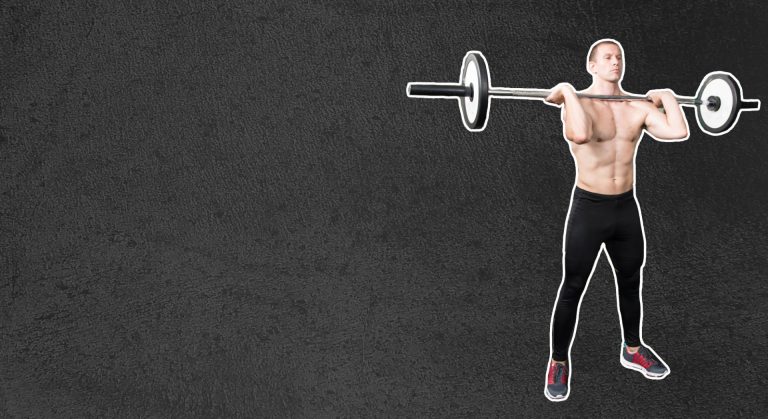
What is Front Squat

The front squat is also known as the barbell front squat. It is a fundamental weightlifting exercise that targets the quads, hamstrings, and glutes.

But if you’re not comfortable with the traditional squat, or you want to target other muscle groups, there are plenty of front squat alternative exercises you can try.

This article will focus on the 10 best alternatives to front squats.

Box Pistol Squat

When it comes to squats, the front squat is king. But if you’re finding it tough to do, or don’t have the equipment to do them, don’t worry—there are plenty of other barbell front squat alternatives.

One of my favorites is the box pistol squat. This challenging variation will work your quads and glutes like crazy. 

Here’s how to do it:

  • Place a box or a bench in front of you and stand with your feet about shoulder-width apart.
  • First, go into a squat position and lay both hands on the box; next, do a press-up and leap onto the box.
  • Reverse the motion and jump back down to the ground.
  • Repeat for reps.

Cross-Arm Front Squat

The Cross-Arm Front Squat is a great front squat alternative to the regular Front Squat.

Here’s how to do it:

  • With a weight in your left hand, hold it across your chest.
  • Feet shoulder-width apart, squat down as you would with a regular Front Squat.
  • As you come up, press the weight out straight in front of you.
  • Keep your core engaged and your back straight throughout the entire exercise.

Dumbbell Step-Up

A fantastic alternative to the front squat is the dumbbell step-up, which you may do instead. This exercise can target your quads, glutes, and hamstrings.

Here’s how to do it:

  • Step onto a bench or box with one foot, and hold a dumbbell in your other hand.
  • Keeping your core engaged, press through your heel to raise your body upward.
  • Repeat using the same leg each time you step down.

Dumbbell step-ups are a great way to build single-leg strength and stability. This exercise can also help to improve your balance and coordination.

If you’re new to this exercise, start with a low box or bench. You may also lessen the likelihood of sustaining an injury by propping your foot on a towel.

You can move to a higher box or bench as you get stronger.

Front Rack Barbell Split Squat

One of my favorite front squat alternatives is the front rack barbell split squat. It’s an excellent exercise for building severe strength in your quads, hamstrings, and glutes.

Here’s how to do it:

  • Stand with a barbell on your back and shoulder-width apart.
  • Then, step one foot forward and lower your body until your front thigh is parallel to the ground.
  • It is very pertinent to remember to maintain your abdominal muscles engaged and your back in a straight position.

I like to do this exercise with a heavier weight than I would use for a traditional front squat. It helps to build strength and muscle in my lower body.

If you’re looking for a challenging front barbell squat alternative, give the front rack barbell split squat a try.

Pushing through your front heel, drive back up to the start position and repeat. Be sure to switch legs after each rep. 

Front Foot Elevated Dumbbell Split Squat

Now let’s look at the front foot elevated dumbbell split squat. This is a great exercise to help build strength in your lower body.

To do this exercise:

  • You’ll need to hold a dumbbell in each hand and then stand with one foot in front of the other.
  • Ensure that your leading foot is raised on a bench or box,
  • Then gently lower yourself until your trailing knee is almost touching the ground.
  • Put forth the effort to return to the beginning position, and maintain your core engaged while the exercise is performed.
  • You may make this workout more challenging by increasing the weight you use for the dumbbells.

Goblet Squat

If the front squat is too advanced for you, don’t worry—plenty of other squat variations will help you build serious strength. One of my favorites is the goblet squat. 

To do a goblet squat:

  • Hold a weight (like a dumbbell or kettlebell) in front of your chest, with your elbows pointed down.
  • Next, perform a squat posture by lowering yourself while maintaining a straight back and an upright head position.
  • After pausing at the bottom of the squat, you should push yourself back up to the starting position as quickly as possible.

This exercise is excellent for those who want to build extreme lower-body strength. It’s also an excellent alternative for those who may have trouble with traditional front squats.

This exercise is a perfect alternative to front squat because it’s easier to maintain proper form. And since you’re using a weight, it also helps increase your strength and muscular endurance.

High Bar Pause Squat

So you don’t feel like doing front squats?

Fair enough. But that doesn’t mean you can’t still build serious strength with front squat alternatives.

One of my favorites is the high bar pause squat.

  • Start by standing in front of a barbell set at about shoulder height.
  • Then, place your hands on the bar, and position your feet shoulder-width apart.
  • As you squat down, make sure to keep your back flat and your core engaged.
  • Stop the exercise when your thighs are parallel to the ground, and hold this posture for two seconds while continuing to breathe normally.
  • After that, you should push your way back up to the starting position.
  • Always ensure you actively engage your core during the whole exercise. You’ll feel the burn!
Narrow Stance Leg Press

When it comes to squatting, the front squat is king. But if you’re looking for a barbell front squat alternative that’ll blast your quads and build serious strength, the narrow stance leg press is a great option.

To begin:

  • Choose a comfortable seat on the leg press machine and spread your feet about the same width apart as your shoulders.
  • Then, press your feet firmly into the platform and slowly press the weight upward.
  • As you push the weight up, be sure that the bench securely supports your back and that you don’t let your knees collapse.
  • The narrow stance leg press is a great exercise to target your quads, and since it’s a unilateral exercise,
  • You’ll also be working your core muscles to keep your balance. Try it out the next time you’re at the fitness center!

Safety Bar Squat

Regarding front squat alternatives, one of the best is the Safety Bar Squat. You can use a variety of grips with this one, which will help you target different muscles.

For example:

  • Try using a close grip to focus on your quads.
  • This will put more emphasis on the quadriceps muscles.
  • Use a wider grip to work your glutes and hamstrings more.

The Safety Bar Squat is also great for people who have shoulder problems because it puts less stress on the shoulders than the traditional front squat. Give it a try!

Zercher Squat

Here’s the thing: the Zercher squat is a great barbell front squat alternative exercise for those who want to isolate the quads and promote muscle growth.

It’s a bit more challenging than the regular front squat, but it’s worth it because of the results you’ll see.

To do the Zercher squat:

  • You’ll need to hold a weight in your hands (dumbbells or a barbell work best)
  • Then squat down as expected.
  • The single most essential point to keep in mind is to maintain your back as straight as possible.
  • Ensure that your quadriceps make the most of the effort.

This exercise is for you if you’re looking for an intense quad workout that’ll leave you feeling sore for days. Give it a try!

Conclusion

One of the most effective exercises is the front squat while squatting with a barbell.

However, if you are searching for a challenge or want to cope with an injury, plenty of great front squat alternatives can help you build strength and power.

When you go to the gym next time, give one of these ten exercises a go, and see if any of them may help you reach the fitness objectives you’ve set for yourself.

Jiu Jitsu Belt Ranks: Guide to the Martial Arts Hierarchy!

0

If you’re interested in learning Jiu Jitsu, you may have heard of the various belt ranks that practitioners can achieve. But do you know what each belt signifies and how they fit into the hierarchy of the martial art?

Jiu Jitsu is a popular form of martial art that originated in Japan and was later developed in Brazil. It involves grappling and ground fighting techniques and is known for its emphasis on leverage and technique over brute strength. The belt ranking system is an essential part of Jiu Jitsu, indicating a student’s level of proficiency and mastery.

Understanding the Jiu Jitsu belt ranking system is crucial for any student looking to progress in art. A belt promotion isn’t just a celebration of achievement, but also an indication of responsibility, respect, and commitment. In this article, we’ll cover the various belt ranks and what they signify, so you can better understand the hierarchy of this dynamic martial art.

Overview Of The Belt Ranks In Jiu Jitsu

The origins of the Jiu Jitsu belt system can be traced back to Japan in the 19th century. At that time, Jiu Jitsu consisted of various schools, each with its own methods and practices. The belt system was introduced by Jigoro Kano, the founder of Judo, in the early 20th century as a way of recognizing and promoting the skill levels of his students.

In the early 20th century, a Japanese Jiu Jitsu master named Mitsuyo Maeda migrated to Brazil, where he eventually taught his art to a family named Gracie. One of the Gracie family members, Carlos Gracie, further developed and refined the techniques, eventually creating what is now known as Brazilian Jiu Jitsu (BJJ).

During the early stages of BJJ, there were only two belt colors: a white belt for beginners and a black belt for advanced practitioners. This simplified system emphasized the importance of mastering fundamental techniques before progressing to higher levels.

Today, there are many more colors in the Jiu Jitsu belt system, including red and white, red, and coral belts. These higher-level belts are awarded to practitioners who have reached the highest levels of skill and knowledge in Jiu Jitsu.

Jiu Jitsu Belt Ranks

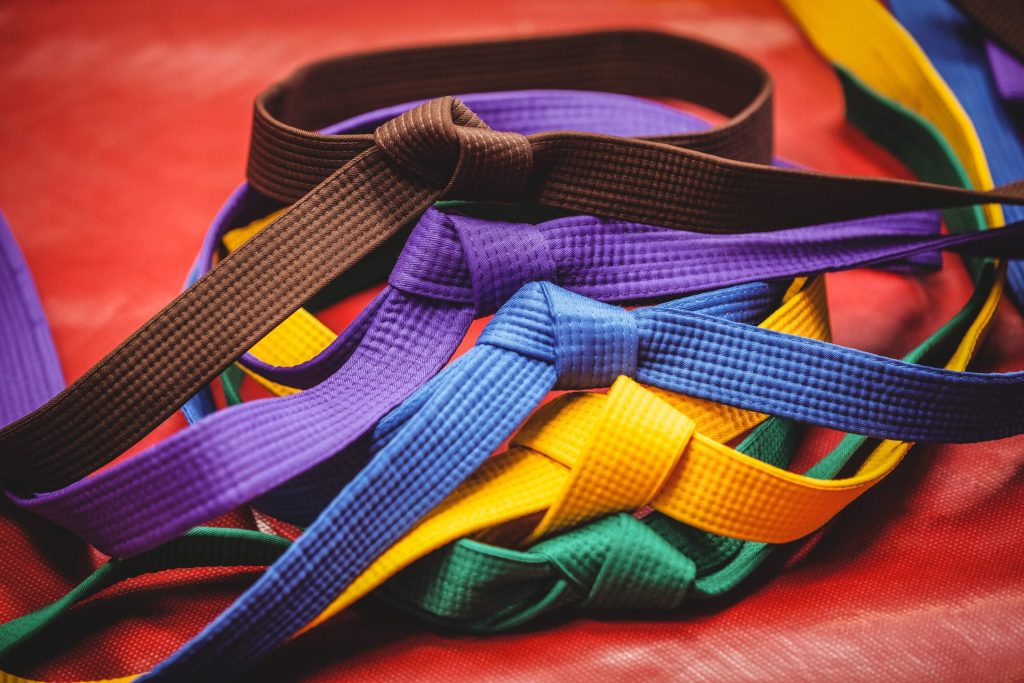
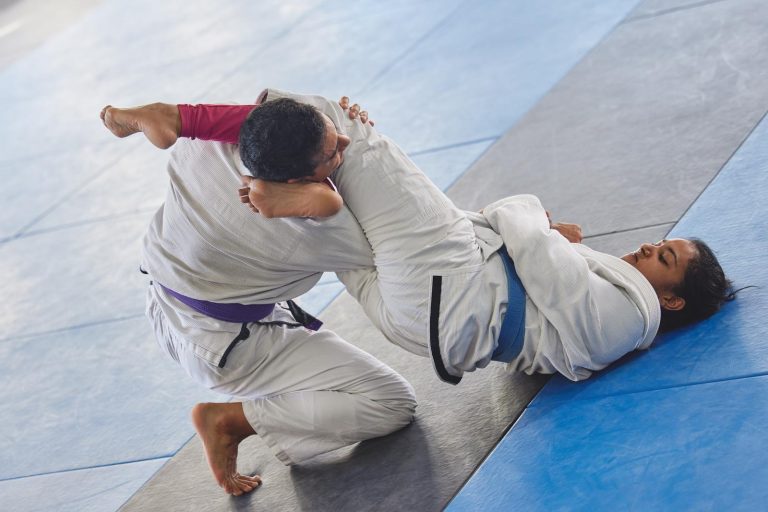
Overview Of The Brazilian Jiu Jitsu Belt Rank Hierarchy – White, Blue, Purple, Brown, And Black

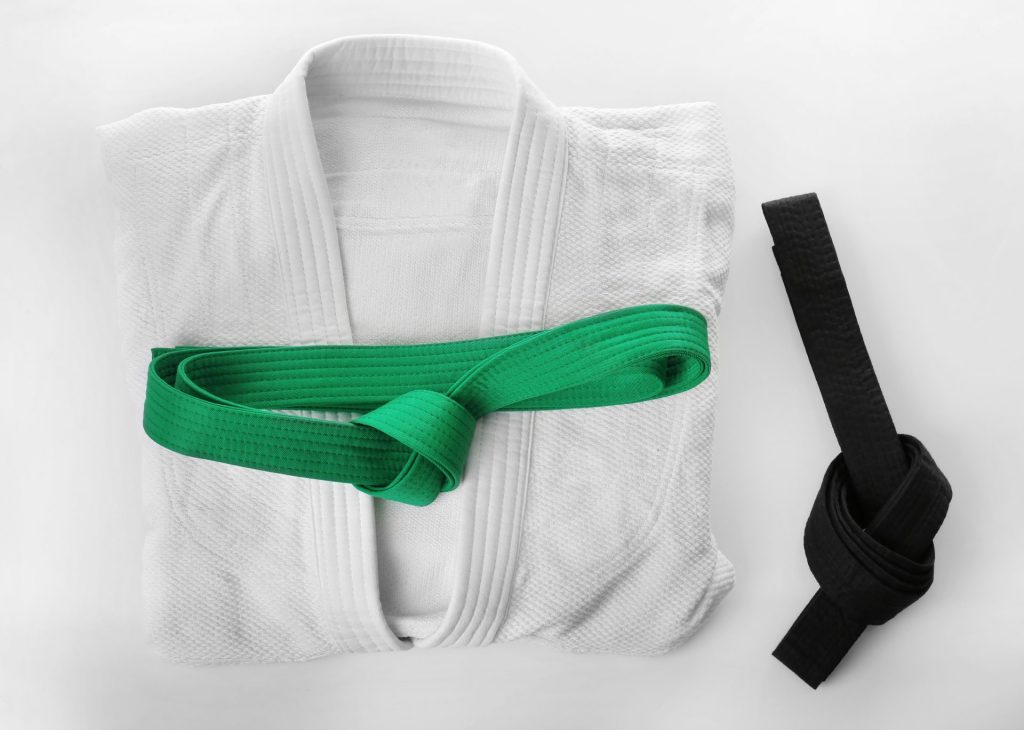
White Belt: The Beginning

The white belt represents the starting point in a practitioner’s Jiu Jitsu journey. It symbolizes humility, openness to learning, and the willingness to embrace the fundamentals of the art. White belts are introduced to the core techniques, positions, and submissions, along with the etiquette and culture of Jiu Jitsu.

White belts focus on self-defense techniques, which lay the foundation for more advanced moves.

Some common requirements for the white belt include:

  • Learning basic positions such as guard, mount, side control, and back control.
  • Developing an understanding of fundamental sweeps, escapes, and submissions.
  • Drilling techniques and positional sparring.
  • Participating in live rolling sessions to practice techniques.

Blue Belt: The Foundation

The promotion to the blue belt signifies the transition from a beginner to an intermediate level practitioner. Blue belts have developed a solid foundation and a more comprehensive understanding of Jiu Jitsu techniques. They continue to refine their skills while expanding their repertoire of techniques and improving their positional control and escapes.

At the blue belt level, practitioners focus on expanding their technique repertoire, including sweeps, submissions, and escapes.

Common requirements for the blue belt include:

  • Expanding the repertoire of techniques, including more advanced sweeps, submissions, and transitions.
  • Developing a better sense of timing and distance control.
  • Improving positional escapes and defenses.
  • Participating in regular sparring sessions.
  • Gaining experience in local and regional competitions.

Purple Belt: The Intermediate Level

The purple belt is a significant milestone in a practitioner’s Jiu Jitsu journey. It represents a higher level of technical proficiency and a deeper understanding of the art. Purple belts refine their techniques and strategies, focusing on a more intricate understanding of the principles that underpin Jiu Jitsu. Purple belts explore advanced submissions, sweeps, and positional control techniques.

Common requirements for the purple belt include:

  • Expanding the range of techniques and variations, including intricate sweeps, submissions, and combinations.
  • Developing a higher level of fluidity and transition between positions.
  • Enhancing guard retention and passing skills.
  • Developing a personal style and game plan.
  • Actively competing in local, regional, and possibly national tournaments.

Brown Belt: The Expert Level

The brown belt represents the expert level in Jiu Jitsu. Brown belts have achieved a high level of mastery in the fundamentals of the art. They possess a vast repertoire of advanced techniques and combinations, along with enhanced timing, precision, and fluidity in their movements. Brown belts focus on advanced techniques and combinations, exploring the intricacies of Jiu Jitsu in greater depth.

Common requirements for the brown belt include:

  • Further expanding the technical repertoire with advanced techniques, including intricate submissions, guards, and sweeps.
  • Deepening the understanding of Jiu Jitsu principles and strategies.
  • Refining timing, pressure, and control in different positions.
  • Developing teaching and coaching skills.
  • Competing at a high level in local, regional, and national competitions.

Black Belt: The Master Level

The black belt is the pinnacle of achievement in Jiu Jitsu and represents the mastery of the art. It is a culmination of years of dedication, hard work, and perseverance. Black belts demonstrate a deep understanding of strategy, tactics, and the ability to adapt to any situation on the mats.

Black belts possess a comprehensive understanding of Jiu Jitsu, from fundamental techniques to advanced strategies.

Common requirements for the black belt include:

  • Mastery of a broad range of advanced techniques, including variations and combinations.
  • Exceptional understanding of Jiu Jitsu concepts and principles.
  • Proficiency in teaching and mentoring other practitioners.
  • Actively competing and achieving success at high-level tournaments.
  • Continual dedication to the art, including further learning, training, and development.

Jiu Jitsu Belt Ranks

Overview of Higher Belt Ranks

Beyond the black belt, there are higher ranks that acknowledge exceptional dedication and contribution to Jiu Jitsu. The coral belt, red and white belt, and the rare red belt represent significant milestones achieved by a select few individuals who have dedicated their lives to the art of Jiu Jitsu.

The coral belt is awarded to those who have made substantial contributions to the art and have dedicated decades to its practice. The red and white belt represents a master level attained by very few practitioners, and the red belt is the highest honor, reserved for pioneers and legends of the martial art who have made an indelible impact on Jiu Jitsu.

The Significance Of Earning A Black Belt In Jiu Jitsu

Earning a black belt in Jiu Jitsu holds great significance and represents a significant achievement in martial art. Here are some key points that highlight the importance of earning a black belt in Jiu Jitsu:

Mastery of the art

Earning a black belt signifies that an individual has reached a high level of technical proficiency and understanding in Jiu Jitsu. It demonstrates a comprehensive knowledge of the fundamental techniques, principles, and strategies of the martial art.

Years of dedication

Achieving a black belt requires a significant investment of time, effort, and dedication. It typically takes several years of consistent training and practice to progress through the various belt ranks. Earning a black belt represents the culmination of this commitment and perseverance.

Personal growth and development

Jiu Jitsu is not only a physical discipline but also a mental and emotional one. The journey to a black belt involves personal growth, self-discovery, and overcoming challenges. It requires discipline, patience, resilience, and the ability to adapt and learn from mistakes. Earning a black belt signifies the development of these qualities and a deep understanding of oneself.

Recognition from the Jiu Jitsu community

Within the Jiu Jitsu community, the black belt is widely respected and acknowledged as a symbol of expertise. It signifies that an individual has reached a level of skill and knowledge that allows them to be recognized as an instructor and mentor to others. It is a mark of authority and leadership within the Jiu Jitsu community.

Teaching and mentoring others

A black belt in Jiu Jitsu carries the responsibility to pass on knowledge and skills to others. Black belts often become instructors and play a crucial role in guiding and mentoring students. They are expected to uphold the values and traditions of Jiu Jitsu and contribute to the growth and development of the art.

Continued learning and improvement

Earning a black belt does not mean the end of the journey; rather, it marks the beginning of a new phase. Black belts are encouraged to continue learning, refining their techniques, and exploring new aspects of Jiu Jitsu. It is a lifelong pursuit of growth and improvement, both on and off the mats.

Jiu Jitsu Belt Ranks

How Many Belt Ranks Are There In Jiu Jitsu For Kids?

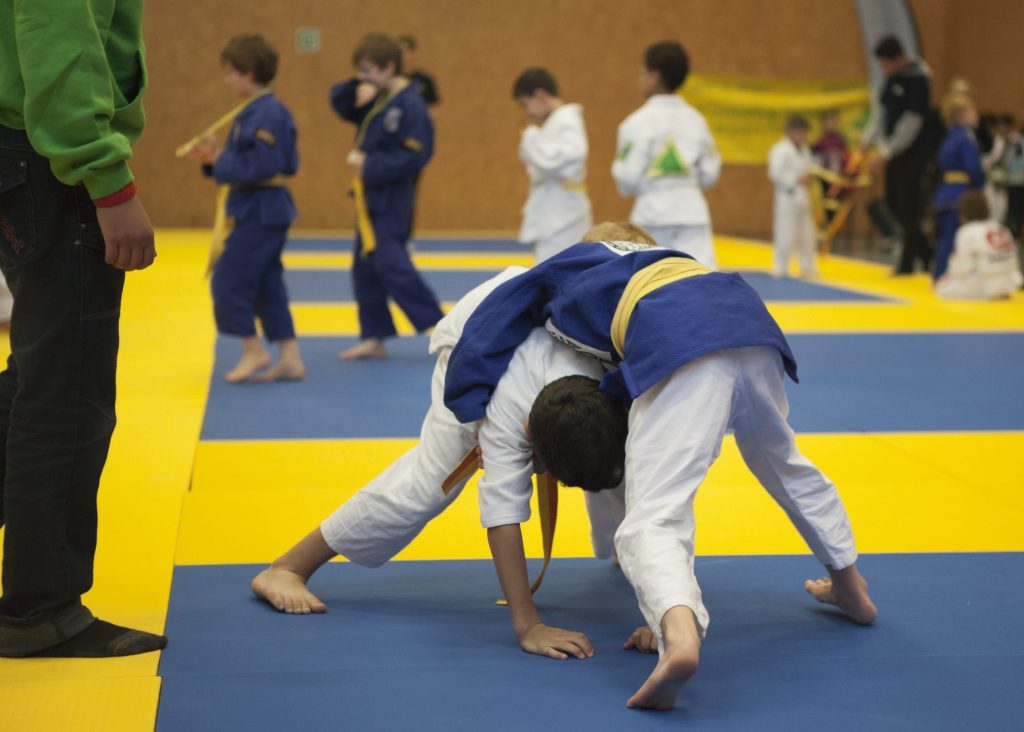
In Brazilian Jiu-Jitsu (BJJ) for kids, the belt ranking system typically follows a similar structure to the adult belt system. However, the number of belt ranks can vary depending on the specific academy or organization. The most common belt progression for kids in BJJ includes the following ranks:

  • White Belt: This is the starting rank for all beginners, regardless of age.
  • Grey Belt: Some academies use a grey belt as an intermediate rank between white and yellow.
  • Yellow Belt: This rank represents a basic level of proficiency and understanding of the fundamental techniques.
  • Orange Belt: The orange belt is often considered an intermediate rank, demonstrating continued progress and development.
  • Green Belt: This rank indicates further advancement in technical knowledge and skills.
  • Blue Belt: The blue belt is a significant milestone and represents a more advanced level of proficiency in BJJ.
  • Purple Belt: This rank signifies a high level of technical knowledge and skill, with the ability to apply techniques effectively.
  • Brown Belt: The brown belt represents advanced proficiency, often accompanied by a deep understanding of the art and a high level of expertise.
  • Black Belt: The black belt is the highest achievable rank in BJJ and indicates mastery of the art. It often takes many years of dedicated training to reach this level.

Please note that the specific belt progression and the number of ranks can differ from one academy or organization to another, so it’s always best to check with the specific BJJ school or federation for their belt system for kids.

Conclusion

The Jiu Jitsu belt ranking system is a crucial component of martial art, providing a clear path of progression and growth for practitioners.

Each belt rank signifies a different stage of development, from the humble beginnings of the white belt to the pinnacle of mastery represented by the black belt and beyond. It’s essential to remember that the Jiu Jitsu journey is not solely about achieving a specific rank but about personal growth, dedication, and the continuous pursuit of excellence.

No matter what belt you currently hold, embrace the journey, stay committed, and enjoy the transformation that Jiu Jitsu brings to your life.

Daisy Keech Workout – Abs, Butt + (Age)

0

Social media platforms are flooded with fitness influencers who spread their message to the world to enlighten people about the importance of physical fitness.

Such influencers have flawlessly perfect bodies that make their followers curious about their hidden secrets. But, we must never forget that social media is not real life, and many fitness influencers may have undergone surgical procedures.

However, Daisy Keech, a fitness influencer with over 3.2 million YouTube subscribers and 6 million Instagram followers, has a healthy approach toward physical wellness. Daisy lives a healthy lifestyle and inspires her followers to do the same without being extreme in their behavior.

This article covers Daisy Keech’s workout plan and diet routine, so you can build a fit and structured body like Daisy’s without compromising your health.

Who is Daisy Keech? 

Born and raised in America, Daisy Keech is a fitness model, social media influencer, and YouTuber. Her envy-inducing athletic physique gets her a lot of attention online. Daisy has been given the title of certified booty expert because of her natural bubble butt achieved without surgery.

Daisy likes to share workout plans and healthy dieting tips in her videos. Fans shower daisy with love because of her transparency and accurate advice.

Let’s check out Daisy’s body stats.

Current Body Stats of Daisy Keech 

Daisy told her fans she started to eat clean and healthy from a young age, which contributed to her love for a healthy lifestyle.

  • Age: 23 years (2022)
  • Height: 5 ft. 6 inches
  • Weight: 53 kg
  • Waist: 25 inches
  • Chest: 32 inches
  • Hips: 36 inches

Daisy Keech’s Workout Routine and Plans 

Daisy Keech uses multiple training techniques to get a lean and well-toned physique.

Through her YouTube videos, she utilizes weight training to gain muscles and uses bands to add extra resistance when doing lower-body workouts.

Furthermore, Daisy likes high-intensity interval training (HIIT), cardio, and Stairmaster. She also does hiking or walking for 45 minutes daily and incorporates Pilates and hot yoga in her fitness routine for extra physical wellness.

All of Daisy’s workouts can be done at home with minimum equipment, so there is no need to get a gym membership. Here is Daisy Keech’s workout plan: 

Daisy Keech Abs Workout Plan 

Daisy gives one minute to each of the following exercises and does not take any breaks in between.

  • Russian Twists
  • Leg Raises
  • Bicycle Kicks
  • Bodyweight Crunches
  • Bent Toe Taps
  • Alternative Jack Knives
  • Scissor Kicks
  • Butterfly kicks

Daisy Keech’s abs workout plan gives astonishing results. Within a few weeks of doing this regimen, you will see the progress and achieve lean abs like Daisy Keech.

Daisy Keech’s Upper Body Workout Plan

Daisy’s upper body workout is a mixture of weight training and resistance band workouts

  • Resistance band stretches
  • Resistance band wood chops
  • Lat pulldown
  • V-bar cable rows
  • Side dumbbell lateral raises
  • Dumbbell press on the incline bench
  • Standing dumbbell fly

Daisy Keech Leg Workout Plan

Daisy put together this workout to strengthen the lower body and enhance physical mobility.

Here is Daisy’s leg workout routine:

  • Single-leg box squat
  • Dumbbell box step-up
  • Stiff leg dumbbell deadlifts
  • Cable glute kickbacks
  • Dumbbell walking lunges
  • Dumbbell glute bridge

Daisy Keech Bubble Butt Workout Plan 

Here is the popular Daisy Keech bubble butt workout plan:

  • Donkey kicks
  • Donkey kicks pulse
  • Rainbow kicks
  • Fire hydrants
  • Leg circles
  • Small circles
  • Side fire hydrants
  • Bent knee circles
  • Revere knee circles
  • Knee tops

The results of this Daisy Keech Bubble Butt Workout are out-of-this-world! You get a round and plump booty just like Daisy’s within a few weeks of consistent exercise.

What Are Daisy Keech’s Nutrition Plans and Food Preferences? 

Daisy Keech is well aware of the importance of healthy eating. She believes eating healthy is as essential as exercise and training to achieve a fit body.

Let’s take a look at what Daisy eats in her day:

Breakfast options:

As Daisy has explained in her YouTube videos, she does her workouts in the morning, so breakfast is her pre-workout meal. Therefore, she eats avocado toast with a bowl of freshly-cut fruits, turkey bacon, and coffee. Her nutritionally-rich breakfast gives her energy for exercise.

Lunch options:

Daisy’s second meal, lunch, is a nutrient-packed meal that helps her recover from the strenuous workout. It is usually chicken, avocado, brown rice, and beans.

Dinner options:

For dinner, Keech again prefers something healthy like a big bowl of salad with a slice of salmon, olives, and her personal favorite, feta cheese.

Snack options: 

Daisy eats two snacks in a day alongside her three main meals. She will have kiwifruit and a frozen Greek yogurt bar for the mid-morning snack. In contrast, for the mid-afternoon snack, Daisy usually drinks a protein shake made with whey protein, vegan protein, almond butter, milk, a banana, and some spinach leaves.

Daisy’s Cheat meals: 

Being on a restrictive diet can be challenging for Daisy sometimes, so she cheats occasionally. Here are some of Daisy’s favorite cheat meals:

  • Pizza
  • Grilled cheese sandwiches
  • Doughnuts

Foods that Daisy Keech loves: 

  • Salmon
  • Fresh fruit
  • Chicken
  • Avocados
  • Brown rice
  • Nuts
  • Greek dressing
  • Feta cheese
  • Olives

In addition to these foods, Daisy Keech constantly hydrates by drinking plenty of water. She also loves to drink homemade fresh juices to add flavor to hydration.

Foods that daisy Keech avoids: 

  • Grains
  • Artificial additives
  • Fast food
  • Junk food
  • Refined sugar
  • Processed foods
  • Gluten
  • Dairy

Daisy believes that you must say no to sugar and swap out healthy alternatives to achieve a skinny and fit body to see significant improvements.

What Are Daisy Keech’s Supplement Preferences? 

Daisy stays active most of the time, so she must consume adequate nutrients to fuel her body. Here is a list of additional supplements that she takes to make up for the missing ones:

  • Pre-workout
  • Whey Protein
  • Post-workout
  • Vegan Protein
  • Vitamin D3
  • Coconut charcoal
  • Lean fat burner

Final thoughts

Although Daisy Keech is young, she is well-educated on what her body requires to stay fit and healthy. She knows the limits and does everything moderately, whether exercise or diet. This aspect of her content motivates fans and guides them to work on their physiques using a healthy approach.

We hope you liked our summary of Daisy Keech’s workout plan and that it encouraged you to look after your body.

Pronated Grip – Try it in Your Workouts (Guide)

0

It’s no secret that utilizing proper form and technique with your workouts is important for achieving the best results. But did you know that the way you grip your equipment can also be key? This is where a pronated grip comes in—it’s a powerful tool used to boost performance and improve safety when it comes to lifting weights or using other gym equipment. In this blog post, we will provide an overview of what pronated grip is, why it’s important, and how to use it properly.

What Is Pronated Grip?

Pronation is a type of hand placement where the palms are facing down or away from you. When gripping onto something like a barbell or dumbbell with your hands in this position, you create stability and control over the weight as you lift.

That’s why many exercises require the use of pronated grip—it helps ensure proper form and provides an extra layer of safety when lifting heavier weights.

Most Balanced Grip

A pronated grip is an integral part of proper technique when performing a variety of exercises. It refers to the way one grasps a bar or equipment with the hands, as pronation involves rotating the palms away from the body.

The pronated grip secures the bar in order to stabilize it and create balance between both arms, improving coordination and distributing weight evenly.

It is essential for squats, deadlifts, bench presses and other weightlifting activities, as pronated grips provide greater control that allows for more effective movement and better results when engaging in strength training.

pronated grip

Common Exercises that Utilize Pronated Grip

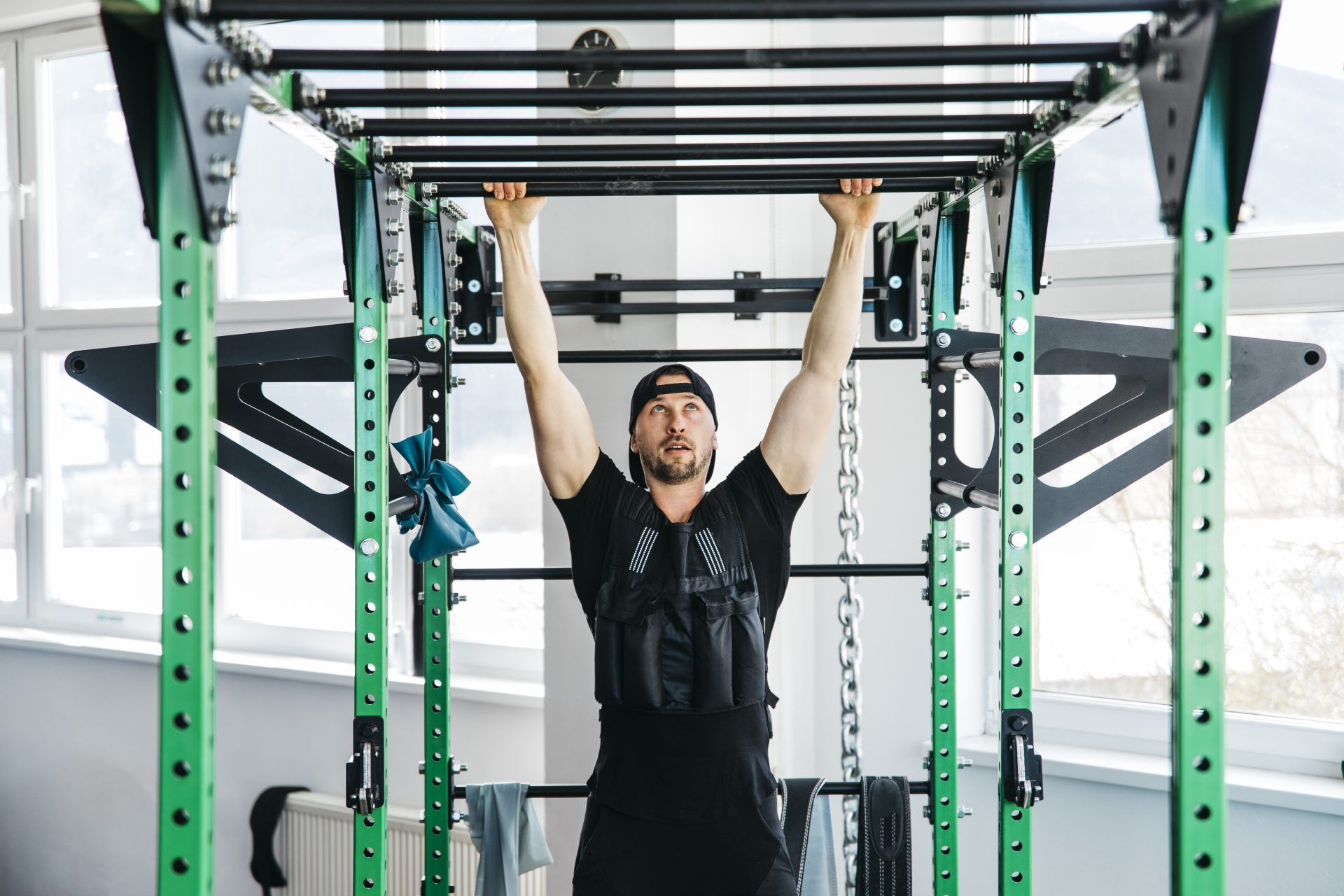
Some of the most common exercises that require pronation include deadlifts, pull-ups, barbell rows, bench presses, and overhead presses.

For these exercises, having your palms face down allows for a better connection between your body and the weight being lifted which can help maximize muscle activation and power output.

Additionally, using pronation helps prevent any unwanted movements during these exercises which can increase risk of injury or lessen effectiveness due to poor form.

Bulletproof Wrists

The pronated grip is a particularly versatile one in terms of its applications, namely within various sports and crafts.

It is the most natural and instinctive manner in which to grasp an object due to it being what the human anatomy requires us to do in order to hold onto something securely.

Several anatomical factors are at play with this type of grip, including the flexion of our forearm muscles which cause our wrists to slightly turn inward during contact with an object such as a tennis racket or tools like nails and hammers.

This enables us to be able to effectively manipulate any desired object, lending itself as a better alternative to supinated grips which leads to less stability and control.

All in all, the pronated grip is vital for executing certain tasks and exhibits several unique differences compared to other types of grips.

Techniques for Proper Use of Pronated Grip

When using a pronated grip there are several things to keep in mind including form and technique considerations as well as adjusting your hand placement on the bar or handle as needed.

It’s important to make sure your hands are spaced correctly so that they don’t overlap too much or too little on each side—this helps ensure even pressure distribution throughout both sides of the body while performing strength training exercises such as those mentioned above.

Additionally, if you have any pre-existing injuries or conditions that limit mobility in certain areas of your body then you should avoid using this type of grip completely or limit its usage accordingly.

Beneficial for Athletes

A pronated grip is a form of gripping where the palms are facing inwards while holding onto an object.

This is the opposite of a supinated grip, where the palms are facing outwards. It can be used as opposed to these two other forms because pronation has been found to be ideal when performing certain exercises in weight training programs.

It employs muscles which can improve technique, reduce risk of injury and provides greater benefits for muscle activation and strength gains compared to its alternatives.

This means that pronated grip is especially beneficial for athletes, bodybuilders, powerlifters and many other people trying to increase their physical capabilities.

Greater Range of Motion

Pronated grips are one of the most popular positions for exercises such lat pulldowns, deadlifts, pull-ups, barbell rows, and bench presses.

This grip provides a greater range of motion and can help target certain muscles in the upper body such as the latissiums dorsi and trapezius in lat pulldowns.

Utilizing pronated grips can also activate several core muscled which helps to support proper posture while lifting heavy weights.

They are generally considered to be safer than other grips due to reduced risk of injury when your hands are facing downwards.

Drive Your Strength to New Level

The pronated grip is a basic but nonetheless important concept to understand in weightlifting, and with proper technique, it can drive your lifting performance to new heights.

Fundamentally, pronation of the hand helps you to maintain a secure and stable grip on the barbell or dumbbell, resulting in better control and execution of reps.

In general, pronated grip should be used whenever possible but when there are pre-existing injuries or conditions that can be exacerbated by this kind of gripping activity then it’s wise to avoid usage until further notice.

Advanced lifters can also take advantage of pronated grip by finding ways to incorporate pronated grip variations into their routines for greater diversity and challenge in their workouts.

Learning how to safely apply pronation grip technique is key, so practitioners should always seek advice from qualified trainers if looking to increase usage with pronation in order to ensure safe exercising practices.

Keeping Your Body Safe

A grip is how one holds an object, and in the world of weightlifting, golfing, and rock climbing there are different grip options available.

With all the varieties out there, it can be intimidating to try something new. Pronated grip is a grip position that creates a thumb-up grip with palms facing downward.

It is often used for exercises such as hammer curls, barbell rows, chin ups, and skull crushers because it offers stability to help alleviate stress on the joints and reduce injury risk.

In conclusion, pronated grip is a grip option when lifting or exercising as it helps to ensure stability while keeping your body safe. Even if you’re new to pronated grip or have not tried it before, don’t be intimidated – give this grip method a shot!

Conclusion

This blog post has provided an overview of what pronated grip is, why it’s important for certain types of exercises, how to use it properly for maximum benefit (and safety!), as well as when to avoid its usage due to pre-existing injuries/conditions.

To wrap up our discussion on using pronation effectively in workouts let us leave you with two key points:

Always pay attention to proper form when lifting weights or using gym equipment.

Secondly give pronation a try if you haven’t yet!

With just a few small adjustments here and there – such as incorporating pronation into certain exercises – it can make all the difference in terms of improved performance and overall safety when exercising!

Best Ellipticals For Apartments: Top Picks for Small Homes

0

Choosing to exercise at home? An elliptical machine is a fantastic choice. It’s perfect for low-impact workouts, helping burn calories and stay fit without hurting your joints or needing a gym visit. Living in an apartment makes an elliptical even better since most models are space-friendly and won’t upset the folks next door.

But with so many options available, choosing the right model can be tricky. To make the search easier, we rounded up some of the best ellipticals for apartments on the market today. From budget-friendly models to high-end ones that come loaded with features, there’s something for everyone here. 

We also made sure each one has a smaller footprint than standard machines, so you can easily fit them in tight spaces like hallways and bedrooms. Get ready to work up a sweat and reach your fitness goals with one of these incredible ellipticals for apartments!

The Best Ellipticals For Apartment Living 

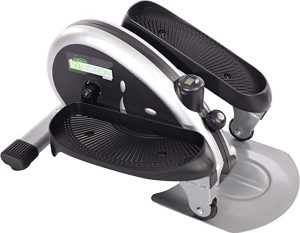
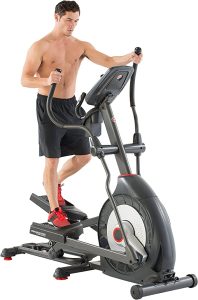
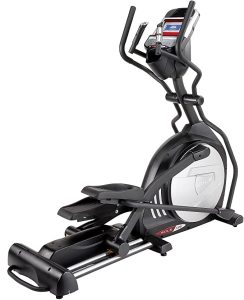
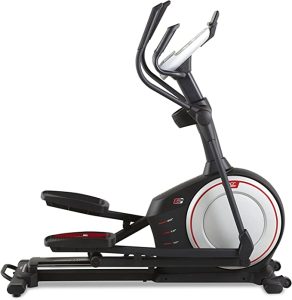
1. Stamina InMotion E1000

The Stamina InMotion E1000 is a great entry-level elliptical for small spaces like apartments.

This lightweight machine weighs only 24 pounds, making it easy to move around and store when not in use.

It has adjustable tension levels, and a multi function monitor built into the console, with textured pedals.

Plus, this model has priced fairly affordably (under $200).

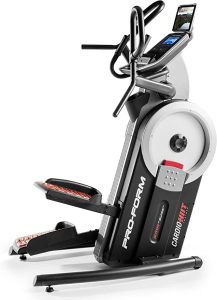
2. ProForm Cardio HIIT Trainer 

The ProForm Cardio HIIT Trainer is perfect for those looking to maximize their workouts in a small space.

This compact elliptical machine has adjustable incline levels of up to 20%, heart rate monitor, multifunction handlebars, as well as 24 resistance levels so you can challenge yourself.

There’s also an auto-breeze fan and tablet holder built into the console so you can watch videos while you work out and stay cool at the same time!

Plus, this model is Bluetooth enabled, allowing you to sync with various fitness apps like iFit.

3. Schwinn 470 Elliptical Machine 

The Schwinn 470 Elliptical Machine is another great option for apartments. This model features 25 levels of resistance with four user profiles that allow multiple people to use it at once.

There’s also an LCD where you can track all your stats like calories burned, distance traveled, and more!

Plus, this machine comes with Bluetooth speakers so you can listen to music while working out or connect with online fitness communities like Zwift or Peloton Digital App (sold separately).

And despite its impressive features, it still fits comfortably into smaller spaces like most apartments due to its low profile design. 

4. Sole Fitness E25 Elliptical 

The Sole Fitness E25 is another great option if you’re looking for an elliptical for your apartment.

It has a 25-pound flywheel that provides smooth and quiet operation, so not only will it fit perfectly into your apartment but it won’t disturb anyone else in the building either!

It has 20 levels of adjustable resistance which allow users to customize their workouts and make them as challenging as they want them to be.

Additionally, this model offers 10 preset programs as well as two user profiles so that multiple users can track their workout information separately. Finally, other features include an easy-to-read 6.25-inch blue LCD display, built-in fans, and pulse grip sensors so that you can monitor your heart rate during workouts too! 

5. ProForm Endurance 520 E Elliptical 

This is one of the most popular ellipticals on the market today, and it’s perfect for apartments. With its adjustable stride length of 18-22 inches, it can accommodate people of any height.

The Endurance 520 E also has 18 digital resistance levels to challenge your workout as you progress.

Plus, it has 20 built-in programs that adjust automatically depending on the program you choose, heart rate, water bottle holder and AC adaptor included.

The console also includes iPod compatibility so you can listen to your favorite tunes while working out! Finally, it comes with a front transport wheel so that moving it in or out of your apartment is a breeze. 

What Is An Elliptical Machine? 

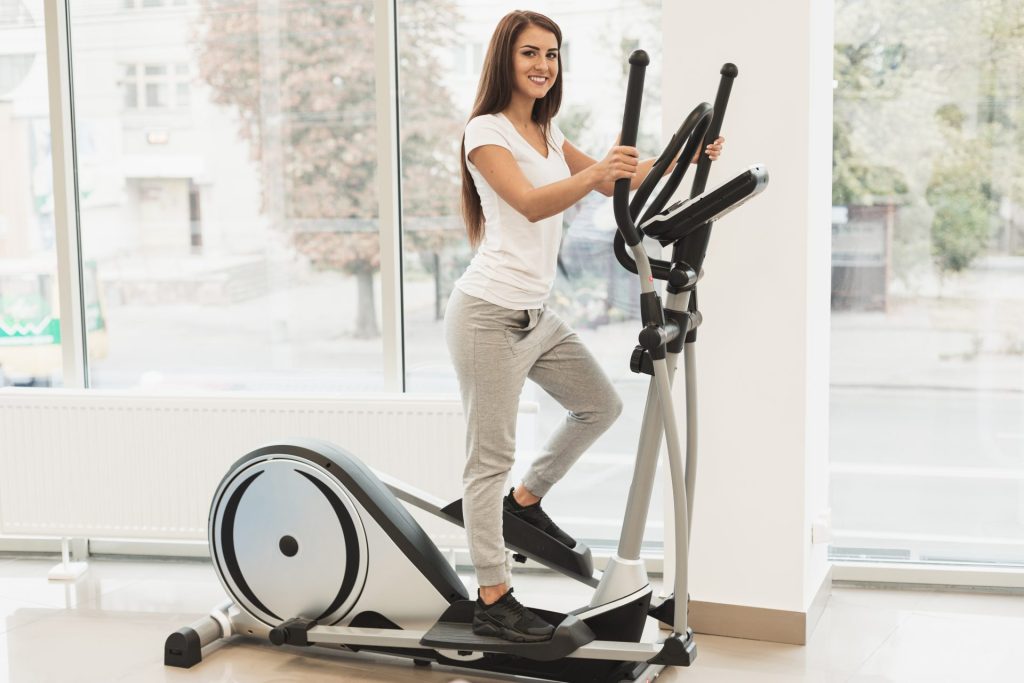
An elliptical machine is a piece of fitness equipment that combines aspects of running, walking, and climbing stairs.

It provides a great cardiovascular workout while also working your:

  • arms,
  • legs,
  • chest,
  • and core.

The motion of the machine replicates a smooth running motion without any jarring movements or impacts on your body.

This makes it ideal for people who have joint issues or just want to ease into their exercise routine. 

Best Ellipticals For Apartments

How Does An Elliptical Work? 

At its core, the elliptical consists of two handles connected to pedals that move in an ellipse shape (hence the name).

As you move one foot forward, your other foot moves backward in a continuous movement. You can adjust both the speed and resistance levels to customize your workout intensity as desired.

Most machines also come with various programs and settings so you can adjust them as needed for different levels of difficulty each time you use it.

You can even monitor your heart rate by holding onto the sensor-equipped handles during use.  

The Ultimate Apartment Elliptical Guide: What To Look For 

To make sure you get the best elliptical for your needs, here’s an overview of what to look for when choosing a machine for an apartment setting. 

Quiet Operation And Low Vibration Levels 

This is an important factor for any machine, but especially if you live in close quarters with other people who might be bothered by loud equipment or rattling vibrations.

Ellipticals usually come with some kind of sound rating, so check that before making your purchase.

Many models also come with rubber feet pads which help reduce vibration levels and minimize noise from the machine when in use.  

Size And Portability 

Make sure you measure the space where you plan to put the elliptical before buying one.

Most machines have a relatively small footprint (the area they take up on the floor), but they can also be tall depending on their design and features.

Portable models may also be more suitable if you need to move them around frequently or store them away when not in use.

Best Ellipticals For Apartments

Stability And Weight Capacity 

Ellipticals should feel stable even at higher speeds or inclines as this will give you a smoother ride and help prevent injuries from occurring due to instability or imbalance during your workout.

Likewise, make sure that the weight capacity of the machine matches your weight as well as anyone else who might use it regularly so that it won’t wobble or break down over time due to excessive strain.  

Programs, Features, And Accessories 

Some machines come with additional features such as preset programs, heart rate monitors, resistance levels, etc., while others may offer more basic features like adjustable speed settings and simple display readouts.

If there are specific programs or accessories that you want on your elliptical, make sure that they are included in whatever model you choose before purchasing it.

Wrapping Up

Overall, the best ellipticals for apartments are those that come with features such as low-impact technology, adjustable stride lengths, and easy storage. With these features, an elliptical can provide a safe and effective workout in any home or apartment space.

Whether you’re looking to get a full-body workout or just want to focus on lower-body exercises, an elliptical machine can help you reach your goals without taking up too much of your living space. Plus, with so many different models on the market today, there is sure to be one that’s perfect for you and your home gym needs.

For a smooth experience at home without sacrificing your budget or floor space, consider investing in an elliptical for apartments.

Does Tanning Burn Calories? (ANSWER)

0

Tanning has been around for centuries, with people from all walks of life indulging in its perks. With that said, there have always been myths associated with tanning – one of them being that it helps with weight loss or calorie burning. In this article, we’ll be debunking this myth and exploring some of the risks involved with tanning. We will also discuss some alternatives to tanning for achieving fitness goals.

Myths About Weight Loss

Let’s start by examining the myth surrounding tanning and weight loss. Sure, lying in a tanning bed may make you sweat a bit, but this does not amount to much in terms of actual calorie burning or weight loss.

The truth is that while tanning may help you feel more relaxed, it will not help you burn any meaningful amount of calories and it won’t help you achieve your fitness goals.

Moreover, there are numerous health risks associated with tanning such as skin cancer and premature aging of the skin (trusted source).

loose skin

Tanning and Weight Loss

Tanning has been an increasingly popular practice over the last few decades.

People usually tan to get a darker skin color, and for many it is seen as a form of beauty. While still accepted by some, it is not an activity without risks.

Tanning has been linked to increase in wrinkles, age spots, and overall accelerated aging of the skin, which are all effects of exposure to ultraviolet (UV) radiation.

Furthermore, there is also no scientific evidence that tanning can help people lose weight or burn calories, despite what many believe. Rather than trusting unfounded claims people should look at research and know the potential consequences before starting a tanning habit.

Any Risks?

Tanning can be an enticing proposition for those looking for a quick boost of energy during the day, but it comes at a much higher cost than the few moments of temporary energy.

UV radiation exposure from too much tanning carries potential risks such as skin cancer and premature aging, making people more prone to wrinkles and age-related diseases earlier in life.

Unfortunately, these risks far outweigh any minimal energy expenditure associated with going to a tanning salon or using an at-home device.

Therefore, it’s important that people recognize the consequences before they engage in activities exposing them to excessive levels of UV radiation.

Fitness Goals

When it comes to burning calories and achieving fitness goals, there are far better options than tanning.

For starters, regular physical activity is an excellent way to burn calories and stay healthy. This can include anything from running or biking to swimming or even taking up yoga classes. Furthermore, maintaining a balanced diet is essential for overall wellness.

Eating whole foods such as fruits and vegetables can give your body the nourishment it needs without compromising your health in any way.

Finally, it’s important to remember that anything done in excess can be dangerous, including sun exposure from extended periods of time spent in a tanning bed. Tanning may seem like an easy fix for losing weight quickly but the risks involved definitely outweigh any potential benefits (trusted source).

Additionally, if you’re trying to improve your overall fitness level or lose weight then chances are there are far better methods available than just lying down on a sunbed!

Better Options

A balanced diet and regular physical activity are far more effective methods for burning calories and improving overall health than indoor or outdoor tanning.

Sweating does not actually burn a significant amount of calories, but does support physical activity and an active lifestyle.

This combination of balanced nutrition and exercise can lead to sustainable weight loss, preserving muscle mass, improved mental health, as well as providing a boost to the body’s ability to fight off disease.

Tanning does nothing for your overall health and does not have any of the metabolic benefits of healthy eating combined with regular exercise. A healthy life requires smart decisions.

So ditch the tanning bed or booth because you’ll end up feeling much better in the long run.

Does Tanning Burn Calories?

Tanning is a popular self-care and overall health trend, however it may not be the best solution for achieving fitness intentions.

Contrary to popular belief, tanning does not actually contribute any significant amount of calorie burn, to the point where how many calories are burned through tanning become somewhat meaningless.

As such, other safer alternatives should be prioritized over tanning in order to get the desired results that people want when trying to improve their overall health and fitness.

Tanning may provide a nice boost of endorphins in the short term, but ultimately it fails compared to exercise and following a proper food regime — two healthier options with proven effectiveness that should be prescribed instead.

Final Thoughts

In conclusion, we can safely say that the myth surrounding tanning and weight loss/calorie burn is false and should be avoided entirely.

Not only is there no evidence to suggest that lying on a sunbed will help with either of these two things but it also puts us at risk of various health issues such as skin cancer and premature aging due to UV radiation exposure during long periods of time spent in a tanning bed.

Instead, focus on alternative methods such as regular physical activity and maintaining a balanced diet in order to achieve your desired fitness goals without risking your health! Keep safe out there!

Mikasa Ackerman Workout Routine

0

For those who know the anime Attack on Titan, Mikasa Ackerman is an iconic character. Not only is she a powerful and determined fighter, but her physical strength and agility are unmatched. So, it makes sense that if you wanted to emulate her level of fitness and athleticism, calisthenics would be the best workout for you. Let’s explore why this type of exercise is ideal for Mikasa Ackerman-level strength and conditioning.

Who is Mikasa Ackerman?

Mikasa Ackerman is a beloved character in anime and manga, often considered a symbol of strength, courage, and resilience. She is the adoptive sister of Eren Yeager and a member of the Survey Corps and the 104th Training Corps.

With her Advanced Technology Vertical Maneuvering Equipment (VME), Mikasa has become is a fictional character from the popular anime and manga series Attack on Titan.

She is known for her physical strength and agility, which she uses to fight against the Titans, giant humanoid creatures that threaten humanity.

While it is not stated specifically in the series how Mikasa maintains her physical fitness, it can be inferred that she engages in regular training and exercise in order to stay in top physical condition for battle.

In the series, characters are shown practicing various physical activities, such as running and sword fighting, which could be part of their training routine. However, there is no explicit information provided about Mikasa’s specific workout routine or exercises.

The Benefits of Calisthenics

Calisthenics is a form of exercise that involves using your body weight to build strength and muscles without needing any extra equipment or weights.

It’s a versatile form of exercise that can help you build functional strength in all areas of your body, including your core, back, arms, legs, chest, and shoulders. Additionally, calisthenics are great because they don’t require any extra equipment or space – you can do them anywhere!

They’re also highly scalable so no matter what your fitness level is beginner or advanced and you can find exercises to challenge yourself with.

How Calisthenics Helps Build Muscle and Strength

Calisthenic exercises such as pull-ups and push-ups are excellent workouts for building upper body strength.

By doing these types of exercises regularly over time, you will be able to increase the intensity of the workouts while still maintaining proper form and technique which will lead to increased muscle mass in those areas over time.

Additionally, since calisthenic exercises use your own body weight as resistance rather than external weights or machines, there’s less strain put on your joints which means a lower risk of injury during these types of workouts.

Improving Stamina and Endurance With Calisthenics

With calisthenics exercises like burpees or mountain climbers (also known as plyometrics), you can quickly improve both stamina and endurance by performing high-intensity bouts of movement with limited rest periods in between sets.

This type of exercise is perfect for those looking to increase their cardiovascular health as well as their muscular endurance. High-intensity interval training (HIIT) has become increasingly popular recently due to its effectiveness at burning calories in a short period of time while still building muscular strength at the same time!

Resistance Training for Optimal Tone and Definition

Another great benefit of calisthenic exercises over traditional weightlifting routines is that they focus more on resistance training than other forms of exercise do.

Resistance training involves using your own bodyweight instead of external weights like dumbbells or barbells which helps create optimal tone and definition in muscles without having to lift heavy weights constantly.

Calisthenic exercises such as:

  • squats
  • lunges
  • sit ups/crunches

are all excellent examples of how resistance training can help create toned muscles while still maintaining proper form and technique during each exercise session!

Conclusion

Mikasa Ackerman is a fictional character from the popular anime and manga series Attack on Titan. She is known for her physical strength and agility, which she uses to fight against the Titans, giant humanoid creatures that threaten humanity.

Mikasa Ackerman’s physical prowess makes her one of the most formidable warriors in Attack on Titan and it’s no surprise why when we consider her workout routine!

The combination of cardio/plyometric exercises with calisthenic movements provides an effective way for anyone looking to get stronger and more agile without having access to expensive gym equipment or specialized facilities allowing them to train anywhere at any time!

From improved muscle tone & definition from resistance training:

  • higher levels energy & endurance from HIIT
  • increased flexibility & balance from stretching
  • plus all the benefits associated with proper nutrition and calesthetics offers many benefits that make it an ideal workout program for those looking emulate Mikasa Ackerman’s level physical ability!

Calesthetics offers numerous benefits that make it an ideal choice for anyone looking to get fit in a short amount time with minimal equipment needed.

Mikasa Workout Video

Whether you’re trying to reach Mikasa Ackerman levels or just want tone up & gain some muscle mass calesthetics is definitely worth considering as part your overall fitness regime! Now get out there & start getting strong!

FAQs

What is Mikasa Ackerman’s workout routine like?

While we don’t have specific information on Mikasa Ackerman’s workout routine, it can be inferred that she engages in regular physical training in order to stay in top physical condition for battle.

This could include exercises such as running, sword fighting, and other physical activities that help her maintain her strength and agility.

Can I follow Mikasa Ackerman’s workout routine?

While it may be possible to incorporate elements of Mikasa Ackerman’s fictional workout routine into your own fitness routine, it is important to remember that every person’s fitness needs and goals are different.

It is always a good idea to consult with a healthcare professional or a certified fitness trainer before starting a new workout routine.

How can I learn more about this training techniques?

Unfortunately, there is no official information available about Mikasa Ackerman’s training techniques beyond what is shown in the Attack on Titan anime and manga series.

If you are interested in learning more about the physical training and exercises that characters in the series engage in, you can try watching or reading the series and looking for clues about their training habits.

What other characters in Attack on Titan have notable workout routines?

Other characters in Attack on Titan, such as Eren Yeager and Levi, are also known for their physical strength and agility. While we don’t have specific information on their workout routines, it is likely that they also engage in regular physical training in order to stay in top condition for battle.

How can I improve my own physical fitness?

If you are interested in improving your own physical fitness, there are many ways you can do so.

Some options include joining a gym or fitness center, participating in organized sports or exercise classes, or developing your own workout routine with the guidance of a healthcare professional or certified fitness trainer. Eating a healthy, balanced diet and getting enough sleep are also important for maintaining overall physical health.

BONUS

  1. Mikasa Ackerman is a human female soldier in the anime series Attack on Titan.
  2. She is physically tough, determined, and very protective, especially of Eren Yeager.
  3. She has no special power to combat her foes, relying on pure muscle and agility.
  4. Because calisthenics is high intensity and low rest, it would be an excellent option for Mikasa.
  5. It provides muscle growth, cardio boost, and increased flexibility:
    1. all attributes needed to be the fit female protagonist in Attack on Titan.
    2. Beyond endurance and stamina, Mikasa is known for her well-toned abs, arms and legs  she probably would incorporate resistance training into her workout routine to achieve that.

How Long Does Ashwagandha Take to Work? (Answer)

0

Are you curious about the health benefits of Ashwagandha? This natural herb is known for its ability to reduce stress, anxiety, and depression while boosting brain function and overall immunity. But you may be wondering, how long does Ashwagandha take to work?

Ashwagandha, also known as Withania somnifera, is an herb that has been used for centuries in traditional Ayurvedic medicine. In recent years, it has gained significant popularity as a natural supplement because of its potential health benefits.

When starting a new supplement, it is important to have realistic expectations regarding the time it takes for the desired effects to manifest. Understanding the timeframe for Ashwagandha’s effects can help individuals make informed decisions and set expectations. In this article, we will explore the factors that influence the onset of Ashwagandha’s actions and provide a general timeline for how long does ashwagandha take to work.

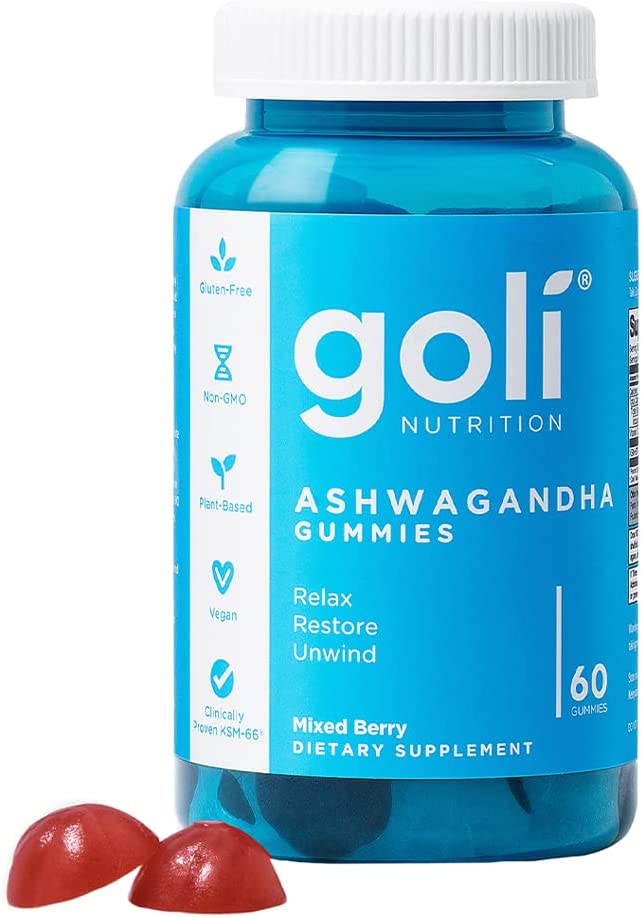
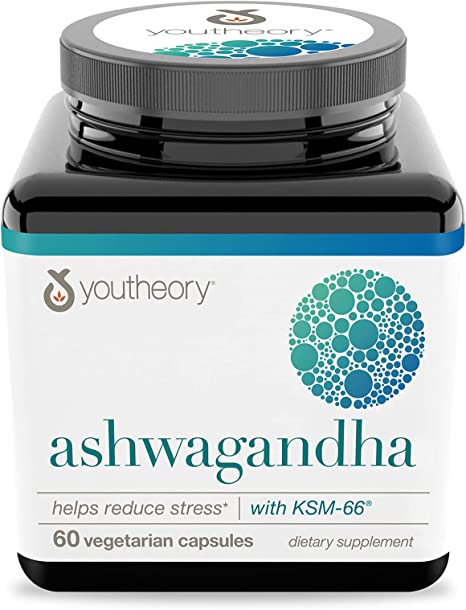
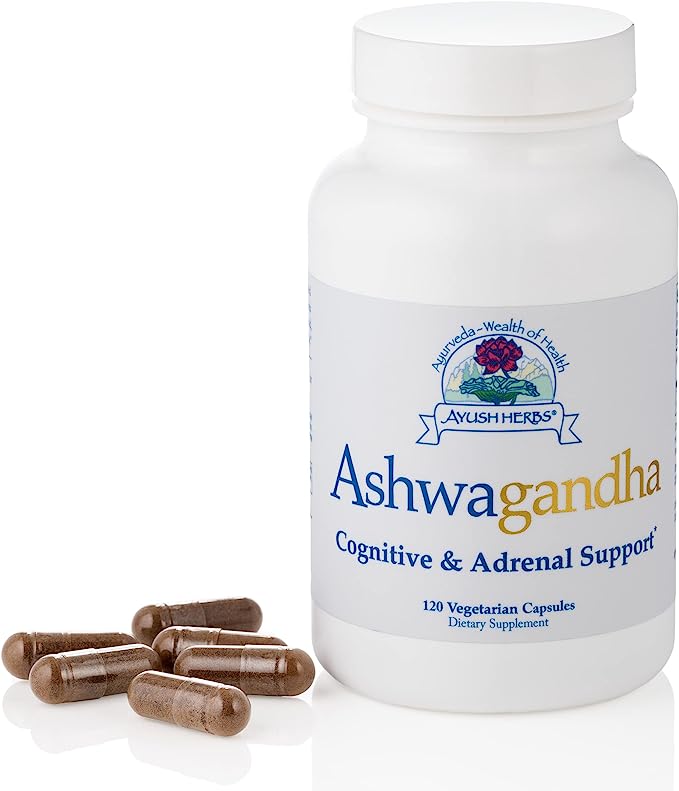
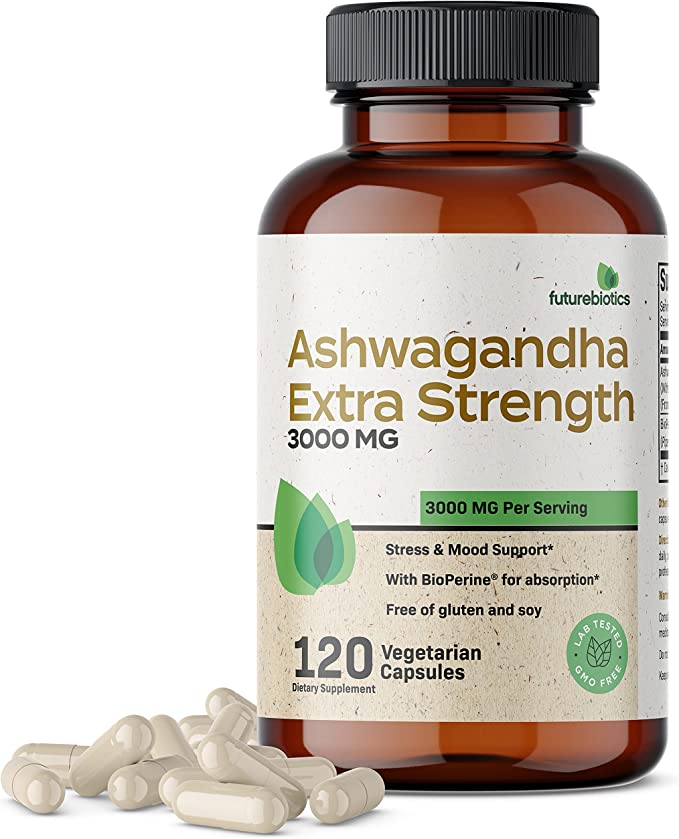
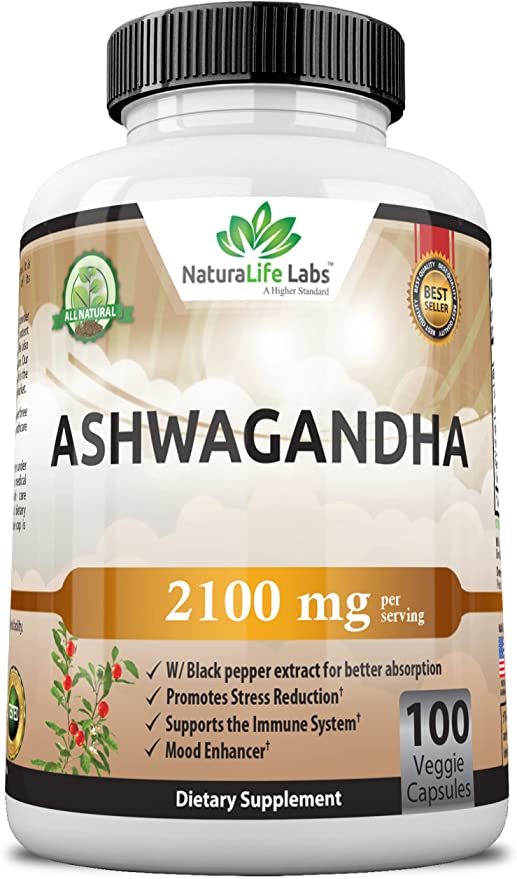
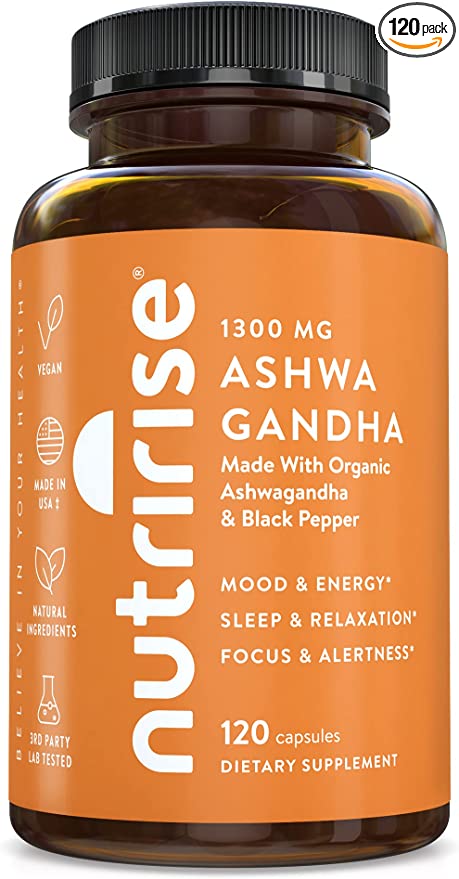
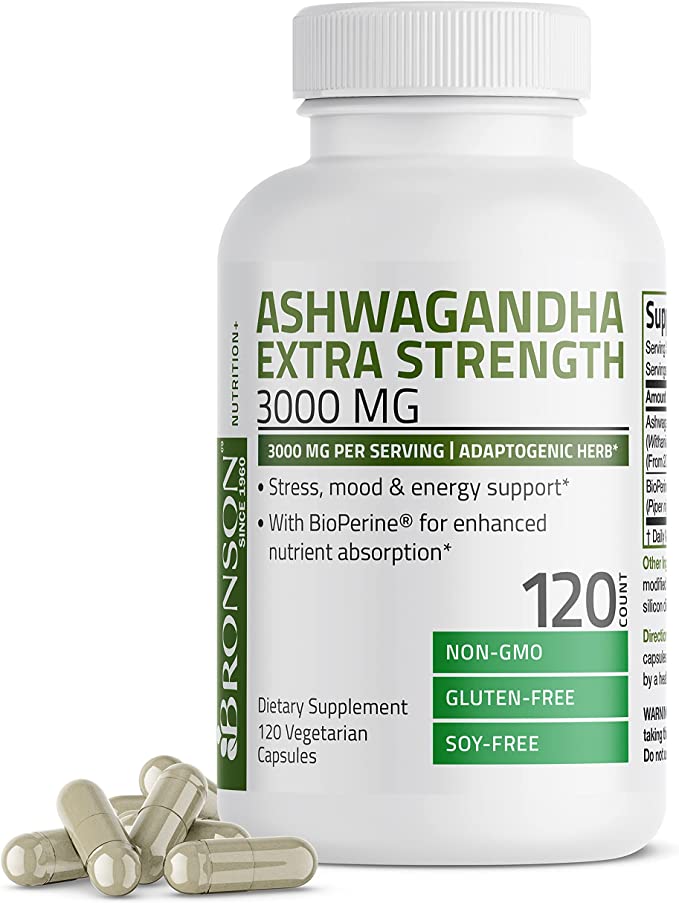
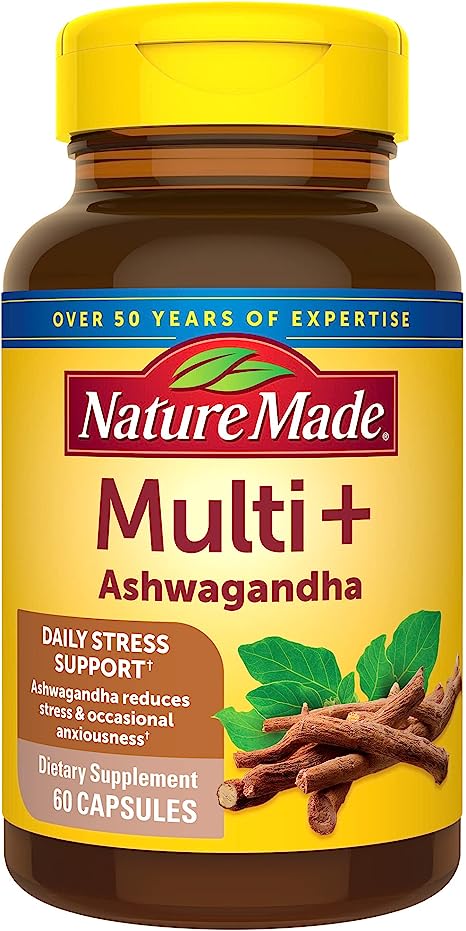
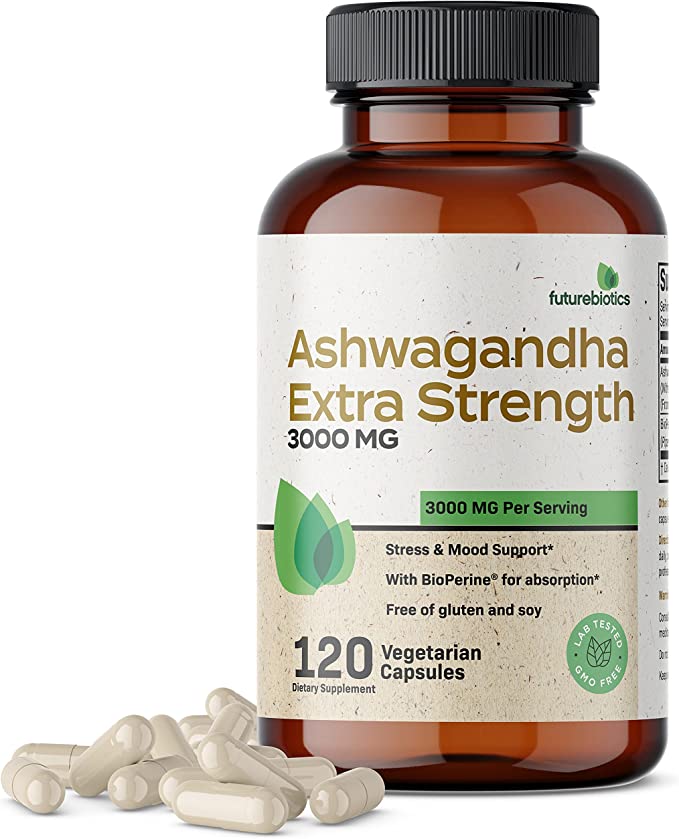
Best Ashwagandha (TOP 5)

What Is Ashwagandha?

Ashwagandha is a small shrub native to the dry regions of India, North Africa, and the Middle East.

It belongs to the Solanaceae family and is also known as Indian ginseng or winter cherry. The plant’s roots and berries are used for their medicinal properties.

Ashwagandha contains several bioactive compounds, including alkaloids, steroidal lactones (withanolides), and saponins. These compounds are believed to contribute to the herb’s therapeutic effects.

Some potential benefits of Ashwagandha include stress reduction, immune system modulation, anti-inflammatory properties, cognitive support, and improved sleep quality.

how long does ashwagandha take to work

Traditional Uses And Cultural Significance

In Ayurvedic medicine, Ashwagandha has been used for centuries to promote physical and mental well-being. It is considered an adaptogen, a substance that helps the body cope with stress and restore balance.

Traditional uses of Ashwagandha include promoting vitality, enhancing memory and concentration, and supporting reproductive health.

Ashwagandha is sometimes used in religious rituals and ceremonies in certain cultures. It may be considered sacred and used to invoke blessings, promote spiritual well-being, or enhance meditation practices.

It is considered an aphrodisiac and has traditionally been used to improve sexual health and vitality in both men and women. It is believed to enhance libido, increase fertility, and improve overall reproductive health.

Understanding Ashwagandha’s Mechanisms of Action

Stress And Cortisol Regulation

One of the key mechanisms by which Ashwagandha exerts its effects is through the regulation of cortisol, a hormone released in response to stress.

Ashwagandha has been shown to reduce cortisol levels, thereby helping to manage stress and promote a sense of relaxation.

Adaptogenic Properties And Their Impact On The Body

As an adaptogen, Ashwagandha helps the body adapt to various stressors, whether they are physical, emotional, or environmental.

It supports the body’s resilience and enhances its ability to cope with stressors, promoting overall well-being.

Effects On Neurotransmitters And Hormonal Balance

Ashwagandha may influence the levels and activity of various neurotransmitters, including serotonin, dopamine, and gamma-aminobutyric acid (GABA). These neurotransmitters play important roles in mood regulation, sleep quality, and overall mental well-being. Ashwagandha may also have a modulating effect on certain hormones, such as thyroid hormones.

Factors Affecting Ashwagandha’s Onset of Action

Dosage And Formulation Considerations

The dosage and formulation of Ashwagandha can significantly affect the time it takes for the supplement to take effect. Different brands and formulations may have varying concentrations of active compounds. It is important to follow the recommended dosage guidelines provided by the manufacturer or consult a healthcare professional for personalized advice.

Experts suggest taking 300-500 mg of Ashwagandha extract twice a day, preferably with meals. It is important to remember that Ashwagandha is not an instant relief herb, and results may vary between individuals. It is generally recommended to take Ashwagandha for at least two to three months to begin to see its full benefits. However, some individuals may experience benefits even after a few weeks of use.

Try Our TOP 5 Pick:

Individual Variations And Genetic Factors

Individual variations, such as body composition, metabolism, and overall health, can influence how quickly Ashwagandha’s effects are felt. Genetic factors may also play a role in how individuals respond to the supplement. Some people may experience the benefits of Ashwagandha sooner, while others may take longer to notice any changes.

Pre-existing Health Conditions And Medication Interactions

Certain pre-existing health conditions and medications can interact with Ashwagandha and affect its onset of action. It is important to consult with a healthcare professional before starting Ashwagandha or any other supplement, especially if you have any underlying health conditions or are taking medications.

Combine Ashwagandha With Other Supplements

Ashwagandha is often used in conjunction with other supplements to boost its effects. Some of the most popular supplements to combine with Ashwagandha include Rhodiola, Ginseng, and Holy Basil. These supplements are also adaptogenic herbs that can help the body deal with stress and anxiety.

How Long Does Ashwagandha Take To Work

Short-Term Effects: Immediate Relaxation And Stress Reduction

One of the most immediate effects of Ashwagandha is relaxation and stress reduction. Studies have shown that Ashwagandha can reduce levels of cortisol, the stress hormone, and increase levels of GABA, a neurotransmitter that promotes relaxation and calms the nervous system. This can lead to an immediate reduction in anxiety and stress levels, as well as promote better sleep quality. However, it is important to note that these effects may vary from person to person.

Medium-Term Effects: Improved Sleep Quality And Mood Stability

With consistent use over a few weeks, Ashwagandha may help improve sleep quality and promote a more stable mood. Some individuals may start to notice these benefits within a month of regular supplementation.

Furthermore, Ashwagandha’s mood-stabilizing effects may help individuals better cope with everyday challenges, promoting a sense of emotional equilibrium. By supporting the body’s stress response mechanisms, Ashwagandha can potentially alleviate symptoms of mild anxiety and depression.

Long-Term Effects: Enhanced Immune Function And Vitality

In the long term, Ashwagandha is believed to have positive effects on immune function and overall vitality. Studies suggest that Ashwagandha can enhance the activity of natural killer cells, a type of immune cell that plays a crucial role in defending the body against infections and diseases. By boosting the immune system, Ashwagandha may contribute to improved overall health and reduced susceptibility to illness.

Additionally, the adaptogenic properties of Ashwagandha may support the body’s resilience and vitality over time. Regular consumption of Ashwagandha has been associated with increased energy levels, enhanced physical performance, and improved stamina. These effects can be particularly beneficial for individuals who lead active lifestyles or experience chronic fatigue.

how long does ashwagandha take to work

Research And Clinical Studies

Many studies on Ashwagandha have utilized animal models or small human trials. While the results are promising, larger and more rigorous clinical trials are needed to establish the effectiveness and optimal dosage of Ashwagandha for specific health conditions.

It is important to acknowledge the limitations of existing research on Ashwagandha. Factors such as study design, sample size, and duration of treatment can influence the outcomes. More research is needed to fully understand the mechanisms of action, dosage guidelines, and potential interactions with other medications.

Factors such as dosage, formulation, overall health, and lifestyle choices can influence how quickly Ashwagandha’s effects are perceived.

Therefore, it is essential to approach personal testimonials with an open mind and remember that results may differ from person to person.

Regardless of the timeframe for Ashwagandha’s effects, it is crucial to practice patience and consistency when using any supplement. Natural compounds often work subtly and gradually, and their effects may build up over time. It is advisable to give Ashwagandha an adequate trial period before assessing its overall impact.

Ashwagandha Benefits For Men

Here are some key benefits of ashwagandha for men:

  • Ashwagandha has been traditionally used to support male reproductive health and testosterone levels. Research suggests that it may enhance testosterone production, which is important for maintaining muscle mass, strength, and overall vitality in men.
  • Ashwagandha has been studied for its potential benefits on male fertility. It may enhance sperm quality, motility, and overall reproductive function. Additionally, it has been shown to reduce oxidative stress, which can be harmful to sperm health.
  • It may enhance muscle strength, increase muscle mass, and improve physical performance. This can be particularly beneficial for men who engage in strength training or other physical activities.

Ashwagandha Benefits For Women

  • Ashwagandha has potential benefits for women’s stress reduction, hormonal balance, energy and vitality, fertility support, cognitive function, and anti-inflammatory properties.
  • It is an adaptogenic herb that helps the body adapt to stress and promote overall well-being, making it useful for women who experience hormonal fluctuations and emotional stress.
  • Women planning to use ashwagandha specifically for fertility concerns should consult with a healthcare professional.

how long does ashwagandha take to work

Conclusion

This blog post answered how long does ashwagandha take to work. While the exact time it takes for Ashwagandha to work may vary depending on factors such as age, dosage, and individual health conditions, it is generally safe to say that most people can expect to see some noticeable improvements in their health and general wellbeing within a few weeks of regular use. However, it is always advisable to consult a healthcare provider before adding any new supplements or herbs to your daily routine, to ensure that they are safe and effective for your specific needs. So, why not give Ashwagandha a try and see the positive changes it can bring to your mind and body!

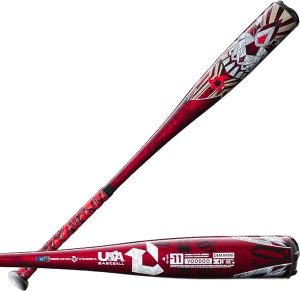
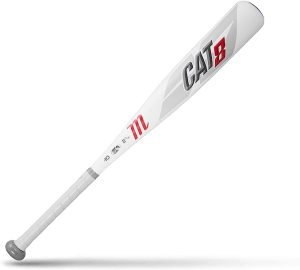
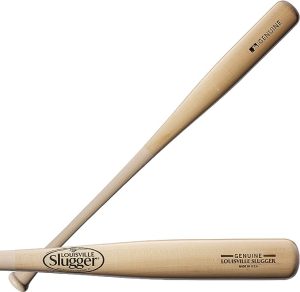
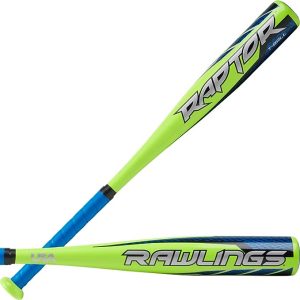
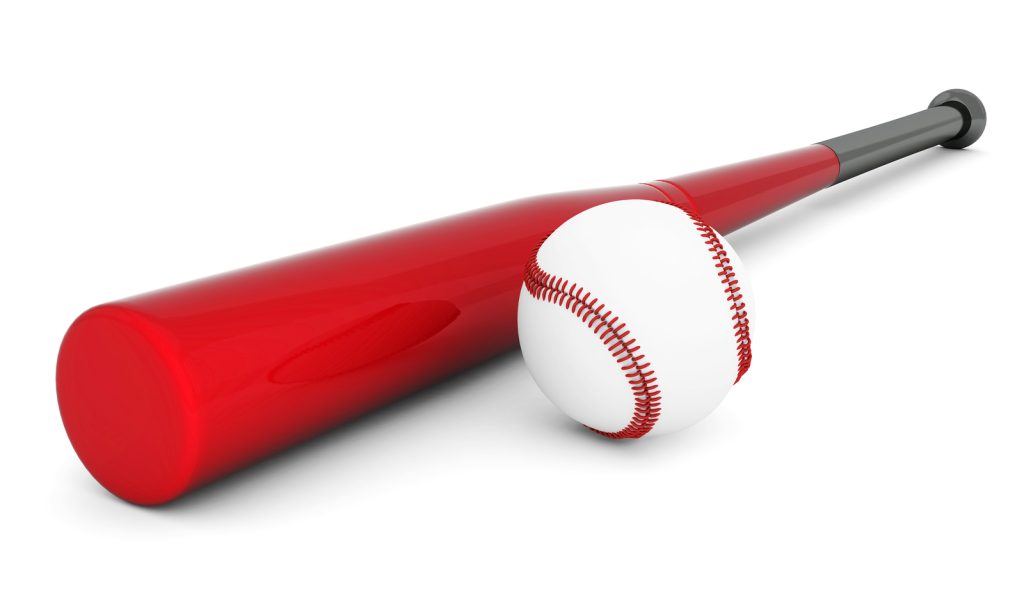
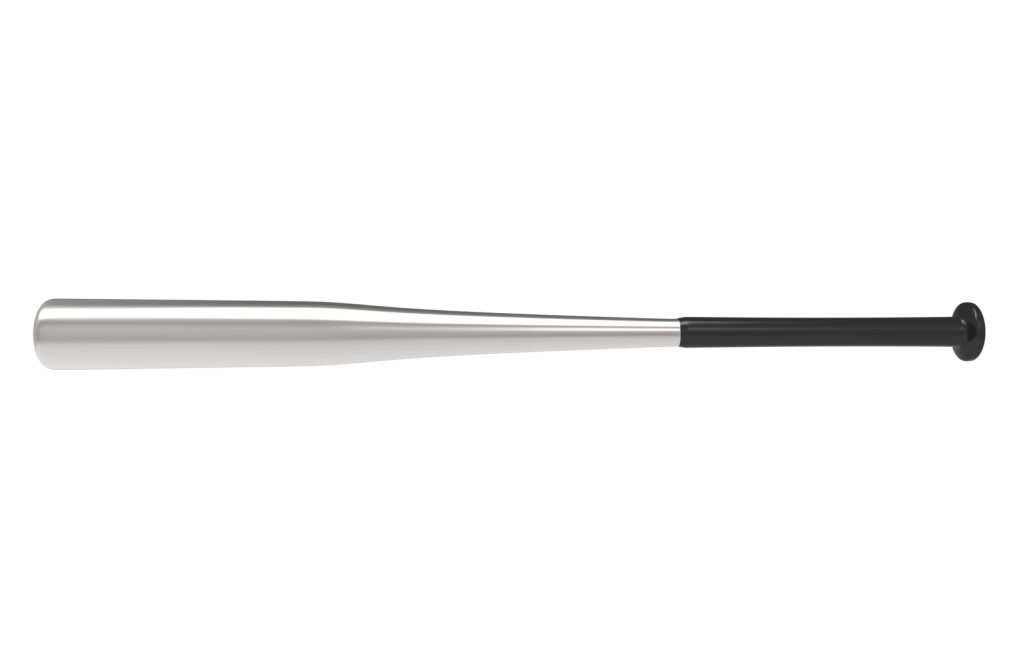
Best Baseball Bats – Buying Guide

0

Finding the right baseball bat can make all the difference in your performance on the field. With so many options available, how do you know which one is the best for you?

Whether you’re a professional player or simply enjoying a casual game with friends, having the best baseball bat can significantly impact your swing, power, and overall game. With numerous brands, materials, and sizes to choose from, it’s essential to make an informed decision.

Best Baseball Bats

To help you in your search for the perfect baseball bat, we have compiled a list of the top contenders in the market. Our article aims to provide you with the necessary information and insights to make an informed decision and step up your game. From wood to composite bats, we will explore the features, performance, and reviews of the finest options available. So, read on to discover the best baseball bats that will take your skills to the next level.

best baseball bats

Factors To Consider When Choosing A Baseball Bat

Before diving into the top baseball bats available, it’s important to understand the key factors to consider when making your selection.

Length: 

The length of a baseball bat is a critical factor that directly affects a player’s swing mechanics. Bats that are too long can be challenging to control, while bats that are too short can limit reach and power.

Finding the right length depends on factors such as height, weight, and personal preference. As a general rule, players should stand in a comfortable stance and hold the bat at their side. A bat that reaches the player’s wrist or just above is usually an appropriate length.

Weight: 

The weight of a baseball bat impacts swing speed, control, and power generation. Players must strike a balance between a bat that is light enough to generate quick bat speed and heavy enough to drive the ball with power.

The weight that works best for a player depends on factors such as strength, swing mechanics, and personal preference. Younger players generally benefit from lighter bats, while more experienced players may opt for heavier ones.

Material: 

Baseball bats are typically made of wood or metal alloys. Wood bats offer a traditional feel and are favored by professional players, while metal bats are more durable and provide greater hitting distances.


Barrel Diameter: 

The barrel diameter refers to the thickness of the bat’s hitting surface. Different leagues have specific regulations regarding barrel diameters, so it’s crucial to ensure compliance.

Barrel diameter also affects the bat’s sweet spot, which is the area on the barrel that produces maximum power upon contact. Larger barrel diameters tend to have bigger sweet spots, resulting in greater forgiveness for off-center hits.

League Regulations: 

Different baseball leagues, such as Little League, high school, and college, have specific bat regulations that must be followed. It is essential to check the league’s guidelines regarding bat materials, length, weight, and barrel diameter to ensure compliance. Ignoring these regulations could lead to penalties or disqualification.

best baseball bats

Top Baseball Bats In The Market

Now that we have explored the key factors in choosing a baseball bat, let’s delve into some of the top choices available on the market today. Please note that the following bats are popular and highly regarded; however, individual preferences may vary.

Louisville Slugger Genuine Mix Baseball Bat

The Louisville Slugger Genuine Mix Unfinished Natural Clear Baseball Bat is a high-quality wooden bat designed for baseball players of all skill levels. With its mixed-turning model, this bat offers a unique and diverse design that enhances performance on the field.  

 Product Features:

  • Made from Series 3X wood, providing durability and strength to withstand powerful swings.
  • The natural finish handle offers a comfortable grip for precise control and improved accuracy.
  • The clear topcoat barrel enhances the appearance of the bat while providing extra protection from wear and tear.
  • The cupped design allows for balanced weight distribution, resulting in faster swing speeds and increased power.
  • With a length of 31 inches, this bat is ideal for players who prefer a slightly shorter and more maneuverable bat.
  • Crafted by Louisville Slugger, a trusted and renowned brand in the baseball industry.
  • Suitable for use in all levels of play, from youth leagues to professional competitions.
  • Unfinished design allows for customization, allowing players to personalize the bat to their liking.

Rawlings | Raptor T-Ball Bat

The Rawlings Raptor T-Ball Bat is the top choice for entry-level players looking to improve their game with soft-core tee balls. Designed with the perfect combination of power and control, this bat features a larger sweet spot and is easy to swing, making it ideal for youth T-ball players aged 7 and under.

Product Features:

  • Perfect for entry-level players using soft-core tee balls.
  • Designed with the perfect combination of power and control.
  • Larger sweet spot for improved contact with the ball.
  • Easy to swing for young T-ball players.
  • Faster swing speeds due to light bat drop weight.
  • Durable 1-piece alloy construction.
  • Vibrant electric blue and lime green design.
  • USA Baseball approved for all T-ball leagues.
  • 12 Drop weight for easier swinging

Easton | REFLEX Baseball Bat 

The Easton REFLEX Baseball Bat is the ultimate choice for young players looking to maximize power and contact. Engineered with Hyperlite Composite, the lightest composite material, this bat is the fastest swinging youth bat in the game.

Product Features:

  • Maximum power and contact for young players.
  • Engineered with Hyperlite Composite for the fastest swing.
  • Lightweight and durable ALX100 Performance Alloy construction.
  • Provides premium durability and balance.
  • Extra stiff handle built from 90% carbon fiber.
  • Provides an ultra-solid feel and reduces vibration.
  • Speedc Cap for a more flexible and responsive barrel.
  • Gives a natural sound on impact.
  • Approved for use in all USA sanctioned leagues.
  • Barrel size of 2 1/2 inches.
  • Drop weight of -12 for easier swing.

2023 DeMarini Voodoo One (-11) USA Youth Baseball Bat 

The 2023 DeMarini Voodoo One is a high-performance youth baseball bat designed for elite power hitters. It features a one-piece construction for maximum stiffness, ultimate bat speed, and an ultra-responsive feel. The bat has a 2 5/8″ barrel diameter and is approved for USA baseball. 

Product Features:

  • One-piece construction for maximum stiffness and ultimate bat speed
  • A massive alloy barrel designed specifically for elite power hitters, providing a larger sweet spot and improved performance
  • Composed of lightweight composite materials to enhance bat speed while maintaining powerful barrel performance
  • 2 5/8″ barrel diameter
  • Approved for USA baseball
  • Balanced swing weight for improved control and accuracy
  • Available in a 26″/15 oz size option for youth players
  • Designed for optimal performance and durability
  • Perfect for competitive youth baseball leagues and tournaments 
  • Complies with all USA baseball standards and regulations

Marucci CAT8 -10 USSSA Junior Big Barrel

The Marucci CAT8 USSSA Junior Big Barrel bat is designed for young players who are serious about their performance. With a multi-variable wall design, this bat creates an expanded sweet spot and thinner barrel walls that are more forgiving after off-centered contact, resulting in improved performance and enhanced hitting ability. 

 Product Features:

  • Designed for young players who desire top performance.
  • Multi-variable wall design for an expanded sweet spot.
  • Thinner barrel walls for forgiveness after off-centered contact.
  • One-piece alloy construction for a clean and consistent swing.
  • Micro-perforated soft-touch grip with extra tack for improved feel and control.
  • 2 3/4″ barrel size for enhanced hitting ability.
  • USSSA certified for use in USSSA leagues and tournaments.

best baseball bats

FAQs

What Is The Best Wood For Baseball Bats?

The best wood for baseball bats often depends on personal preference and the player’s style of play. However, some common woods used for baseball bats include ash, maple, and birch.

  • Ash bats are known for their flexibility and lightness, making them ideal for hitters who prioritize bat control and speed.
  • Maple bats are preferred by many professional hitters for their hardness and durability, which translates to more power and less barrel flex.
  • Birch bats offer a balance between ash and maple, combining the flexibility of ash with the durability of maple.

Ultimately, the best wood for a baseball bat is subjective and should be chosen based on the individual player’s needs and preferences.

Who Makes The Best Wood Baseball Bats?

Determining who makes the best wood baseball bats is subjective and can vary depending on individual preferences and needs. Several companies are renowned for producing high-quality wood bats, such as Louisville Slugger, Marucci, and Chandler Bats. These companies have a proven track record of craftsmanship, using top-quality materials, and incorporating innovative designs. 

Wrapping Up

Choosing the best baseball bat is a personal decision that depends on various factors, including player preference, skill level, and league regulations. By understanding the construction of different bat materials, considering key factors like length, weight, and barrel diameter, and exploring the top choices available on the market, players can find a bat that enhances their performance and maximizes their potential.

Remember, the right bat is not a magic solution but a powerful tool that, when combined with dedication and practice, can unlock new levels of success on the baseball field.

So swing for the fences, make your choice wisely, and let your true potential shine through the perfect baseball bat.