Home Blog Page 16

Is Pole Dancing A Sport?

0

There is a heated debate in the sports industry about whether pole dancing is a sport or not because many people claim that pole dancing is not a sport. In this article, we will go through all the details about pole dancing and the measures taken by the organizations in charge and conclude whether pole dancing is worth calling a sport.

Let’s dive in.

What is Pole Dancing?

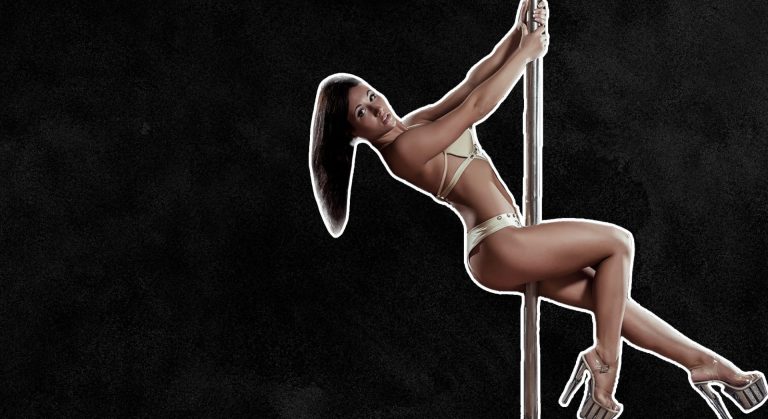
Pole dancing is one of the most prevalent pole sports that are in practice today. It involves dancing and doing acrobatics like spins, climbs, twists, and body inversions using a vertical metal pole.

It is a form of performance art that presses for a great deal of agility, flexibility, strength, endurance, and balance.

Men and women of all age groups and physical abilities are part of pole-sport athletes. Moreover, pole dancing competitions are held on individual and team levels, where they are judged based on the types of moves, expressiveness, and degree of difficulty.

In the 1990s and 2000s, poling developed into a fitness activity, and sport and many national and international competitions were being held. In 2009, the International Pole Sports Federation (IPSF), the highest governing body of pole sports, was established.

This non-profit organization has been promoting the pole as an athletic sport since then.

History

From fertility dances in Africa to acrobatic performances in China and India, tracing back to 800-900 years ago, pole dancing has its roots in different cultures and regions.

In China, pole dancing started as circus performances as martial arts to showcase the core strength with a range of entertaining tricks incorporating a pole.

This performance is referred to as a Chinese pole usually, two or four poles 3-9 meters high are placed next to each other.

Objectives

Pole dancing is a great fitness activity that promotes flexibility and strengthens the core and arms. In pole competitions, the athletes use multiple movements to perform acrobatics like flips, spins and split on the metal pole. Also, the athlete performs routine music.

Rules and Regulations

Pole sports athletes must follow the rules and regulations when performing in pole competitions. It includes:

  • To avoid slipping off the pole, athletes must ensure their arms, hands, ankles, feet, and knees are exposed while the palms of their hands are entirely dry.
  • Do not wear moisturizer that can cause slipping.
  • Do a force test on the pole to make sure it is not wobbly or loose and is fixed correctly in its place.
  • Crash and spotters mats are recommended when for beginners.
  • Stretch your entire body beforehand.
  • Avoid wearing jewellery that scratches the poles.

What are the Pole Dancing Events and Competitions?

Although pole sports competitions are held globally, there is still a debate over whether pole dancing is a sport.

To date, pole dancing is not included in the Olympics Games. However, IPSF is taking necessary steps IPSF and higher organizations are giving positive responses in this regard.

Moreover, here is a list of national and international pole sports competitions held every year:

World Pole and Aerial Champions

World Pole and Aerial Championships are held annually, where 25+ competitions are arranged, and more than 5,000 athletes compete against each other.

International Pole Championship

IPC is held every second year by the International Pole Dance Fitness Association. Pole dancers are credited exclusively for their unique tricks, skills, showmanship, dance skills, and overall performance by an experienced panel of judges.

American Pole League Championships

American Pole League represents the pole and aerial athletes of the US, and IPSF officially recognizes it.

Every year, APL holds a national championship and qualifies athletes for the international level annual in the World Pole Sports Championship. It was first held in 2015 and has been continued since then.

What Are the Benefits of Pole Dancing

1. Increased strength:

Pole fitness incorporates all the body muscles and is a full-body workout, engaging multiple muscles at once.

It is ideal for building strength in your back, biceps, triceps, and forearms to be able to perform acrobatic tricks while performing. Moreover, pole dancing also gives you a strong core and legs.

2. Cardiovascular health:

Combining pole dancing into your daily routine helps improve your cardiovascular health by decreasing the risk of type 2 diabetes, heart disease, and certain cancers. Pole dancing keeps your heart rate up and involves the entire body.

3. Coordination and balance:

Coordination and balance are vital for overall quality of life because they keep you upright. What’s surprising is that pole dancing can help you train your balance and coordination.

It is because, in this sport, you have to balance yourself against the pole and coordinate your movements for an effortless performance.

4. Weight loss:

Pole dancing implicates activities like lifting, climbing, and holding that help you burn off calories.

Increasing and consistently maintaining physical activity boosts your basal metabolic rate.

Moreover, pole dancing results in burning excess fat and building muscle mass. So, it is an excellent option if you wish to become leaner.

5. Increased flexibility:

Engaging in physical activities is necessary to keep your joints and body flexible.

Otherwise, a lack of mobility in the body can cause poor posture, cramping, and an increased risk of injury, eventually leading to chronic joint issues. Therefore, pole fitness massively increases flexibility as you train your muscles am joints.

Recognition of Pole Dancing as a Sport

Is pole dancing considered a sport?

Pole dancing is often associated with erotica, stripping, and performance art of lightly dressed women in nightclubs.

Pole dancers and the sport itself have to face many prejudices. However, this trend is making a positive change.

Now, pole dancing is gaining well-deserved recognition as a competitive pole sport on an international level. The sport has two disciplines: static pole and spinning pole.

Is pole dancing a sport in Olympics?

The monumental efforts of the International Pole Sports Federation have helped pole dancing gain official observer status from The Global Association of International Sports Federation (GAISF), which is the umbrella organization housing all Olympic and non-Olympic sports.

It is the first big step towards gaining recognition from the International Olympic Committee (IOC) and making it an Olympic sport.

Conclusion

From the above discussion, pole dancing deserves official recognition because it comprises all the necessary aspects that any sport demands.

With slow and steady steps, pole dancing will eventually achieve the status of an Olympic sport shortly.
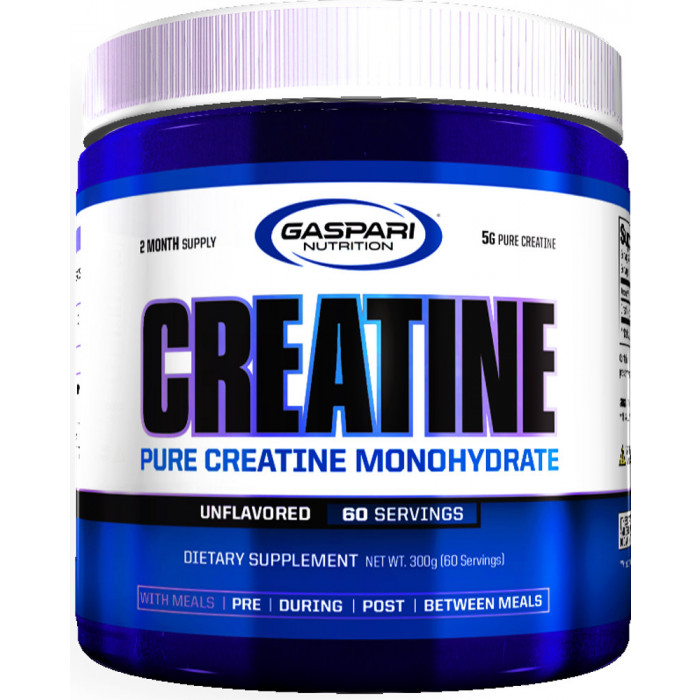
Creatine vs Creatinine: All You Need to Know

0

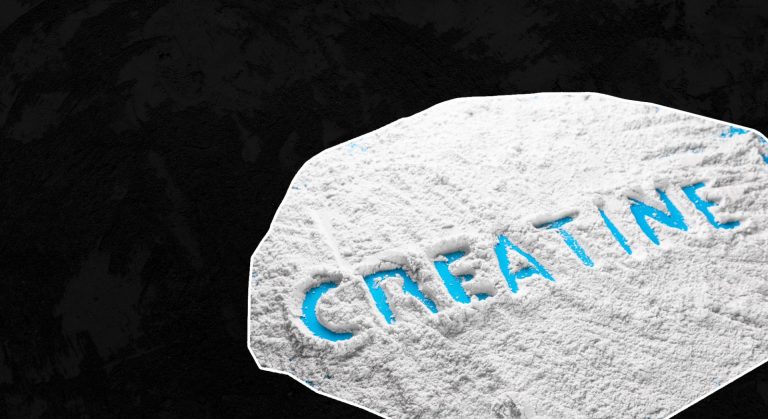
Creatine is a naturally occurring molecule found in the body and it helps to fuel your muscles during intense physical activity. It is also available as a dietary supplement, and millions of people use it around the world for its numerous health benefits. In this article, we will discuss the difference between creatine vs creatinine. Read on to find out everything you need to know.

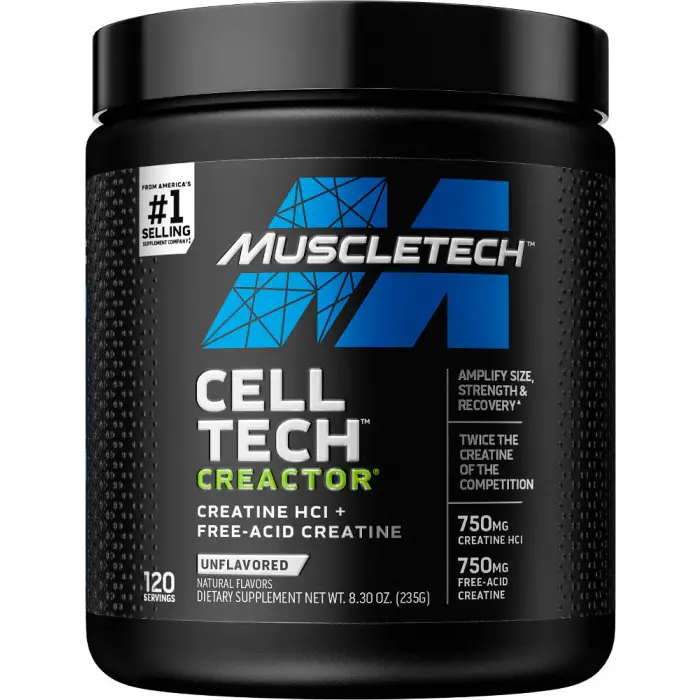
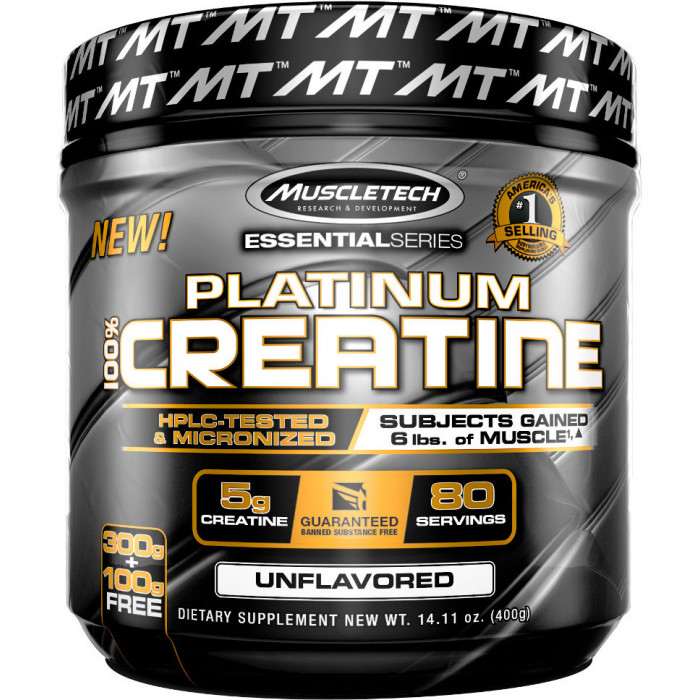
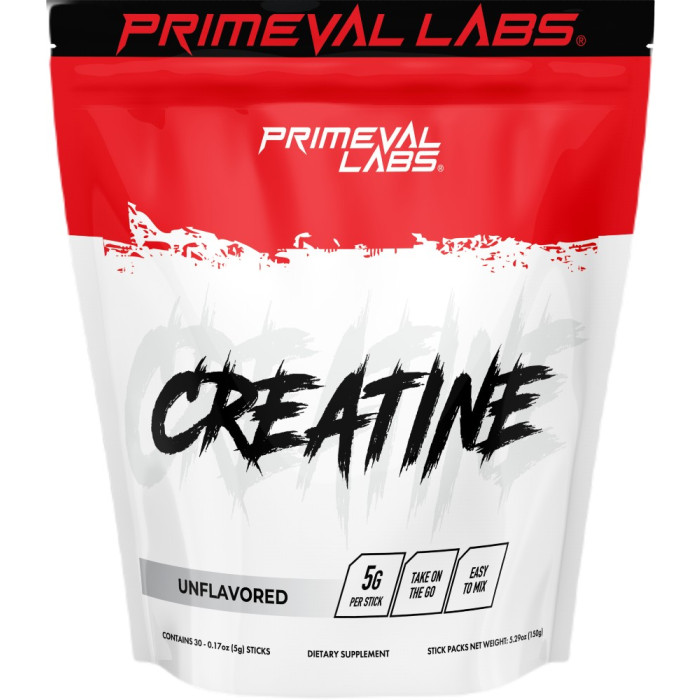
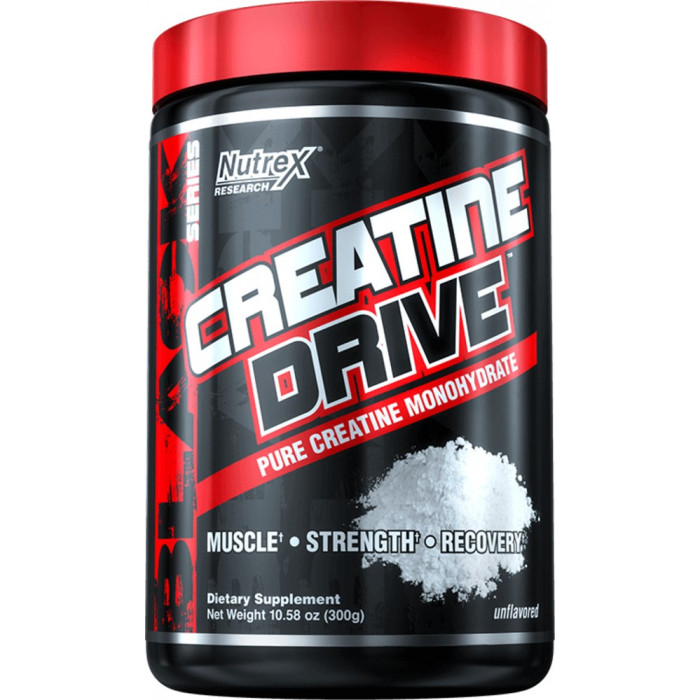
Best Creatine Supplements

What Is Creatine?

Creatine is a substance that is found in the human body and is used by the muscles for energy.

It’s a compound that occurs naturally in muscle tissue.

It supplies energy to cells throughout your body, primarily skeletal muscle cells.

During times of high-intensity physical activity or exercise, your body uses up energy stored in these cells in the form of ATP (adenosine triphosphate).

When ATP runs out, your body relies on creatine to replenish its energy stores and sustain further activity.

Sources of Natural Creatine

Creatine is found in animal-based foods such as red meat, poultry, fish and other seafood. Other dietary sources include eggs and dairy products.

The average adult consumes between 1–2 grams of creatine per day from food sources alone.

However, if you are looking to increase your intake beyond this amount then taking a creatine supplement may be an option for you.

Benefits of Taking Creatine

The primary benefit associated with taking creatine supplements is increased muscle mass due to improved muscle protein synthesis (MPS).

MPS is the process by which proteins are broken down into their constituent amino acids and reassembled into new proteins within muscle cells.

This leads to greater gains in lean muscle mass over time when combined with regular exercise and proper nutrition.

Additionally, research has shown that taking creatine can improve strength and power output during resistance training exercises as well as reduce fatigue and post-workout soreness.

Uses for creatine include:

  • improving sport performance
  • treating certain medical conditions
  • and preventing muscle fatigue

Lastly, some studies have suggested that supplementation may also improve sport performance overall as well as provide treatment for certain medical conditions such as Parkinson’s Disease or muscular dystrophy.

Creatine vs Creatinine

Creatine and creatinine are two related substances that can be found in the human body. While the two substances have some similarities, there are also important differences between them.

Creatine is an organic compound found naturally in the body and it plays a role in muscle energy production while creatinine is a secondary product of creatine metabolism and its main function is as a measure of kidney functioning.

Creatinine is basically a waste product of creatine and is removed from the body by the kidneys.

Creatine often needs to be supplemented in diet, whereas creatinine is produced internally.

Additionally, creatine comes with potential side effects, whereas excess creatinine can be eliminated through urine and therefore has no harmful effects.

Ultimately, understanding the differences between creatine vs creatinine can help inform both diet and medical choices surrounding muscle energy production.


Creatine

Creatine is an amazing substance found in the human body, and it plays a vital role in muscle energy.

It acts as an energy reserve for muscles, enabling them to produce more force so that they can grow and develop.

Creatine intake increases glucose utilization, ultimately providing more energy which not only helps build muscles but also contributes to enhanced performance and stamina in workouts.

Additionally, creatine has been seen to provide mental clarity during high-intensity training sessions by enhancing focus and alertness while reducing fatigue.

Through its ability to increase energy production and drive, creatine provides the body with what it needs to push through physical strain and reach those fitness goals.

Creatinine

As we said, creatinine is a waste product formed from creatine, an amino acid produced by creatine kinase and stored in skeletal muscle.

Our bodies eliminate creatinine through the kidneys in a process called filtration.

Healthy kidneys can produce concentrated urine that effectively filters out creatinine to maintain proper fluid balance throughout the body, ensuring that our organs are functioning well.

When creatinine is not sufficiently removed from the system, unfavorable health conditions such as kidney problems may occur.

Therefore, it is important to manage creatinine levels within your body and stay alert for any abnormalities. There are tests that will tell you how much creatinine you have in your body.

Potential Risks of Taking Too Much Creatine

Although not common, there are some potential risks associated with taking too much creatine including kidney damage or gastrointestinal problems such as nausea or diarrhea.

Additionally, some users have reported experiencing muscle cramping or injury due to overloading their muscles with too much creatine at once without allowing them time to rest properly between workouts.

It’s important to note that most cases of adverse side effects occur when users take more than 20 grams per day of the supplement which exceeds recommended dosage levels by health organizations such as the American Dietetic Association or National Institutes of Health (NIH) (trusted source).

Conclusion

In conclusion, creatine can be a beneficial supplement for those looking increase strength and power output during workouts or improve athletic performance overall when taken responsibly according to recommended dosage levels set forth by health organizations like the American Dietetic Association or National Institutes of Health (NIH).

As long as users follow these guidelines then they should experience all the benefits without any adverse side effects associated with excessive doses such as kidney damage or gastrointestinal problems like nausea or diarrhea.

That said, it’s always best to consult with a doctor before beginning any type of supplementation regimen so they can help ensure you are making safe decisions regarding your health and wellbeing!


Pause Squats for Strength? (CHECK BENEFITS)

0

Pause squats are a great way to increase the intensity of your strength-training routine. This type of squat requires you to pause at the bottom position of the movement, which engages more muscles and increases your power output. In this article, we will discuss why these squats are beneficial and look at different variations that you can try. We will also provide a few tips on how to do pause squats safely and effectively.

What Are Pause Squats?

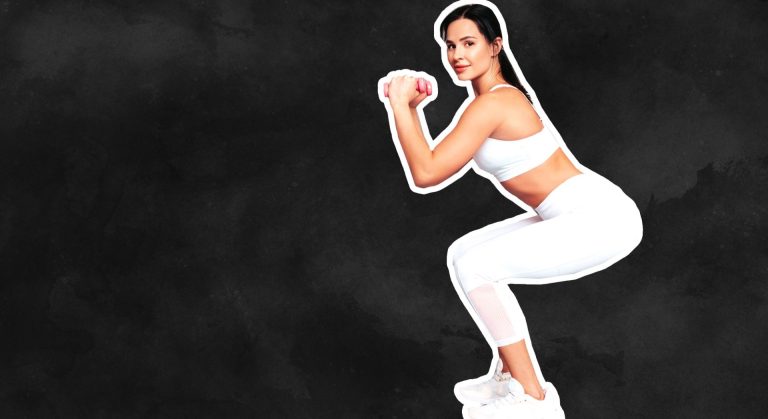
Pause squats require you to hold the bottom position of the squat for a short period before standing back up.

This can be done with either free weights (barbells or dumbbells) or body weight alone.

This type of effective exercise, when done correctly, can significantly strengthen the muscles of the lower body and improve overall balance.

In fact, pause squats can be especially beneficial for developing proper movement patterns in daily activities (trusted source).

When you pause at the bottom of each squat repetition, it increases your time under tension, leading to improved muscular development, as well as greater strength endurance over time.

Additionally, by pausing at the bottom of each rep.

This will help with promoting good form and technique to reduce your risk of injury.

Therefore, if you’re looking to increase strength and muscular control through a safe yet effective exercise movement pattern, then pause squats should definitely be added into your fitness routine!

The amount of time that you pause in the bottom position can vary from one second to 10 seconds, depending on your goals and fitness level.

Check our article: How To Squat

The Benefits Of Pause Squats

Pause squats are an effective way to increase muscle activation, power output, and overall strength.

By pausing at the bottom of the movement, you engage more muscles than a regular squat, including those in the glutes and hamstrings which are often overlooked in traditional squatting movements.

Additionally, since this squat technique requires more control than regular squats, they can help improve core stability as well as balance and coordination.

Different Types Of Pause Squats

There are several different types of pause squats that you can incorporate into your training program:

  • Tempo pause squat – This variation requires you to count a specific tempo (e.g., 3-2-1) during each repetition while pausing at the bottom for two seconds before standing up again.
  • Deep pause squat – Here, you need to descend lower than normal before pausing for three seconds in the bottom position before standing back up again.

Goblet Squats

Goblet squats can be a great way to reap the benefits of pause squats without the heavy weight of traditional barbell squats.

Focusing on maintaining proper form and posture while letting your muscles come to rest between reps, goblet pause squats are great for beginners and elite athletes alike.

They can help to improve technique, increase muscle activation, build strength and power, and result in greater hypertrophy overall.

Often used as an accessory exercise in training programs, goblet squats are a great tool to help you reach your fitness goals in a safe and effective manner.

Pin vs Barbells Pausesquat

You can use either pin squats or barbells pause squats depending on which equipment is available to you or what kind of challenge you want from your workout routine.

Bulgarian Split Pausesquat Boxes

You can use boxes or benches of varying heights when doing Bulgarian split pause squats to adjust the range of motion according to your needs and preferences.

Goblet Pausesquat Without Weights

If you don’t have access to weights or would prefer not to use them, then try doing goblet pause squats without any additional resistance.

Muscles Worked by Pause Squats

These squats target several major muscle groups including:

  • Quadriceps
  • Glutes
  • Hamstrings
  • Lower back

Potential Drawbacks To Consider

While this technique offer many benefits when done correctly, there are potential drawbacks that should be kept in mind when performing this exercise:

  • Safety considerations – Make sure that proper form is maintained throughout each rep so as not to put unnecessary strain on any part of your body
  • Risk of injury from incorrect form – It’s important to start off with lighter weights until proper form has been mastered

Step-by-Step Procedure For Proper Technique

  • Start by positioning yourself under a barbell or holding two dumbbells
  • Take a deep breath and exhale as you lower into a full squat
  • Descend no further than 90 degrees
  • Hold this position for 2-3 seconds
  • Push through your heels as you stand back up slowly
  • Repeat this procedure for 8-10 reps

Tips For Avoiding Common Mistakes

  • Make sure that your chest is up throughout each rep
  • Avoid rounding your upper back
  • Pay attention to progression in weight and reps programming
  • Ensure that proper form is maintained throughout each set

Understanding The Benefits Associated With Pause Squat

  • Increase muscular endurance
  • Improve power output
  • Strengthen core stability
  • Promote balance & coordination
  • Enhance overall strength
  • Increase muscle activation

Recap

Pause squats are becoming increasingly popular among strength training enthusiasts as an incredibly efficient way to build explosive power and muscle size.

There are many types of pause squats to choose from, with notable variations including:

  • the tempo pause squat
  • the deep pause squat
  • barbell goblet pause squat
  • Bulgarian split squat
  • and even pause squats without weights.

Doing bulgarian split squats can provide various benefits such as strengthening your quads, glutes and hamstrings while also improving stability and reducing the risk of injuries.

Additionally, they offer a great challenge for those who want to take their leg workouts to the next level by engaging more muscles than regular squats.

Overall, including different kinds of squats in your training program can be very beneficial and should be considered by anyone who is serious about boosting their leg strength capacity.

Conclusion

In conclusion, this different form of squats offers many benefits when done correctly such as increasing muscular endurance, improving power output and strengthening core stability.

However, it’s important to pay attention to progression in weight and and understand the benefits of pause squats.

Bad Chest Genetics – Tips for Building a Stronger Chest

0

For many people, having a great-looking chest is the ultimate goal. Whether you’re trying to get a six-pack or just want to look good shirtless, everyone wants a well-developed upper body. But for some, achieving that perfect chest can seem impossible.

Genetics plays an important role in our body shape and size, and this holds for your chest as well.

So if your chest isn’t developing the way you’d like it to, you may have bad chest genetics. Let’s explore what this means and how you can work around bad chest genetics so you can still achieve the look you want. 


The Muscles Of The Chest 

The human chest consists of three main muscle groups.

Pectoralis major (the large fan-shaped muscle in the center), the pectoralis minor (the smaller triangular muscle situated just above the pectoralis major), and the serratus anterior (a thin fan-like muscle located along both sides of the ribcage).

Each of these muscles plays an important role in supporting your posture and providing upper body strength. Together they form what is known as your “chest wall”.

bad chest genetics

What Does It Mean To Have Bad Chest Genetics? 

Bad chest genetics can be an unfortunate and intimidating reality for those struggling to achieve their physique goals. Chest genetics refers to the structure of the chest muscles; some individuals are genetically predisposed to have a certain shape or width, which may make it more difficult for them to subdue certain areas in their upper body during a workout. 

The pecs (pectoral muscles) come in various shapes and sizes that depend heavily upon one’s genetics—from short and wide, to long and thin, or vice versa—which can make training this muscle group a challenging endeavor.

GENETICS ASIDE, THINGS LIKE AGE, SEX, NUTRITION LEVELS, AND LIFESTYLE CAN ALL PLAY A ROLE IN DETERMINING THE HEALTH OF ONE’S CHEST.

Having bad chest genetics means that due to your natural genetic makeup, it will be more difficult for you to build a well-developed upper body than someone who has good genetics in this area. This doesn’t mean that it’s impossible – far from it!

But it does mean that you may have to work harder and smarter than other people do to see results from your workouts. 

5 Telltale Signs of Bad Chest Genetics 

Narrow Gap Between Pecs 

In most cases, when someone has poor genetics for their chest, they will have a narrow gap between the two pecs. This can be noticeable in either flexed or relaxed states as the two pecs will not spread apart much due to limited muscle insertions.

It is important to note that this isn’t always indicative of bad genetics as some bodybuilders naturally have a smaller gap between their pecs even with excellent training and nutrition habits. However, if you find yourself struggling to increase the width of your chest despite lots of hard work in the gym, then it could be an indication of poor chest genetics. 

Poor Upper Chest Development 

Another indication that you may have poor genetics for your chest is if you experience difficulty developing your upper pec area. This can often be seen in people who possess long clavicles or wide sternums—two features that can limit upper chest development even with proper exercise form and intensity levels in the gym.

If you find yourself having trouble building up your upper pec region no matter what exercises you do or how hard you train them, it may be an indication that your upper chest genetics aren’t ideal for building size there. 

bad chest genetics

Difficulty Growing Lateral Lower Chest Area 

The last sign that you may possess poor chest genetics is if you are unable to grow your lateral lower pec area adequately no matter what exercises or intensity levels are used in the gym.

This often occurs due to decreased muscle insertions along this region which limits its growth potential compared to other areas of the pec such as the central lower chest area which typically responds better to training than its lateral counterpart does due to increased muscle insertion points located there instead. 

Clavicle Length 

One of the most obvious signs of bad chest genetics is clavicle length. This refers to the distance between your sternum and your clavicles (collarbones). Generally speaking, if your clavicles are too long, it can be difficult for you to build a full upper chest due to a limited range of motion when performing exercises like incline presses.

That being said, even if your clavicles are longer than usual, you can still work around this limitation and build a full upper chest with consistent effort and proper form. 

How To Get The Chest You Want Despite Genetics 

Focus On Nutrition 

The first step is understanding why it’s more difficult for those with bad chest genetics to build muscle in their upper bodies. In short, muscles require proteins to build themselves up and develop new tissue; however, those with bad genetics are not able to absorb these proteins as efficiently as those with good genetics can.

NUTRITION IS KEY WHEN IT COMES TO BUILDING MUSCLE MASS, ESPECIALLY IF YOU HAVE BAD CHEST GENETICS.

Eating the right amount of protein is essential for your body to build new muscle tissue efficiently and quickly, so make sure that you are getting at least 1 gram of protein per pound of body weight each day (and more if possible).

Eating enough carbs will also provide your body with energy during workouts, so don’t skimp on these either. Finally, eating healthy fats will ensure that your testosterone levels remain high which is important for building a toned chest.  

Train For Strength And Quality Of Movement 

In addition, those with bad genetics need to focus on compound exercises such as bench presses and push-ups rather than isolation exercises such as bicep curls or triceps extensions (though these should still be included in your workout program).

Compound movements target multiple muscle groups at once which helps maximize the number of muscle fibers used during each exercise session; this is especially important for those with less efficient muscle-building processes due to their genetic makeup. 

You should try to find the weight that allows you to do 8-12 reps with good form and build from there. Doing this will put less strain on your joints while still allowing for adequate muscle activation.

You should also include both compound movements such as bench press and incline press as well as isolation exercises like cable flyes to maximize muscle growth. 

Rest And Recovery 

It’s easy to forget about rest days when trying to build a better chest physique—but you must take one or two days off from training each week for your muscle time to recover properly after hard workouts.

Additionally, make sure that you are getting 8 hours of sleep each night; this is when the majority of muscle growth takes place! 

What Are The Exercises For Bad Chest Genetics

bad chest genetics

Bench Press

The bench press is one of the most popular chest exercises, and for good reason – it targets your entire upper body in one movement. If you have bad chest genetics, it may be difficult to see results from this exercise, but it is still worth trying as it can help build strength and size in other areas of your upper body.

Additionally, if you use proper form when doing the bench press (feet flat on the floor, back flat against the bench) then you can minimize any potential risks associated with this exercise.

Incline Bench Press

The incline bench press is similar to the regular bench press but instead of lying flat on a bench, you will be positioned at an angle (usually 30-45 degrees). This angle targets your upper chest more than the regular flat bench press and therefore can be more beneficial if you have bad genetics.

As with any exercise, make sure that you use proper form when performing this lift – feet firmly planted on the ground, back supported by the incline bench.

Decline Bench Press

The decline bench press is another variation of the traditional bench press but instead of being positioned at an angle like with the incline version, you will be in a reclined position where your feet are higher up than your head.

This variation really targets your lower chest muscles so it’s ideal for those who struggle to see results from other exercises due to their bad genetics.

Again, make sure that you use proper form when performing this lift – feet firmly planted on the ground and back supported by the decline bench.

Dumbbell Flyes

Dumbbell Flyes are a great way to target both your upper and lower chest muscles without putting too much strain on them or risking injury due to improper form. All you need for this exercise is two dumbbells and a flat surface such as a weightlifting mat or even just carpeted flooring.

To perform this exercise correctly make sure that both arms are extended outwards and then slowly bring them together as if you were giving someone a hug in mid-air – keep control of both dumbbells throughout this motion and squeeze at the top when they meet together in front of your body before slowly lowering them back outwards again into their starting position.

Push-ups

Push-ups are a great bodyweight exercise that can be used to improve bad chest genetics. The exercise is performed by starting in a plank position with hands placed shoulder-width apart and feet hip-width apart. Lower the body down toward the ground before pushing back up to the starting position.

Conclusion

Bad chest genetics can cause several health problems and can be passed on to future generations. While there are no known cures, individuals with bad chest genetics can take steps to protect their health and reduce the chances of passing on the condition to their descendants.

SOME WAYS TO DO THIS INCLUDE MAINTAINING A HEALTHY LIFESTYLE, EXERCISING FREQUENTLY, EATING A BALANCED DIET, AND AVOIDING RISK FACTORS SUCH AS SMOKING AND DRINKING ALCOHOL IN EXCESS.

Additionally, speaking with a genetic counselor may provide further guidance for those concerned about passing on chest-related genes. Even if an individual has inherited bad chest genetics from their ancestors, taking preventive measures can make all the difference in terms of improving overall health and well-being.

What Are Weighted Bar Exercises?

0

Weighted bar exercises are a type of strength training that uses a weighted bar to add resistance to the movements. They are similar to barbell exercises, which use a traditional barbell with weight plates. Weighted bar exercises can be done at home or at the gym, making them convenient and effective for getting in a good strength training workout.


How to Perform the Best Weighted Bar Exercises for Building Muscle

A weighted bar is a versatile and effective exercise tool that is perfect for strength training at home.

Unlike traditional weightlifting bars, which are adjustable and require weight plates to be added to each end, a weighted bar is a bar that comes with its own weight. These bars are long and easy to grip, similar to barbells found at the gym.

Barbell exercises are a great way to get your strength training done at home without having to join a gym or buy expensive equipment.

A weighted bar is a type of barbell designed for use in the home, usually shorter than bars found in gyms.

They come in a range of sizes and weights and can help you achieve your fitness goals.

The Benefits of Weighted Bar Exercises for Building Muscle

Weighted bar exercises are an effective and convenient way to get in shape from the comfort of your own home.

Whether you’re a beginner or a seasoned fitness enthusiast, weighted bar exercises can help you build muscle, increase strength, and lose weight.

Some specific benefits of weightlifting and weight training include:

  • Improved muscle strength and tone
  • Increased bone density and reduced risk of osteoporosis
  • Improved cardiovascular health
  • Increased metabolism and fat loss
  • Improved balance and coordination
  • Enhanced mental health and overall well-being


5 Best Weighted Bar Exercises for Beginners

Now that you know what a weighted bar is and how much it weighs, let’s take a look at some exercises you can do with it.

These exercises are perfect for beginners and can be modified to suit your fitness level.

Deadlift

This exercise targets your glutes, hamstrings, and lower back.

To perform a deadlift with a weighted bar, stand with your feet hip-width apart and grip the weighted bar in front of you with an overhand grip.

Bend your knees slightly and hinge your hips backward while hinging your torso forward at the hips.

Continue hinging forward while tightening your core, glutes, and hamstrings. Lower the weighted bar directly in front of your legs as it approaches the floor. When you feel a good stretch, stop the forward motion and tighten your legs.


Romanian deadlift

This exercise is a variation of the traditional deadlift and targets your glutes and hamstrings. To perform a RDL with a weighted bar, stand tall in front of the bar with your feet hip distance apart.

Hold the weighted bar in both hands in front of your thighs. Raise the bar to your hip level and keep your hands shoulder distance apart. Bend your knees slightly and roll your shoulders back.

Check video from Jeff Nippard:

Lower the bar by hinging your hips back as far as you can. Make sure the bar is close to your body, your head looking forward, and your shoulders back.

Your goal is to cover the maximum range of your hamstring’s flexibility without rounding your lower back. When you reach your maximum range, squeeze your glutes and push your hips forward to return to the starting position (trusted source).

Squat

This exercise targets your quads, glutes, and hamstrings. To perform a squat with a weighted bar, stand with your feet hip-width apart and grip the weighted bar on your upper back with an overhand grip.

Keep your elbows close to your body and your upper arms stationary. Squat down as if you were sitting back into a chair, keeping your weight in your heels and your knees behind your toes.

Push through your heels and straighten your legs to return to the starting position.

Lunges

This exercise targets your quads, glutes, and hamstrings. Lunges are a great exercise for targeting your quads, glutes, and hamstrings (trusted source).

They can be done with a weighted bar to add extra resistance.

To do this exercise:

  • Stand with your feet hip-width apart and grip the weighted bar in front of you with an overhand grip.
  • Step forward with one foot and lower your body until your thigh is parallel to the ground.
  • Push through your heel to return to the starting position.
  • Repeat with the other leg.
  • Continue alternating legs for multiple

Bicep curls

Bicep curls are a popular strength training exercise that targets the biceps muscles in the upper arm.

They can be performed with a variety of equipment, including dumbbells, barbells, and weighted bars.

To do bicep curls with a weighted bar:

  • Stand with your feet hip-width apart and grip the weighted bar with an underhand grip.
  • Keep your elbows close to your sides and your upper arms stationary.
  • Curl the bar up towards your shoulder, squeezing your biceps at the top of the movement.
  • Lower the bar back down to the starting position slowly and under control.

Repeat for multiple sets of reps. Bicep curls are a great exercise for building strength and muscle definition in the upper arms (trusted source).

They can be modified to suit your fitness level by increasing or decreasing the weight of the bar. Make sure to maintain proper form and engage your core throughout the exercise to get the most out of this effective move.

Conclusion

Discover the versatility and convenience of using a weighted bar at home or in the gym, and get tips on how to perform the best weighted bar exercises for beginners.

Learn about the benefits and techniques of weighted bar training for building muscle, increasing strength, and improving overall fitness.

How Much Does the Rock Bench? (Answer)

0

Are you looking to take your fitness routine to the next level? Take a page from Dwayne “The Rock” Johnson’s book and learn how to bench press like a pro. In this blog post, we’ll talk about who The Rock is, what bench pressing is, and how much he can lift. We’ll also explore his fitness journey and give you helpful tips for improving your own bench pressing technique. Let’s get started!

Who Is Dwayne “The Rock” Johnson?

Before he became an international movie star, Dwayne Johnson was known as The Rock—one of the most popular professional wrestlers in the world. His popularity stemmed from his larger-than-life persona and impressive physique.

He had become a living embodiment of success in the world of bodybuilding, with an enviable six-pack and bulging biceps that were admired by fans around the world.

the rock

What Is Bench Pressing?

Bench pressing is an exercise that works out several major muscle groups at once, such as your pectoral muscles (chest), triceps (arms), front shoulder deltoids (shoulders), and core muscles.

It involves lying on a flat bench while holding a barbell or weight plate between your hands, then pushing it up until your arms are extended before slowly lowering it back down again.

When done correctly, this exercise can help build strength and muscle mass in the upper body.

How Much Can The Rock Bench Press?

As mentioned before, Johnson currently holds records of being able to lift up to 455 pounds (206 kg) when it comes to bench pressing exercises.

This PR was recorded after years of intense training and dedication. It takes immense dedication to reach such levels of strength, but if you plan on following in The Rock’s footsteps, it’s important to understand that it won’t come overnight. 

For those aspiring to sculpt their body into the perfect specimen, a primary focus of admiration and respect usually lies on the numerous accomplishments of The Rock. After all, his unrivaled strength and fitness are dream goals for many.

But just how much does he bench?

To find out the answer, we can look back at The Rock’s journey, from college footballer to world class bodybuilder and actor.

Drawing upon his own experiences and stories from trainers and athletes, we can gain insights on how to coordinate diet, exercises and training tactics in order to improve our performance.

And more importantly, shed some light on just what ‘The Full Package’ is capable of when it comes to lifting weights!

Impressive Figure

Dwayne “The Rock” Johnson has established himself as an impressive figure within the entertainment industry. He first became popular as a professional wrestler, and then rose to fame when he gained recognition for his acting career.

In addition to being famously talented in his field, Johnson is also known for dedication to his fitness regimen.

He constantly hones and refines his physique through disciplined exercise and healthy eating habits.

His daily workouts have become legendary on social media, with millions of followers inspired by his ability to stay focused and motivated in order to maintain peak physical performance.

Dwayne “The Rock” Johnson is not only an inspiring entertainer, but also a great role model for anyone looking to increase their physical health and wellness.

Bench Press Sessions

Bench pressing is a formidable task for any weight lifter, and the Rock is no exception. He has developed an approach to bench pressing that focuses on muscular control, form, and pushing his limits but never over-stressing himself.

Instead of just lifting whatever weight he can and hoping for the best, the Rock pays careful attention to how each rep feels and looks.

His goal?

To strengthen his muscles while avoiding injury and pain – ensuring that he can keep on with his workouts as strong as ever. In other words, he takes a steady approach to weight lifting, doing more reps of lower weights rather than going full force into one-time heavy lifts.

By applying this logical way of thinking to his bench press sessions, the Rock has been able to consistently remain at the top of his game despite pushing himself constantly.

Discipline

The Rock has demonstrated just how beneficial the bench press can be in building up one’s strength and power when worked correctly.

By following his advice and forming a disciplined training routine, it is possible for any person to achieve results similar to The Rock’s.

The guides he provides on weightlifting can help readers stay on track and motivated as they strive towards their goals.

It is clear that with the right guidance, dedication, and hard work, it is possible to see incredible results in the gym.

Conclusion

Learning how to properly perform a bench press can be beneficial for anyone looking to increase their strength and muscle mass.

But if you’re looking for inspiration , look no further than Dwayne “TheRock” Johnson.

With his incredible discipline and commitment, he has set an example for us all on how hard work pays off. If you follow his advice, there’s no telling what amazing feats you can achieve with proper technique and dedication!  So go ahead – pick up those weights – move like The Rock!  And don’t forget – always warm up first ! Good luck!

Michael B Jordan Workout Routine

0

What is Michael B Jordan’s workout routine? How does he stay fit?

Michael B Jordan is one of the most renowned names in the Hollywood film industry. He gave a stellar performance for his record-breaking roles in the super-hit films Creed and Creed II. To prepare for his part, Adonis, Apollo Creed’s son in the Creed series, Michael put on a lot of muscle mass and followed a strenuous workout regimen. Undoubtedly, he fully did justice to his character with shredded Michael B Jordan body.

Furthermore, Michael B Jordon also appeared in the well-known Marvel Studios’ Black Panther and shocked the fans with his toned physique and breath-taking action. The Wire is also one of the best works of Michael. What is Michael B Jordan net worth? His networth is about $25 million.

In this article, we will discuss Michael B Jordan’s workout routine that has made him snatch the hearts of viewers from around the world. Also, read till the very end to find Michael’s diet secrets and meal plans that have helped him maintain his muscles.

Let’s dive in right away!

Michael B Jordan’s Body Stats

Michael B Jordan spends hours working out every week to get a shredded body for his popular roles on the silver screen.

Here is a detailed breakdown of his current body statistics that will help you understand how to fit Michael B Jordan is:

  • Height: 6 ft.
  • Weight: 79 kg
  • Age: 35 years
  • Build: Athletic and Slim
  • Chest: 43 inches
  • Waist: 33 inches
  • Biceps: 14.5 inches

Michael B Jordon Workout Tips

Dedicating yourself to a strenuous workout regimen for a long time is not easy, and it demands a devoted mindset.

The same is the case for Michael B Jordan, who has one of the best bodies in Hollywood.

Here are some tips that helped Michael himself:

Switch up workouts

It is necessary to change your workout routine now and then so that the body and mind don’t become bored.

Stay dedicated

Michael stays dedicated throughout his fitness journey to reach his final fitness goals.

Find a connection within the workout.

It’s suggested to find a fun connection with your workout and incorporate activities that move you.

Michael B Jordan Workout Principles

Michael B Jordan coach revealed that the main focus of his workout was to build muscles alongside increasing his work capacity so that he not only looks powerful and muscular but also acts like one.

Michael’s regimen primarily consisted of a combination of athletic conditioning and bodybuilding exercises.

He worked out four times a week, and every session consisted of circuit training and cardio to stimulate fat loss around the core and pump up all muscle groups.

Due to his workout, Michael B Jordan abs also left fans astounded.

Michael B Jordan Workout Routine for Creed

According to Jordan’s trainer, Corey Calliet, who trained him for his role in Creed, Michael ran one mile at a moderate speed as a warm-up.

He took a little pause between the sets. Most of Michael’s workouts were performed in pyramid sets that helped stimulate the outcomes.

Here is a complete breakdown of Michael B Jordan’s Creed Workout Routine:

Warm-up:

  • Rope jumping
  • One mile running
  • Stretching (optional)

1. Monday: Back, Chest, and Arms

  • Incline dumbbell press
  • Dumbbell fly
  • Bench dip
  • Push up
  • Dumbbell kickback
  • Triceps push down

2. Tuesday: Rest Day

On rest days, Michael performed various activities to stay active. Some excellent options include:

  • Taking a lengthy walk
  • Playing basketball
  • Yoga
  • Meditation

He also enjoyed boxing sessions to sharpen his speed and agility skills.

3. Wednesday: Biceps, Lats, and Triceps

  • Dumbbell row
  • Skull crushers
  • Triceps push down
  • Barbell bent over row
  • Hammer curls
  • Dumbbell curls

4. Thursday: Rest Day

On Thursday, it is again a rest day for Michael B Jordan, meaning he can relax. It allows his muscles to heal and his body to regain energy.

5. Friday: Abs and Legs Circuit

Perform 15 reps for each exercise and take a rest of 25 sec between workouts.

Repeat the circuit for 3 times

  • Crunches
  • Lunges
  • Decline crunches
  • Deadlift
  • Squat
  • Leg raises
  • Toe touch
  • Hanging leg raise
  • Leg curls

6. Saturday: Arms, Abs, and Chest

  • Dumbbell fly
  • Dumbbell curls
  • Barbell curls
  • Pushup
  • Dumbbell bench press
  • Decline crunch
  • Toe touch
  • Bench dips
  • Leg raises
  • Crunches

7. Sunday: Rest Day

Sunday is the final rest day of the week.

Michael B Jordan Meal Planning and Diet Routine

While preparing for his role in Creed, Michael B Jordan paid equal attention to his diet and calorie intake alongside his training sessions.

Michael’s trainer, Corey Calliet, formulated a meal plan that instructed him to eat six meals daily.

He followed a healthy, nutrition-rich diet plan with plenty of lean protein. Furthermore, his first plan also consisted of lots of whole grains for beneficial fibers that boost the digestive process.

Green and leafy vegetables were included in the diet as well. It helped him gain muscle mass while maintaining a healthy gut packed with nutrients.

Here is a complete breakdown of what a typical day of eating looked like for Michael B Jordan when preparing for his character, Adonis, in Creed:

Meal no. 1

Six egg whites, one whole egg, and carbs such as oats, rice, etc.

Meal no. 2

Protein shake and carb (steel-cut oats).

Meal no. 3

Lean protein (chicken, ground turkey, etc.), chopped vegetables, and carbs (rice, sweet potato, etc.)

Meal no. 4

Lean protein (ground turkey, fish, chicken, etc.) and carbs (red potato, rice, or sweet potato)

Meal no. 5

Same as meal no. 2

Meal no. 6

Lean protein (chicken, ground turkey), green vegetables, and oil (macadamia nut oil, coconut oil, olive oil, etc.)

Cheat Day:

Michael B Jordan maintains a very strict fitness ethic. However, he gives himself one cheat day every week as a reward.

What Supplements does Michael B Jordan use?

Although Michael’s diet is nutritious, it is necessary to use the supplements required to cover anything missing.

Below is the list of supplements that the Hollywood superstar used:

  • Protein
  • Pre-workout
  • Beta-alanine
  • BCAAs
  • Creatine
  • Glutamine

Final Thoughts

Without any doubt, Michael B Jordan is one of the most notable faces of Hollywood. Whenever he takes on a role, Jordan makes sure to put forward his 100% in all aspects, whether it’s his performance or fantasizing about a great physique. Moreover, his conduct portrays the perfect example of hard work and discipline.

Michael B Jordan physique has inspired fans around the globe.

It may seem unrealistic to attain a body like his, but it can be possible by following his workout routine and the meal plans mentioned earlier in the article.

How To Build Upper Body Strength – Full Guide

0

Hoping to boost your upper body strength and get a nicely sculpted shape? Boosting strength up top not only kicks your fitness up a notch but also pumps up your confidence and makes doing daily chores a breeze.

Whether you’re a beginner or an experienced gym-goer, there are important principles and techniques to consider when it comes to building upper body strength.

Having a strong upper body is invaluable for various activities, from lifting heavy objects to improving your sports performance. However, many people struggle with understanding the most effective methods to build upper body strength. It’s crucial to avoid common mistakes and follow a well-designed training plan to achieve optimal results.

Understanding Upper Body Muscles 

If you’re seeking to enhance your upper body strength, it’s important to focus on specific exercises and techniques that target the major muscle groups in your arms, shoulders, back, and chest. Building upper body strength requires consistent effort and a proper training regimen. In this article, we will explore key tips and exercises to help you effectively build upper body strength and reach your fitness goals.

Understanding upper body muscles is crucial for achieving a well-rounded and balanced workout routine. By comprehending the major upper body muscle groups, individuals can effectively target specific areas during their exercise sessions. This knowledge also aids in understanding how these muscles work together during upper body exercises.

It allows individuals to tailor their workouts to address their personal goals, whether that be building strength, increasing muscle tone, or improving overall fitness. By targeting specific muscle groups and ensuring they work together harmoniously, individuals can maximize their results and achieve a more balanced and sculpted upper body.

how to build upper body strength

Creating A Solid Upper Body Workout Routine

Assessing Your Current Fitness Level

Before diving into any workout routine, it’s important to assess your current fitness level. This will help you determine what exercises and weights are suitable for you. Consider factors such as your strength, flexibility, and any pre-existing injuries or limitations.

If you’re unsure, it’s always a good idea to consult with a fitness professional or personal trainer who can guide you through the process.

Choosing The Right Exercises For You

When it comes to upper body workouts, there are various exercises to choose from. It’s important to select exercises that work for your goals and preferences. Here are some factors to consider:

  • Compound vs. Isolation Exercises: Compound exercises target multiple muscle groups at once and are great for building overall strength. Isolation exercises, on the other hand, focus on specific muscle groups and are useful for targeting weak areas or adding volume to certain muscles.
  • Free Weights vs. Machines: Free weights, such as dumbbells and barbells, require more balance and stability, engaging additional muscles. Machines, on the other hand, provide more support and can be beneficial for beginners or those recovering from injuries.
  • Bodyweight Exercises: Bodyweight exercises, such as push-ups and pull-ups, require no equipment and can be done anywhere. These exercises are great for building functional strength and can be adjusted to match your fitness level.

Designing A Balanced Routine

A well-rounded upper body workout routine should target all major muscle groups. Here’s a breakdown of different muscle groups and exercises you can include:

  • Chest Exercises: Include exercises like bench press, push-ups, and chest flies to target your chest muscles (pectoralis major and minor).
  • Back Exercises: Strengthen your back muscles (latissimus dorsi, rhomboids, and trapezius) with exercises such as pull-ups, rows, and lat pulldowns.
  • Shoulder Exercises: Strengthen your shoulders (deltoids) with exercises like overhead presses, lateral raises, and upright rows.
  • Arm Exercises: Target your biceps with exercises like bicep curls, and work your triceps with exercises such as tricep dips or skull crushers.

Frequency And Rest Days

When it comes to frequency, it’s generally recommended to train each muscle group at least twice a week. This allows for optimal muscle growth and recovery. It’s also essential to incorporate rest days into your routine to prevent overtraining and give your muscles time to repair and rebuild.

How To Build Upper Body Strength For Beginners At Home

  • Start with bodyweight exercises such as push-ups, which target the chest, shoulders, and triceps.
  • Invest in resistance bands or dumbbells to add resistance to your exercises.
  • Incorporate exercises like planks, which engage multiple upper body muscles including the abs, shoulders, and back.
  • Include exercises that target specific muscle groups such as bicep curls and shoulder presses to further strengthen your upper body.

Common Upper Body Workout

Push-Ups

Push-ups are one of the most common upper body exercises that target the chest, shoulders, triceps, and core. They can be modified to fit different fitness levels and can be done anywhere with no equipment required.

Dumbbell Shoulder Press

The dumbbell shoulder press is a great exercise for building strength and muscle in the shoulders. It targets the deltoids and also engages the triceps and upper chest. It can be done seated or standing, using dumbbells or a barbell.

Bent-Over Rows

Bent-over rows primarily work the muscles of the upper back, including the rhomboids, traps, and rear delts. It also engages the biceps and core muscles for stability. This exercise can be done with dumbbells, barbells, or resistance bands.

Bicep Curls

Bicep curls are a classic exercise that targets the biceps muscles in the front of the upper arm. They can be done with dumbbells, barbells, or resistance bands, and can be performed in different variations such as hammer curls or concentration curls.

Tricep Dips

Tricep dips are an effective exercise for targeting the triceps muscles at the back of the upper arm. They can be done on a dip station, bench, or even on the edge of a sturdy chair. Tricep dips also engage the chest and shoulders to a lesser degree.

Pull-Ups

Pull-ups are a challenging yet highly effective exercise that targets the muscles of the back, particularly the latissimus dorsi (lats). They also engage the biceps, forearms, and core. Pull-ups can be done using a pull-up bar or assisted with resistance bands.

Chest Press

The chest press is a staple exercise for building strength and muscle in the chest. It can be done with dumbbells, barbells, or a chest press machine. This exercise also engages the shoulders and triceps to a lesser degree.

Incorporating these common upper body exercises into your workout routine can help you develop strength, improve muscle tone, and enhance overall upper body aesthetics. Remember to consult with a fitness professional before starting any new exercise regimen and always use proper form to prevent injury.

how to build upper body strength

Tips To Avoid Common Mistakes And Injuries

Warm Up Properly

Before starting any upper body workout, it is crucial to warm up your muscles to reduce the risk of injuries. Spend at least 5-10 minutes doing dynamic stretches and light cardio exercises like jogging or jumping jacks. This will increase blood flow to your muscles and prepare them for the upcoming workout.

Maintain Proper Form

One of the most common mistakes people make during upper body exercises is improper form. This can lead to injuries and prevent you from getting the full benefits of the exercise. Pay attention to your posture, keep your back straight, and engage your core muscles to maintain stability. If needed, seek guidance from a professional trainer to ensure you are performing the exercises correctly.

Start With Lighter Weights

When starting a new upper body workout routine or trying a new exercise, it is important to start with lighter weights. This allows your muscles and joints to gradually adapt to the movements and reduces the risk of strain or overuse injuries. As you become more comfortable and confident, gradually increase the weight.

Don’t Neglect The Warm-Up Sets

Warm-up sets are essential before lifting heavy weights. These sets prepare your muscles and joints for the increased load and help prevent injuries. Start with lighter weights and gradually increase the weight with each warm-up set. Aim for 8-10 repetitions per set.

Avoid Overtraining

Overtraining can lead to muscle imbalances, fatigue, and increased risk of injuries. Give your upper body muscles enough time to recover between workouts. It is recommended to have at least 48 hours of rest before training the same muscle group again. Listen to your body and take rest days when needed.

Use A Spotter For Heavy Lifts

If you are attempting heavy lifts such as bench press or overhead press, it is advisable to have a spotter present. A spotter can help you with the weight, provide assistance if needed, and ensure your safety. This is especially important when performing exercises where the weight is above your head or close to your face.

Gradually Increase Intensity And Weight

As you progress in your upper body workouts, it is important to gradually increase the intensity and weight. However, avoid making sudden jumps in weight as this can put excessive strain on your muscles and joints. Aim for small increments in weight or increase the number of repetitions or sets to challenge your muscles without overloading them.

By following these tips and practicing proper form, you can minimize the risk of injuries and maximize the benefits of your upper body exercises. Remember to listen to your body, start slowly, and gradually progress to avoid common mistakes and injuries.

how to build upper body strength

Wrapping Up

Upper body strength and aesthetics should not be taken lightly. Dedicating the time to build your upper body strength can help you look and feel better and prevent injuries down the line. Incorporating these common upper body exercises into your routine with proper form, adequate rest, and gradual intensity increases will help you achieve your goals safely.

Train Like a Top MMA Fighter: Fight Ready Program Review

0

Mixed Martial Arts (MMA) is a highly competitive combat sport that requires a unique blend of strength, endurance, and skill. Top MMA fighters are some of the fittest and most well-rounded athletes in the world, with the ability to excel in a variety of disciplines including striking, grappling, and wrestling. If you want to train like a top MMA fighter, you need to be prepared to put in the work both in and out of the gym.

In this article, we’ll share some tips and techniques to help you improve your performance in the octagon. Whether you’re a seasoned MMA fighter or just starting out, these training strategies can help you take your game to the next level.


Develop a Strong Foundation

Learn the Fundamentals

To develop a strong foundation as an MMA fighter, it’s essential to start with the fundamentals.

This means understanding the basics of striking, grappling, and wrestling, and working on your technique until it becomes second nature.

At Fight Ready program, we offer classes and training programs that focus on the fundamentals, so you can build a solid foundation for your MMA career.

Work on Your Balance and Coordination

In addition to mastering the fundamentals, it’s important to work on your balance and coordination as an MMA fighter.

This will help you move more efficiently and effectively in the octagon, making it easier to execute strikes, takedowns, and submissions.

At Fight Ready, we incorporate balance and coordination drills into our training programs, so you can improve in these areas and become a more well-rounded fighter.

Improve Your Flexibility and Mobility

Flexibility and mobility are also key components of a strong foundation in MMA.

By improving your flexibility and mobility, you can reduce your risk of injury, move more fluidly, and execute techniques with greater ease.


This program will show you different stretching and mobility exercises as part of our training programs, so you can improve in these areas and take your MMA game to the next level.

Focus on Strength and Conditioning

Lift Heavy Weights

Strength and conditioning are essential for any MMA fighter, as they help you build the physical attributes necessary for success in the octagon.

At Fight Ready, we offer strength and conditioning classes that incorporate heavy lifting, so you can build strength and power in your muscles and become a more formidable opponent.

Do High-Intensity Interval Training (HIIT)

In addition to lifting weights, HIIT is another effective way to improve your strength and conditioning as an MMA fighter.

HIIT workouts involve short bursts of high-intensity exercise followed by periods of rest, and are designed to improve your cardiovascular endurance, speed, and agility.

At Fight Ready program, we incorporate HIIT into our training programs, so you can develop the stamina and endurance you need to succeed in the octagon.

Incorporate Plyometric Exercises

Plyometric exercises are another effective way to improve your strength and conditioning as an MMA fighter.

These exercises involve explosive movements like jumping and bounding, and are designed to improve your power, speed, and agility.

After this program you will learn, how to incorporate plyometric exercises into your training programs, so you can develop the explosive strength necessary to excel in the octagon.

Master Your Striking

Practice Your Technique

Striking is a critical component of MMA, and mastering your technique is essential for success in the octagon (trusted source).

At Fight Ready, we offer striking classes that focus on developing proper technique, so you can execute strikes with precision and power.

Use a Variety of Strikes

In addition to mastering your technique, it’s important to use a variety of strikes in your MMA game.

This will keep your opponent guessing and make it more difficult for them to defend against your attacks.

At Fight Ready they will teach you a variety of striking techniques, including punches, kicks, knees, and elbows, so you can become a more well-rounded fighter.

Train with a Partner

Training with a partner is another effective way to improve your striking in MMA. This allows you to practice your techniques in a live setting, and develop the timing and accuracy necessary to execute strikes in a real fight.


At Fight Ready, we offer partner training sessions that focus on striking, so you can improve your skills and become a more formidable opponent.

Hone Your Grappling Skills

Work on Your Takedowns

Grappling is another critical component of MMA, and takedowns are an essential part of any grappler’s arsenal.

At Fight Ready, we offer classes and training programs that focus on takedowns, so you can improve your ability to take your opponent down and control the fight on the ground.

Improve Your Ground Game

Once you’ve taken your opponent down, it’s important to have a strong ground game to keep them there and work for submissions.

At Fight Ready, we offer grappling classes that focus on improving your ground game, so you can become a more skilled and effective grappler.

Train with a Partner

Like striking, grappling is a skill that is best honed through live training with a partner.

Partner training sessions that focus on grappling are the best! You can develop your skills in a live setting and improve your ability to control your opponent on the ground.

Incorporate Wrestling into Your Training

Focus on Your Footwork

Wrestling is another important skill for MMA fighters, and footwork is a critical component of success in this discipline.

You will try wrestling classes that focus on improving your footwork, so you can move more efficiently and effectively on the mat.


Practice Your Takedowns

Like grappling, takedowns are an essential part of wrestling in MMA.

At Fight Ready, we offer wrestling classes that focus on improving your takedown skills, so you can take your opponent down and control the fight on the mat.

Drill Your Escapes

In addition to takedowns, it’s important to be able to defend against your opponent’s takedown attempts and escape from bad positions on the mat.

Train for Endurance and Stamina

Run Long Distances

Endurance and stamina are essential for success in MMA, as fights can be long and grueling.

This program offers endurance training programs that focus on running long distances, so you can improve your cardiovascular endurance and develop the stamina necessary to go the distance in a fight.

Do Cardiovascular Exercises

In addition to running, there are a variety of other cardiovascular exercises that can improve your endurance and stamina for MMA.

At Fight Ready, we incorporate exercises like cycling, rowing, and jumping rope into our training programs, so you can develop your endurance and stamina in a variety of ways.


Use a Jump Rope

Jumping rope is another effective way to improve your endurance and stamina for MMA.

At Fight Ready, we offer jump rope drills as part of our training programs, so you can develop your footwork, coordination, and cardiovascular endurance all at the same time.

Improve Your Mental Game

Visualize Your Success

In addition to physical training, improving your mental game is also critical for success in MMA.

At Fight Ready, we teach visualization techniques that can help you stay focused and motivated during training and competition. By visualizing your success, you can build confidence and stay focused on your goals.

Stay Focused During Training

Staying focused during training is another important part of improving your mental game.

Fight Ready program coaches provide personalized attention and guidance to help you stay motivated and engaged during your training sessions.

Use Positive Self-Talk

Finally, using positive self-talk can help you stay confident and focused during training and competition.

At Fight Ready, we teach our fighters how to use positive self-talk to build confidence and stay focused on their goals.

Quick Recap

  • Incorporate strength and conditioning into your training.
  • Focus on mastering striking, grappling, and wrestling.
  • Train for endurance and stamina.
  • Improve your mental game.
  • Practice with a partner to improve your skills.
  • Work on your balance, flexibility, and mobility.

FAQs:

How often should I train to become a top MMA fighter?

To become a top MMA fighter, you should aim to train at least 4-5 days a week, with a mix of strength and conditioning, striking, grappling, and wrestling.

Do I need to have a background in martial arts to become an MMA fighter?

While having a background in martial arts can be helpful, it’s not necessary to become an MMA fighter.

Many successful MMA fighters come from other sports or fitness backgrounds.

How can I improve my endurance and stamina for MMA?

To improve your endurance and stamina, you should focus on cardiovascular exercises such as running, cycling, or swimming, as well as high-intensity interval training (HIIT).

Final Word

Becoming a top MMA fighter requires a lot of hard work, dedication, and discipline. By incorporating the tips and techniques outlined in this article into your training routine, you can improve your performance in the octagon and take your game to the next level.

Remember to stay focused, stay motivated, and never give up on your goals.

With the right mindset and training, you can become a top MMA fighter and achieve success in this challenging and exciting sport.


What Is the Super G in Skiing

0

As winter approaches, the preparation for Winter Olympics 2023 is at its peak. Among all the popular snow sports played in Winter Olympics, alpine skiing is a relished snow sport. It involves sliding down snow-covered slopes using skis with fix-heel bindings. In addition to being considered a sport, it is also a well-enjoyed recreational activity. There are many alpine skiing disciplines, but two have garnered the most attention from fans.

What is the super g in skiing? What is meant by downhill alpine skiing? This article covers everything about super-G and downhill skiing. Read along to learn about the difference between the two.

Super-G (Super Giant Slalom)

Super giant slalom, commonly abbreviated as Super-G, is one of the many alpine skiing disciplines. It is a speed event in contrast with other technical events like slalom and giant slalom.

During the 1983 season, super-G debuted as an official World Cup event and became part of the FIS Alpine World Ski Championships in 1987. In addition, this alpine skiing discipline has been included in the Winter Olympics schedule since 1988.

Course

Its primary objective is similar to that of the giant slalom, which is to ski around several fixed gates. Compared to the giant slalom, the gates on the super-G courses are fewer and widely spread across the trail. There’s a less vertical drop in the super-G course compared to the downhill one.

The super-G course at the Beijing Olympics is 1,984 meters long and has a vertical drop of 540 meters.

Vertical Drop

The vertical drop for Super-G courses differs for men’s and women’s races. It ranges from 350 to 600 meters for women’s races, whereas for men’s, it is between 350–650 meters.

Width

Super-G courses are generally 30 meters wide. However, higher and lower widths are permissible in some cases.

Gates

Open gates should be between 6 m and 8 m in width.

Vertical gates should be between 8 m and 12 m in width.

History

Super-G started as a test event in the 1982 World Cup, comprising two men’s and one women’s races. Soon after approval from the International Ski Federation (FIS), it debuted officially at the World Cup on December 1982.

During its early years, super-G skiing wasn’t accepted globally, and it also faced a boycott. Then soon after, it was added to the World Championships and Olympics.

How Many Runs In The Super-G?

In super-G skiing, each player has to make only one run down a single course at the best time, and the player with the fastest time wins the competition.

What is Downhill Skiing?

Downhill is another alpine skiing competition discipline. Unlike other forms of alpine skiing like giant slalom, slalom, super giant slalom, and combined that put emphasis on technique and turning, downhill primarily focus on the six components, including:

  • Courage
  • Speed
  • Technique
  • Risk
  • Physical condition
  • Judgment

Speed

The typical speed of skiers in international competitions during downhill skiing is around 130 km/h. To boost speed, the athletes must have an aerodynamically efficient tuck position. Moreover, such a position helps minimize drag.

Downhill Skiing Course

The International Ski Federation (FIS) has outlined some necessary characteristics for downhill courses regarding their width, vertical drop, course length, placement of gates, safety precautions, and style. It includes:

Width

Courses are generally 100 ft. wide.

Vertical drop

Vertical drop varies for men’s and women’s races. For men’s race, it ranges from 450 to 1,100 meters. For women’s race, it ranges from 450 to 800 meters. Also, the vertical drop may be shorter for races with two runs.

Gates

Ski gates consist of two plastic poles with an 8-meter opening between both of them.

Safety

The obstacles placed on the course are covered with nets, pads, and fences for safety purposes.

Super-G vs. Downhill

What is the difference between super g and downhill skiing?

Now that you know everything about Super-G and downhill alpine skiing, let’s highlight some of the prominent differences between these two major alpine skiing disciplines.

First Introduced

Super-G was first introduced in 1982, making it almost 40 years old. Meanwhile, Downhill was launched in 1921, making it more than 100 years old. It is the oldest form of alpine skiing.

Vertical Drop

As mentioned above, the vertical drop for both Super-G and Downhill alpine skiing varies.

Presence of Flat Areas

Most of the Super-G courses are curvy and bumpy, with little to no flat areas.

However, there are more straight areas in the downhill courses than in the super-G ones.

Incline At The Starting Point

The incline at the starting point of downhill events is steeper than that of Super-G events.

Course lengths

The course length of the Super-giant Slalom is shorter than the downhill course.

Trials

Skiers do not perform any trial runs before Super-G events.

Downhill skiers perform trial runs multiple times before the actual event.

Equipment

Super-G requires shorter skis with solid ski poles.

Downhill requires the skiers to wear longer skis with flexible and bendable ski poles.

The number of gates

For men and women both, a minimum of 30-35 gates are placed in Super-G.

However, in downhill events, there is no specific number of ski gates placed.

Average speed

In super-G, racers can gain speed up to 130 km/h.

Meanwhile, in downhill skiing, a maximum speed of 153 km/h is attainable.

Contact

In Super-G, skiers are allowed to touch and come in contact with the obstacles and poles to make turns or remove them.

In Downhill, skiers avoid touching the poles to maintain their speed.

Conclusion

From the above discussion, Super-Giant Slalom and Downhill are two different disciplines of alpine skiing, and competitions for both events are held separately on a global level.

The length of courses, the average speed of skiers, and the equipment used, the number of gates, width and vertical drops of both paths vary.

In Super-G, skiers pass through the gates in a zigzag manner, while they have only one attempt to reach the goal in the shortest time possible. Meanwhile, downhill, the skiers have a straight route with minimum gates that help maintain a consistent speed.

We hope this answers your question, what is the super g in skiing.