
Home Blog Page 17

Unlock Residual Income: Top Ways to Boost Your Streams

0

Are you tired of living paycheck to paycheck? Feeling stuck in a never-ending cycle of financial limitations? It’s time to unlock the key to a better future filled with residual income streams that can transform your financial landscape. 

Imagine waking up to money flowing into your bank account, even when you’re not working. Sounds too good to be true? Prepare to challenge your beliefs and open your mind to endless possibilities.

In this article, we will dive deep into the top ways to boost your streams of residual income. Say goodbye to the traditional nine-to-five grind and hello to a life of financial freedom. Whether you’re a hard-working professional, a savvy entrepreneur, or someone looking to break free from financial constraints, this guide is tailored just for you. 

Get ready to discover the untapped potential that lies within and unlock the doors to a brighter and more prosperous future. Unlock the secret to accelerating your financial journey with our expert guidance. Embrace the program that paves the way to lasting financial success.


Contents

Understanding Residual Income

Residual income continues to be generated even after the initial effort or work has been done.

The income comes in regularly without requiring continuous work or active participation.

Best thing is that residual income is often associated with passive income streams, such as rental income, intellectual property royalties, or investment dividends (trusted source).

Why Residual Income Matters

Residual income is important for several reasons:

  • Financial freedom: Residual income can enable you to maintain your lifestyle and meet your financial goals without being tied to a traditional 9-to-5 job. It provides the flexibility to choose how you spend your time and energy.
  • Wealth accumulation: Residual income can accumulate over time, increasing wealth and financial security. It allows you to build wealth by reinvesting or saving some earnings.
  • Diversification: Residual income can serve as a diversified income source, reducing financial risk. Relying solely on a single source of income can be risky in the event of job loss or economic downturns.
  • Retirement planning: Residual income can be a vital component of retirement planning, ensuring a steady income stream when you retire.
  • Legacy building: Residual income can be passed on to heirs, creating a financial legacy for future generations.

Common Misconceptions About Residual Income

Many people assume that residual income is generated quickly and with minimal effort. In reality, establishing reliable sources of passive income often takes time and effort.

  • While residual income doesn’t demand constant attention, it often requires initial work and ongoing maintenance to create and sustain income streams.
  • Not all forms of residual income are risk-free. Investments can still carry risks, and the level of risk depends on the specific income source.

Once they establish residual income, they can completely disengage from their financial affairs. However, periodic oversight is typically needed to ensure profitable and stable investments.

Building residual income can be a small initial investment. People with various income levels can work toward creating passive income streams.

residual income

Top Ways to Boost Your Residual Income Streams

Here are some top ways to boost your residual income streams

Investing in Dividend Stocks

Dividend stocks are shares of publicly traded companies that pay out a portion of their earnings to shareholders in the form of dividends. These dividends are typically distributed regularly, such as quarterly, semi-annually, or annually. 

These payments can be a valuable source of income, making them a popular choice among investors seeking a reliable cash flow stream and potential capital appreciation.

Dividends are a way for companies to share their profits with shareholders. Companies that consistently pay dividends tend to be more mature and financially stable. 

They generate consistent cash flow and are confident in sustaining dividend payments. However, not all companies pay dividends; some may reinvest their profits into the business to fuel growth.


How To Identify High-Quality Dividend Stocks

Investing in dividend stocks requires a careful selection to ensure that you choose high-quality, reliable companies. Here are some key factors to consider when identifying such stocks:

  • Dividend Yield: The dividend yield is the annual dividend payment divided by the stock’s current price. A higher result can be attractive, but be cautious of excessively high yields, which may indicate an unsustainable payout ratio.
  • Dividend History: Analyze a company’s historical dividend payments. Companies with a consistent or growing dividend history are often more dependable.
  • Payout Ratio: This ratio measures the percentage of a company’s earnings paid out as dividends. A lower payout ratio suggests the company has more room to increase dividends or reinvest in the business.
  • Financial Health: Examine the company’s financial statements to ensure a strong balance sheet, low debt levels, and consistent cash flow.
  • Industry and Market Trends: Consider the industry in which the company operates and assess its growth potential. Market conditions and trends can also impact a company’s ability to pay dividends.
  • Management Quality: Research the team’s track record and commitment to shareholder value. A well-managed company is more likely to prioritize dividend payments.

Strategies For Building A Dividend Stock Portfolio

Once you’ve identified high-quality dividend stocks, the next step is building a diversified portfolio. Here are some strategies to help you get started:

  • Diversification: Spread your investments across different sectors and industries to reduce risk. A well-diversified portfolio can help you weather market fluctuations.
  • Dividend Aristocrats: Consider investing in dividend aristocrats, companies with a history of consistently increasing their dividends for at least 25 consecutive years. These companies have a strong track record of dividend growth.
  • Dividend ETFs: Exchange-traded funds (ETFs) focused on dividend stocks provide an easy way to gain exposure to a broad range of dividend-paying companies. They offer diversification and can be a low-cost option.
  • Reinvestment: Reinvest your dividends to take advantage of compounding. Many brokerages offer dividend reinvestment plans (DRIPs), allowing you to reinvest your dividends in additional shares automatically.
  • Long-Term Perspective: Approach dividend investing with a long-term perspective. Dividend stocks are ideal for investors with a horizon of several years or more.

Benefits Of Dividend Stocks

Investing in dividend stocks offers several compelling benefits:

  • Steady Income: Dividend stocks provide a consistent source of income, making them particularly attractive for retirees or those seeking passive income.
  • Potential for Capital Appreciation: In addition to dividends, dividend-paying stocks can appreciate over time, potentially leading to capital gains.
  • Inflation Hedge: Dividend payments often increase over time, helping to offset the impact of inflation on your purchasing power.
  • Diversification: Dividend stocks can add diversity to your investment portfolio, reducing risk and enhancing overall stability.
  • Tax Advantages: In some regions, dividend income may be taxed at a lower rate than other forms of income, providing tax advantages to investors.

Risks To Consider

While dividend stocks offer numerous benefits, they are not without risks. It’s important to be aware of these potential pitfalls:

  • Dividend Cuts: Companies may reduce or eliminate dividend payments during challenging economic periods or if their financial health deteriorates.
  • Market Risk: Like all stocks, dividend stocks are subject to market fluctuations, and their prices can go up or down.
  • Interest Rate Risk: Rising interest rates can make dividend stocks less attractive to investors, potentially leading to decreased stock prices.
  • Company-Specific Risks: Individual companies may face industry-specific challenges or mismanagement that can impact their ability to pay dividends.
  • Diversification Risk: Overconcentration in a specific sector or industry can increase risk if that sector experiences a downturn.


Rental Properties and Real Estate Investments

Types of Real Estate Investments

Before diving into the specifics, it’s essential to understand the different types of real estate investments available. Here are a few common types:

Residential Real Estate

  • Single-Family Homes: These are the most straightforward rental properties. They offer the advantage of a single tenant and relatively lower maintenance costs.
  • Multi-Family Homes: Investing in duplexes, triplexes, or apartment complexes can yield higher rental income, although they come with more responsibilities and expenses.

Commercial Real Estate

  • Office Spaces: Renting office spaces to businesses can provide stable and long-term rental income. However, vacancies can be a concern.
  • Retail Properties: Investing in malls or shopping centers can offer lucrative returns, but it also comes with higher maintenance and management demands.
  • Industrial Real Estate: Warehouses and distribution centers are in high demand, especially in the age of e-commerce.

Real Estate Investment Trusts (REITs)

REITs allow you to invest in real estate without owning physical properties. They provide a relatively hands-off way to earn passive income through dividends.

Vacation Rentals

Owning vacation properties in desirable locations can yield substantial income during peak seasons but may include seasonal fluctuations.

Real Estate Crowdfunding

Real estate crowdfunding platforms allow individuals to pool their money to invest in large-scale real estate projects. This type of investment provides access to lucrative opportunities that typically require a significant capital investment.

Generating Passive Income through Real Estate

One of the main advantages of investing in rental properties and real estate is the ability to generate passive income.

Unlike active income, which requires regular work and effort, passive income is earned with little ongoing involvement. Here are some strategies to create passive income through real estate:

  • Rental Income: The primary source of passive income from real estate is rental income. Regular monthly payments from tenants can provide a steady cash flow.
  • Appreciation: Over time, real estate properties tend to appreciate. This can lead to significant gains when you decide to sell your investment.
  • Tax Benefits: Real estate investors can enjoy various tax advantages, such as deductions on mortgage interest, property taxes, and depreciation.
  • Leverage: Real estate allows you to use leverage by borrowing money to purchase properties. This can amplify your returns, but it also involves risks.
  • Short-Term Rentals: Platforms like Airbnb and Vrbo enable property owners to profit from short-term rentals. This can be especially lucrative in tourist-heavy areas.

Tips for Success in Real Estate Investing

While real estate investments offer great potential, success in this industry requires knowledge and careful planning. Here are some tips to help you make the most of your investment:

  • Educate Yourself: Before diving into real estate investing, take the time to educate yourself about the market, investment strategies, financing options, and legal considerations. Attend seminars, read books, and seek guidance from experienced investors to ensure you make informed decisions.
  • Conduct Thorough Research: When investing in real estate, thorough research is crucial. Analyze local market trends, rental demand, property values, and potential rental income. Understanding the market will help you make sound investment decisions.
  • Set Clear Goals: Define your financial objectives, whether generating a specific monthly income or achieving a target return on investment.
  • Location Matters: Choose your investment properties wisely. Location can significantly impact rental income and property appreciation.
  • Financial Planning: A robust financial plan, including budgeting for property maintenance, vacancies, and unexpected expenses.
  • Conduct Due Diligence: Conduct a thorough inspection and evaluation before purchasing a property. Assess the property’s condition, potential renovations or repairs, and estimated costs. Review financials, rental history, and market conditions to ensure the property is a sound investment.
  • Professional Help: Consider working with real estate agents, property managers, or attorneys to ensure smooth operations and legal compliance.

Advantages of Investing in Rental Properties

Investing in rental properties offers several advantages over other investment options. Here are some key benefits:

  • Steady Cash Flow: Rental income provides a consistent and predictable source of revenue, making it easier to budget and plan for the future.
  • Hedge Against Inflation: Real estate often appreciates over time, making it a hedge against inflation that can preserve wealth.
  • Tax Benefits: As mentioned earlier, real estate offers various tax advantages, including deduction and depreciation, that can reduce your overall tax liability.
  • Passive Income: Once your properties are up and running, the income generated requires minimal day-to-day involvement, allowing you to focus on other endeavors.
  • Portfolio Diversification: Adding real estate to your investment portfolio diversifies your assets, reducing risk. The real estate market often behaves differently than stocks and bonds, providing a buffer against market volatility.

Boost Your Residual Income Stream: Different Types Of Online Businesses 

Before diving into online entrepreneurship, selecting an online business model that aligns with your skills, interests, and goals is essential. Here are three popular options to consider:

E-Commerce

E-commerce is the buzzword of the digital age, and for good reason. It’s the process of buying and selling products or services online, offering many opportunities for entrepreneurs. Here’s how you can get started:

  • Niche Selection: The first step in building a successful e-commerce business is to choose a niche that excites you and has demand in the market. Research your potential competitors and target audience to gain insights into your chosen niche.
  • Product Sourcing: Once you’ve identified your niche, source or create products that cater to your target audience’s needs and preferences. 
  • Setting Up Your Online Store: Establishing an online presence is crucial. Platforms like Shopify, WooCommerce, or BigCommerce make setting up your e-commerce website easy. Customize it to reflect your brand’s identity and make it user-friendly.
  • Digital Marketing: Promote your online store through various digital marketing channels like social media, email marketing, search engine optimization (SEO), and pay-per-click advertising. Building an online presence takes time and consistent effort, so be patient.
  • Customer Service: Provide excellent customer service to build trust and loyalty. Respond to inquiries promptly and resolve issues effectively.

residual income

Dropshipping

Dropshipping is a low-risk model where you don’t have to handle inventory or ship products. Instead, you partner with a supplier who fulfills orders on your behalf. You simply market and sell the products, and the supplier takes care of the rest. Dropshipping allows you to focus on marketing and customer acquisition.

Step 1: Choose Your Niche

Finding the right niche is like laying the foundation of a sturdy house. You need a niche that’s not only profitable but also one you’re passionate about. Ask yourself what products or industries interest you the most. 

Research market trends and competition to find a gap you can fill. Remember, your niche should be broad enough to have a sustainable customer base but not so broad that you get lost in the crowd.

Step 2: Market Research Matters

Once you’ve chosen your niche, it’s time to dive into market research. Understand your target audience, their preferences, and their pain points. Identify your competitors and figure out what makes you unique. 

Use tools like Google Trends, keyword research, and social media insights to gather valuable data. The more you know about your market, the better equipped you’ll be to meet your customers’ needs.

Step 3: Find Reliable Suppliers

In dropshipping, your suppliers are your business partners. You’ll rely on them to deliver quality products on time. Look for suppliers with a good track record of reliability, excellent customer service, and competitive prices. 

Platforms like AliExpress, SaleHoo, and Oberlo are excellent resources for finding reputable dropshipping suppliers.

Step 4: Set Up Your Online Store

Creating a user-friendly, attractive online store is essential to attract customers. Platforms like Shopify, WooCommerce, or BigCommerce make building and customizing your e-commerce site easy. 

Pay attention to design, product descriptions, and high-quality images. Your website should be a seamless shopping experience for your customers.

Step 5: Develop a Marketing Strategy

Your online store is ready, but how will you bring customers in? This is where your marketing strategy comes into play. 

Utilize digital marketing techniques, such as search engine optimization (SEO), social media marketing, email marketing, and pay-per-click advertising. Engage with your audience, create compelling content, and build trust in your brand.

Step 6: Provide Exceptional Customer Service

Customer service can make or break your dropshipping business. Ensure your customers have a seamless experience, from browsing your website to receiving orders. 

Be responsive to inquiries, address issues promptly, and offer hassle-free returns and refunds. Happy customers are more likely to become repeat buyers and refer others to your store.

Step 7: Monitor and Adapt

The e-commerce landscape is constantly evolving. To stay competitive, you must monitor your business’s performance. 

Use analytics tools to track your sales, website traffic, and customer behavior. Identify what’s working and what’s not, then adapt your strategies accordingly. Stay current with industry trends and technology to stay ahead of the curve.

Scaling Your Dropshipping Business

As your dropshipping business grows, you can scale it up by:

  • Expanding your product range: Offer complementary products or diversify into related niches to capture a broader market.
  • Automating processes: Invest in tools and software to streamline order fulfillment, customer service, and marketing.
  • Building a brand: Create a strong brand identity that resonates with your target audience, making your business memorable.
  • Exploring other sales channels: Consider selling on multiple platforms like Amazon, eBay, or Etsy to reach a wider audience.
  • Outsourcing tasks: Delegate tasks like customer support, content creation, or social media management to free up your time for strategic planning.

residual income

Freelancing

If you have a specific skill or expertise, freelancing allows you to offer your services online. Whether you’re a writer, graphic designer, web developer, or consultant, freelancing provides flexibility and the opportunity to work with clients worldwide.

Platforms like Upwork and Fiverr connect freelancers with clients looking for specific skills.

Tips for Freelancing Success:

  • Find Your Niche: Identifying your niche and area of expertise is crucial to stand out in the competitive freelance market. Take some time to analyze your skills, passions, and the services you can offer. This will help you target your ideal clients and focus on projects that align with your expertise.
  • Create a Professional Online Presence: A freelancer must build a strong online presence. Create a professional website or portfolio showcasing your work, including client testimonials and providing contact information. Utilize social media platforms to promote yourself and engage with potential clients. First impressions matter, so invest time and effort to create a professional online presence.
  • Network and Collaborate: Building relationships with other professionals in your industry is vital for freelancing success. Attend industry events, join online communities, and connect with like-minded individuals. Collaborating with others opens new opportunities and allows you to learn from experienced freelancers and gain valuable insights.
  • Set Clear Boundaries: As a freelancer, it is essential to set clear boundaries to maintain a healthy work-life balance. Define your working hours, communicate your availability to clients, and establish realistic deadlines. You can avoid burnout, deliver high-quality work, and maintain client satisfaction by setting boundaries.

Getting Started:

  • Define Your Services: Determine the services you will offer as a freelancer. Consider your skills, experience, and the market demand. Research the rates in your industry to set competitive pricing for your services.
  • Build a Portfolio: Begin by showcasing your work through a portfolio. If you have yet to gain previous freelance experience, consider completing a few volunteer projects or offering your services at a discounted rate to build your portfolio.
  • Find Clients: There are various ways to find clients as a freelancer. To connect with clients and secure projects, use freelancing platforms such as Upwork, Freelancer, or Fiverr. Additionally, leverage your professional network, attend industry events, and market your services on social media platforms to attract potential clients.
  • Deliver Exceptional Work: One of the most effective ways to succeed as a freelancer is to deliver exceptional work consistently. Strive to exceed client expectations, meet deadlines, and maintain open lines of communication. Satisfied clients are more likely to provide referrals and become repeat customers.

Creating And Selling Online Courses And Digital Products

The internet’s rise has revolutionized how we learn and acquire new knowledge. Gone are the days when traditional education was the only option. 

E-learning has become an increasingly popular alternative, offering flexibility, convenience, and various subjects and skills. The e-learning industry is experiencing exponential growth, with a projected market value of over $350 billion by 2025. 

This presents a significant opportunity for individuals to tap into this growing market and create online courses and digital products.

E-learning’s popularity can be attributed to several factors:

  • Accessibility: E-learning offers the flexibility of learning from anywhere, anytime, making it an attractive option for busy professionals, students, and lifelong learners.
  • Diverse Content: From academic courses to practical skills like digital marketing, photography, or cooking, e-learning platforms cater to various interests and industries.
  • Cost-Effective: Online courses are often more affordable than traditional education, making them accessible to a broader audience.

Steps to Create and Market Online Courses

  • Identify Your Expertise: Begin by identifying your expertise and passion. What knowledge or skills can you share with others effectively? Consider your background, experiences, and interests.
  • Content Creation: Create high-quality course content, which includes video lectures, written materials, quizzes, and assignments. Your content should be engaging, informative, and well-structured.
  • Select a Platform: Choose a platform to host your courses. Popular options include Udemy, Coursera, Teachable, and Thinkific. These platforms offer built-in marketing features and access to a global audience.
  • Pricing Strategy: Determine the pricing strategy for your courses. You can offer free courses to build your audience and paid courses for your premium content. Consider competitive pricing within your niche.
  • Marketing: Promote your courses through various channels, including social media, email, and content marketing. Build a personal brand and establish yourself as an authority in your niche.

Creating Digital Products (e-Books and Templates)

In addition to online courses, digital products like e-books and templates offer an excellent opportunity to diversify your income streams. Here are the steps to get started:

  • Choose a Niche: Identify a niche or topic for your digital product. It should align with your expertise and the interests of your target audience.
  • Content Creation: Create high-quality e-books or templates. E-books should be well-researched and well-written, while templates should be user-friendly and add value to your audience.
  • Design and Format: Invest in professional design and formatting to make your products visually appealing and easy to use.
  • Select a Distribution Platform: Consider platforms like Amazon Kindle Direct Publishing for e-books or Gumroad for templates. These platforms simplify distribution and payment processing.
  • Pricing and Marketing: Set competitive pricing and promote your products through digital marketing channels, such as social media, email marketing, and your website.

Platforms And Tools For Selling Digital Products

  • Amazon Kindle Direct Publishing (KDP): KDP allows you to publish and sell e-books on the world’s largest e-commerce platform.
  • Gumroad: Gumroad is a popular platform that allows creators to sell digital products directly to their audience. It provides easy integration, customizable features, and a simple checkout process.
  • Etsy: If you’re creating templates or printables, Etsy is a popular platform for selling creative digital products.
  • Shopify: Shopify is a comprehensive e-commerce platform that enables you to set up an online store and sell various products. It offers robust features, including payment gateways, inventory management, and marketing tools.
  • SendOwl: SendOwl is a user-friendly platform for selling digital products and automating digital delivery.

Marketing Strategies to Increase Sales

Now that you have your digital products and selling platforms, it’s time to focus on marketing strategies to increase your sales. Here are some effective approaches:

1. Create a compelling sales page: 

Your sales page should highlight the benefits of your digital products and clearly explain how they can help your customers. Use persuasive language, testimonials, and captivating visuals to convince potential buyers to purchase.

2. Utilize social media marketing: 

Social media platforms offer a great opportunity for promoting your digital products. Share engaging content related to your products, run targeted ads, and collaborate with influencers to reach a wider audience.

3. Offer discounts and promotions: 

Everyone loves a good deal. Offer limited-time discounts, bundle offers, or early bird pricing to incentivize people to buy your products.

4. Engage with your audience: 

Building a strong relationship with your audience is essential for long-term success. Respond to comments and messages, provide valuable content through newsletters or blogs, and offer support to your customers.

5. Leverage affiliate marketing: 

Collaborate with influencers or other content creators in your niche who can promote your products to their audience. Offer them a commission for every sale they generate, creating a win-win situation.

Peer-to-Peer Lending

Peer-to-peer lending, also known as P2P lending, is a form of lending that connects borrowers directly with individual lenders through online platforms. 

This eliminates the need for traditional banking institutions, allowing individuals to borrow money from other individuals. As a lender, you can earn interest on your money, creating a residual income stream.

P2P lending platforms act as intermediaries, matching borrowers with lenders based on their respective needs, preferences, and risk appetites. These platforms facilitate the entire lending process, from loan origination to repayment, making it convenient and efficient for both parties.

Here’s how P2P lending typically works:

  • Registration: Lenders and borrowers both register on P2P lending platforms. Lenders set up their profiles, specifying the amount they are willing to lend and their lending preferences, such as loan duration and risk tolerance.
  • Credit Assessment: Borrowers apply for loans by providing personal and financial information. P2P platforms assess the creditworthiness of these borrowers through a rigorous screening process, which includes credit checks, income verification, and risk assessment.
  • Loan Listings: Once a borrower’s application is approved, the loan is listed on the platform, along with relevant details like the loan amount, interest rate, and purpose.
  • Lender Selection: Lenders review the available loan listings and select those that align with their investment criteria. They can fund a single loan or diversify their investments by spreading their money across multiple loans.
  • Loan Funding: Once various lenders fully fund the loan, the funds are transferred to the borrower. In return, borrowers make regular monthly payments, including principal and interest.
  • Earnings: Lenders receive a portion of the borrower’s repayments as income. This income can be reinvested into new loans or withdrawn, creating a residual income stream.

Peer-to-peer lending platforms offer various advantages, including potentially higher returns than traditional savings accounts or certificates of deposit. It also allows you to diversify your investment portfolio, spreading the risk across multiple borrowers.

Risks and Rewards

Like any investment opportunity, peer-to-peer lending comes with its own set of risks and rewards. It’s essential to understand these factors clearly before diving in.

The primary reward of P2P lending is the potential to earn a significant return on your investment. By lending money directly to borrowers, you can generate interest income surpassing traditional savings account rates. Many P2P lending platforms offer competitive interest rates, allowing you to maximize your earnings.

However, it’s crucial to acknowledge the inherent risks associated with this lending model. The key risk is the possibility of default, meaning borrowers fail to repay their loans. 

To mitigate this risk, conducting thorough research on borrowers, analyzing their creditworthiness, and diversifying your lending portfolio across multiple borrowers is vital. 

P2P lending platforms often provide detailed borrower profiles and credit-scoring metrics to help you make informed lending decisions.

Discover 10 Secret Websites to Boost Your Earnings

How to Get Started

Now that you have a basic understanding of peer-to-peer lending, let’s delve into the steps you need to take to boost your residual income stream.

1. Research P2P Lending Platforms

Research and compare different P2P lending platforms. Look for reputable platforms that offer transparent terms, robust borrower screening processes, and a user-friendly interface. Some well-known platforms include LendingClub, Prosper, Funding Circle, and Upstart. Read reviews and seek recommendations from experienced lenders.

2. Sign Up and Complete Verification

Once you’ve chosen a platform, create an account and complete the necessary verification process. This usually involves providing identification and financial information to ensure compliance with anti-money laundering regulations.

3. Set Your Investment Strategy

Determine your investment goals, risk tolerance, and lending preferences. Decide how much money you’re willing to lend and the interest rates you’re comfortable with. Starting with a conservative approach is advisable until you gain more experience and confidence in lending.

4. Diversify Your Portfolio

To minimize risk, diversify your lending portfolio across various borrowers and loan types. Spread your investments across different credit ratings, loan durations, and industries. This ensures that potential defaults have a manageable impact on your overall earnings.

5. Conduct Due Diligence 

Before lending to borrowers, carefully review their profiles. Analyze their credit history, employment stability, and debt-to-income ratio. P2P lending platforms often provide detailed borrower information, making it easier for you to make an informed lending decision.

6. Start Lending

Once you’ve conducted your due diligence, lend to borrowers meeting your criteria. To test the waters, begin with smaller loan amounts and gradually increase your lending as you gain confidence and build trust in the platform.

7. Monitor and Optimize

Regularly monitor the performance of your lending portfolio. Keep an eye on loan repayments, defaults, and platform fees. Adjust your lending strategy accordingly to optimize your returns.

Building an Affiliate Marketing Business

Affiliate marketing is a performance-based marketing strategy in which individuals, known as affiliates, promote products or services companies offer. Affiliates earn a commission for every sale, lead, or action generated through their marketing efforts. 

It’s a win-win arrangement: businesses benefit from increased exposure and sales, while affiliates earn a portion of the profits without the need to own or create the products themselves.

The Affiliate Marketing Ecosystem

The affiliate marketing ecosystem consists of three key players:

  • Merchants: These are the businesses or companies that offer products or services for promotion. They provide affiliates with unique affiliate links to track their performance.
  • Affiliates: These individuals or marketers are responsible for promoting the merchant’s products or services through various marketing channels. Affiliates use their creativity and marketing skills to attract potential customers.
  • Consumers: The end-users who make purchases or act through the affiliate’s marketing efforts. Affiliates earn commissions when consumers complete a desired action, such as purchasing or signing up for a newsletter.

The Affiliate Marketer’s Role

As an affiliate marketer, your primary responsibility is to create engaging content that drives traffic to the merchant’s website. This content can take various forms, including blog posts, social media updates, email marketing, videos, and more. 

Your success as an affiliate marketer hinges on your ability to inspire trust, provide value, and ultimately persuade your audience to take the desired action.

How to Choose the Right Niche

Choosing the right niche is crucial for your affiliate marketing success. Here are some steps to help you select a profitable niche:

Research

Conduct thorough market research to identify popular niches and products in demand. Look for niches with a large target audience and products/services that offer decent commissions.

Tools like Google Trends, keyword research tools, and social media can help you gauge the popularity of various niches. Look for niches that show consistent interest over time.

Competition

Assess the competition in each niche. While competition can signify a profitable market, you might need more competition to stand out. Aim for a balanced level of competition.

Affiliate Program Selection

Consider the affiliate programs available in your chosen niche. Evaluate the commission rates, cookie durations, and the quality of marketing materials provided by the merchants. The right affiliate program should offer competitive commissions and support to help you succeed.

Strategies for Success

Now that you have chosen your niche let’s explore strategies to maximize your success in affiliate marketing:

Build a Website or Blog 

Create a professional and engaging website or blog to establish your online presence. This will serve as a platform to showcase your affiliate products and provide valuable content to your target audience.

Content Marketing

Focus on creating high-quality content that offers value to your readers. This can include reviews, tutorials, guides, and informative articles about your niche. Engaging content will attract more visitors and increase the chances of generating sales.

SEO and Keyword Optimization

Search engine optimization (SEO) is essential to improve the visibility of your content. Conduct keyword research and optimize your content with relevant keywords to rank higher in search engine results. This will drive organic traffic to your affiliate links.

Email Marketing

Build an email list by offering your website visitors a free resource or newsletter subscription. This allows you to communicate directly with your audience, build relationships, and promote your affiliate products through targeted email campaigns.

Social Media Engagement

Utilize social media platforms to expand your reach and connect with your target audience. Share your content, discuss, and participate in relevant communities and groups. This will help you build a loyal following and increase brand exposure.

Track and Analyze

Use tracking tools and analytics to monitor the performance of your affiliate marketing campaigns. Identify which strategies yield the best results and adjust accordingly to optimize your conversions and earnings.

A/B Testing and Analytics

Constantly evaluate and refine your strategies through A/B testing. Test headlines, calls to action, and content formats to determine what resonates best with your audience. Use analytics tools to track the performance of your affiliate links and adjust your approach accordingly.

Patience and consistency are vital in building a sustainable affiliate marketing business. As you continue to learn, adapt, and refine your approach, you’ll be well on your way to maximizing your income through affiliate marketing.

Rental Income from Assets

Another common and well-known way to generate residual income is by investing in real estate and owning rental properties. By purchasing properties such as houses, condominiums, or commercial spaces, you can rent them out to tenants and collect rental income regularly.

Conducting thorough research and identifying the right property that aligns with your investment goals is crucial to get started. Consider location, rental demand, property condition, and potential rental income. Once you have acquired the property, it is essential to maintain it properly, market it effectively to attract tenants and establish a fair rental rate.

Renting out properties can be a lucrative source of passive income if managed correctly. However, it is important to be prepared for potential challenges such as property maintenance, tenant turnovers, and legal responsibilities as a landlord.

Renting Out Vehicles or Equipment

If real estate investment is not your cup of tea, another option to consider is renting out vehicles or equipment. This can include anything from cars, motorcycles, and RVs to tools, construction equipment, and even camera gear.

With the rise of platforms like Turo or Airbnb for cars, renting out your vehicles to individuals who may need them temporarily has become easier than ever. Similarly, various online platforms cater to renting out equipment, making it accessible for owners and renters.

Before renting out your vehicles or equipment, ensure they are well-maintained and in good working condition. Set clear rental policies, including insurance requirements, and establish a fair rental fee based on the market value of the assets. Regularly communicate with renters to build trust and address any concerns promptly.

Managing and Diversifying Your Residual Income

Diversification is a key strategy in managing your residual income. By spreading your income across various sources, you reduce the risk of relying too heavily on one income stream. 

This can protect you from potential losses if one source fails or faces challenges. Additionally, diversification allows you to leverage different opportunities and maximize your earning potential.

To diversify your residual income, consider investing in multiple assets or ventures. This could include rental properties, stocks and dividends, online businesses, or even royalties from creative work. 

Each income stream should be chosen based on its long-term growth and stability potential.

Tracking and Managing Your Income Streams

Tracking and analyzing your various income streams is essential to manage your residual income effectively. This lets you understand which sources are performing well and which may require improvement.

Set up a system to regularly monitor your income, whether it’s through a spreadsheet, financial software, or hiring an accountant. Take note of your revenue, expenses, and emerging trends or patterns. This information will help you make informed decisions about where to allocate your resources and how to optimize your income generation.

In addition to tracking your income, actively manage each income stream. This may involve actively working on rental properties, staying updated on market trends for stock investments, or regularly updating and improving your online business. Regular maintenance and optimization will ensure that your income streams continue to generate a steady flow of passive income.

Staying Informed and Adapting to Market Changes

The financial world constantly evolves, and staying informed and adapting to market changes is crucial. Stay updated on industry news, economic trends, and shifts in consumer behavior that may impact your residual income sources. You can proactively adjust your income strategies and seize new opportunities by staying informed.

Consider joining forums, attending seminars, reading books, and following experts in the field to stay current with industry developments. Surrounding yourself with a network of like-minded individuals can also provide valuable insights and support as you navigate the ever-changing landscape of residual income.

Furthermore, be open to adapting your income strategies as needed. If a particular income source is no longer performing as expected, be willing to explore new avenues. This may involve exploring new markets, launching new products or services, or venturing into entirely different industries.

Overcoming Challenges in Pursuit of Residual Income

Common Obstacles

1. Lack of Knowledge

One of the most common obstacles when generating residual income is a need for knowledge about different income streams and how they work. It can be overwhelming to navigate the various options available. 

However, educating yourself about different income streams and finding the ones that align with your skills and interests is an important first step.

2. Initial Investment

Many residual income streams require an initial investment of time, money, or both. This initial investment can often deter individuals from pursuing these opportunities. 

However, it’s important to remember that the long-term benefits of residual income outweigh the initial costs. It’s crucial to assess your financial situation and decide how much you can invest upfront.

3. Time Commitment

Building residual income streams requires time and effort. Many people already have full-time jobs or other commitments that make it challenging to dedicate sufficient time to growing their passive income sources. 

Overcoming this obstacle requires effective time management and prioritization of tasks. It may mean sacrificing some leisure activities or utilizing pockets of free time to work on your residual income projects.

Strategies for Overcoming Challenges

1. Education and Mentoring

To overcome the lack of knowledge, educate yourself about different residual income streams. Countless resources are available online, including books, courses, and webinars.

Additionally, seek mentors who have successfully built residual income streams in areas that interest you. Their guidance and expertise can provide valuable insights and help you avoid common pitfalls.

2. Start Small

If the initial investment seems overwhelming, start small. Begin with a side project or a low-cost income stream that requires minimal investment. This approach allows you to build your confidence and experience while minimizing financial risks gradually. You can reinvest in larger opportunities as you gain knowledge and generate income.

3. Time Management and Prioritization

Managing time effectively is crucial when pursuing residual income. To overcome time commitment challenges, create a schedule or a task list with dedicated time slots for working on your passive income projects. 

Avoid distractions and prioritize tasks based on their importance and potential return on investment. It may require discipline and sacrifice, but it will ultimately pay off in the long run.

The Role of Persistence and Patience

Persistence and patience are key qualities when boosting your residual income streams. Building passive income takes time, and success is rarely instantaneous. It’s important to maintain a long-term perspective and remember that the efforts you put in now will pay dividends in the future.

Expect setbacks and moments of frustration along the way. Sometimes, your income streams perform differently than expected, or you face unexpected challenges. During these times, staying persistent and maintaining a positive mindset is crucial. Learn from your failures, adapt your strategies, and keep pushing forward.

FAQs

What Are The Trusted Online Money-Making Sites Without Investment?

Trusted online money-making sites without an initial investment typically fall into categories such as freelance work, survey websites, and content creation. Some reputable options include:

  • Freelance Platforms: Websites like Upwork, Freelancer, and Fiverr allow you to offer your services or skills to clients for pay.
  • Online Survey Sites: Platforms like Swagbucks, Survey Junkie, and Vindale Research offer paid surveys and small tasks for cash or gift cards.
  • Content Creation: Blogging or creating content on platforms like Medium or HubPages can generate income through ad revenue and affiliate marketing.
  • Virtual Assistance: You can offer services on Time Etc or Belay.
  • Remote Customer Service: Companies like Amazon and Apple hire remote customer service representatives for part-time or full-time work.
  • Affiliate Marketing: Promoting products through affiliate marketing on websites like Amazon Associates or ClickBank can earn you commissions.

What Is Residual Income In Sales?

Residual income in sales typically refers to the ongoing commissions or earnings a salesperson receives from a sale made in the past. 

It is a form of passive income that continues as long as the customer maintains their purchase, such as a subscription or a service contract. It provides financial stability and encourages salespeople to build long-term customer relationships for sustained income.

How Do Taxes Work For Residual Income?

Taxes on residual income vary depending on the source. You may need to pay taxes on dividends, rental income, or profits from selling digital products. It’s essential to consult a tax professional to understand your tax obligations.

Wrapping Up

Unlocking residual income is a powerful way to boost your income streams and achieve financial freedom. By diversifying your income sources and investing in passive income streams, you can create a stable and sustainable financial future for yourself.

Residual income provides a myriad of long-term benefits. It gives you financial security, allowing you to enjoy a comfortable lifestyle without worrying about monthly expenses. It offers more flexibility and freedom, allowing you to pursue your passions and spend more time with loved ones.

Key Takeaways

  • Residual income allows you to earn money even when you’re not actively working.
  • Investing in assets that generate passive income, such as rental properties or dividend-paying stocks, can create long-term wealth.
  • Building an online business, such as affiliate marketing or creating digital products, can provide a steady residual income stream.
  • Creating and selling intellectual property, such as e-books or online courses, can generate passive income for years.

Be sure to start building your residual income streams. Research different opportunities, educate yourself on investment strategies, and start your online business. The sooner you start, the sooner you’ll reap the benefits of residual income.

Egyptian Lateral Raise: Secret to Impressive Shoulder Muscles!

0

Are you tired of doing the same old shoulder exercises and not seeing any significant changes in your muscle growth? If you’re looking to add some variety and impressively build your shoulder muscles, look no further than the Egyptian lateral raise.

The shoulder muscles can be challenging to target, but the Egyptian lateral raise is a proven exercise that can effectively target and strengthen them. Many bodybuilders and fitness enthusiasts have been using this exercise for years to achieve impressive results.

In this article, we will explore the benefits of the Egyptian lateral raise and how to perform it correctly to achieve the desired results. Whether you’re a beginner or an experienced weight lifter, this exercise can benefit you. By the end of this article, you’ll be ready to add the Egyptian lateral raise to your fitness routine for impressive shoulder muscles.

What Do Lateral Raises Work: Understanding The Egyptian Lateral Raise

The Egyptian Lateral Raise, also known as the lateral deltoid raise or lateral raise, gets its name from the ancient Egyptian sculptures that depicted individuals with wide, well-defined shoulders.

This exercise has since become a staple in strength training and bodybuilding routines due to its effectiveness in targeting the shoulder muscles.

The Egyptian Lateral Raise primarily targets the lateral deltoids, which are located on the sides of the shoulders. These muscles are responsible for shoulder abduction, the movement of lifting the arms out to the sides. By performing the Egyptian Lateral Raise, you specifically isolate and strengthen the lateral deltoids, resulting in more defined and prominent shoulder muscles.

Muscles Targeted By The Egyptian Lateral Raise

The Egyptian Lateral Raise primarily targets the lateral deltoids, but it also engages other muscles in the shoulder complex. The main shoulder muscles targeted during the exercise include:

  • Lateral deltoids: These muscles are located on the sides of the shoulders and are responsible for the abduction of the arms.
  • Anterior deltoids: The front deltoids are engaged to a lesser extent during the Egyptian Lateral Raise, assisting in the lifting motion.
  • Posterior deltoids: The rear deltoids are also involved, especially when performing the exercise with proper form and control.

egyptian lateral raise

How The Exercise Specifically Targets Each Muscle Group

The Egyptian Lateral Raise effectively isolates and targets the lateral deltoids due to the specific movement pattern involved. Lifting the arms out to the sides against resistance places a direct load on the lateral deltoids, stimulating their growth and strength development. The anterior and posterior deltoids act as synergistic muscles, assisting the lateral deltoids in the movement.

Benefits Of Incorporating The Egyptian Lateral Raise Into Your Workout Routine

Incorporating the Egyptian Lateral Raise into your workout routine offers several benefits. Firstly, it helps develop stronger and more defined shoulder muscles, contributing to better upper body strength and aesthetics.

Additionally, this exercise improves shoulder stability and can aid in preventing shoulder injuries. By strengthening the muscles surrounding the shoulder joint, you enhance its stability and reduce the risk of imbalances or instability during other exercises or daily activities.

Proper Technique And Execution

To perform the Egyptian Lateral Raise correctly, follow these steps:

  • Begin by standing with your feet shoulder-width apart and holding a dumbbell in each hand, palms facing inward.
  • Keep a slight bend in your elbows and ensure that your core is engaged for stability.
    Slowly lift your arms out to the sides, maintaining a slight bend at the elbows, until they are parallel to the ground.
  • Hold the contracted position for a brief pause, focusing on squeezing your shoulder muscles.
  • Lower the dumbbells back down to the starting position in a controlled manner.
    Repeat for the desired number of repetitions.

Common Mistakes To Avoid During The Exercise

While performing the Egyptian Lateral Raise, it’s essential to avoid common mistakes that may compromise the effectiveness of the exercise or increase the risk of injury. Some common mistakes include:

  • Using excessive momentum: Avoid swinging your arms or using momentum to lift the weights. Focus on controlled movements, emphasizing the contraction of the shoulder muscles.
  • Raising the arms too high: It’s important to lift your arms only until they are parallel to the ground. Raising them too high can shift the emphasis away from the targeted shoulder muscles and put unnecessary strain on the neck and upper traps.
  • Shrugging the shoulders: Avoid lifting your shoulders towards your ears during the exercise. Keep your shoulders down and relaxed throughout the movement to ensure proper engagement of the deltoid muscles.
  • Using excessive weight: Start with lighter weights and gradually increase the resistance as you become more comfortable and confident with the exercise. Using excessively heavy weights can compromise your form and increase the risk of injury.

Modifications And Variations For Different Fitness Levels

The Egyptian Lateral Raise can be modified or varied to accommodate different fitness levels. Here are a few options:

  • Bodyweight variation: If you’re a beginner or don’t have access to dumbbells or resistance bands, you can perform the exercise using only your body weight. Stand with your arms extended to the sides and perform the lifting motion without any additional resistance.
  • Resistance band variation: Resistance bands offer a convenient and portable option for performing the Egyptian Lateral Raise. Simply step on the band with both feet and hold the handles or ends of the band with your hands. Perform the exercise as described earlier, maintaining tension in the band throughout the movement.
  • Seated variation: If standing is uncomfortable or you want to target the muscles from a different angle, you can perform the Egyptian Lateral Raise while seated on a bench or chair. The seated position helps stabilize the core and isolates the shoulder muscles.

Incorporating The Egyptian Lateral Raise Into Your Workout Routine

Frequency And Intensity Recommendations

To incorporate the Egyptian Lateral Raise into your workout routine, consider the following frequency and intensity recommendations:

  • Frequency: Perform the exercise 2-3 times per week, allowing at least 48 hours of rest between sessions to promote muscle recovery and growth.
  • Intensity: Choose a weight that allows you to perform 8-12 repetitions with proper form and control. As you progress, gradually increase the resistance to continue challenging your muscles.

Combining The Exercise With Other Shoulder Exercises For A Complete Workout

To create a well rounded shoulder workout, it’s beneficial to combine the Egyptian Lateral Raise with other shoulder exercises. Here are a few exercises that complement the Egyptian Lateral Raise:

  • Overhead Press: The overhead press targets the entire shoulder complex, including the anterior, lateral, and posterior deltoids. It helps build overall shoulder strength and stability. Perform this exercise with a barbell or dumbbells, pressing the weight overhead while standing or seated.
  • Front Raises: Front raises specifically target the anterior deltoids. Hold a dumbbell in each hand and raise your arms in front of you until they are parallel to the ground. Focus on controlled movements and avoid swinging or using excessive momentum.
  • Bent-Over Lateral Raises: Bent-over lateral raises target the posterior deltoids and help develop a well-rounded shoulder appearance. Bend forward at the hips while holding dumbbells, and then lift your arms out to the sides, parallel to the ground.
  • Shoulder Press Machine: If you have access to a shoulder press machine, it can be a great addition to your routine. Adjust the seat and handles to your comfort and perform the exercise with proper form, engaging the entire shoulder complex.

By incorporating a combination of these exercises, you can ensure that all the shoulder muscles are adequately trained, promoting balanced development and strength.

Sample Workout Routines Featuring The Egyptian Lateral Raise

Here are two sample workout routines that feature the Egyptian Lateral Raise:

Beginner Routine:

  • Egyptian Lateral Raise: 3 sets of 10-12 reps
  • Overhead Press: 3 sets of 8-10 reps
  • Front Raises: 3 sets of 10-12 reps
  • Seated Dumbbell Shoulder Press: 3 sets of 8-10 reps

Advanced Routine:

  • Egyptian Lateral Raise: 4 sets of 8-10 reps
  • Barbell Shoulder Press: 4 sets of 6-8 reps
  • Bent-Over Lateral Raises: 3 sets of 10-12 reps
  • Arnold Press: 3 sets of 8-10 reps

Remember to adjust the weights and repetitions based on your individual fitness level and goals. Rest for 1-2 minutes between sets to allow for adequate recovery.

Tips for Maximizing Results

Proper Warm-up And Stretching Exercises

Before performing the Egyptian Lateral Raise or any shoulder exercises, it’s essential to warm up properly to prepare the muscles and joints for the workout.

Start with light cardio exercises, such as jogging or jumping jacks, to increase blood flow to the muscles. Then, perform dynamic stretches for the shoulders, such as arm circles or arm swings, to loosen up the joint and enhance the range of motion.

Progression And Overload Principles For Continuous Improvement

To maximize your results with the Egyptian Lateral Raise, it’s crucial to apply the principles of progression and overload. Gradually increase the resistance or weight you use as your strength improves. Aim to challenge your muscles by reaching fatigue within the desired rep range. This progressive overload stimulates muscle growth and strength development over time.

Listening To Your Body And Avoiding Overtraining Or Injury

Pay attention to your body’s signals during your workouts. If you experience pain or discomfort while performing the Egyptian Lateral Raise or any other exercise, modify the movement or reduce the weight.

Pushing through pain can lead to injury and hinder your progress. Additionally, ensure you have proper form and technique to avoid unnecessary strain on the shoulders and other muscles involved.

Take rest days between workouts to allow for proper recovery. This rest period is essential for muscle repair and growth. Overtraining can lead to diminished results and increased risk of injury, so listen to your body and give it the time it needs to recover.

Common FAQs About The Egyptian Lateral Raise

egyptian lateral raise

Can The Exercise Be Performed With Different Equipment?

Yes, the Egyptian Lateral Raise can be performed with various types of equipment. Dumbbells are commonly used, but you can also use resistance bands, cable machines, or even just your body weight. The key is to maintain proper form and control throughout the movement, regardless of the equipment you choose.

Is It Suitable For Beginners Or Only Advanced Lifters?

The Egyptian Lateral Raise can be performed by individuals of all fitness levels, including beginners. However, it’s important for beginners to start with lighter weights or even bodyweight variations until they have developed sufficient strength and proper form. As you progress, you can gradually increase the resistance to continue challenging your muscles.

Can The Exercise Help With Posture And Shoulder Stability?

Yes, the Egyptian Lateral Raise can help improve posture and shoulder stability. By strengthening the shoulder muscles, particularly the deltoids, you promote better alignment of the shoulder joint, which can contribute to improved posture. Additionally, strong shoulder muscles provide better stability, reducing the risk of shoulder injuries and enhancing overall shoulder function.

Summing Up

The Egyptian Lateral Raise is an effective exercise for targeting the shoulder muscles, specifically the lateral deltoids. By incorporating this exercise into your workout routine, you can achieve stronger, more defined shoulder muscles, enhancing your overall upper body strength and aesthetics. Additionally, the exercise promotes shoulder stability and can aid in improving posture.

If you’re looking to develop impressive shoulder muscles and improve your overall upper body strength, the Egyptian Lateral Raise is a valuable addition to your workout routine. By following proper technique and incorporating it with other shoulder exercises, you can achieve well-rounded shoulder development.

Remember,

Building strong and well-developed shoulder muscles takes time and dedication. Consistency in your training, proper form, and gradual progression are key. So, get ready to lift those weights, focus on your form, and embrace the power of the Egyptian Lateral Raise for impressive shoulder muscles!


Simeon Panda Diet – (updated)

0

Simeon Panda is a professional bodybuilder from the United Kingdom. He is also a sponsored athlete, model, and entrepreneur. Panda has won many competitions throughout his career including Mr. Olympia, and Arnold Classic.

Simeon is 6 feet tall and currently weighs around 230 pounds. He has an impressive 21-inch arm size, 51-inch chest size, 33-inch waist size, and 30-inch thigh size. He is widely considered to be one of the best bodybuilders in the world. 

In this blog post, we will be discussing the Simeon Panda diet and training program. We will give you a detailed overview of what Panda eats and drinks daily, as well as how he structures his workouts. By the end of this post, you will have a good understanding of how to eat and train like a professional bodybuilder. 

The Basics Of The Simeon Panda Diet 

Simeon’s diet is based on a few key principles.

First, he emphasizes the importance of eating clean, unprocessed foods and avoiding refined sugars, carbs, processed fats, alcohol, and sugary drinks.

He also recommends eating small meals every 2-3 hours throughout the day to keep your metabolism active.

This means that you should be eating 5-6 small meals a day instead of three large ones. 

siemon panda diet

Additionally, Simeon stresses the importance of having a balanced diet with plenty of fruits and vegetables as well as lean proteins like chicken and fish.

He also recommends drinking plenty of water throughout the day (at least 1 gallon) to stay hydrated and improve digestion.

Finally, he encourages people to get plenty of restful sleep (7-8 hours) each night for their bodies to recover properly from workouts and other physical activities. 

Feel like showing folks what natural bodybuilding can achieve when you give it your all and do it right, inspired by Simeon Panda!

Simeon Panda’s 7-Meal Diet Plan To Get Shredded

Meal 1: Oats, Banana, Almonds

Start your day off right with a bowl of oats. Oats are a great source of complex carbs and fiber, both of which are essential for sustained energy levels throughout the day.

Top your oats with a sliced banana and a handful of almonds for some added protein and healthy fats.

Meal 2: Rice Cakes, Cottage Cheese

For your second meal, reach for some rice cakes and cottage cheese. This combination provides a good mix of complex carbs and protein, both of which are necessary for building muscle.

The cottage cheese also contains casein, a slow-digesting protein that will help keep you full until your next meal. 

Meal 3: Wholegrain Rice, Chicken Breast, Vegetables

For your third meal, you’ll want to focus on getting in some quality protein. wholegrain rice paired with chicken breast and vegetables is a perfect option.

The rice will give you complex carbs for energy while the chicken and veggies provide plenty of protein and nutrients to help repair and build muscle tissue. 

Meal 4: Wholegrain Rice, Chicken Breast, Vegetables (Repeat of Meal 3)

You’ll notice that meals 4-6 are all repeats of meal 3. This is because it’s important to have consistency in your diet when trying to get shredded.

Eating the same foods at each meal will not only make it easier to hit your macros but it will also make it easier to stay on track overall. 

Meal 5: Wholegrain Rice, Chicken Breast, Vegetables (Repeat of Meal 3) 

Meal 6: 8 Egg Whites, Smoked Salmon 

For your last two meals of the day, you’ll want to focus on getting in some quality protein before bed. 8 egg whites paired with smoked salmon is a great option.

The egg whites are packed with protein while the salmon provides healthy fats that will help keep your hormones balanced. 

Meal 7: Mackerel, Vegetables             

For your final meal of the day, you’ll want to eat something rich in omega-3 fatty acids.

Mackerel is a great option as it’s packed with healthy fats that will help support brain function and recovery overnight. Pair it with some veggies and you’re good to go! 

Foods To Include in Your Diet Plan 

When following Simeon’s diet plan, it’s important to focus on including nutrient-dense foods that will provide you with essential vitamins and minerals without adding too many empty calories or unhealthy fats.

Some great examples include lean proteins such as

  • chicken breast or fish fillet
  • complex carbohydrates like oats or sweet potatoes
  • healthy fats from sources like avocado or olive oil
  • fresh fruits and vegetables
  • nuts & seeds
  • legumes & beans
  • heart-healthy oils like coconut oil
  • low-fat dairy products such as greek yogurt
  • whole wheat bread & crackers
  • quinoa or brown rice
  • herbal teas & coffee substitutes such as green tea & yerba mate
  • natural sweeteners like honey or agave syrup

It's also important to note that Simeon recommends avoiding fried foods as much as possible since they can lead to weight gain due to their high fat content. 

What Supplements Does Simeon Panda Take – And Why?

siemon panda diet

Protein Powders 

Protein powders are a staple in any bodybuilder’s supplement regimen. Protein is essential for helping build muscle, and protein powders can be an easy way to supplement your diet with additional protein throughout the day.

They come in both powder and capsule form, and they are available in a variety of flavors so you can find one that suits your taste buds.

SIMEON PREFERS WHEY ISOLATE PROTEIN POWDER AS HIS GO-TO SUPPLEMENT FOR GETTING EXTRA PROTEIN THROUGHOUT THE DAY. 

Cod Liver Oil 

Cod liver oil is an excellent source of omega-3 fatty acids, which are important for maintaining heart health, cognitive function, and joint health.

In addition, cod liver oil is a good source of vitamin A and vitamin D, both of which are important for immune system health. 

BCAAs

BCAAs, or branched-chain amino acids, are a group of essential amino acids that are important for muscle growth and recovery.

BCAAs are often taken in supplement form to help ensure that athletes and bodybuilders are getting enough of these essential nutrients. 

L-Glutamine

L-glutamine is an amino acid that is important for immune system health and gut health.

It is often taken in supplement form by people who are trying to improve their gut health or reduce their risk of getting sick. 

Creatine 

Creatine is another popular supplement among bodybuilders because it helps increase muscle size and strength.

It also helps increase energy levels, which can be useful if you are trying to push yourself during intense workouts.

Simeon typically takes creatine monohydrate before his workouts to maximize his performance in the gym.      

A Closer Look at Simeon Panda's Workout

siemon panda diet

Monday: Chest 

  • Incline Dumbbell Bench Press - 4 sets of 8-12 reps
  • Flat Dumbbell Bench Press - 4 sets of 8-12 reps
  • Dumbbell Pullovers - 4 sets of 10-15 reps
  • Pec Deck Flyes - 4 sets of 10-15 reps
  • Cable Crossovers - 4 sets of 10-15 reps
  • Standing cable chest fly: 4 sets of 8-12 reps

Tuesday: Legs

  • Squats – 4 sets of 8-12 reps
  • Leg Presses – 4 sets of 8-12 reps
  • Lunges – 4 sets of 8-12 reps
  • Leg Extensions – 4 sets of 10-15 reps
  • Leg Curls – 4 sets of 10-15 reps

Wednesday: Back

  • Seated row: 8 sets of 6-15 reps
  • Single-arm row: 6 sets of 6-10 reps
  • T-bar row: 8 sets of 8-12 reps
  • Deadlifts – 4 sets of 6-10 reps
  • Bent over row: 8 sets of 6-15 reps
  • Lat pulldown: 8 sets of 6-15 reps

Thursday: Shoulders

  • Shoulder press machine: 6 sets of 8-15 reps
  • Seated rear delt machine: 6 sets of 8-15 reps
  • Barbell shrugs: 6 sets of 8-12 reps
  • Dumbbell lateral raise (behind back): 6 sets of 8-15 reps
  • Dumbbell front raise (seated): 6 sets of 8-15 reps
  • Barbell overhead press: 6 sets of 8-15 reps

Friday: Arms

  • Barbell curl: 6 sets of 8-15 reps
  • Cable triceps pushdown: 6 sets of 8-15 reps
  • Dumbbell curl: 6 sets of 8-15 reps
  • Diamond pushup: 6 sets of 8-15 reps
  • Close-grip pull-up: 6 sets of 8-12 reps

Wrapping Up

In summary, the Simeon Panda diet plan is a high-protein, low-carbohydrate approach designed specifically for those looking to build lean muscle while shedding excess fat to achieve a ripped physique like its namesake!

By focusing on whole foods such as lean proteins, complex carbs, and healthy fats along with plenty of fresh fruits & veggies – all within target calorie ranges – you too can experience similar results as this fitness icon! So don't wait any longer - get started today!

Ryan Gosling Workout Routine and Diet Plan

0

Do you want to feel better, look younger, and be healthier? Hollywood actor Ryan Gosling says the answer is simple: watch your diet and exercise. So, how does one of Hollywood’s hottest stars stay in shape? 

Ryan Gosling has been gracing movie screens for over a decade. Known for his roles in The Notebook, La La Land, and Drive, Gosling has become a symbol of fitness and good health. But this success isn’t just a product of luck; Ryan works hard to maintain his healthy lifestyle.  

If you are interested in trying out the workout routine and diet plan of Ryan Gosling, this article is perfect for you. We will provide an overview of how he keeps in great shape by following specific guidelines. We will also show you how it’s possible to achieve similar results without access to personal trainers or nutritionists that Hollywood stars like Ryan have access to.

 “MUSCLES ARE LIKE PETS: THEY DON’T DO ANYTHING USEFUL, BUT YOU HAVE TO FEED THEM AND TAKE CARE OF THEM; OTHERWISE, THEY’LL GO AWAY,” RYAN GOSLING

Specs

age 43 years
height 6 feet  0 inches (183cm approx..)
weight 172  pounds (78 kg approx..)
chest 46 inches (116 cm)
waist 32 inches (81 cm )
biceps 16 inches(41 cm ) 


Nutrition & Diet

When it comes to diet, Ryan Gosling is all about healthy eating habits with minimal indulgences here and there. He eats a balanced diet of protein sources like lean meats, nuts, and eggs and plenty of fruits and vegetables for vitamins and minerals needed for recovery after a hard workout.

He also stays hydrated by drinking lots of water throughout the day, which helps flush toxins stored in fat cells and keeps skin fresh and supple. His go-to snacks include protein bars or shakes when he’s short on time or doesn’t feel like preparing something complicated but wants a healthy snack on the go!

His co-star Emma Stone once said,

“RYAN CAN EAT MORE TWIZZLERS THAN ANYONE YOU’VE EVER MET. YEAH, THE TRADITIONAL, THE TWIZZLER, AND HE WOULD KEEP IT IN HIS COAT POCKET AND YOU KNOW, HAND OUT TWIZZLERS AND EAT TWIZZLERS HIMSELF.”

Ryan Gosling Workout Routine and Diet Plan

Diet Plan

Meal One:

  • Whole grain bread
  • Plain yogurt
  • Fruit
  • Protein shake

Meal Two:

  • Fish
  • Vegetables
  • Rice

Meal Three:

  • Protein shake
  • Banana

Meal Four:

  • Chicken breast
  • Sweet potato
  • Green salad
  • Nuts

Supplements

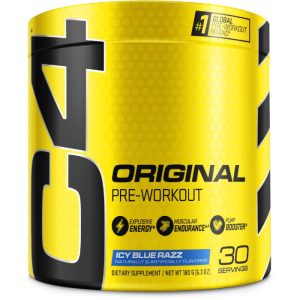
  • Pre-workouts
  • Gaspari Nutrition Myofusion
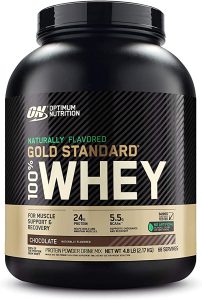
  • Optimum Nutrition 100% Natural Whey Protein
  • MHP Probolic-SR Muscle Feeder
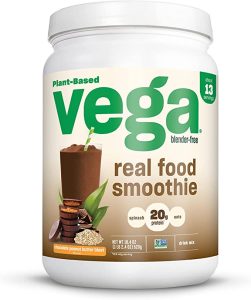
  • Vega Complete Whole Food Health Optimizer

Pre-workouts

Before hitting the gym, Ryan Gosling ensures that his body is primed and ready for an intense workout with the help of a powerful pre-workout supplement.

Pre-workout supplements are designed to increase energy, improve focus, and enhance endurance, making your workouts more effective.

Ryan Gosling’s choice of a pre-workout supplement helps him power through his grueling workouts and pack on lean muscle without getting fatigued.

Ryan Gosling Workout Routine And Diet Plan

Gaspari Nutrition Myofusion

This advanced protein blend by Gaspari Nutrition is one of Gosling’s go-to supplements for fueling his muscles post-workout.

Myofusion is packed with an impressive mix of fast- and slow-digesting proteins, which work together to optimize muscle growth and recovery.

Optimum Nutrition 100% Natural Whey Protein

Optimum Nutrition’s 100% Natural Whey Protein is another protein powder in Gosling’s arsenal. This high-quality protein source provides essential amino acids for recovery and muscle growth post-workout recovery.

Optimum Nutrition Gold Standard 100% Whey Protein Powder


With no artificial sweeteners, flavors, or colors, it’s a clean and healthy option for those looking to supplement their protein intake.

Gosling likely chooses this natural whey protein to support his lean muscle mass and fuel his body for future workouts.

MHP Probolic-SR Muscle Feeder

To further support his muscle growth and recovery, Gosling relies on MHP Probolic-SR Muscle Feeder.

This unique muscle feeder supplement for Gosling ensures his body is always in prime muscle-building mode.

Vega Complete Whole Food Health Optimizer

Ryan Gosling is also known to be an advocate of plant-based nutrition. Vega Complete Whole Food Health Optimizer is a perfect choice for him, as it offers a comprehensive blend of whole food-based nutrients.


This all-in-one supplement contains a powerful mix of vitamins, minerals, probiotics, antioxidants, and enzymes, which support overall health and well-being. With a blend of plant-based protein and essential fatty acids, Vega Complete Whole Food Health Optimizer offers Gosling a solid foundation to support optimal health and performance.

Workout routine

Gosling’s workout routine focuses on bodyweight exercises and compound movements that work for multiple muscle groups rather than isolating specific muscles.

He relies on a combination of home-based and gym-based exercises, perfect for people who may not always have access to a full-fledged gym.

Gosling’s workouts are incredibly simple, making them perfect for beginners, but they are also effective for those looking for a challenging and effective routine.

Monday: Chest And Abs

  • Barbell Bench Press – 4 x 10
  • Cable Flys – 3 x 10
  • Hex Press – 3 x 10
  • Incline Dumbbell Press – 3 x 10
  • Incline Dumbbell Chest Flys – 3 x 10
  • Machine Decline Press – 3 x 10
  • Crunches–50 reps
  • Leg Raises – 25 reps
  • Flutter Kicks – 25 reps

Tuesday – Back And Abs

  • Deadlift4 x 10
  • Wide-Grip Pull-Ups – 3 x 10
  • Barbell Rows – 3 x 10
  • Lateral Pulldowns – 3 x 10
  • Cable Rows3 x 10
  • Close-Grip Pulldowns – 3 x 10

Wednesday – Arms and Abs

  • Dumbbell Kickbacks – 3 x 10
  • Cable Hammer Curls – 3 x 10
  • Cable Pushdowns – 3 x 10
  • Preacher Curls – 3 x 10
  • Triceps Overhead Extension – 3 x 10
  • Crunches – 50 reps
  • Leg Raises – 25 reps
  • Flutter Kicks – 25 reps

Thursday – Shoulders

  • Military Press – 4 x 10
  • Shoulder Flys – 3 x 10
  • Barbell Shoulder Raises – 3 x 10
  • Dumbbell Front Raises – 3 x 10
  • Barbell Shrugs 3 x 10

Friday – Legs And Abs

  • Stretching and Light Walk
  • Cardio – 20-30 minutes of endurance or HIIT training
  • Back Squats – 4 x 10
  • Hamstring Curls – 3 x 10
  • Calf Raises – 3 x 10
  • Dumbbell Lunges – 3 x 10
  • Weighted Step-Ups – 3 x 10
  • Leg Raises – 25 reps

Saturday & Sunday

Rest day

Ryan Gosling Workout Routine and Diet Plan

The workout routine of Ryan Gosling can be a good starting point for building strength and improving overall fitness, as it targets multiple muscle groups and incorporates both bodyweight and weight training exercises.

Wrapping Up

Ryan Gosling’s dedication to staying fit and healthy is clear through his rigorous workout routines and strategic supplementation. He maintains optimum muscle growth and recovery by incorporating a balanced blend of pre-workout supplements, high-quality protein powders, and all-in-one nutritional support.

For those looking to emulate the Hollywood superstar’s impressive physique and energy levels, consider adding these top-notch supplements to your fitness journey. Always consult a medical professional before starting any new supplementation regime.

Jeff Nippard Workout Routine

0

Jeff Nippard is a professional fitness trainer who became famous when he started to share his workout videos on social media, especially YouTube. He has guided thousands of his followers by moulding their minds that workout and exercising is a way to joy and a sense of satisfaction in their workout journey.

Jeff Nippard has changed the definition of workout for the world by combining his workout knowledge, researched-based studies, and evidence. He has put forward numerous workout regimes that have proven impacts on the life of people following them. His passion for fitness marks him as distinct when he explains anything about the exercise and which group of muscles it influence.

Here you get to know about the workout routine of Jeff Nippard.


Jeff Nippard Current Body Stats:

Before getting into the well-balanced workout routine of Jeff Nippard, let us know about his perfect body proportions that anyone can desire to have. Here they are:

  • Jeff Nippard Height: 164cm or 5’5’’
  • Jeff Nippard Weight: 81.5 kg or 180 pounds
  • Jeff Nippard Age: 30 years old
  • Chest: 44 cm
  • Waist: 32 cm
  • Hips: 35 cm

Jeff Nippard’s current body proportions show that his workout regime is worth following to get a perfectly toned body.

If you want to know the exercises included in Jeff Nippard’s workout, follow the remaining article.

Jeff Nippard Workout Principle:

The key thing on which Jeff Nippard focus to keep himself right on track is calculating the macros.

He keeps a balance between carbs, protein, and fat intake. Moreover, his habit of adding healthy food to a balanced diet is another secret to his perfectly shaped body. Nippard also cares about hitting a specific muscle group on a particular day.

Jeff Nippard Workout Overview:

Jeff is a well-knowledge bodybuilder with a sensible grasp of the requirement of different muscle groups.

He focuses on breaking down the exercise for each muscle group on different days of the week, followed by an efficient amount of rest to restore and recover the muscle back to normal.

Jeff Nippard follows PPL Workout Routine that aims to keep one muscle group under attention on a specific day. Here is the brief information about Jeff Nippard PPL workout:

  • Push: On a push-up day, the main focus is to do push exercises for the chest, arms, and shoulders. Dips and bench presses are the forms of push-ups that keep the triceps and chest the centre of focus.
  • Pull: In this, the focus is deviated to pulling exercises to tame the back muscles. Arms are also included in this.
  • Legs: On the leg day, exercises to gain the glute and hamstring muscles in shape are of primary focus.

Thus, this PPL workout regime is the reason for his solid muscles and fully-toned chiseling body.

Jeff Nippard Workout Routine:

Jeff Nippard followed a balanced diet along with a strenuous workout plan. In winter, he increases his calorie count to gain bulk muscles, keeping carbs, proteins, and fats on track.

To get into the best body shape, he maintains a balanced workout regimen with a fully nutritional diet. One day is to hit the chest, should, and triceps muscles.

On the other day, he hit his back and bicep muscles.

Here is the insight into Jeff Nippard Workout Routine:

Day 1: Chest, Shoulders, and Triceps

On day one, Jeff focuses on the shoulders, chest, and triceps by doing nine exercises.

Here is the day one routine of Jeff Nippard:

  1. Barbell Bench Press (4 sets, 6 reps)
  2. Cable incline fly (3 sets, 15 reps)
  3. Barbell military press (4 sets, 12 reps)
  4. Cable triceps push-down (4 sets, 15 reps)
  5. Cable lateral raise (4 sets, 15 reps)
  6. Static dumbbell holds (2 sets, 60 seconds)
  7. Cable one arm standing overhead triceps extension (4 sets, 15 reps)
  8. Knee hip raise on the parallel bar (3 sets, 10 reps)
  9. Cable rope face pull (3 sets, 20 reps)

Day 2: Back, Biceps, and Rear Delts

Day 2 focuses on the biceps, back, and rear delts. The set total of 11 exercises with an average of 3 is included.

Following are the day 2 exercises:

  1. Pull-ups (3 sets, 8 reps)
  2. One arm meadows row (3 sets, 12 reps)
  3. Cable one-arm lat pulldown (2 sets, 20 reps)
  4. Omni-grip lat pulldown (3 sets, 15 reps)
  5. Machine reverse flyes (2 sets, 20 reps)
  6. Cable rope pull (2 sets, 15 reps)
  7. Barbell curls (3 sets, 8 reps)
  8. Dumbbell incline curls (2 sets, 20 reps)
  9. Band back flyes (2 sets, 20 reps)
  10. Barbell rack pulls (3 sets, 8 reps)
  11. Cable crunch (3 sets, 10 reps)

Day 3: Legs

On day 3, the critical attention is the leg muscle. He performs 8 exercises on day 3.

  1. Barbell squat (3 sets, 6 reps)
  2. Barbell Romanian deadlift (3 sets, 8 reps)
  3. Dumbbell lunges (3 sets, 20 reps)
  4. One leg extension (3 sets, 10 reps)
  5. Single leg curl (3 sets, 12 reps)
  6. Lag calf press (3 sets, 12 reps)
  7. Seated calf raise (3 sets, 20 reps)
  8. Weight plat Russian twist (3 sets, 10 reps)

Jeff Nippard Diet Plan:

Jeff is a conscious person when it comes to the macros for diet. He keeps track of his calories through carbs, proteins, and fats.

When he focuses on cutting down, he consumes 2-3 servings of fruits and different vegetables.

Here is the diet plan he follows on regular days:

Breakfast: 

  • Turkey bacon
  • Kiwi
  • Eggs

Snack: 

Lunch: 

  • Chicken
  • Potatoes
  • Sweet corn

Dinner: 

  • Salmon
  • Roasted vegetables

Jeff Nippard Supplements:

To keep himself nutritionally balanced, Jeff makes use of the following supplements to fuel his gains:

  • Protein shakes

Final Thoughts:

Jeff Nippard is a fitness influencer who has inspired a significant audience through his social content.

On his YouTube channel, he has shared a detailed overview of his workout routine, diet plans, and supplement that motivate his audience. His video is inspiring enough to raise the energy level in a person to do something with great joy.

You can also subscribe to Jeff Nippard’s program for workouts to get the perfect body figure. If you are looking for such motivation, follow the workout regime of Jeff Nippard.

What Does the Stairmaster Do? + (Benefits)

0

Are you someone who is always looking for new and effective ways to get your daily dose of exercise? If so, you may have considered using the Stairmaster. But what exactly does it do? And are there any benefits to using it?

The Stairmaster has been a staple in many gyms for years now. It’s a machine that simulates the experience of climbing stairs, providing a low-impact cardio workout that can be customized to your fitness level. But beyond that, what else does it offer?

If you’re looking for a way to burn calories and improve your cardiovascular health, the Stairmaster is definitely worth considering. Not only does it provide a great workout, but it also offers a host of additional benefits that you may not be aware of. In this article, we’ll take a closer look at what the Stairmaster does and why you should incorporate it into your fitness routine.

TOP 5 Stairmasters

TOP 5 Stairmaster

StairMaster 10G Gauntlet

We recently tested the StairMaster Gauntlet StepMill with Overdrive Training, and I am thoroughly impressed with its performance and quality. This machine has exceeded my expectations and has become an integral part of my daily workout routine.

First and foremost, the build quality of the StepMill is exceptional. It feels sturdy and durable, capable of withstanding intense workouts over an extended period. The design is sleek and modern, fitting seamlessly into my home gym.

This StairMaster operates smoothly and quietly, thanks to its advanced engineering. The step action feels natural and comfortable, reducing the impact on my joints while providing an effective cardiovascular workout. I appreciate the attention to detail in ensuring a seamless and enjoyable exercise experience.

Overall, We highly recommend the StairMaster Gauntlet StepMill with Overdrive Training to anyone looking for a challenging and effective cardio workout. Its superior build quality, innovative features, and user-friendly console make it a standout choice in the market. Investing in this StepMill will be a game-changer for your fitness journey.

Bowflex Max Trainer Series

Bowflex Max Trainer SeriesThe Bowflex Max Trainer Series is a line of cardio machines designed to provide a high-intensity, low-impact workout. These machines combine the benefits of an elliptical trainer and a stair climber, providing a challenging workout that is easy on the joints. The Max Trainer Series includes several models, including the M3, M8, and Max Total.

The Max Trainer Series also features a variety of workout programs and resistance levels to choose from, allowing users to customize their workouts based on their fitness level and goals. The machines have a backlit display that shows workout metrics like calories burned, distance, and time. They also have heart rate sensors for monitoring your workout intensity.

Some of the models in the Max Trainer Series also have additional features, such as Bluetooth connectivity, compatibility with fitness apps, and adjustable pedals.

Sunny Health & Fitness Mini Stepper

Sunny Health & Fitness Twisting Stair StepperThe Sunny Health & Fitness Mini Stepper is a budget-friendly Stairmaster designed for individuals with limited space and a tight budget. It is compact, lightweight, and easy to store when not in use. The mini stepper targets the lower body muscles and also has an LCD display that records time, steps taken, and calories burned.

StairMaster Gauntlet Series 8 StepMill

StairMaster 8 Series 8G Gauntlet w: 15 TouchscreenThis Stairmaster is a commercial-grade machine that offers a challenging and engaging workout. It features a revolving staircase with 8-inch high steps that mimic the feel of real stairs. The Gauntlet Series 8 StepMill has a 15-inch touchscreen console with various workout programs and a USB port for charging devices. It also has Bluetooth connectivity and heart rate sensors for monitoring your workout intensity.

StairMaster HIITMill X

StairMaster HIIT Mill X with ConsoleThe HIITMill X is a unique Stairmaster that combines the benefits of a treadmill and a Stairmaster into one machine. It features a curved, non-motorized treadmill that allows for natural movement and provides a challenging workout. The machine also has a self-powered Stairmaster with 10-inch high steps that can be adjusted for intensity. The HIITMill X has Bluetooth + ANT connectivity and a backlit display that shows workout metrics and various workout programs like time, distance, calories, time interval, and calorie interval programs to choose from.

How Does The Stairmaster Work?

The Stairmaster is a machine that features stairs that move up and down, simulating the motion of climbing stairs.

The stairs are connected to a hydraulic piston or a chain-driven system that creates resistance. The machine is designed to offer varying levels of resistance to provide a challenging workout.

Stairmaster vs. Other Cardio Equipment

Comparison with Treadmill

The Stairmaster and treadmill both offer cardiovascular benefits, but the Stairmaster provides a low-impact workout that is gentler on the joints.

The treadmill is better for a full-body workout and for improving running performance.

Comparison with Elliptical

The Stairmaster and elliptical both provide low-impact workouts, but the Stairmaster offers a more intense lower-body workout.

The elliptical is better for a full-body workout and for those with knee or joint pain.

benefits of stairmaster

The Benefits Of Using The Stairmaster

Known for its ability to elevate the heart rate and strengthen the lower body, here are the top benefits of using the Stairmaster:

Burn More Calories

The Stairmaster is a great tool for weight loss because it burns a lot of calories in a short period of time. According to the American Council on Exercise, a 150-pound person can burn up to 500 calories in 30 minutes on the Stairmaster.

The workout is also known for its ability to continue burning calories even after the workout is over through the process of excess post-exercise oxygen consumption (EPOC).

Build Leg Strength

One of the main benefits of the Stairmaster is the ability to tone and strengthen the lower body.

The repetitive motion of stepping up and down targets the glutes, quads, hamstrings, and calves. Over time, regularly using the Stairmaster can lead to improved balance, stability, and coordination.

Low Impact Workout

Unlike running or other high-impact workouts, the Stairmaster is a low-impact exercise option. This means it is gentle on the joints and less likely to lead to injury.

Whether you’re recovering from an injury or looking for a workout that won’t put strain on your joints, the Stairmaster is a great choice.

Improve Cardiovascular Health

Any cardio exercise is beneficial for heart health, and the Stairmaster is no exception. As your heart rate increases during a Stairmaster workout, the cardiovascular system is challenged and strengthened.

Consistently using the Stairmaster can improve cardiovascular endurance and lower the risk of heat-related illnesses.

Versatile Workout

Another benefit of the Stairmaster is its versatility. Whether you’re looking for a quick workout or a longer, more intense session, the Stairmaster can accommodate you. The machine also has adjustable resistance levels, allowing users to increase or decrease the intensity of their workout.

The Stairmaster can be used with other exercises to create a full-body workout routine.

Tips For Using The Stairmaster Effectively

As we discussed earlier, the Stairmaster is a great option for a high-intensity workout that burns calories and builds endurance. However, using the machine can be intimidating, especially if you’re a beginner.

Here are some tips to help you use the Stairmaster effectively and avoid injury.

Start Slowly

Don’t try to conquer Mount Everest on your first attempt. Start slowly and gradually increase the intensity. Set the machine to a low level and work your way up. Begin with 10 to 15 minutes, and then add a few minutes each week.

Use Proper Posture

Stand upright and keep your shoulders back. Don’t lean too far forward or backward, as this could lead to strain on your lower back. Keep your core engaged and your hips facing forward.

Choose The Correct Foot Placement

When using the Stairmaster, place your feet flat on each step, and avoid resting your heels on the step.

This ensures that you use your calf muscles efficiently and reduces stress on your joints.

Vary Your Workouts

To avoid boredom and target different muscle groups, mix up your workouts.

Use different settings and intervals, such as high-intensity intervals or long, steady climbs. You can also add weights or resistance bands to increase the intensity.

Hydrate And Stretch

Like any exercise, it’s essential to stay hydrated. Drink water before, during, and after your workout. Stretch before and after your session to prevent muscle soreness and injury.

Stay Safe

Don’t let fatigue or dizziness compromise your safety. If you feel unsteady, reduce the speed or stop the machine and take a break. If you have any medical conditions or concerns, consult with your doctor before using the Stairmaster.

Wrapping Up

The benefits of using a StairMaster are numerous and undeniable. With regular use, StairMaster workouts can lead to improved cardiovascular health, weight loss, muscle toning, and increased endurance. By targeting multiple muscle groups simultaneously, it provides a full-body workout that is both challenging and efficient.

Moreover, its low-impact nature is gentle on joints and reduces the risk of injury, making it a great option for individuals of all fitness levels. Whether you’re looking to increase your fitness level, shed excess pounds, or just add some variety to your workout routine, a StairMaster can help you achieve your goals and improve your overall health and wellbeing. So why not give it a try and see the benefits for yourself?

Logan Paul Workout and Diet Routine

0

Do you ever wonder how Logan Paul gets that fit, toned body? The YouTube sensation has inspired many since he rose to fame, and people are curious about his fitness routine.

Logan Paul is a multi-faceted star who has made a name for himself as one of the top influencers on YouTube. He is known for his comedic skits, prank videos, and vlogs, but he’s also become an icon in the fitness community. And with good reason, Logan Paul works out hard and follows a strict diet tailored just for him. 

This article will explore Logan Paul’s workout and diet routine, how to follow them for yourself, and why they’re so effective for getting into top shape. Whether you’re an aspiring YouTuber or just looking to get ripped like Mr. Paul, this guide will provide all the tips and tricks you need!

Logan Paul’s Bodybuilding Stats

1. Birth Place – Logan Paul originally hails from Westlake, Ohio, United States. 

 2. Occupation – His current occupation includes being a YouTuber, Social Media Influencer, Actor, and even a Professional Boxer! 

 3. Height – Standing at an impressive 6 feet and 16 inches tall (88m), his frame is undoubtedly one to admire.

 4. Birthday – Logan Paul celebrates his birthday on April 1st, 1995, making him 25 years old. 

 5. Weight- Weighing in at 82 kg – 181 lbs (pounds), Logan has the perfect physique for a professional boxer and inspires many to start bodybuilding. 

 6. Awards- Having achieved Vine of the Year, Male Web Star, Audience Choice Creator of the Year, and much more within his social media career, Logan is up there with the greats!  

 7. Body Measurements- Now getting into specifics of his physical features are a 42-inch chest (106.68 cm), 32-inch waist (81.28 cm), and 15-inch Biceps (38.1cm). Pretty impressive if you ask me!

“WHEN I’M IN THE GYM, AND I FEEL MY MUSCLES START TO FAIL, OR I WANT TO QUIT, I LIVE IN THE MENTALITY THAT IF I DON’T GET THE SET, I’M GOING TO DIE. THAT’S IT. HARSH AND INTENSE, BUT IT LEAVES ME NO ROOM TO QUIT.” — LOGAN PAUL

Logan Paul Workout and Diet Routine

Workout Routine

Logan Paul has developed a comprehensive training split to help him stay in shape as an internet celebrity and YouTuber. His workout routine is broken down into seven days, each addressing a different muscle group or area of the body.

Day 1 focuses on chest exercises, Day 2 works on back and shoulder exercises on Day 3, and so on until day 7. On the seventh day, he dedicates his workout routine to abs.

This robust split ensures no single muscle group is worked more than another, creating a balanced and effective program for any dedicated individual.

“I’m not, like, a full athlete. But I’m a boxer.”

Boxing Routine Split

Day 1

  • Jump rope — 30 minutes
  • Shadowboxing — 6 rounds (while holding four-pound dumbbells in each hand)
  • Pad work — 6 rounds
  • Heavy bag — 6 rounds
  • Speed bag — 2 rounds

Day 2

  • Sparring — 10-12 rounds
  • Day 3
  • Workout #1 (Morning) — Same as Day 1
  • Workout #2 (Evening) — 4-6 mile jog

Logan Paul Workout and Diet Routine

Day 4

  • Dragging a weighted sled up a hill while backpedaling

Day 5

  • Same as Day 2

Day 6

  • Workout #1 (Morning) — 5-6 mile jog
  • Workout #2 (Evening) — Weightlifting 

Paul’s Training Split

Day 1 — Chest Workout

  • Bench press — 4 x 8-15 reps 
  • Incline bench press — 4 x 8-15 reps
  • Dumbbell press — 4 x 8-15 reps
  • Dumbbell flye — 4 x 8-15 reps
  • Machine chest press — 4 x 8-15 reps
  • Machine chest flye — 4 x 8-15 reps
  • Cable crossover — 4 x 8-15 reps
  • Dips — 4 x 8-15 reps

Day 2 — Back Workout

  • Lat pull-down — 4 x 8-15 reps
  • Close grip lat pull-down — 4 x 8-15 reps
  • Cable row — 4 x 8-15 reps
  • Back lat pushdown — 4 x 8-15 reps
  • V-bar machine row — 4 x 8-15 reps
  • One-Arm dumbbell row — 4 x 8-15 reps
  • Bent over row — 4 x 8-15 reps
  • Pullover — 4 x 8-15 reps
  • Deadlift — 4 x 8-15 reps

Day 3 — Shoulder Workout

  • Military Smith machine press — 4 x 8-15 reps
  • Arnold dumbbell press — 4 x 8-15 reps
  • Seated side lateral raise — 4 x 8-15 reps
  • Pulley side lateral raise — 4 x 8-15 reps
  • Front raise — 4 x 8-15 reps
  • Shoulder shrug — 4 x 8-15 reps
  • Rear delt flye — 4 x 8-15 reps
  • Delt side lateral raise — 4 x 8-15 reps

Day 4 — Biceps Workout

  • Biceps Dumbbell curl — 4 x 8-15 reps
  • Isolation curl — 4 x 8-15 reps
  • EZ barbell curl — 4 x 8-15 reps
  • Hammer curl — 4 x 8-15 reps
  • Preacher one-arm dumbbell curl — 4 x 8-15 reps
  • Rope curl — 4 x 8-15 reps
  • Cable curl — 4 x 8-15 reps
  • Concentration curl — 4 x 8-15 reps

Day 5 — Triceps Workout

  • Pulley pushdown — 4 x 8-15 reps
  • Rope pushdown — 4 x 8-15 reps
  • Tricep extension — 4 x 8-15 reps
  • Skull crusher — 4 x 8-15 reps
  • Tricep close grip chest press — 4 x 8-15 reps
  • Dumbbell kickback — 4 x 8-15 reps
  • Tricep dips — 4 x 8-15 reps

Day 6 — Legs Workout

  • Squat — 4 x 8-15 reps
  • Front squat — 4 x 8-15 reps
  • Leg extension — 4 x 8-15 reps
  • Lunge — 4 x 8-15 reps
  • Leg press — 4 x 8-15 rep
  • Stiff-leg deadlift — 4 x 8-15 reps
  • Calf raises — 4 x 8-15 reps
  • Hip thrust — 4 x 8-15 reps

Day 7 — Abs Workout

  • Crunch — 4 x 20 reps
  • Bicycle crunch — 4 x 20 reps
  • Hanging side leg raises — 4 x 20 reps
  • Seated in and out — 4 x 20 reps
  • Plank — 4 x 20 reps
  • Side plank — 4 x 20 reps

“IT’S MY DUTY TO INSPIRE ANY OF MY FOLLOWERS TO WORK THEIR HARDEST SO THEY CAN REACH THEIR FULL POTENTIAL.” — LOGAN PAUL

Logan Paul’s Healthy And Balanced Diet Routine 

His daily meal plan comprises five meals starting with a breakfast comprised typically of an egg-white omelet or oatmeal, followed by a snack such as a protein bar. He drinks 2.5 gallons of water every day to stay hydrated and keeps his metabolism running efficiently throughout the day.

Breakfast/First Meal: Eggs, Oatmeal, Avocado, Fruits 

To start the day on the right foot, Logan begins with a breakfast high in protein and fiber. A combination of eggs and oatmeal provides essential proteins to jumpstart your metabolism and keep your energy levels up throughout the morning.

The addition of avocado gives a boost of healthy fats that provide sustained energy without sacrificing flavor. To top off this meal, Logan adds in some fresh fruits for a touch of sweetness.  

Snack/Second Meal: Protein Bar 

For his second meal, Logan opts for something light but still packed with nutrients—a protein bar! Protein bars are perfect snacks when you’re short on time but don’t want to sacrifice nutrition.

They come in many flavors to appeal to any palate or dietary preference. Plus, they are low-calorie yet contain essential vitamins and minerals to help keep you energized until lunchtime.          

Lunch/Third Meal: Chicken/Salmon Rice, Veggies, Fruits 

Logan’s third meal consists of lean proteins such as chicken and salmon, complex carbohydrates from rice, and added veggies for vitamins and minerals.

This combination provides all the fuel needed for an afternoon slump without feeling overly full or weighed down afterward.

Adding fruit rounds out this meal perfectly by adding natural sugars for just enough sweetness without sacrificing health benefits like antioxidants or phytonutrients.  

Snack/Fourth Meal: Protein Smoothie, Salad 

Logan opts for a protein smoothie and a side salad for his mid-afternoon snack. Protein smoothies are great options as they are filling yet not too heavy; they make nutrient-packed snacks that can be tailored to fit any dietary restriction (vegan? Gluten-free? No problem!).

Salads also make great snacks because they contain several vitamins and minerals while being low in calories—perfect if you try to stay within a certain caloric limit each day!  

Dinner/Fifth Meal: Oatmeal Salad Chicken, Protein bar 

Logan switches things up for dinner by incorporating oatmeal into the mix, chicken or salmon, and another side salad (because why not!).

Oatmeal is great because it is high in fiber, which helps keep you full longer while providing sustained energy throughout the night without causing an energy crash later on—perfect if you have plans after dinner!

Combining lean proteins from chicken or salmon adds essential amino acids, helping build muscle mass and keeping cholesterol levels low. Topping off this meal is another protein bar—the perfect way to end your day on a sweet note!  

Wrapping Up

To sum it all up, the Logan Paul Workout and Diet routine is a great way for those looking to make extreme changes in their lifestyle. It requires a lot of dedication and work, but if practiced properly can lead to a more active and healthier life.

One should remember the importance of taking rest days, as it is essential for muscle repair, growth, and overall health. Finally, remember that no matter what goals you are aiming at, consistency and dedication are key elements to ensure success.

From maintaining profound motivation to giving it your all each day, it takes patience to reach far greater heights in fitness and health. That being said, break out of the boundaries and rise above with Logan Paul’s speedster workout program!

Achieve a Good Night’s Sleep with CBD Oil: When to Take It

0

Do you have trouble sleeping? Are you constantly tossing and turning throughout the night? If so, you may want to try CBD oil for sleep. CBD oil has been shown to help people achieve a good night’s sleep, without the side effects associated with traditional sleeping pills. In this blog post, we will discuss the best times to take CBD oil for sleep, as well as some of the benefits that come with using it!

Best CBD for sleep

What Is CBD?

Cannabidiol (CBD) has become an increasingly popular supplement for people looking to improve their sleep. The potential benefits of CBD for sleep are numerous, but how does it actually work? In this blog post, we’ll take a closer look at the science behind CBD, when is the best time to take it for optimal results, dosage recommendations, and more. Let’s dive in!

Before discussing the potential effects of CBD on sleep, it’s important to understand exactly what this compound is.

CBD is one of many compounds found in Cannabis sativa, a species of plant that includes both hemp and marijuana.

Unlike THC (tetrahydrocannabinol), another compound found in cannabis plants, CBD does not produce intoxicating effects or a “high.” Instead, it interacts with the body’s endocannabinoid system (ECS), which helps regulate various functions such as mood, appetite, memory, and sleep.

How Does CBD Affect the Sleep Cycle?

CBD works by interacting with the ECS receptors located throughout the body. When taken orally or applied topically (such as through a balm or oil), cannabinoids like CBD can help activate these receptors and increase levels of neurotransmitters like serotonin and dopamine in the brain.

These neurotransmitters play an important role in regulating our sleep-wake cycle and can have a positive effect on our overall quality of sleep.

Additionally, research suggests that CBD may help reduce anxiety and pain, two common causes of insomnia, which could further improve your quality of restful sleep.

when to take cbd oil for sleep

When Is the Best Time to Take CBD Oil for Sleep?

The right time to take any supplement will vary depending on individual needs and preferences.

However, most experts recommend taking it 30 minutes to an hour before you plan on going to bed. This will give your body enough time to absorb all of its beneficial compounds so that they can start working their magic while you sleep!

Dosage Recommendations for CBD Oil and Tips For Maximizing Its Effects

The optimal dosage of any supplement will depend on factors like age, weight, health conditions or medications you may be taking.

Therefore it’s always best to talk with your doctor before starting any new health regimen. Generally speaking though most people find relief from 10-20mg/day taken sublingually (underneath your tongue).

Additionally there are some tips you can follow to maximize your results such as avoiding caffeine late at night or sticking with same dosage routine every day if possible!

FAQs About Taking CBD For Sleep

How Much THC Is In CBD Oil?

While both hemp-derived and marijuana-derived products contain varying levels of THC (the psychoactive component associated with getting ‘high’), most hemp-derived products contain less than 0.3% THC which is not enough to cause any psychotropic effects or intoxication.

What Is The Best Type Of CDBFor Sleep?

Depending on individual preference there are several types available including tinctures oils capsules edibles etc.

However many people prefer tinctures because they offer fast acting relief without having to wait 45 minutes – 1 hour like edibles do plus they are easy to adjust dosages as needed!

Why Is CBD Good For Sleep

Sleep is essential for optimal health and well-being, yet many people suffer from insomnia. Recent research suggests that CBD may be a beneficial natural remedy for improving sleep quality.

This is due to CBD’s influence on the body’s endocannabinoid system, which plays a role in regulating various physiological functions, including sleep.

CBD can interact with endocannabinoids and their receptors, helping to adjust the amount produced correctly balancing endocannabinoid levels.

Furthermore, as stress and anxiety are often factors that contribute to poor sleep, using CBD can help combat those symptoms resulting in better quality restful nights.

full spectrum cbd cbg oil

Manage Sleep Disorders

There has been a tremendous amount of research in recent years into the possible health benefits of CBD, the compound extracted from cannabis plants.

Of these benefits, perhaps the most studied and perhaps the most promising is its impact on sleep.

Studies have found that taking CBD can reduce symptoms associated with sleep disorders such as insomnia or nightmares, as well as helping to regulate sleep-wake cycles on a daily basis (trusted source).

However, it is important to remember that more research is still needed into this area before any long-term conclusions can be drawn about its effects on sleep. Despite this, however, many individuals are already beginning to experience significant improvements in their sleep quality when using CBD-based products.

Ideal Natural Sleep Solution?

CBD is gaining a lot of attention as a natural remedy for sleeping difficulties. It works with the body’s endocannabinoid system and can affect neurotransmitters in the brain, allowing us to better regulate our sleep cycle.

If you’re looking for the best CBD product to help improve your sleep, look no further than CBD oil.

This natural oil provides many potential benefits when it comes to promoting a good night’s rest. Whether you want to decrease stress levels or relax before bed, CBD oil could be just what you need to experience more restful sleep (trusted source).

when to take cbd oil for sleep

What Is Best Time Of Day To Take CBD Oil

Taking CBD oil is an increasingly popular way to promote better sleep.

Many people turn to it as a supplement to help them with restful sleep, and many have found that the best time for them to take it is usually around bedtime.

This can vary from person to person, however, as individual physiology can play a role in determining when the ideal time for each person should be. It is important that you experiment and find out what feels right for your body.


Some may benefit from taking their CBD dose in the morning or even after lunch, while others may not feel any difference at all between different times of the day.

Ultimately, balancing lifestyle habits and listening to your body are key factors to finding the best time of day for you personally.

Recommended Dosage

When it comes to taking CBD oil, dosage is key. Everyone’s body is different, so your cbd oil dose could differ from that of your neighbor or friend.

Generally cbd dosage recommendations start around 25 mg per day and vary depending on factors such as the amount of cbd in each product, the degree of health concern being addressed, as well as your age, weight and metabolism. Before starting, you should always consult with a healthcare professional to find out what would work best for you.

They can better guide you to finding the ideal cbd dose that suits both your personal needs and preferences.

Final Tips

One of the best tips for utilizing the full potential of CBD oil is to choose the highest quality product available. The purity and potency can dramatically vary from brand to brand, so be sure to investigate each company and read plenty of reviews before making any purchases.

Once you find a product that you trust, then start experimenting with different times of day and dosage amounts in order to find out what works best for your individual needs.

Generally speaking, it can take a couple trial and error sessions before finding what timing and amount deliver the most profound effects.

However, by taking the time to experiment, you’ll likely notice enhanced results on all fronts – both mentally and physically.

Conclusion

If you’re looking for an all-natural way to improve your quality of sleep then considering incorporating cannabidiol into your nighttime routine may be worth exploring further!

It’s important however that you speak with your doctor first prior taking any supplements especially if you are currently taking other medications as well as understanding correct dosage guidelines so that way you can get maximum benefit out from using this product!

Keep in mind too that results may vary from person-to-person so don’t be disheartened if yours doesn’t seem as effective as others might have experienced – just continue experimenting until find what works best specifically for YOU! Good luck!


How Long Does Pre-workout Last? All You Need to Know!

0

You may have heard about the potential advantages of pre-workout supplements from friends, athletes, trainers, or commercials, regardless of whether you attend the gym frequently or prefer to work out at home.

You’ve heard of the name pre-workout, but have you been wondering what it is? What is in a pre-workout ingredients list? Who should be taking these supplements? If I take a pre-workout, how long does it last? What are the benefits of pre-workout? If so, let’s jump right in. We will be looking at exactly that in this article.

Best Pre-Workout Supplements

What is Pre-workout?

Pre-workout supplements are dietary additions that can boost energy levels, enhance exercise performance, and promote muscle growth.

These supplements are meant to be taken before a workout because they improve performance.

According to various estimations, they are the second most popular supplement behind multivitamins due to their recent rise in popularity.

Pre-workout pills have recently surpassed protein in popularity among gym users. But not all pre-workout supplements are created equal, and not all of these supplements are appropriate for all athletes, just like protein supplements for athletes.

Each one has unique substances in unique amounts with unique intended effects. They may be suitable for various sorts of athletes with various objectives.

Athletes utilize pre-workout supplements before exercises like weightlifting or high-intensity interval training, especially runners and weightlifters (high-intensity interval training).

Athletes frequently consume pre-workout supplements as pills or powders dissolved in soft drinks or foodstuffs.

Additionally, you can combine pre-workout supplements with protein powders to improve protein synthesis and aid muscle growth.

When choosing a pre-workout supplement, it is advisable to base your decision on the most recent research and make sure that it has been quality- and purity-tested by a third party.

How Long Does a Pre-workout Last?

Most active components in your pre-workout beverage take 30 to 60 minutes to reach peak blood levels. After this time and you will have several additional hours of a stimulated metabolism.

Pre-workout usually takes effect after around 30 minutes, though this may differ depending on the active components, your metabolism, and how well your body tolerates pre-workouts.

Caffeine is a common ingredient in pre-workout supplements, and it takes your body 3-5 hours to reduce its blood content by half.

A typical pre-workout can be said to “last” for that time however, everyone metabolizes caffeine differently.

Due to this, whether you exercise in the late afternoon or early evening, it is equally vital to consider if you are taking your pre-workout supplement at the appropriate time. Pre-workout supplements often include high levels of caffeine, so using them too close to bedtime could interfere with your sleep.

You can use the following general approach to figure out how long various pre-workout supplement ingredients will last in your body.

  • Caffeine- It’s surprising to learn that caffeine can linger in your system for up to 5 hours. This doesn’t necessarily mean that it keeps on stimulating, though. Usually, the effects start to fade after 60 to 90 minutes. They are all the same, whether it comes from coffee, caffeine pills, or pre-workout supplements.
  • Green tea extract contains a minor quantity of caffeine that needs to be considered. You don’t need to be concerned about how long the detox effects will stay because they are not stimulating.
  • Beta-Alanine- this substance might make you scratchy or cause tingling in your muscles. The tingling effects typically last no more than 60 minutes, while the energy increase lasts 45 to 60 minutes.
  • L-Carnitine – Because your body generates it naturally, there isn’t a conclusive scientific solution to this question. It begins to work after around 30 minutes, and it should be safe to expect that it wears off after less than an hour.
  • CLA, or conjugated linoleic acid, is more widespread in pre-workout supplements and has no stimulating properties. You may anticipate this component in pre-workout pills to persist for roughly 60 to 90 minutes, making it more straightforward for your body to break down fat to enhance energy levels.

What are the Ingredients in a Pre-workout?

Most pre-workout formulas share few common ingredients, but numerous other supplements have unique compounds for various effects.

Knowing how pre-workout components affect performance might help you choose the right pre-workout supplements for your specific needs.

The ideal ingredients for a pre-workout supplement are not universally agreed upon. Depending on the product, ingredients come in different forms and quantities.

Pre-workout supplements typically have caffeine as an active component and a mix of other substances, including creatine, amino acids, and vitamins.

Pre-workouts are of two categories, with stimulants, and without stimulants. The stimulants almost often contain caffeine, but they can also contain additional stimulants like yohimbine, theacrine (of which teacrine is the most prevalent), guarana, and many more.

Many supplement firms have created stimulant-free pre-workouts for people who are sensitive to caffeine, don’t want it, or exercise close to bedtime.

Many pre-workout supplements are available if you want to feel energized and prepared for action. You have options, though, if that’s exactly what you don’t want.

Various pre-workout supplements are in the center, with little more caffeine than a cup of tea or coffee.

This is why it’s crucial to read labels, review many user reviews, and only purchase pre-workouts from well-known, dependable brands. Some pre-workouts have straightforward labels. Other times, a long list of obscure words and “blends” or “matrixes” seem ominous.

It can also be challenging to determine what makes one product or brand superior to another, given the wide variety of available options.

It’s always preferable to keep things simple, especially if you’re just getting started.

Here are four essential components to look for and how they might improve your workout:

Caffeine

For a good reason, many lifters and other athletes consider caffeine their ideal training partner.

Robert Wildman, Ph.D., RD, RISSN, writes in the article “Boost Your Workout With Caffeine” that “study after study has shown that caffeine can increase alertness, sharpen focus, improve tolerance for pain caused by exercise, help burn fat, and help athletes do more work for longer periods in the gym and sport.”

caffeine in pre-workout

For both endurance activity and shorter-duration, high-intensity action like lifting or sprinting, caffeine provides you with fast energy.

Increases in maximum strength, power, endurance, and even a reduction in muscular soreness have all been observed.

BCAAs or EAAs

The branched-chain amino acids leucine, isoleucine, and valine assist you by regulating protein metabolism, increasing protein synthesis, and decreasing protein breakdown, so long as you eat enough calories and protein.

In other words, BCAAs reduce muscle damage while assisting in muscle growth. They can help you get back to training hard faster by reducing delayed onset muscle soreness (DOMS) when taken prior to a workout, and they lessen physical and mental exhaustion while exercising.

Nitric Oxide Boosters

These pre-workout supplements help you obtain a great pump while lifting heavy weights by increasing blood flow to your muscles.

Other

  • L-tyrosine: For increased vigor and resistance to fatigue
  • L-theanine: To improve concentration and prevent the “jitters” that can come with caffeine
  • Huperzine-A: To boost mental capacity
  • Yohimbine: To boost vigor and mental focus (Though do note, in some individuals, the use of this natural alpha antagonist can cause feelings of anxiety.)
  • A particular type of arginine called nitrosigine promotes blood flow, lessens muscle damage, and improves concentration.
  • Beetroot extract: For vigor and strength
  • Betaine: For enduring improvements in power, size, and recovery

This list is by no means complete. Make sure it’s something you want to take if you notice anything fresh on a pre-workout and you aren’t familiar with it.

Who Should take pre-workout?

Depending on what you intend to use them for. Some people believe that taking a pre-workout can help them become bigger, stronger, or faster. It most likely won’t, but it can help you dominate a crucial workout.

And over time, if you consistently crush your workouts, you’ll undoubtedly get larger, stronger, and faster.

A pre-workout may not be very helpful if all you want to do at the gym is mild sweat. However, it can be beneficial if you want to turn serious exercise into serious results.

back workout pre-workout effects

Pre-workout supplements are an excellent choice for anyone who feels like they need an energy boost while working out or who has ambitious personal records in mind.

The best results are obtained over time with constant training, continued use, good nutrition, and suitable rest and recovery, even if you have the best pre in your gym bag.

Keep in mind that the pre-workout primary goal is to provide you the energy, endurance, and attention to complete the exercises that can assist you in achieving both of these objectives rather than immediately developing muscle or improving your body.

Numerous studies have demonstrated that the majority of the individual components found in today’s most popular pre-workouts contribute to increased strength, endurance, or muscular growth. However, those people’s training regimens and histories can be very different from yours.

If you know your high sensitivity to caffeine, a low-stimulant or stimulant-free pre-workout may be more advantageous.

If you have any medical conditions that could lead to an unpleasant reaction to pre-workout supplements, check with your doctor first. Many of them do include stimulants, and some of them contain a lot of stimulants.

According to parents, teenagers should not be given a stim-heavy pre-workout, and young children should not be given one either.

Tell your child they should be able to encourage themselves to go to the gym and work hard first if they are getting serious about training. The supplements that increase intensity can be added later, once they’ve established a strong base.

What are the benefits of pre-workout?

The high caffeine content in pre-workout stimulants is the leading cause of an improvement in muscle endurance.

Caffeine works as an adenosine receptor antagonist when consumed, which helps the user experience less discomfort overall and work for extended periods (source).

What are the side effects of pre-workout? 

Take the pre-workout in moderation or recommended doses to prevent side effects like water retention, digestive upset, and headaches that happen primarily if you take too much of the pre-workout. In addition to that, always check the ingredients list to see whether there is an ingredient that you may be allergic to.

Athletes can cut the time between training sessions because pre workout has been demonstrated to shorten the time it takes for muscles to recover from strenuous exercise.

The pre-workout supplement’s branched-chain amino acids (BCAAs), particularly glutamine, are linked to improved muscle repair.

Ensure the supplement you purchase is from a respectable, long-standing business, ideally one whose goods have been examined and approved by a neutral third party.

What influences how long a pre-workout lasts?

Diet and fasting

Your body’s ability to digest and process the components of your pre-workout will depend on how frequently and how much you eat. Additionally, if you consume a lot of coffee during the day, you can have trouble getting the caffeine out of your system, which might affect how well you sleep.

Additionally, you might notice that your pre-workout vitamins don’t appear to last as long when you’re fasting, so be sure to account for that in your plans.

The metabolism of the substances in your pre-workout can also be impacted by dietary shortages, such as those in vitamin C, zinc, calcium, and magnesium, which can alter how well the compounds are absorbed.

Overuse of Supplements

It might happen rapidly that some of the stimulating effects are magnified if you’re taking pre-workout, creatine, fat burners, whey, and BCAA supplements.

Summary

In conclusion, Pre-workout vitamins could improve how well you exercise. Think about your dietary requirements and fitness objectives before incorporating a pre-workout supplement into your program.

Pre-workout supplements vary widely, so choosing one that meets your specific requirements is critical.

Most pre-packaged supplement combinations have not been scientifically tested, although the individual chemicals in pre-workout supplements have been well investigated.

But now that you’ve read this article, you’re aware of some key components to search for.


32 Foods That Burn Belly Fat Fast

0

Belly fat, also known as visceral fat, is the fat that accumulates around the midsection of the body. This type of fat is not just aesthetically unappealing, but it can also be a serious health concern. Belly fat has been linked to an increased risk of heart disease, type 2 diabetes, and even certain types of cancer. 

However, there is good news: certain foods have been shown to help burn belly fat, making it easier to maintain a healthy weight and reduce the risk of these health conditions. In this article, we will discuss list of 32 foods that burn belly fat fast, as well as lifestyle factors that can impact belly fat.

32 Foods That Burn Belly Fat Fast

Foods That Burn Belly Fat:

Avocados: Avocados are high in monounsaturated fats, which can help to reduce belly fat. They are also a good source of fiber, which can help you feel full and satisfied.

Serving suggestion: Add avocado slices to your morning toast or salad.

Almonds: Almonds are a great source of protein and healthy fats, which can help to reduce belly fat.

Serving suggestion: Snack on a handful of almonds in between meals.

Blueberries: Blueberries are high in antioxidants, which can help to reduce inflammation and promote weight loss.

Serving suggestion: Add blueberries to your morning smoothie or oatmeal.

Broccoli: Broccoli is low in calories but high in fiber and vitamins, making it a great food for weight loss.

Serving suggestion: Steam broccoli and add it to a stir-fry or salad.

Chia seeds: Chia seeds are high in fiber, which can help you feel full and satisfied.

Serving suggestion: Add chia seeds to your morning smoothie or yogurt.

Eggs: Eggs are high in protein and healthy fats, which can help to reduce belly fat.

Serving suggestion: Have a boiled egg as a snack or add eggs to your breakfast omelet.

32 Foods That Burn Belly Fat Fast

Flaxseeds: Flaxseeds are high in fiber and omega-3 fatty acids, which can help to reduce inflammation and promote weight loss.

Serving suggestion: Add flaxseeds to your morning smoothie or oatmeal.

Greek yogurt: Greek yogurt is high in protein and low in calories, making it a great food for weight loss.

Serving suggestion: Have Greek yogurt as a snack or add it to your smoothie.

Green tea: Green tea is high in antioxidants and can help to boost your metabolism, making it easier to burn belly fat.

Serving suggestion: Drink green tea in the morning or afternoon.

Lean meat: Lean meats like chicken and turkey are high in protein and low in calories, making them great foods for weight loss.

Serving suggestion: Grill or bake chicken or turkey and serve with a side of vegetables.

Lentils: Lentils are high in fiber and protein, which can help you feel full and satisfied.

Serving suggestion: Add lentils to a salad or make a lentil soup.

Mushrooms: Mushrooms are low in calories and high in fiber, making them a great food for weight loss.

Serving suggestion: Grill or sauté mushrooms and serve as a side dish.

Nuts: Nuts like walnuts and pistachios are high in healthy fats and protein, which can help to reduce belly fat.

Serving suggestion: Snack on a handful of nuts in between meals.

Oatmeal: Oatmeal is high in fiber and can help you feel full and satisfied, making it a great food for weight loss.

Serving suggestion: Top your oatmeal with fruit and nuts for a nutritious breakfast.

Oranges: Oranges are high in vitamin C and fiber, which can help to reduce inflammation and promote weight loss.

Serving suggestion: Eat an orange as a snack or add orange slices to a salad.

Peanut butter: Peanut butter is high in protein and healthy fats, which can help to reduce belly fat.

Serving suggestion: Spread peanut butter on toast or add it to your morning smoothie.

Quinoa: Quinoa is high in protein and fiber, making it a great food for weight loss.

Serving suggestion: Use quinoa as a base for a salad or add it to a stir-fry.

Salmon: Salmon is high in omega-3 fatty acids, which can help to reduce inflammation and promote weight loss.

Serving suggestion: Grill or bake salmon and serve with a side of vegetables.

Spinach: Spinach is low in calories but high in fiber and vitamins, making it a great food for weight loss.

Serving suggestion: Add spinach to a salad or use it as a base for a green smoothie.

Sweet potatoes: Sweet potatoes are high in fiber and vitamins, which can help to reduce inflammation and promote weight loss.

Serving suggestion: Bake sweet potatoes and serve as a side dish or use them as a base for a healthy bowl.

Tomatoes: Tomatoes are high in vitamin C and antioxidants, which can help to reduce inflammation and promote weight loss.

Serving suggestion: Add tomato slices to a salad or use them as a base for a homemade tomato sauce.

Turkey breast: Turkey breast is low in calories but high in protein, making it a great food for weight loss.

Serving suggestion: Grill or bake turkey breast and serve with a side of vegetables.

Watermelon: Watermelon is high in water content and fiber, which can help you feel full and satisfied.

Serving suggestion: Eat watermelon as a snack or add it to a fruit salad.

32 Foods That Burn Belly Fat Fast

Whole grains: Whole grains like brown rice and quinoa are high in fiber and can help you feel full and satisfied.

Serving suggestion: Use whole grains as a base for a healthy bowl or add them to a salad.

Yogurt: Yogurt is high in protein and calcium, which can help to reduce belly fat.

Serving suggestion: Have yogurt as a snack or add it to your morning smoothie.

Zucchini: Zucchini is low in calories but high in fiber and vitamins, making it a great food for weight loss.

Serving suggestion: Grill or sauté zucchini and serve as a side dish.

Apple cider vinegar: Apple cider vinegar can help to boost your metabolism and promote weight loss.

Serving suggestion: Add apple cider vinegar to your salad dressing or drink it diluted in water.

Berries: Berries like strawberries and raspberries are high in fiber and antioxidants, which can help to reduce inflammation and promote weight loss.

Serving suggestion: Add berries to your morning smoothie or eat them as a snack.

Cinnamon: Cinnamon can help to regulate blood sugar levels and promote weight loss.

Serving suggestion: Sprinkle cinnamon on your oatmeal or add it to your morning smoothie.

Grapefruit: Grapefruit is high in fiber and vitamin C, which can help to reduce inflammation and promote weight loss.

Serving suggestion: Eat grapefruit as a snack or add it to a salad.

Green vegetables: Green vegetables like kale and spinach are low in calories but high in fiber and vitamins, making them great foods for weight loss.

Serving suggestion: Add green vegetables to a salad or use them as a base for a green smoothie.

Nuts: Nuts like almonds and walnuts are high in protein and healthy fats, which can help to reduce belly fat.

Serving suggestion: Eat nuts as a snack or add them to your morning smoothie.

Foods To Avoid

While there are plenty of foods that can help to burn belly fat, there are also some foods that can contribute to belly fat gain. Here are some foods to avoid or limit if you’re looking to reduce belly fat:

  • Processed foods: Processed foods like chips and cookies are high in calories and unhealthy fats, which can contribute to belly fat gain.
  • Sugary drinks: Sugary drinks like soda and fruit juice are high in calories and can contribute to belly fat gain.
  • Fried foods: Fried foods like french fries and fried chicken are high in unhealthy fats, which can contribute to belly fat gain.
  • White bread and pasta: White bread and pasta are high in refined carbohydrates, which can contribute to belly fat gain.
  • Alcohol: Alcohol is high in calories and can contribute to belly fat gain.

INSTEAD OF THESE FOODS, TRY INCORPORATING HEALTHIER ALTERNATIVES INTO YOUR DIET:

  • Whole Foods: Choose whole foods like fruits, vegetables, and whole grains instead of processed foods.
  • Water: Drink water instead of sugary drinks to help reduce calorie intake.
  • Grilled or baked foods: Choose grilled or baked foods instead of fried foods.
  • Whole grain bread and pasta: Choose whole grain bread and pasta instead of white bread and pasta.
  • Moderation: Limit your alcohol intake and choose lower-calorie options like wine or light beer.

Lifestyle Factors That Impact Belly Fat

In addition to diet, there are several lifestyle factors that can impact belly fat. Here are a few to consider:

  • Stress: Chronic stress can contribute to belly fat gain. Finding healthy ways to manage stress, such as exercise or meditation, can help to reduce belly fat.
  • Sleep: Poor sleep can contribute to belly fat gain. Aim for 7-9 hours of quality sleep each night to promote weight loss.
  • Exercise: Regular exercise, especially high-intensity interval training (HIIT), can help to reduce belly fat.

By incorporating these lifestyle factors into your routine and making healthy food choices, you can promote belly fat loss and improve your overall health.

Wrapping Up

Belly fat can be a concern for many people, but by making healthy food choices and incorporating healthy lifestyle habits, you can promote belly fat loss and improve your overall health. Incorporating foods that burn belly fat, such as berries, nuts, and green vegetables, into your diet can help to reduce inflammation and promote weight loss.

Additionally, avoiding processed foods, sugary drinks, and fried foods, and choosing whole foods and healthier alternatives can help to reduce belly fat gain. By working in conjunction with healthy lifestyle habits, such as managing stress, getting enough sleep, and regular exercise, you can promote belly fat loss and improve your overall health.