
Creatine is a naturally occurring molecule found in the body and it helps to fuel your muscles during intense physical activity. It is also available as a dietary supplement, and millions of people use it around the world for its numerous health benefits. In this article, we will discuss the difference between creatine vs creatinine. Read on to find out everything you need to know.
Contents
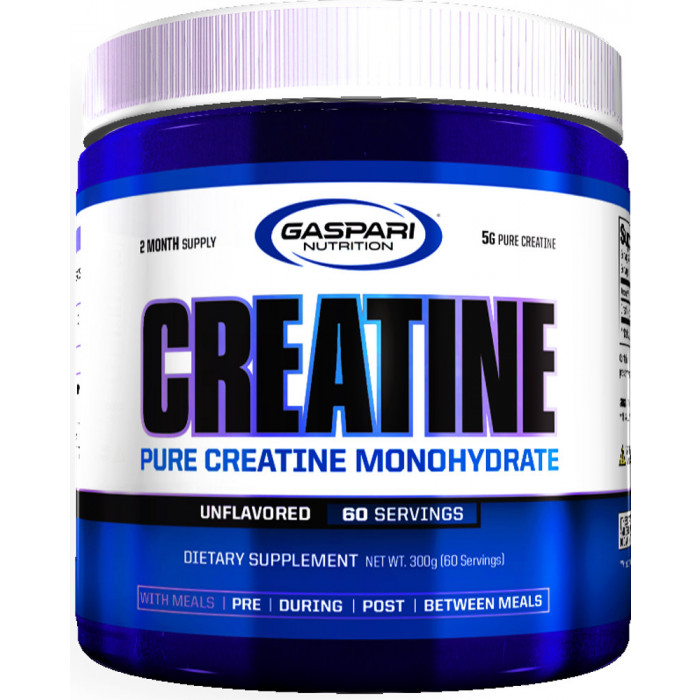
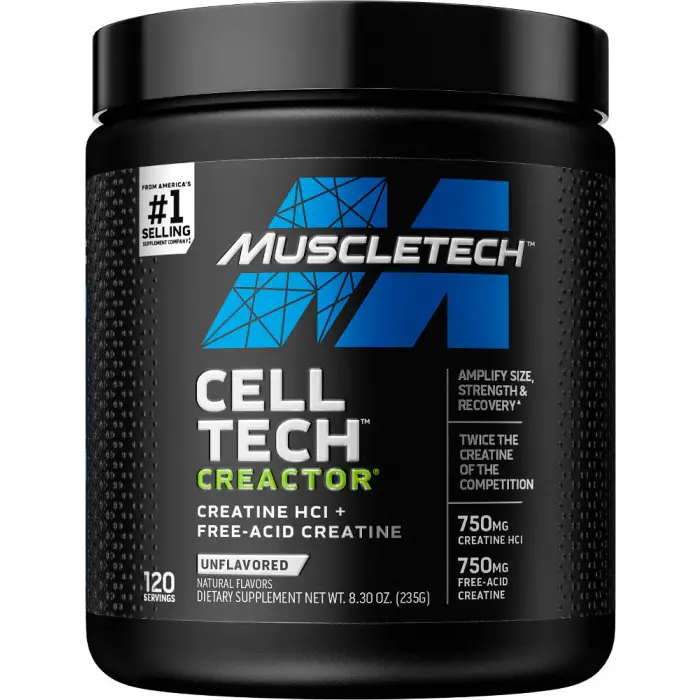
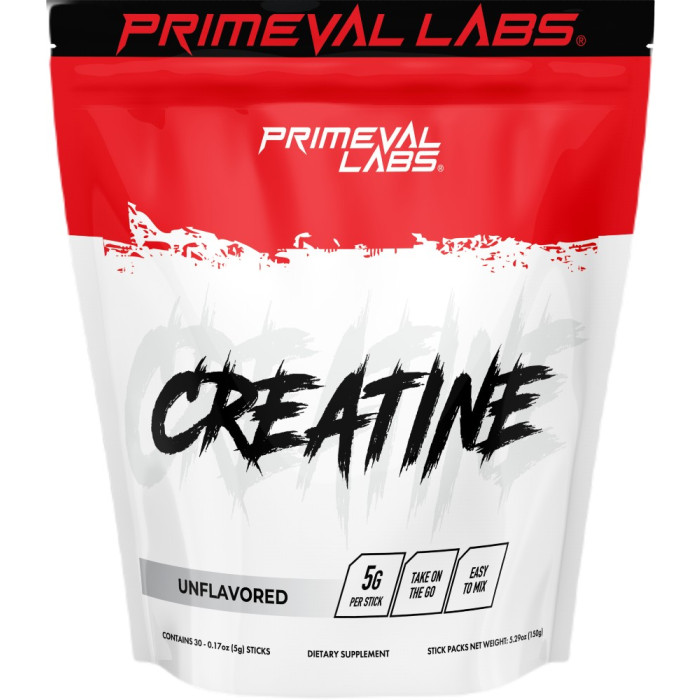
Best Creatine Supplements
What Is Creatine?
Creatine is a substance that is found in the human body and is used by the muscles for energy.
It’s a compound that occurs naturally in muscle tissue.
It supplies energy to cells throughout your body, primarily skeletal muscle cells.
During times of high-intensity physical activity or exercise, your body uses up energy stored in these cells in the form of ATP (adenosine triphosphate).
When ATP runs out, your body relies on creatine to replenish its energy stores and sustain further activity.
Sources of Natural Creatine
Creatine is found in animal-based foods such as red meat, poultry, fish and other seafood. Other dietary sources include eggs and dairy products.
The average adult consumes between 1–2 grams of creatine per day from food sources alone.
However, if you are looking to increase your intake beyond this amount then taking a creatine supplement may be an option for you.
Benefits of Taking Creatine
The primary benefit associated with taking creatine supplements is increased muscle mass due to improved muscle protein synthesis (MPS).
MPS is the process by which proteins are broken down into their constituent amino acids and reassembled into new proteins within muscle cells.
This leads to greater gains in lean muscle mass over time when combined with regular exercise and proper nutrition.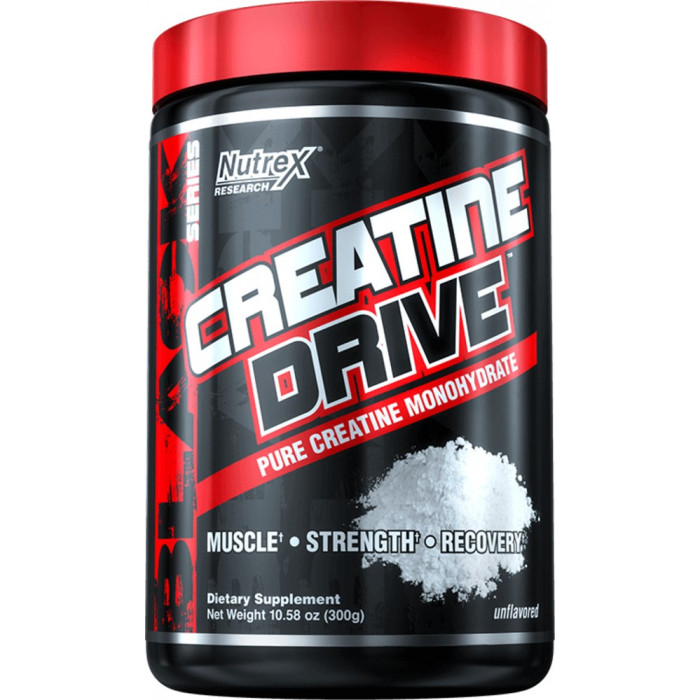
Additionally, research has shown that taking creatine can improve strength and power output during resistance training exercises as well as reduce fatigue and post-workout soreness.
Uses for creatine include:
- improving sport performance
- treating certain medical conditions
- and preventing muscle fatigue
Lastly, some studies have suggested that supplementation may also improve sport performance overall as well as provide treatment for certain medical conditions such as Parkinson’s Disease or muscular dystrophy.
Creatine vs Creatinine
Creatine and creatinine are two related substances that can be found in the human body. While the two substances have some similarities, there are also important differences between them.
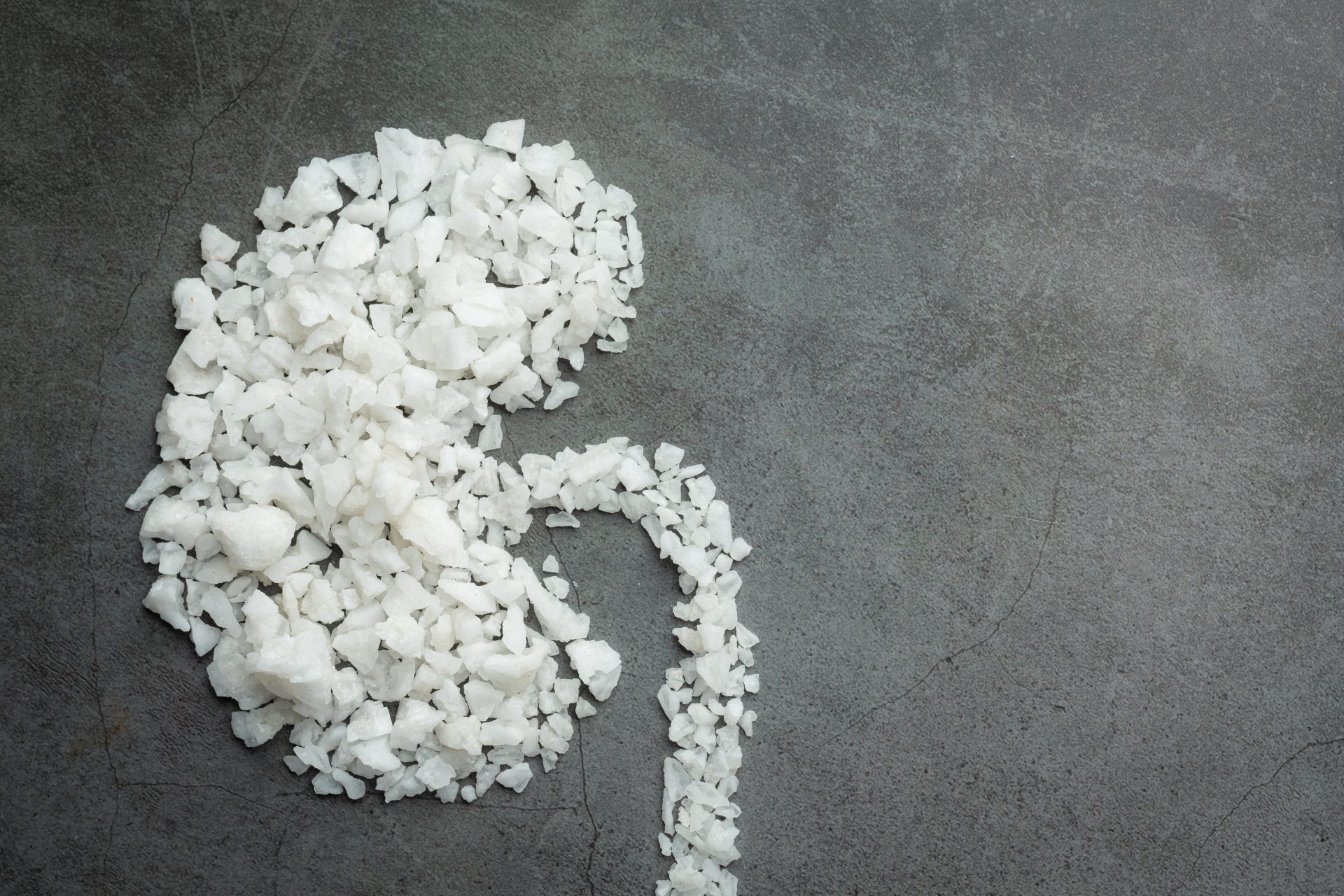
Creatine is an organic compound found naturally in the body and it plays a role in muscle energy production while creatinine is a secondary product of creatine metabolism and its main function is as a measure of kidney functioning.
Creatinine is basically a waste product of creatine and is removed from the body by the kidneys.
Creatine often needs to be supplemented in diet, whereas creatinine is produced internally.
Additionally, creatine comes with potential side effects, whereas excess creatinine can be eliminated through urine and therefore has no harmful effects.
Ultimately, understanding the differences between creatine vs creatinine can help inform both diet and medical choices surrounding muscle energy production.
Creatine
Creatine is an amazing substance found in the human body, and it plays a vital role in muscle energy.
It acts as an energy reserve for muscles, enabling them to produce more force so that they can grow and develop.

Creatine intake increases glucose utilization, ultimately providing more energy which not only helps build muscles but also contributes to enhanced performance and stamina in workouts.
Additionally, creatine has been seen to provide mental clarity during high-intensity training sessions by enhancing focus and alertness while reducing fatigue.
Through its ability to increase energy production and drive, creatine provides the body with what it needs to push through physical strain and reach those fitness goals.
Creatinine
As we said, creatinine is a waste product formed from creatine, an amino acid produced by creatine kinase and stored in skeletal muscle.
Our bodies eliminate creatinine through the kidneys in a process called filtration.
Healthy kidneys can produce concentrated urine that effectively filters out creatinine to maintain proper fluid balance throughout the body, ensuring that our organs are functioning well.
When creatinine is not sufficiently removed from the system, unfavorable health conditions such as kidney problems may occur.
Therefore, it is important to manage creatinine levels within your body and stay alert for any abnormalities. There are tests that will tell you how much creatinine you have in your body.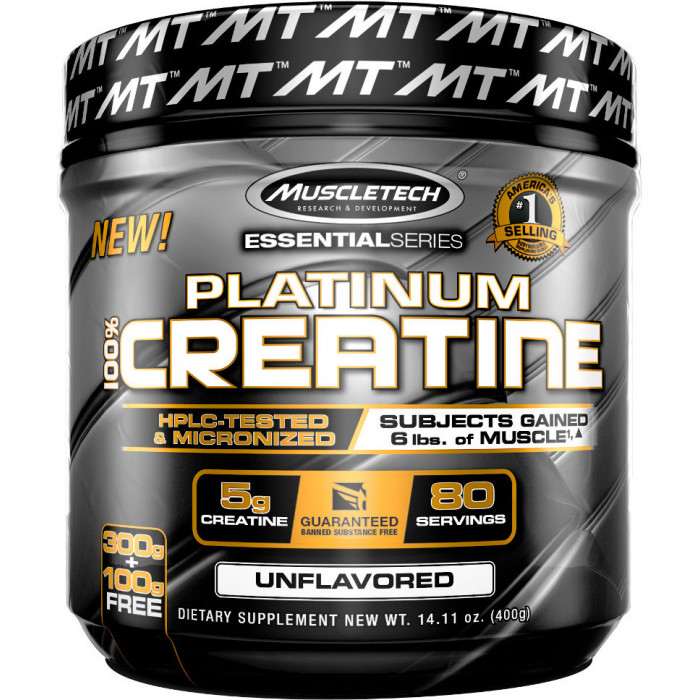
Potential Risks of Taking Too Much Creatine
Although not common, there are some potential risks associated with taking too much creatine including kidney damage or gastrointestinal problems such as nausea or diarrhea.
Additionally, some users have reported experiencing muscle cramping or injury due to overloading their muscles with too much creatine at once without allowing them time to rest properly between workouts.

It’s important to note that most cases of adverse side effects occur when users take more than 20 grams per day of the supplement which exceeds recommended dosage levels by health organizations such as the American Dietetic Association or National Institutes of Health (NIH) (trusted source).
Conclusion
In conclusion, creatine can be a beneficial supplement for those looking increase strength and power output during workouts or improve athletic performance overall when taken responsibly according to recommended dosage levels set forth by health organizations like the American Dietetic Association or National Institutes of Health (NIH).
As long as users follow these guidelines then they should experience all the benefits without any adverse side effects associated with excessive doses such as kidney damage or gastrointestinal problems like nausea or diarrhea.
That said, it’s always best to consult with a doctor before beginning any type of supplementation regimen so they can help ensure you are making safe decisions regarding your health and wellbeing!

