
Home Blog Page 22

Aspen Rae Workout Routine

0

Aspen Rae is a well-known fitness model and social media influencer who inspires her followers with her incredible physique and dedication to a healthy lifestyle. 

Her impressive workout routine has been the talk of the fitness world, as she manages to maintain her toned and muscular body while also promoting balance and flexibility. 

If you’re looking to achieve a body like Aspen Rae, you’re in luck! In this article, we’ll dive into the details of her workout routine and give you an inside look at how she stays fit and healthy. Get ready to take notes and hit the gym!

What Does Aspen Rae Workout Routine Look Like?

Aspen Rae’s fitness journey began during her teenage years when she was actively involved in marathons and other athletic sports activities such as swimming, laying a strong foundation for her current athletic physique. 

However, she soon realized that she wanted to go beyond being merely athletic and desired a muscular and aesthetic physique. 

To achieve this goal, she turned to a well-structured weight training regimen that helped her pack on lean muscle mass and achieve a toned and aesthetic appearance. 

Her progress and achievements fueled her motivation to train harder and aim higher, eventually leading her to win numerous figure competitions.

Aspen’s workout routine primarily focuses on high-volume training for each muscle group. She incorporates a variety of exercises to achieve maximum muscle activation and growth. 

This approach has led to her impressive physique and competitive success. In the following section, we’ll take a closer look at Aspen Rae’s weekly workout routine.
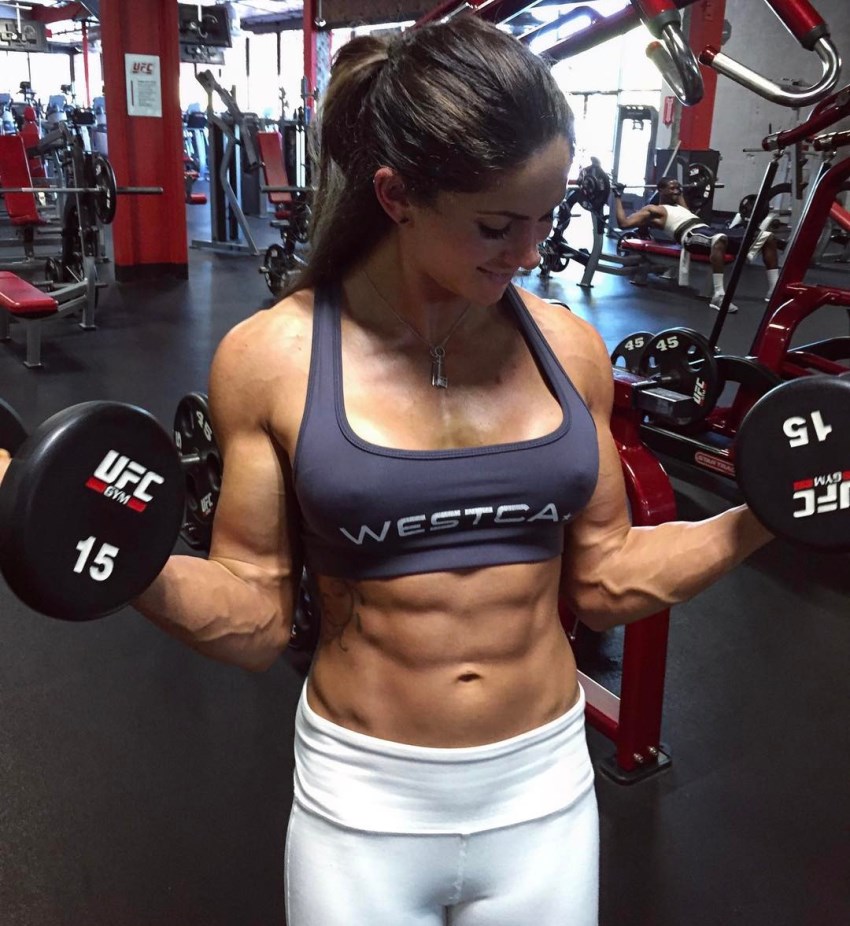
Aspen Rae

Breaking Down Aspen Rae’s Workout Routine

Aspen Rae’s workout routine is designed to focus on building and maintaining lean muscle mass while also promoting overall fitness and flexibility. 

She incorporates a variety of exercises that target different muscle groups, and she typically works out for an hour or two each day. Here’s a breakdown of her typical weekly workout routine:

Monday: Chest And Triceps

Aspen Rae starts her week with a focus on her chest and triceps. This includes exercises like bench press, incline dumbbell press, and cable fly to target her chest muscles, as well as tricep pushdowns and skull crushers to build strength in her triceps.

  • Bench Press (4 sets x 10 reps)
  • Incline Dumbbell Press (3 sets x 12 reps)
  • Cable Fly (3 sets x 15 reps)
  • Tricep Pushdowns (3 sets x 15 reps)
  • Skullcrushers (3 sets x 12 reps)

Tuesday: Back And Biceps

On Tuesdays, Aspen Rae switches gears to focus on her back and biceps. She includes exercises like deadlifts, lat pulldowns, and seated cable rows to target her back muscles, as well as hammer curls and preacher curls to build strength and definition in her biceps.

  • Deadlifts (4 sets x 8 reps)
  • Lat Pulldowns (3 sets x 12 reps)
  • Seated Cable Rows (3 sets x 12 reps)
  • Hammer Curls (3 sets x 12 reps)
  • Preacher Curls (3 sets x 12 reps)

Wednesday: Cardio And Abs

Mid-week, Aspen Rae incorporates a day dedicated to cardio and core work. This includes 30 minutes of high-intensity interval training (HIIT) to get her heart rate up and burn calories, as well as planks, bicycle crunches, and leg raises to strengthen and tone her abs.

  • 30 minutes of high-intensity interval training (HIIT)
  • Planks (3 sets, 1 minute each)
  • Bicycle Crunches (3 sets x 15 reps)
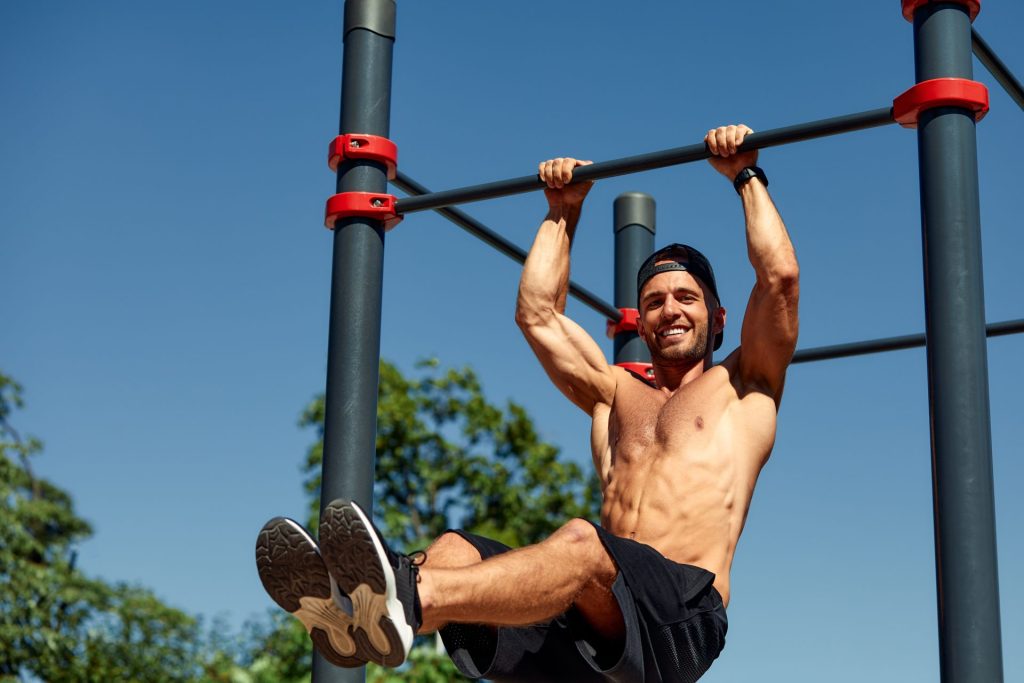
  • Leg Raises (3 sets x 15 reps)

Thursday: Shoulders And Legs

Thursdays are all about targeting Aspen Rae’s shoulders and legs. This includes exercises like military press, dumbbell lateral raises, and leg press to build her shoulder and leg muscles, as well as leg curls and calf raises to add definition and strength to her legs.

  • Military Press (4 sets x 10 reps)
  • Dumbbell Lateral Raises (3 sets x 12 reps)
  • Leg Press (4 sets x 10 reps)
  • Leg Curls (3 sets x 12 reps)
  • Calf Raises (3 sets x 15 reps)

Friday: Full-Body Circuit

Aspen Rae finishes off her week with a full-body circuit workout, incorporating exercises like jump squats, push-ups, and burpees to get her heart rate up and target multiple muscle groups at once. She also includes Russian twists and mountain climbers to challenge her core and build endurance.

  • Jump Squats (3 sets x 15 reps)
  • Push-Ups (3 sets x 15 reps)
  • Burpees (3 sets x 15 reps)
  • Russian Twists (3 sets x 20 reps)
  • Mountain Climbers (3 sets x 20 reps)

Saturday And Sunday: Rest And Recovery

It’s worth noting that Aspen Rae likes to switch up her routine from time to time to keep her body guessing and avoid plateaus. Additionally, she emphasizes the importance of proper nutrition and rest in achieving fitness goals.

An Overview Of Aspen Rae’s Diet Plan 

Aspen must not only adhere to a rigorous training regimen but also ensure that she is properly nourishing her body. As a result, she adheres to a diet that is abundant in all the essential nutrients her body needs to remain in shape and perform at its best.

Aspen Rae’s diet consists of foods that are abundant in lean proteins, complex carbohydrates, and healthy fats.

Aspen’s commitment to healthy eating is demonstrated by the fact that she measures her food intake at every meal, regardless of whether she is in season or not. And this strategy of consuming precisely the right foods in the right proportions has given her the body that millions of people admire.

Aspen Rae’s daily meal schedule includes six meals. Let’s take a comprehensive look at it:

Meal 1

Meal 2

  • Baked sweet potatoes
  • Steamed broccoli
  • Grilled chicken

Meal 3

  • Brown rice
  • Steamed veggies
  • Grilled fish

Meal 4

  • Brown rice
  • Grilled chicken
  • Avocado

Meal 5

  • Steamed veggies
  • Grilled fish

Meal 6

  • Sweet potato
  • Chicken breast
  • Avocado

Decoding Aspen Rae’s Supplement Stack

Aspen Rae’s supplement stack is an essential component of her fitness routine, helping her achieve optimal performance and recovery. Here’s a breakdown of the supplements that Aspen Rae incorporates into her regimen:

  • Aspen Rae consumes whey protein to meet her daily protein requirements and aid in muscle recovery and growth.
  • Branched-chain amino acids (BCAAs) are a popular supplement for athletes and bodybuilders as they help reduce muscle breakdown during intense workouts and promote muscle protein synthesis. Aspen Rae includes BCAAs in her supplement stack to enhance her workout performance and support muscle growth.
  • Creatine is a naturally occurring compound found in the body that helps produce energy during high-intensity exercise. Aspen Rae includes creatine in her supplement stack to increase her strength and power during workouts.
  • Aspen Rae takes pre-workout supplements to boost her energy, focus, and endurance during workouts. This helps her perform at her best and achieve optimal results.
  • Fish oil supplements provide omega-3 fatty acids that support heart health, brain function, and reduce inflammation. Aspen Rae incorporates fish oil supplements into her diet to support her overall health and aid in recovery after intense workouts.

Conclusion

Aspen Rae’s fitness journey is a testament to the power of dedication, hard work, and a structured fitness and nutrition routine. Her commitment to her goals and willingness to push herself has led to her impressive physique and competitive success.

Her workout routine focuses on high-volume training for each muscle group, incorporating a variety of exercises to achieve maximum muscle activation and growth. Her diet plan prioritizes nutrient-dense, balanced meals, with an emphasis on high-protein, moderate-carbohydrate, and low-fat foods to support her active lifestyle.

In addition, Aspen Rae’s supplement stack is personalized to her needs and preferences, helping her achieve optimal performance and recovery.
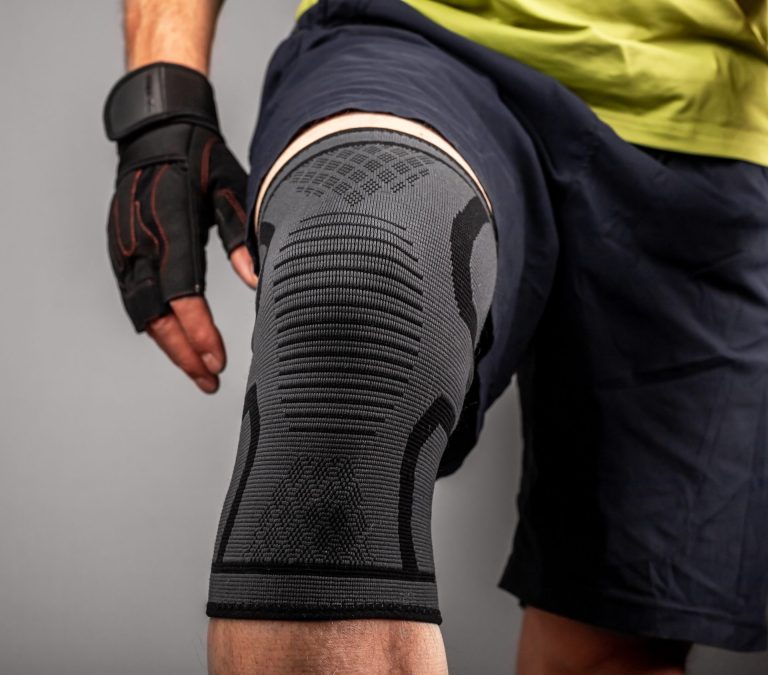
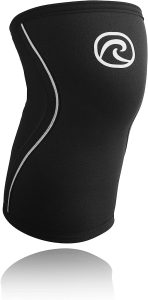
Best Knee Sleeves for Squats – Maximize Your Performance

0

Are you looking to improve your squat game? Knee sleeves might just be the missing piece of the puzzle. But with so many options on the market, which ones are the best for you?

Squatting is a complex movement that requires proper technique, form, and stability, especially in the knees. Knee sleeves can provide support, warmth, and compression, which can enhance performance and reduce the risk of injury. However, not all knee sleeves are created equal.

If you want to maximize your squatting performance, you need to find the right knee sleeves that fit your needs and preferences. In this article, we have compiled a list of the best knee sleeves for squats, based on material, thickness, durability, and user reviews. Keep on reading to find out which knee sleeves can help you reach your squatting goals.

Best Knee Sleeves for Squats

Factors To Consider When Choosing Knee Sleeves

Whether you’re an athlete looking for performance enhancements or someone seeking relief from knee pain, these considerations can help you make an informed decision.

A. Material And Construction:

  • Neoprene: Neoprene is a popular material for knee sleeves due to its elasticity, durability, and ability to retain heat. It provides compression and support to the knee joint, promoting stability and reducing the risk of injury.
  • Compression and thickness: The level of compression and thickness of the knee sleeves can vary. Higher compression can provide better support, while different thickness options cater to individual needs. Thicker sleeves offer more support and warmth, while thinner ones are lighter and allow for more mobility.
  • Durability and flexibility: Look for knee sleeves made from durable materials that can withstand regular use and washing. Flexibility is also crucial as it ensures a comfortable fit and allows for a full range of motion during activities.

B. Sizing And Fit:

  • Accurate measurements for the right fit: Take accurate measurements of your knee circumference to ensure a proper fit. Most manufacturers provide size charts to help you choose the right size.
  • Proper sizing guidelines from manufacturers: Different brands may have variations in sizing, so refer to the manufacturer’s sizing guidelines to find the best fit for your knees.
  • Consideration of individual preferences and comfort: Consider your individual preferences for fit and comfort. Some people prefer a snug fit for maximum support, while others may prefer a slightly looser fit for increased mobility.

C. Performance Enhancements:

  • Heat retention and increased blood flow: Neoprene knee sleeves can retain heat, which helps improve blood flow to the knee joint. This increased circulation can aid in reducing stiffness and promoting faster recovery.
  • Reduced joint pain and inflammation: The compression provided by knee sleeves can help reduce joint pain and inflammation. This is particularly beneficial for individuals with conditions like arthritis or those recovering from knee injuries.
  • Improved proprioception and squat mechanics: Knee sleeves can enhance proprioception, the body’s awareness of its position in space. This can improve stability and technique during exercises like squats, allowing for better control and reduced risk of injury.

best knee sleeves for squats

Best Knee Sleeves For Heavy Squats

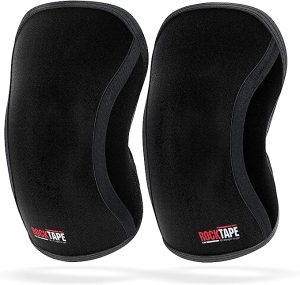
RockTape Assassins Knee Sleeves:

RockTape Assassins Knee SleevesRockTape Assassins knee compression sleeves have gained recognition for their unique design and performance-enhancing features.

The 5mm neoprene construction provides ample support and compression while allowing for natural movement.

These sleeves also incorporate a silicone panel around the patella (kneecap) to aid in tracking and reduce the risk of misalignment during heavy squats.

Product Features:

  • Support, compression, and warmth to your knees during any activity.
  • Two levels of support with 5mm and 7mm neoprene thicknesses are available.
  • Perfect for general workouts and WODs or exclusively weightlifting, or if you need extra support due to knee pain.
  • Helps reduce swelling and provides protection against injury.
  • Designed to perform in any environment, from the gym to the great outdoors.
  • The lightweight and breathable design keeps you comfortable during intense workouts.

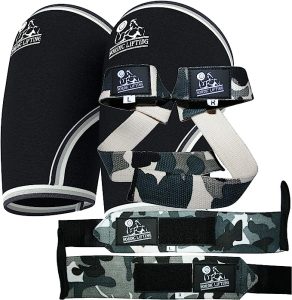
Nordic Lifting Knee Sleeves:

Nordic Lifting Knee SleevesNordic Lifting knee sleeves combine quality craftsmanship with affordability, making them a popular choice for lifters on a budget. These 7mm thick neoprene sleeves provide substantial compression, heat retention, and support for heavy squats. Whether you’re a powerlifter, cross fitter, or weightlifting enthusiast, these sleeves can withstand the toughest squat sessions.

Product Features:

  • 7mm compression sleeves provide the perfect level of support, without being too restrictive.
  • Durable, heavy-duty cotton construction ensures long-lasting use and performance.
  • Knee sleeves are available in Medium size and feature a black finish for a sleek look.
  • Wrist wraps and Lifting straps are available in Camo Grey finish.
  • The set includes 1 pair of wrist wraps and 1 pair of lifting straps.
  • Check the listing images for the sizing chart to ensure you get the right fit.
  • Includes a 1-year free, no-hassle replacement guarantee for peace of mind.
  • Perfect for athletes, fitness enthusiasts, and anyone looking to take their workouts to the next level.

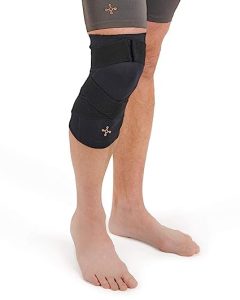
Tommie Copper Knee Sleeves

Tommie Copper Knee SleevesThe Tommie Copper knee sleeves are designed to provide targeted compression to the knee joint. They are constructed from a blend of copper-infused nylon and spandex, which helps reduce inflammation and speeds up the recovery process after a heavy squat session.

Product Features:

  • Adjustable Ultra-Flex Stability Straps provide customized support and a tailored fit.
  • 4D stretch compression fabric delivers unrivaled stretch and recovery.
  • UPF 50 for added sun protection during outdoor activities.
  • Patented Copper Energy technology provides increased odor control.
  • Wicking and breathable fabric keeps you dry and comfortable.
  • Unisex design fits both men and women.
  • Available in black and medium size.

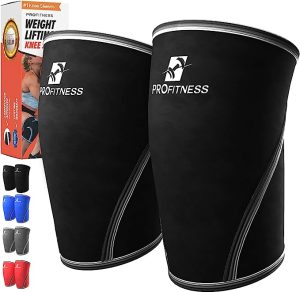
ProFitness Knee Sleeves

If you’re looking to bring your weightlifting game to the next level, the ProFitness Knee Sleeves are what you need. Perfect for both men and women, this knee sleeve set is designed to keep you comfortable and safe during intense workouts.

Product Features:

  • Extra-thick, 7mm premium neoprene material for optimal warmth retention and muscle stabilization.
  • Non-slip, gripping technology to keep the sleeves in place during intense workouts.
  • Ergonomic design for a snug and comfortable fit that hugs without pinching or riding up.
  • Washable construction for easy maintenance.
  • Comes with a carrying bag with a zippered outer pocket for personal items and drawstring closure.
  • Suitable for both men and women.
  • Perfect for working out, squatting, powerlifting, and more.

Rehband 7mm Knee Sleeves:

Renowned for their exceptional durability and versatility, Rehband 7mm knee sleeves have become a staple for many lifters. Made from neoprene, these sleeves provide unparalleled compression and joint support. The thick 7mm design offers optimal stability without sacrificing flexibility. Additionally, Rehband knee sleeves help maintain proper knee alignment during squats, reducing the risk of injury and enhancing overall performance.

Product Features:

  • Provides comfortable, flexible knee joint compression.
  • Acts as a mobile knee support that offers warmth and relieves pressure.
  • Offers reinforcement all the way around the knee.
  • Allows for a safe, optimal range of motion in any leg-driven activity.
  • Ideal for preventing strain or injury, or for faster recovery and rehabilitation.
  • Built on a patented anatomical fit.
  • Made with 7mm neoprene.

best knee sleeves for squats

Tips For Maintenance And Longevity Of Knee Sleeves

If not properly maintained, knee sleeves can lose their effectiveness and even pose a risk of injury.

Here are some tips for the maintenance and longevity of knee sleeves:

A. Cleaning And Care Instructions For Knee Sleeves

After every use, it is important to wash knee sleeves to remove sweat, bacteria, and dirt. Most knee sleeves are safe for machine washing, but it is recommended to use a gentle cycle and cold water and avoid using fabric softeners or bleach. Air-drying is the best way to dry knee sleeves, as high heat or tumble drying can damage the elastic fibers.


B. Proper Storage And Drying Techniques

Knee sleeves should be stored in a cool, dry place, away from direct sunlight. Avoid storing them damp or folded, as this can lead to mold or damage to the material. To properly dry knee sleeves, turn them inside out and hang them up to air dry.

Avoid using a clothesline or drying in direct sunlight, as this can cause discoloration and damage to the fabric.

C. Recognizing Signs Of Wear And Tear Or Loss Of Elasticity

Over time, knee sleeves can lose their effectiveness and become less supportive. Signs of wear and tear include holes, tears, or fraying of the fabric, as well as loss of elasticity or compression.

If the knee sleeve is no longer providing the necessary support, it should be replaced to avoid further damage or risk of injury.

D. When To Replace Your Knee Sleeves

The lifespan of knee sleeves depends on the quality of the material and how often they are used. Some brands suggest replacing knee sleeves every 6 months to a year, while others may last longer with proper care.

It is important to inspect knee sleeves regularly for signs of wear and tear and to replace them once they are no longer providing the necessary support or compression.

Summing Up

Investing in knee sleeves is an excellent way to maximize your performance and ensure that your knees are protected during heavy lifting exercises such as squats. With our top picks for the best knee sleeves on the market, you have a variety of options to choose from based on your needs and preferences.

Whether you’re a powerlifter, weightlifter, or simply looking to improve your workout routine, knee sleeves can make a significant difference in your comfort and performance. So go ahead and take the next step towards enhancing your training with knee sleeves – your knees will thank you for it!


Best Shoes For Achilles Tendonitis: 7 Supportive Picks for Comfort

0

Achilles tendonitis, a common ailment among athletes and fitness enthusiasts, can be debilitating if left untreated. This injury occurs when the Achilles tendon, a thick band of tissue connecting the calf muscles to the heel bone, becomes inflamed or irritated. It can lead to pain, swelling, and decreased mobility, hindering your performance and overall well-being.

The right footwear can make a significant difference in managing Achilles tendonitis. Shoes that provide proper support, cushioning, and stability can help alleviate discomfort and promote healing. This comprehensive guide will explore the best shoes for Achilles tendonitis in 2023. These shoes are carefully selected based on scientific principles, user reviews, and expert recommendations to ensure you find the perfect fit for your needs.

Best Shoes For Achilles Tendonitis

Best Running Shoes For Achilles Tendonitis

Best Shoes For Achilles Tendonitis

1. ASICS Gel-Kayano 28

The ASICS Gel-Kayano series has been a trusted choice for runners and athletes for years, and the Gel-Kayano 28 continues to impress.

With its combination of Gel cushioning technology and the Dynamic DuoMax support system, these shoes provide exceptional shock absorption and stability. This means less strain on your Achilles tendon during each step.

The Impact Guidance System enhances your natural gait, reducing the risk of overpronation and promoting proper foot movement.

These shoes offer a comfortable and supportive option for individuals with Achilles tendonitis. Plus, they come in various colors and styles to suit your personal preferences.

Key Features:

  • Gel cushioning technology for shock absorption.
  • Dynamic DuoMax support system for stability.
  • Impact Guidance System for a smoother stride.
  • Rubber sole for excellent traction and durability.
  • 3D SPACE CONSTRUCTION feature improves compression at footstrike for a more responsive and cushioned feel.
  • MONO-SOCK upper construction provides targeted support and a comfortable foothold.

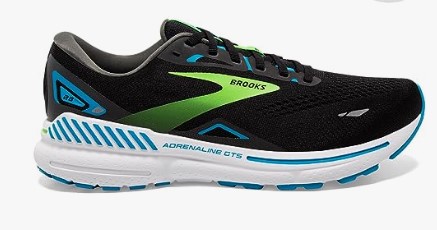
2. Brooks Adrenaline GTS 23

Brooks has a reputation for creating running shoes that prioritize both comfort and performance. The Adrenaline GTS 23 is no exception.

It features the innovative GuideRails support system, which focuses on keeping your knees in alignment, indirectly reducing stress on your Achilles tendon. This support system is especially beneficial if you have a tendency to overpronate.

The BioMoGo DNA cushioning adapts to your specific stride, providing a personalized level of comfort. Additionally, the breathable mesh upper ensures your feet stay cool and dry, preventing excessive sweating and discomfort.

Whether you’re a dedicated runner or just looking for everyday shoes, the Brooks Adrenaline GTS 23 is worth considering.

Key Features:

  • GuideRails support system for stability.
  • BioMoGo DNA cushioning for adaptive comfort.
  • Breathable mesh upper for ventilation.
  • New midsole with DNA LOFT v2 cushioning offers a soft and lightweight feel for maximum comfort during your runs.
  • Ideal for individuals with specific foot needs, as it is a certified PDAC A5500 Diabetic shoe.
  • The APMA Seal of Acceptance further showcases the quality and reliability of this running shoe.

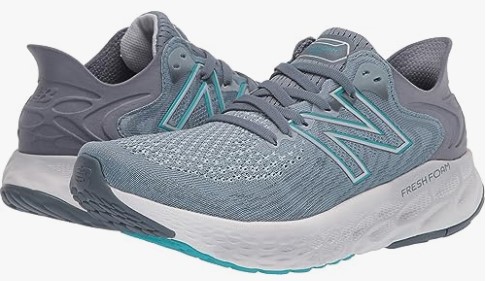
3. New Balance Fresh Foam 1080v11

New Balance has long been associated with quality athletic footwear, and the Fresh Foam 1080v11 lives up to that reputation. The Fresh Foam midsole offers superior cushioning, reducing the impact on your Achilles tendon with each step. This plush cushioning also provides a comfortable and supportive feel for all-day wear.

The Ultra Heel design ensures a secure fit, reducing the risk of blisters or chafing. These shoes are also lightweight and breathable, making them ideal for long walks or runs. If you’re looking for a shoe that combines comfort and style, the New Balance Fresh Foam 1080v11 should be on your radar.

Key Features:

  • Fresh Foam midsole for plush cushioning.
  • Ultra Heel design for a secure fit.
  • Lightweight and breathable.
  • Ortholite sockliner for added comfort and moisture management.
  • Synthetic sole for traction and durability.
  • Fresh Foam midsole cushioning for an ultra-cushioned and lightweight ride.

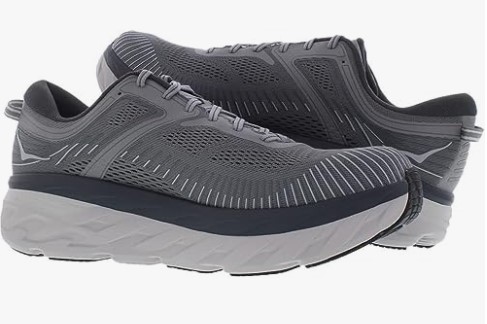
4. Hoka One One Bondi 7

Hoka One One is known for its maximalist approach to cushioning, and the Bondi 7 exemplifies this philosophy. The thick EVA midsole provides exceptional cushioning, reducing the impact on your Achilles tendon and joints. This makes it an excellent choice for those with Achilles tendonitis or other related issues.

The Meta-Rocker technology encourages a smooth, rolling motion, reducing strain on your Achilles tendon during your gait cycle. Moreover, the roomy toe box allows your toes to splay naturally, preventing discomfort and pressure points.

If you’re searching for maximum cushioning and a comfortable fit, the Hoka One One Bondi 7 is a top contender.

Key Features:

  • Thick EVA midsole for maximum cushioning.
  • Meta-Rocker technology for a smooth ride.
  • Roomy toe box for comfort.

Best Shoes For Achilles Tendonitis

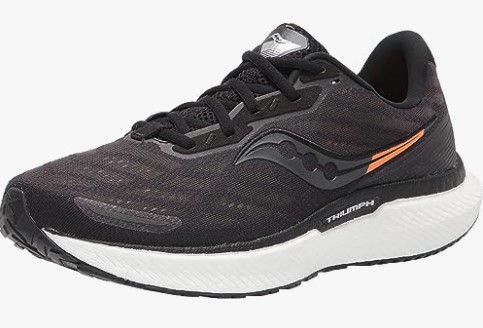
5. Saucony Triumph 19

The Saucony Triumph 19 is another excellent option for those dealing with Achilles tendonitis. It features PWRRUN+ cushioning, which offers a responsive and comfortable feel while reducing the impact on your Achilles tendon. This cushioning technology provides a balance between support and flexibility.

The FORMFIT technology ensures a personalized fit, conforming to the shape of your foot for maximum comfort. These shoes are also designed to be flexible and breathable, making them suitable for various athletic activities.

Whether running, walking, or hitting the gym, the Saucony Triumph 19 can help alleviate the discomfort associated with Achilles tendonitis.

Key Features:

  • PWRRUN+ cushioning for responsive comfort.
  • FORMFIT technology for a personalized fit.
  • Flexible and breathable design.
  • Suitable for running on different terrains and surfaces, making it versatile for various training sessions and races.
  • The shoe is made with 100% leather, offering long-lasting durability and support.

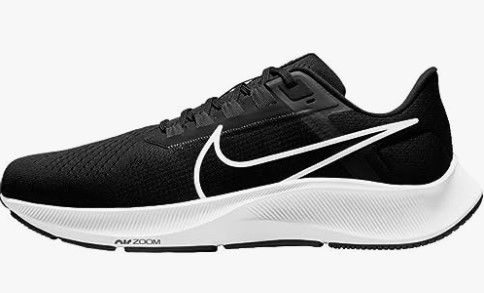
6. Nike Air Zoom Pegasus 38

Nike is a household name in the sports and fitness industry, and the Air Zoom Pegasus 38 is a standout choice for those with Achilles tendonitis. These shoes feature Zoom Air cushioning in the forefoot, providing responsive support and reducing impact on the Achilles tendon.

The lightweight and breathable mesh upper keep your feet comfortable and cool during workouts. With a wide range of color options, you can find a style that suits your taste. Nike’s commitment to performance and innovation makes the Air Zoom Pegasus 38 a reliable choice for individuals seeking comfort and support.

Key Features:

  • Zoom Air cushioning for responsive support.
  • Lightweight and breathable mesh upper.
  • Wide range of color options.

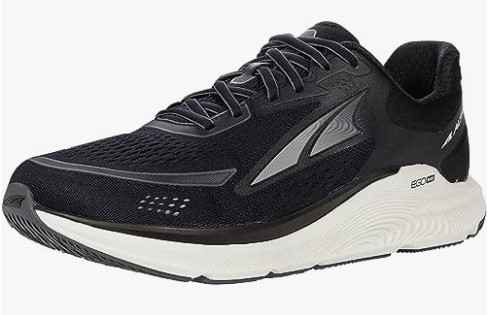
7. Altra Paradigm 6

Altra is known for its commitment to natural running form, and Paradigm 6 exemplifies this philosophy. With Balanced Cushioning, these shoes encourage a natural foot position, reducing strain on the Achilles tendon. The FootShape toe box allows your toes to spread naturally, providing stability and comfort.

The Stabilipod technology enhances stability, especially for those with pronation issues. These shoes are designed for both road and trail running, making them versatile for various outdoor activities. If you’re looking for a shoe that prioritizes natural movement and comfort, the Altra Paradigm 6 is a top choice.

Key Features:

  • Balanced Cushioning for a natural foot position.
  • FootShape toe box for stability and comfort.
  • Stabilipod technology for enhanced stability.

Conclusion

Achilles tendonitis can be challenging to manage, but the right footwear can make a significant difference in your comfort and recovery. The best shoes for Achilles tendonitis provide the necessary support, cushioning, and stability to reduce strain on your Achilles tendon while allowing you to continue your athletic pursuits.
Remember that individual preferences and needs vary, so it’s essential to try on different shoes and consult with a healthcare professional or podiatrist if you have specific concerns or requirements. Investing in quality footwear tailored to your condition is a wise choice that can improve comfort and mobility while minimizing the impact of Achilles tendonitis on your active lifestyle. Choose the shoe that best suits your needs, and step confidently toward your fitness goals in 2023.

How Long Does It Take To Get Ripped

0

Are you looking to get ripped? If so, it cannot be easy to know how long the process should take. Every person is different, and a range of factors will affect the time it takes for you to reach your goals – from your age and current fitness level to the intensity of the workouts you do and the type of diet you follow.

So instead of focusing on a specific timeline, it’s important to focus on what you can do now to begin making progress. It’s important to remember that getting “ripped” is not just about increasing muscle mass but also shedding body fat.

That said, some general guidelines can help you estimate how long it might take you to get ripped. Let’s delve into the details and see what it takes to get ripped quickly!

The Ultimate Guide to Getting Ripped

How To Follow A Diet To Get Ripped

Eating right is an essential part of achieving a ripped physique. Protein is especially important when trying to build muscle mass; make sure your protein sources are lean cuts of meat like chicken breasts or turkey thighs, fish such as salmon or tuna, and low-fat dairy products such as yogurt or cottage cheese. 

YOU’LL ALSO NEED HEALTHY CARBOHYDRATES SUCH AS WHOLE GRAINS, OATS, QUINOA, SWEET POTATOES, AND BROWN RICE.

When choosing carbs, opt for complex carbohydrates high in fiber, such as beans and legumes – these will provide sustained energy throughout the day without spiking your blood sugar levels.  

Consume fewer processed foods like white bread and pasta as these do not provide your body with the same nutritional benefits as unprocessed whole grains.

The number of calories you need will depend on factors such as height, weight, activity level, age, etc., but most people looking to get ripped should aim for around 2000-2500 calories per day spread out over 3-5 small meals throughout the day

Ensure you’re getting enough protein (1-2g/lb) every day and healthy fats (25-35% of total calorie intake) from sources like nuts & seeds or avocados & olive oil. Also, remember that getting enough sleep is important when trying to get ripped – aim for 8 hours per night!

How Long Does It Take To Get Ripped

Exercise: 

Exercise is a crucial component in getting ripped quickly because it helps you build muscle mass while burning fat at the same time.

YOU HAVE TO FOCUS ON STRENGTH TRAINING EXERCISES LIKE SQUATS, DEADLIFTS, BENCH PRESSES, ROWS, PULL-UPS/CHIN-UPS, AND OTHER COMPOUND EXERCISES THAT SIMULTANEOUSLY WORK FOR MULTIPLE MUSCLE GROUPS.

Additionally, adding HIIT cardio (high-intensity interval training) into your routine can help accelerate fat loss while still allowing you to maintain muscle mass by providing short bursts of cardiovascular activity during weight-lifting or in separate sessions altogether. 

Body Fat Percentage & Body Composition: 

When it comes to getting ripped quickly, body fat percentage and body composition are key components in achieving visible muscle definition, giving your body a ‘ripped’ appearance. To achieve this goal quickly, it’s important to stay within 10-12% body fat for men or 18-20% for women—which is considered the optimal range for visible muscle definition without sacrificing overall health or well-being to do so.

Additionally, focusing on building lean muscle mass through strength training exercises rather than bulking up too much will also help reduce excess body fat faster while still allowing you to achieve the desired results more quickly than if solely relying on cardio alone. 

Length Of Workouts: 

Depending on your current fitness level and goals, there is no one size fits all approach when it comes to workout duration, but generally speaking, most experts recommend engaging in at least 30 minutes of moderate physical activity every day with at least three days of full-length strength training sessions lasting between 45 minutes – 1 hour per session per week depending on individual preferences such as number sets/reps/tempo, etc.

Doing so will ensure that you can maximize gains while minimizing injury risk associated with overtraining or doing too much too soon!

What To Expect When Getting Ripped: A Timeline

1 Week – 1 Month 

It would be best to start by evaluating your current lifestyle and diet habits at the beginning stages of your journey to get ripped. This includes looking at how many calories you take in daily and what kind of physical activity you are engaging in. From there, creating a realistic plan that considers your goals, time constraints, and budget is important. 

This first month should focus on building healthy eating habits and increasing your activity level with lightweight training and moderate cardio activities such as running or cycling. It is important to do what is necessary because doing too much too soon can set you up for burnout or injury later on.

You should also pay attention to any changes in your energy levels and mood, which may indicate that something needs to be adjusted with your diet or exercise program. 

How Long Does It Take To Get Ripped

2 Months – 6 Months 

After about two months of following a healthy lifestyle and consistent workout routine, you should start seeing some visible results from all the hard work you’ve been putting in. During this period, you may need more motivation than usual, so don’t forget to reward yourself with small treats every once in a while! 

By the fourth month of intense training, most people have already reached their weight or body composition goals, such as having six-pack abs or achieving “ripped” status— although it is important to note that everyone’s journey will look different! 

It is important to continue making gradual adjustments at this stage, such as increasing intensity during workouts or introducing new exercises into your routine if necessary. Pay close attention to each change’s results so that adjustments can be made accordingly until the desired outcome is achieved.

Additionally, ensure that proper nutrition remains an integral part of your plan; without adequate nutrition, all the hard work put into working out will be for nothing! 

7+ Months  

By now, you should have seen significant progress towards achieving a ripped physique, depending on how closely you have followed your training program and maintained proper nutrition habits throughout the journey thus far.

If not, take some time to evaluate where things may have gone wrong so that corrections can be made if needed. Otherwise, continue making small adjustments if necessary but remember to do it sparingly! 

How Long Does It Take To Get Ripped

How To Get Shredded: 8 Quick Tips 

Here are eight quick tips that will help you get shredded. 

Increase Your Metabolism 

Eating smaller meals throughout the day can help increase your metabolism, which can help you reach your goal faster by allowing your body to burn more calories each day. Eating frequently also helps keep hunger levels in check, so you don’t eat unhealthy snacks later in the day. 

Lift Weights 

Weight training is one of the best ways to increase strength and build muscle mass which will help you achieve a ripped physique faster than if you just focused on cardio alone. Aim for 3-4 weight training sessions per week focusing on compound movements like squats, deadlifts,s and presses that work multiple muscle groups at once for maximum effectiveness in minimal time. 

Track Your Progress 

Tracking your progress is key when trying to get ripped, as it allows you to monitor how well (or not) your current regimen is working out for you so that you can make any necessary changes quickly before too much time has passed without results being seen or felt.

Whether it be tracking calorie intake or tracking how much weight was lifted during a workout session—tracking will give you an insight into what needs to be changed or improved upon so that getting ripped becomes easier than ever before!  

Utilize Supplements 

Supplements can assist with reaching goals faster by providing essential nutrients and helping support energy levels during workouts or providing extra protein so that building muscle happens quicker than expected (always consult a health professional before using any supplements).

POPULAR SUPPLEMENTS AMONG THOSE LOOKING TO GET RIPPED INCLUDE WHEY PROTEIN POWDER, CREATINE MONOHYDRATE, OR BCAAS BRANCHED-CHAIN AMINO ACIDS).

Stay Hydrated 

Staying hydrated is key when trying to get shredded as water helps flush toxins out of the body while at the same time keeping muscles hydrated, which can prevent cramping during workouts or decrease soreness afterward due to proper recovery taking place due to ample fluids being taken in each day (aim for eight glasses/day).  

Adequate Rest & Recovery 

Getting adequate rest & recovery should never be overlooked when trying to achieve any fitness goal; this means getting 7-8 hours of sleep per night as well as taking 1-2 days off from working out per week so that injuries don’t occur from overtraining or hitting plateaus due lack of rest & recovery leading into new workout sessions each week feeling energized rather than drained from lack of proper rest & recovery having been taken into account between workouts training sessions throughout each week!   

Don’t Neglect Cardio 

Doing some cardio training, such as running, biking, swimming, etc., can help speed up results by burning additional calories while at the same time building endurance so that longer workouts become possible without feeling overly tired afterward due to having built-up an adequate level of cardiovascular endurance beforehand through regular bouts of cardio training each week!  

Ignore The Numbers On The Scale 

The number on the scale isn’t always indicative of progress since factors such as water retention are involved when determining weight; this means even if progress appears slow based on what’s shown on the scale—progress could still be taking place due to building lean muscle mass while losing fat simultaneously making it important never judge progress solely off what’s being shown on a scale but rather look at other metrics such as measurements made around various parts of the body where changes have been noticed over time instead!  

Conclusion

Reaching your goal of getting ripped is possible, but it will take time and dedication to achieve. The amount of time will depend on many factors such as your current fitness level, how much muscle you want to gain, and the intensity of your workouts. Most people can expect to see an improvement within a few weeks if they’re following a consistent workout routine, proper nutrition program and getting adequate rest each night.

Additionally, it’s important to remember that getting ripped is not only about exercise – it also involves developing healthy habits such as reducing stress and finding ways to stay motivated for the long-term.

Doing so will help you build a stronger body that is both mentally and physically strong. With consistency, discipline and patience, you can get ripped in no time!

How To Get a Heart Shaped Butt? Easy!

0

Heart-shaped or “romantic” buttocks feature a prominent gluteus maximus region. The key to lifting the area is to exercise the gluteus maximus and gluteus medius.

The ideal workout to “raise” the buttocks heart and give them a fuller form, according to trainer Xavier Quimbo, is lateral motions that grab the gluteus medius, which is placed higher, close to your waist. Backward leg extensions, when your legs meet your butt, are suggested by fitness instructor Tracey Mallet to work on your biceps.

Exercises for butt with a heart shape

  1. Resisted Side Steps: Begin by utilizing a rubber band to take side steps. Your calves should be covered by the band. When you stand with your feet hip-width apart, Quimbo continues, you should feel tension in the band. Straighten your spine, contract your abs, and step slowly to the side with your right leg. Step with the left foot next, re-establishing hip-width between them. After 10–12 steps, turn around and reposition your left foot.
  2. One Leg Sits: For safety and support during this exercise, use a chair as a guide for how far to sink. Lift your left leg off the ground in front of you as you balance on your right leg. Keep your abs firm and your back straight while sitting deeply on the right leg and extending your arms forward for balance. Don’t, though, just lay there. To really work the right muscles, the pelvis must be brought back. Perform 10–12 reps on each leg.
  3. Ballet Leg Raises: While performing the arabesque exercises, hold onto the chair for support. With your feet pointed out from your hips and your toes pointing out to the side, stand facing the chair. Pull your shoulders back and down while tightening your abdominals. For improved balance, rest your left forearm on the chair and your other hand on your right hip. Lift the right leg behind your body, just below the hip, keeping the left leg slightly bent.

Note: To allow the leg to be elevated that high, you will need to slightly lean forward. Don’t let a simple stoop ruin your posture.

Continue to stand in the same position while bending the working leg at an angle (knee bent 45-90 degrees and raised). Alternate legs after 10–12 knee bending repetitions.

Why Heart Shaped Butt Attracts Men?

Most people think that the heart shaped butt is the most attractive and desired shape. It is the closest to having a waist-to-hip ratio of 0.7 because of the smaller waist and larger hips.

For instance, several recognizable celebrities are well recognized for the size and shape of their behinds.

In addition to many other women, Kim Kardashian, Jennifer Lopez, and Iggy Azalea have all contributed to the widespread enthusiasm that everyone has been experiencing.

So If men get crazy with them, why won’t they get crazy with your butt too?

Let’s see how how will you achieve it…

10 Days Workout For Heart Shaped Butt

A month to achieve flawless buttocks? Try the hardest squat challenge for 30 days.

There are 12 distinct variants that will tone and tighten your physique. Try a different seat each day, or up the number of reps, and you’ll really see a difference in your physique.

The daily exercise simply only a few minutes at a time, but don’t disrupt your regular schedule. You will feel your lower body burning if you perform the Final Superset on the last day rather than exercising.

3 actions to take before beginning

Step 1: When executing the exercise, be mindful of your body posture.

Step 2: Make a commitment to setting aside some time each day to look and feel your best.

Step 3: Take a moment to admire your hard-earned physique in the mirror! You earn it.

Your exercises:

Day 1: Basic seat

  • To begin, stand with your feet shoulder-width apart, your elbows slightly bent, and your hands clasped in front of your chest.
  • Tighten your abdominal muscles and lower your body to sit. At the exercise’s lowest point, pause, then push through your glutes to return to the beginning position. Do 15 reps.

Day 2: Sitting with kick back

  • A: Place your feet shoulder-width apart when standing. Clench your fists in front of your chest and sit up, moving your weight to your heels.
  • B: Raise your left leg behind you without shifting your hip posture. Repeat with the second leg, then go back on the seat. Perform 20 repetitions.

Day 3: Back kick seat and basic seat

Combine the Day 1 basic seat with Day 2’s kick seat.

  • A: From the default seat, perform 15 reps.
  • B: Kicks from the seat for 15 repetitions.

Day 4: Back kick seat and basic seat

Combine the Day 1 basic seat with Day 2’s kick seat.

  • A: 20 repetitions from the default seat.
  • B: Kicks from the seat for 20 repetitions.

Day 5: Rest

Your lower body is being rested today. Do you want a couple additional seats? Hold out until tomorrow, please!

Day 6: Sumo sit

  • A: Place your feet hip-width apart while standing, pointing your toes slightly outward. Your hands should be on your hips.
  • Sit down while keeping your knees out and your chest up by pushing your hips back. Go back to the starting place. This is repeated once. Perform 15 repetitions.

Day 7: Sumo sit while moving your arms.

  • A: Stand with your feet wider than hip-width apart, knees slightly flexed, and feet pointed outward. Put your feet on the ground and sink into a deep seat, keeping your spine in a straight line and your chest raised. Push your hips back. You fix your gaze forward.
  • B: Stand up straight, raise onto your toes, stretch your arms upwards while keeping them near to your ears. Go back to your starting position. This is a recurrence.

20 repetitions should be performed.

Day 8: Sumo sit with arm mobility and sumo sit

  • A: Merge the upright sumo seat from Day 7 with the sumo seat from Day 6.
  • B: From the sumo seat, perform 15 reps.

Perform 15 arm movements from the sumo seat.

Day 9: Sumo sit plus Sumo sit while moving your arms.

  • A: Merge the handstand sumo seat from Day 7 with the sumo seat from Day 6.
  • B: From a sumo seat, perform 20 repetitions.

Perform 20 arm movements from the sumo seat.

Day 10: Run-off Challenge, is the last test.

Perform each exercise twice, with 5 reps each time. then celebrate your accomplishment by dancing!

Doja Cat Workout Routine

0

Doja Cat’s workout and diet plan have everyone buzzing, but what’s the secret to her impressive weight loss?

Doja Cat is one of the most glamorous personalities in the American music industry. The 27-year-old is a rapper, singer, and songwriter who has created many record-breaking songs in 2022. Besides her music, her fans are head over heels for her attractive and perfect-looking body. All thanks to her diet plan and workout regimen, Doja has achieved a healthy body that has helped her overcome her years-long body dysmorphia.

This article will answer all of the queries related to Doja Cat weight loss journey and cover everything from doja cat diet and workout routine to her fridge tour.

Let’s dive into it without any further.

Who is Doja Cat?

Amala Ratna Zandile Dlamini, popularly known as Doja Cat, is an American singer, songwriter, and rapper.

She has made a remarkable name in the music industry with her exceptional skills.

Everything from her melodious voice to her great looks and toned physique is incredibly admirable.

Not only does she has multiple sensational songs, but Doja also has a whopping following of 24.8 million on Instagram. She began her music career by uploading her songs on Sound Cloud as a teenager.

The sizzling beauty was born in Los Angeles, California, on October 21st, 1995. With a height of 5 ft. 5 inches and 55kg weight, she has a flaunting figure that every woman on the planet craves.

Recently, the star went on a weight loss journey that helped her enhance her slim body framework. It was most probably for her Grammy appearance or new music video. Let’s discuss how Doja lost 20 pounds in such a short period.

Here are Doja Cat’s stats:

  • Age: 27 years (2022)
  • Height: 5 feet 2 inches
  • Weight: 55 kg
  • Nationality: American

Doja Cat’s Workout Principles

Doja Cat believes her workout should be compiled so she can do it anywhere. Her routine is simple.

You can do it at home or in a hotel without much gym equipment.

It comes in handy when she is on tour, staying in different cities with limited gym resources and time. Furthermore, she loves integrating cardio and weight training exercises for profitable outcomes.

Moreover, Doja peaches that a healthy body is attainable with moderate diets and workouts.

Overdoing workouts and going on restrictive diets can worsen the matter.

Doja Cat Workout Routine

Doja’s weight loss journey is a dramatic one. Evolving from being overweight to getting the perfect body shape is all due to her dedication and hard work toward her workout routine.

In addition to being straightforward, Doja Cat’s workout routine consists of rigorous exercise. Furthermore, she likes incorporating targeted body work and cardio to lose weight.

Her strenuous workouts and balanced diet has been dramatically effective in losing 20 pounds of weight. She typically works out 3 to 4 times a week.

She doesn’t overdo exercising but instead listens to her body.

Here is a detailed outlook on Doja Cat’s workout routine:

Cardio

First off, her workout regime is lots of cardio.

Doja is a renowned artist for her incredible and mind-blowing dance performances in her concerts and shows.

So, dance practices and preparing for her live shows help her burn off extra calories. Besides this, she also likes running, swimming, and cycling.

Bodyweight Training

Here is a list of exercises provided by her trainer that Doja does to focus on bodyweight training:

These bodyweight exercises help Doja cat build endurance and strength.

These exercises are convenient since she can spend little time in the gym amidst her busy schedule. Moreover, these exercises are known to enhance mobility and benefit the gain of muscles.

In her Instagram live, Doja mentioned that she enjoys squats but struggles to do arm exercises due to “noodle” arms.

Doja Cat Weight Loss

Doja focused on making small, sustainable changes over time rather than drastic shifts in her lifestyle overnight.

She started by eating more whole foods, getting regular exercise, and focusing on small successes instead of the number on the scale.

These gradual shifts allowed her to create healthy habits that she could stick with over time.

doja cat weight loss

The Benefits of Taking a Gradual Approach

Doja Cat’s approach to weight loss resulted in many benefits that are applicable to anyone looking to make healthier lifestyle changes.

By making smaller, sustainable changes, she was able to stay motivated and see long-term success with her goals.

As she shifted her focus away from the number on the scale and celebrated her progress, she experienced improved mental health and self-love along the way.

Additionally, this process helped Doja become more aware of how food choices and lifestyle habits affect health outcomes.

Applying Doja Cat’s Story To Your Own Life

Doja Cat’s inspiring story can be applied to anyone looking to make healthier choices in their life.

Before you get started, it is important to understand your goals and motivations for weight loss so that you can formulate a plan that works for you specifically.

Once you have a plan set up, focus on creating sustainable habits that work with your lifestyle such as eating nutritious meals while still allowing room for indulgences every now and then.

You need to find an exercise routine that you enjoy doing regularly, practice self-appreciation, and focus on progress instead of perfection.

If you need it, seek support from friends or family members, or professionals if needed, and be patient with yourself throughout the entire process while celebrating small milestones along the way.

Diet Plan

To accomplish the body of her dreams and a healthy lifestyle, Doja had to make some massive changes in her eating habits.

It included avoiding alcohol and junk foods and having healthy meals. She started to opt for more plant-based meals and consume protein-rich foods.

Here’s a breakdown of what a typical day of eating looked like for Doja during her weight loss journey:

Breakfast

Two eggs and bread.

Lunch

Salmon/tuna and vegetables.

Snack

She enjoys drinking different juices throughout her day to obtain extra nutrients. She mostly prefers green or fruit juices.

Doja also likes eating seaweed crisps and coffee as a snack.

Dinner

Chicken steak with salads and spinach.

Cheat meals

Doja’s favorite cheat meals include pizza, cookies, and ice cream. She enjoys a cheat meal occasionally because she believes you’ll end up feeling deprived otherwise.

Besides maintaining a healthy and balanced diet, she makes sure to stay hydrated by drinking lots of water. Also, Doja likes eating high-fiber and low-fat meals in her everyday life.

Doja Cat doesn’t necessarily take supplements because her diet already consists of wholesome meals.

However l, sometimes she may take nutritional supplements like minerals and vitamins to facilitate her fitness goals.

Foods Doja Cat Loves Eating

On an Instagram live session, Doja Cat showed her fans what’s inside her fridge. The fridge was partially packed because of her busy schedule, but she always kept a stack of necessary items. Here’s what fans spotted during her fridge tour:

  • Quinoa
  • Water
  • Tuna
  • Kale

Final Recap

From the above discussion, we can conclude that Doja Cat wouldn’t overdo workouts and dieting to attain a fit body; she likes moderation. She is an inspiration for all young people struggling with their body weight.

Not only has she proved successful in her music career, but she has also debunked the conventional beauty standards and motivated many people to be happy with their looks.

CHECK ALSO MADISON BEER WORKOUT ROUTINE

Both before and after her weight loss journey, she faced a lot of body shaming about how she looks, but Doja being the savage she is, never let such hate comments come between her and her happiness.

We hope this article helped you find all answers related to Doja Cat diet and workout routine. We wish Doja Cat good health!

How to Flex Abs: Unleash Your Core Strength!

0

Are you tired of feeling self-conscious about your midsection? Want to strengthen and tone your core muscles? One way to achieve a toned abdomen is by flexing your abs regularly.

Many people believe that abs are made in the gym, but the truth is that abs are made in the kitchen. No matter how hard you exercise, if you don’t follow a healthy diet, you won’t see results. However, once you’ve got your diet under control, you can start working on strengthening your core muscles through exercises like ab flexes.

To achieve a strong core, you need to focus on a combination of diet and exercise. In this article, we’ll be discussing the benefits of performing ab flexes, as well as tips and tricks to help you maximize your results and unleash your core strength! So, whether you’re looking to improve your physique or simply feel more confident in your own skin, read on to discover how to flex your abs like a pro.

Understanding the Abdominal Muscles

To effectively flex your abs, it’s essential to understand the muscles that make up your core. The main muscles include the rectus abdominis, commonly known as the “six-pack” muscles, the obliques that run along the sides of your torso, and the transverse abdominis, which acts as a deep stabilizer. Each muscle group contributes to core stability and movement, helping you perform daily activities and exercise with efficiency.

While flexing your abs, using the correct form is crucial to prevent strain or injury. Incorrect technique can lead to imbalances or muscular imbalances, affecting your overall fitness. Maintaining proper posture and alignment during ab exercises is vital.

Focus on engaging the abs and avoiding excessive strain on the neck or lower back. Pay attention to your breathing, exhaling as you contract your abs and inhaling as you relax.

How To Flex Abs: Effective Exercises And Techniques:

how to flex abs

Warm-Up And Stretching

Before engaging in intense exercises, warm-up exercises are essential to increase blood flow and prepare your muscles. Incorporate dynamic movements like leg swings or torso rotations to get your body ready for the workout.

Additionally, stretching the abs can help improve flexibility and prevent injuries. Perform exercises like standing side bends or kneeling lunge stretches to stretch the abdominal muscles.

Basic Abdominal Exercises

Crunches

Crunches are a classic ab exercise that targets the rectus abdominis. Lie on your back, bend your knees, and place your hands behind your head. Lift your shoulders off the floor by contracting your abs, and slowly lower back down.

Focus on using your abs to perform the movement, rather than pulling your head forward. To add variety, you can try reverse crunches or bicycle crunches.

Planks

Planks are fantastic for engaging the entire core. Start in a push-up position, resting on your forearms. Keep your body in a straight line from head to toe, engaging your abs and glutes.

Hold the position for as long as you can, gradually increasing the duration as your strength improves. For increased intensity, try side planks or plank variations such as plank jacks or plank knee taps.

Progressive Ab Workouts

To continuously challenge your core and build strength, incorporate progressive workouts into your routine. These workouts gradually increase in difficulty, allowing your muscles to adapt and grow stronger.

Exercises such as Russian twists, leg raises, or mountain climbers can be added to your routine. Remember to progress gradually and avoid overexertion to prevent injuries.

Russian Twists

Russian twists primarily target the obliques, the muscles on the sides of your abs. Sit on the floor with your knees bent and feet flat on the ground. Lean back slightly and lift your feet off the floor, balancing on your glutes. Hold your hands together in front of your chest and twist your torso from side to side, touching the ground with your hands on each side.

Leg Raises

Leg raises are excellent for targeting the lower abs. Lie flat on your back with your hands by your sides or under your lower back for support.

Lift your legs off the ground, keeping them straight, until they form a 90-degree angle with your torso. Slowly lower your legs back down, stopping just before they touch the ground, and repeat the movement.

Bicycle Crunches

Bicycle crunches work the rectus abdominis and obliques. Lie on your back, lift your legs off the ground, and bring one knee towards your chest while simultaneously twisting your torso and reaching the opposite elbow towards the knee.

Alternate sides in a pedaling motion.

Dragon Flags

Dragon flags are an advanced exercise that targets the entire core, particularly the lower abs. Lie on a bench or a stable surface with your hands holding onto the edge for support.

Lift your legs and hips off the bench, keeping your body straight and lowering yourself down slowly. As you progress, increase the range of motion and control of the movement.

Swiss Ball Rollouts

This exercise challenges the stability of the core. Start in a plank position with your hands on a Swiss ball.

Roll the ball forward while maintaining a straight body position, then roll it back to the starting position. To progress, increase the distance of the rollout or perform the exercise on one leg.

Remember, the key to progressive abs workouts is gradually increasing the difficulty and intensity of the exercises. As you become stronger, you can add resistance, increase repetitions or sets, or progress to more challenging variations.

how to flex abs

Effective Techniques

  • Control Your Breathing: Controlling your breathing is key to effectively flexing your abs. Breathe in through your nose, and exhale through your mouth while you contract your abs. This will help to engage your core muscles and make your exercises more effective.
  • Focus on Your Form: Make sure that you are performing your exercises correctly and maintaining proper form. This will not only prevent injury but also ensure that you are effectively engaging your abdominal muscles.
  • Increase Resistance and Endurance: As you become more comfortable with the basic exercises, increase the resistance to make them more challenging. This can be done by holding weights or using resistance bands. Additionally, increasing the number of reps and the length of time you hold certain positions, like planks, will increase your endurance and help you achieve stronger abs.

Maintaining A Healthy Diet For Visible Abs

Visible abs are not solely the result of exercise but also depend on your diet. A balanced diet plays a crucial role in revealing your abdominal muscles. Here are some tips to help you maintain a healthy diet for visible abs:

  • Portion Control: Keep an eye on your portion sizes to ensure you’re consuming the right amount of calories for your goals. Avoid overeating and practice mindful eating to prevent unnecessary calorie intake.
  • Nutrient-Dense Foods: Focus on consuming nutrient-dense foods that provide essential vitamins, minerals, and antioxidants. Include plenty of fruits, vegetables, lean proteins, whole grains, and healthy fats in your diet.
  • Protein Intake: Adequate protein intake is important for muscle recovery and development. Include lean sources of protein such as chicken, fish, tofu, eggs, and legumes in your meals. Protein helps repair and rebuild muscle fibers, supporting the growth of a stronger core.
  • Hydration: Stay hydrated by drinking plenty of water throughout the day. Water is essential for maintaining optimal bodily functions and aids in digestion, nutrient absorption, and muscle performance.
  • Balanced Macronutrients: Ensure a balance of macronutrients in your diet. Include carbohydrates for energy, lean proteins for muscle growth and repair, and healthy fats for overall health. Adjust the proportions based on your individual needs and goals.
  • Meal Timing: Consider spacing out your meals throughout the day to maintain a steady flow of nutrients and energy. Aim for smaller, more frequent meals to keep your metabolism active.
  • Consistency and Moderation: Consistency is key when it comes to maintaining a healthy diet. Strive for long-term sustainable habits rather than short-term restrictive diets. Allow yourself occasional treats or indulgences in moderation to maintain a balanced approach to eating.

how to flex abs

Conclusion

Flexing and strengthening your abs is an essential part of overall fitness and core strength. By understanding the abdominal muscles, using proper technique, incorporating effective exercises, and maintaining a healthy diet, you can unlock the benefits of a strong core.

Remember to warm up, stretch, and gradually increase the intensity of your ab workouts. Combine core exercises with other forms of exercise, and follow a balanced diet to achieve visible abs.

Consistency, proper form, and a healthy lifestyle are essential for unleashing your core strength and achieving your fitness goals. Start incorporating these practices into your routine and enjoy the results of a strong, healthy core.

Joe Rogan Workout Routine + (Diet)

0

Do you like Joe Rogan’s podcast, stand-up comedy, or mixed martial arts commentary? Have you ever wondered what makes him such an impressive figure? One factor could be his fitness and diet regimen. 

Joe Rogan has always been the picture of ultimate fitness and health. But like many men in their 40s and beyond, it can become increasingly more challenging to stay fit and healthy by dedicating effort to nutrition and exercise. So how does Joe Rogan do it?   

This article will discuss the tips Joe Rogan follows that keep him healthy and strong, from his workout routine to specific diet techniques. Find out how one of the brightest minds in entertainment can keep himself at peak physical condition with this complete breakdown of Joe Rogan’s workout routine + diet.

Joe Rogan Story

Joe Rogan is an American podcaster, stand-up comedian, podcaster, martial artist, and television host who has become one of the most popular comedians in the US.

It all began in August 1967 when Joe was born in Newark, New Jersey. Joe was always athletic. He played football while attending Newton, high school. 

Joe Rogan Workout Routine + Diet

At 19, Joe started his career by competing professionally as a martial arts fighter before discovering his passion for comedy, drawing him national attention within no time, thanks to some live performances televised through HBO’s “Half Hour Comedy Club” series.

After that, everything seemed to snowball for Joe.

Eventually, he could be seen hosting multiple shows such as Fear Factor, The Man Show & Ultimate Fighter Championship, which helped bring him even more fame while also contributing towards his current stats today:

Joe weighs 185 lbs (93kg), is 5 feet 8 inches tall (172cm), and is 56 years old. He has a net wealth estimated around 135 million dollars, along with being listed by Forbes magazine as number six on their “Richest Comedians” list -all results achieved through hard work & dedication towards not only himself but also those around him coming full circle into where he stands today both professionally & personally!

The Joe Rogan Diet Plan: Eating Habits

Rogan has consistently endorsed a low-carb, high-fat (LCHF) style of dieting — mostly Carnivorous/Ketogenic with intermittent fasting as its underpinning principle — for many years. It should be said that due to several past injuries, he sustained as a mixed martial artist, he also follows an alkalinized way of eating which can assist with inflammation management in his body.

JOE ROGAN’S WORKOUT ROUTINE AND DIET ARE LIKE THE WIND BENEATH YOUR WINGS. IT PROVIDES THE MOMENTUM NEEDED TO REACH NEW HEIGHTS OF SUCCESS IN BOTH PHYSICAL AND MENTAL HEALTH PURSUITS.

As Rogan states himself, “… no bread, very few carbs, no sugar, no bullshit…”. Hear that? No bullshit.

“Healthy food, a lot of vegetables and a lot of game meat, mostly wild game.”

The two key characteristics of Joe Rogan’s eating habits include:

A ketogenic diet (largely carnivorous): Rogan largely eats animal proteins such as beef, chicken, steak, and so on, along with some minor amounts of vegetables here and there (about 20% carbohydrates). 

Intermittent fasting: As stated by him on many occasions throughout his podcasts, having periods where you don’t consume calories provides your body with many health benefits, such as improved concentration, alertness, general longevity regarding lifespan potential, etc.

Intermittent fasting, according to him, made sure he managed his weight quite easily while not having any major health issues or nutritional deficiencies affecting him over time.

Joe Rogan Workout Routine + Diet

Diet Principle

  1. Eat Lots of Meat, Preferably Wild Game: Rogan’s diet’s cornerstone is protein; he opts for quality over quantity when it comes to his proteins of choice. He likes to keep wild game such as wild-caught fish, venison, and elk. These sources provide the lean and unprocessed protein that will pack on muscle and power if you’re hitting the gym hard. 
  2. Keep It Spicy: To add flavor and nose-tingling spice to whatever meal he makes during the day, Rogan throws some jalapenos or other chili peppers into the mix. Adding a little heat can liven up a meal while giving you numerous health benefits, such as reducing inflammation and blood pressure. 
  3. Drink Lots of Fluids: Fluid intake is important for muscle growth, recovery after physical activity, and overall health. Staying hydrated means keeping your body functioning optimally, so drinking plenty of water throughout the day is essential, according to our fitness hero Joe Rogan! 
  4. Eat Your Veggies: Remember those greens! Eating nutrient-rich vegetables like spinach, kale, and cauliflower can help ensure your muscles get enough necessary electrolytes for performance throughout your workout routine during the week or day! 
  5. Sneak In Some Healthy Snacks: From time to time, Jon likes to snack between meals or post-workout boosts with options like trail mix, yogurt smoothie with natural sweeteners (like honey or dates), dates spread nut butter on toast, etc. A bonus from these healthy snacks is an extra kick in energy levels before or during any training session!

Joe Rogan’s Daily Routine

  1. Breakfast: Eggs and mostly Veggies 
  2. Lunch: Brown rice along with Chicken, Quinoa, and Kale 
  3. Dinner: Elk meat with some greens like Jalapeños, spinach, avocado, or broccoli and Potatoes 
  4. Snack: Fruits or Oatmeal

He also includes olive oil, almond butter, dried chile mangoes, kimchi, and mushrooms in his diet.

Joe Rogan Supplements Intake

“I TAKE VITAMIN SUPPLEMENTS EVERY DAY. I TAKE MULTIVITAMINS, PROBIOTICS, VITAMIN B12 AND D. I DO EVERYTHING I CAN TO PUT MY BODY AND MY BRAIN IN A GOOD PLACE, SO I’M KEEPING MY ENGINE SMOOTH.”

The Joe Rogan Workout Plan

Weightlifting

Weightlifting is one of the cornerstones of the Joe Rogan workout plan. He recommends three types of weight training:

Compound movements such as:

  • presses
  • squats
  • deadlifts

Isolation exercises like bicep curls and tricep extensions; and corrective exercises like band pull-aparts and glute bridges. Each should be done with slow, controlled reps while focusing on form rather than speed or quantity. His routine includes:

Kickboxing / Muay Thai

Joe Rogan recommends kickboxing or Muay Thai for cardio fitness as part of his workout plan.

He advocates a combination of pad work with high-intensity intervals on the bag to increase your metabolic rate, build muscle endurance, and teach you how to defend yourself more effectively.

Learning proper technique is key here – so make sure to get coaching from a trustworthy professional!

Brazilian Jiu-Jitsu

In addition to strength training and cardio workouts, Brazilian Jiu-Jitsu (BJJ) is part of the his workout plan.

BJJ combines self-defense tactics with strength-developing moves to give you an overall better physical shape around mental clarity and creative problem-solving abilities in martial arts sparring situations.

Yoga

Finally, yoga is another component of the Joe Rogan workout plan that can help improve flexibility, core strength, and balance and improve performance during long periods when exercising here.

Yoga works great with other forms of exercise by adding something special after hard weight room sessions or big muscular workouts—offering calming benefits and helping meditate just before warming up or cooling down during activity—giving an extra edge outside traditional sports techniques.

Wrapping Up

After researching Joe Rogan’s workout routine and diet, it is clear that he takes his health and fitness very seriously.

He has created a well-rounded and sustainable practice that combines strength training, cardio, yoga, meditation, and dietary guidelines to maintain his physical, mental, and emotional well-being.

His varied and consistent approach to exercise, along with taking proper nutrition, provides him the energy he needs to keep up with all his demanding tasks throughout the day. With discipline and dedication, following Joe Rogan’s workout routine + diet can be beneficial for overall health and provide a good platform for anyone looking to improve their physical performance.

Zac Efron’s Workout Routine

0

What does Zac Efron’s workout routine look like? How does he maintain his fitness at 35?

The Hollywood heartthrob Zac Efron made headlines with his super-hit movie Baywatch in the summer of 2017. He garnered a considerable fanbase, all thanks to his shredded body. Ever since, fans have been curious to find the secret to his jacked-up physique. It has been a hot topic on reddit for several years now. Moreover, this role helped Zac strengthen his position as a young Hollywood star.

Who is Zac Efron?

The star has also appeared in projects such as Dirty Grandpa, The Luck One, High School Musical, and The Greatest Showman, where he portrayed his excellent acting skills. Zac’s diverse roles have allowed him to be quite athletic shape, and we all love it!

This article discusses the young superstar’s fitness and diet routine that transformed them into chiseled musclemen. Let’s dive into it.

Zac Efron Current Stats

Please take a look at Zac Efron’s recent body stats to see his physical fitness.

  • Height: 5 ft. 8 inches
  • Weight: 75 kg
  • Age: 35 years
  • Chest: 44 inches
  • Waist: 34 inches
  • Biceps: 16 inches

Zac Efron Workout Fundamentals

Zac Efron’s workout routine for Baywatch was promisingly consistent as he trained for three days every week. It focused on the major muscle groups.

The prominent feature of Zac’s workout regimen was super-setting, which required him to do two strenuous exercises back-to-back without a break in between. This technique helps muscle growth and burns calories as it facilitates blood flow. This technique is time-saving as well.

Furthermore, Zac Efron also worked on his agility and speed to fulfill the duties of his role as of lifeguard.

Let’s look at Zac Efron’s workout routine that Patrick Murphy formulated.

Zac Efron Workout Routine

The following training plan allowed Zac Efron to cut down 5% of his body fat in twelve weeks of constant training.

After every superset, he rests for about 60 sec to regain his energy. Also, Zac made sure to stretch and warm up before starting his back-breaking workout plan.

Zac’s trainer revealed to men’s health that his workout program consisted of various forms of training, such as power training, strength training, lifeguard training, and balance training.

He also incorporated biking and hiking into his movie training program for ultimate results.

Here’s a complete breakdown of Efron’s workout regimen for Baywatch:

1. Day 1: Biceps and Back

On the first day, Zac trains his biceps and back muscles. Here is the routine that he follows:

  • Straight arm pulldown with AB Rollout (3 sets x 8-12 reps)
  • Rest (45-60 sec)
  • Seated cable row with Suspended row (3 sets x 8-12 reps)
  • Rest (45-60 sec)
  • Neutral grip pull-up with Lat pulldown from knees (3 sets x 8-12 reps)
  • Rest (45-60 sec)
  • Chin up with Dumbbell biceps curl (3 sets x 8-12 reps) 

2. Day 2: Legs

After taking a day off after the first workout split, Zac Efron targets his leg using five major exercises for the second workout day.

Here is his leg day routine while preparing for Baywatch:

  • Leg press with Suspension squat jump (3 sets x 8-12 reps)
  • (Rest for 45-60 sec)
  • Swiss ball hip extension (3 sets x 8-12 reps) with Swiss ball leg curl (3 sets x 20 reps)
  • (Rest for 45-60 sec)
  • Reverse walking lunge (3 sets x 8-12 reps) with Mountain climbers (3 sets x 20 reps)
  • (Rest for 45-60 sec)
  • Dumbbell Romanian deadlift (3 sets x 8-12 reps) with Kick butts (3 sets x 20 reps) 
  • (Rest for 45-60 sec)
  • Unstable single-leg calf raise (3 sets x 8-12 reps) with Single leg squat hop (3 sets x 20 reps) 

3. Day 3: Shoulders, Arms, and Chest

To appear bulky and fit his role as a lifeguard, Zac had to pay extra attention to his upper body, especially his shoulders, arms, and chest.

So, here is how he became so pumped up:

  • Dumbbell front raise with cross-body cable raise (3 sets x 8-12 reps)
  • Rest for 45-60 sec
  • Dumbbell floor press with push-ups (3 sets x 8-12 reps) 
  • Rest for 45-60 sec
  • Incline dumbbell press with dumbbell overhead press (3 sets x 8-12 reps)
  • Rest for 45-60 sec
  • Chest cable fly with Bosu ball plyo push-up (3 sets x 8-12 reps)
  • Rest for 45-60 sec
  • Single-arm cable pushdown with single-arm dumbbell curl (3 sets x 8-12 reps)

Zac Efron’s Meal Plans and Diet

In addition to following a strict workout program, Zac Efron also abides by a strict diet that helps fuel his gains and gives him the perfectly carved body for Baywatch.

Murphy, Efron’s trainer, said that he also had to switch to an all-organic whole-food diet for the role. The strategic planning helped increase his metabolism and shaped his body nicely.

Zac Efron’s diet routine also consisted of a minimum of 100 ounces of water daily. Also, he took whey protein without any additives as a supplement.

Here are the five categories of food that Zac ate while preparing for Baywatch:

  • Lean proteins 
  • Vegetables
  • High-fiber fruits 
  • Healthy fats
  • Whole grains 

Here is what a typical day of eating looked like in Zac Efron’s life when he was working on Baywatch:

Meal 1:

Egg whites, grilled chicken, avocado, and unseasoned vegetables

Meal 2:

Steamed vegetables, turkey or chicken breast, and green tea

Meal 3:

Brown rice, sirloin steak, and cauliflower cooked in coconut oil

Meal 4:

Bowl of mixed fruits and salmon

Meal 5:

Hard-boiled eggs and grass-fed beef

Food Zac Efron avoids

He avoided unhealthy fats, flour, and processed foods during this workout program. Moreover, Zac also didn’t eat complex carbs like sugar, etc.

Zac’s refeed day

To avoid taking cheat meals, Zac rewards himself with a refeed day where he intakes increased calories as it helps with the fat-burning process.

He usually incorporated three such days in a month.

Final Thoughts

From the above discussion, Zac Efron achieved a good physique with his persistent efforts and a well-planned workout program. His renowned trainer, Patrick Murphy, guided him with a practical and pre-calculated workout plan that proved appropriate for Zac Efron and his role in Baywatch.

Moreover, he worked on his end by eating a healthy diet routine and avoiding all types of food that could disturb his fitness journey.

The best approach you can opt for is not to compare yourself to others but rather start a regular workout routine and eat healthily.

Good luck with your fitness journey!

Wide Shoulder Workouts (COMPLETE GUIDE)

0

Having strong, broad shoulders can improve your posture, increase your strength and stability, and even make you look more muscular. But getting those sculpted shoulders doesn’t have to mean hours in the gym. In fact, there are plenty of shoulder exercises that you can do right at home with minimal equipment. Plus, there are some tricks and techniques you can use to maximize the effectiveness of these exercises. Let’s break down what you need to know about strengthening and broadening your shoulders at home.

Bodyweight Exercises for Strong Shoulders

Push-Ups are one of the most basic but effective bodyweight exercises for building shoulder strength.

While traditional push-ups work the chest, triceps, and anterior delts (front shoulders), other variations like decline push-ups or wide-arm push-ups target different muscle groups within the shoulder area.

Handstand push-ups also build shoulder strength while engaging core muscles as well

However, it’s important to learn proper technique before attempting this exercise.

Inverted rows are another great bodyweight exercise that not only works your lats but also targets the rear deltoids when done correctly.

Pike Push-Ups challenge both upper body strength and balance while targeting all three deltoid heads so if you’re looking for a full shoulder workout in one exercise, pike push-ups could be just what you need!

Broad Shoulders at Home

Having wide, broad shoulders can be very beneficial to having a balanced and eye-catching physique.

Luckily, you don’t have to leave your home in order to workout your shoulders.

With enough motivation and the right workout routine, you can workout your shoulders right from the comfort of your own living room!

Incorporating exercises like lateral side raises, bent over reverse flies, and front plates raises into an at-home workout can help give you those toned and broad shoulders you desire. With these simple exercises combined with consistency, patience, and determination.

You may find yourself with a nicely shaped physique in no time at all.

Try Bodyweight Shoulder Workouts

For those looking for shoulder exercises to do at home, there are plenty of options to choose from.

Dumbbell shoulder presses, alternating front raises and lateral raises are all great exercises that can be done with just a few pieces of equipment.

For bodyweight shoulder workouts, pushups, handstand push ups and inverted rows are perfect options to add a bit more of a challenge.

Even advanced movements like pike pushups can be incorporated into a shoulder workout routine and done with little or no equipment at home.

Dumbbell Workouts for Broad Shoulders

If you have access to dumbbells or other weights at home, then incorporating them into your workouts can help take your results to the next level.

Shoulder presses come in many variations seated presses with two arms or alternating arms while standing that all work different parts of the shoulder area depending on how they’re done (trusted source).

Alternating front raises primarily target the front deltoids while lateral raises engage further back muscles.

Using dumbbells allows us to really focus on isolating specific muscle groups within our shoulders rather than just relying on bodyweight exercises alone.

Seated presses with a single arm or both arms together can also help strengthen and broaden our shoulders from multiple angles depending on how we do them.

wide shoulder workouts

Working With Dumbbells

When you are looking for an effective way to strengthen your shoulders and improve your posture, dumbbell shoulder workouts are a great tool (trusted source).

Incorporating dumbbell exercises into your regular routine can lead to positive, long-lasting changes in your strength and fitness levels.

Working with dumbbells is a great way to target specific muscle groups, build strength and increase mobility – especially in the shoulders.

wide shoulder workouts

Not only do dumbbell exercises focus on one side of the body at a time, but they also engage all of the other stabilizing muscles as well.

Regularly committing to dumbbell shoulder workouts helps promote better overall balance and stability when performing everyday tasks.

Try Supersets and Dropsets

One key way to maximize workouts for broad shoulders is to incorporate supersets and dropsets.

Supersets involve completing two exercises back-to-back with minimal rest in between.

Dropsets involve completing one exercise using a moderate weight, and then lowering that weight and continuing the same exercise until muscle failure. Regardless of the type of set chosen, proper form and technique must be employed to ensure safe and effective results are achieved.

This includes controlling body motion during each repetition, engaging the core for stability, maintaining a neutral spine alignment, breathing throughout the entire range-of-motion, and only performing the amount of reps or sets recommended by a health care professional.

With the right approach taken along with incorporating supersets and dropsets into broad shoulder workouts, visible results can soon be seen!

Final Thoughts

Having strong and broad shoulders is an important part of overall fitness and health and it doesn’t have to require hours spent in a gym every week!

With some basic bodyweight movements combined with added weight (if available) plus some techniques like supersets or dropsets for maximal gains, anyone can achieve their desired results from home with just a few simple exercises and techniques.

As always remember proper form when doing any exercises so as not to hurt yourself!

Keeping up a regular routine is key for lasting results in any fitness endeavor so get started today!