Home Blog Page 29

Bosu Ball – Exercises for Abs and Balance + (Workouts)

0

Sports and fitness keep getting more exciting with cool new training methods and gear. Balancing exercises are all the rage lately, with folks saying they help stop injuries and make posture and movement better. Everyone’s buzzing about how good they are for coordination and balance. One of the favorite toys in this balancing act is the bosu ball. It’s like keeping up with the latest trends, and it helps you stay steady on your feet like a ninja. Who wouldn’t want to train like that? Keep reading to find out which surprising tips can change your workout game!

Let’s take a look together at its history, uses, advantages – but also disadvantages that you should consider before buying. In the end, we also attach some ideas for bosu exercises.

Why and how did the bosu ball originate?

BOSU hasn’t been around that long. Officially, the first models were introduced in the spring of 1999 and were intended for professional athletes and Olympic teams. This aid received great feedback and quickly spread from the professional world of sports to ordinary gyms. Today, you can find it in almost every gym.

If you are ready to improve your physical fitness and lose weight, you should definitely look into barefoot ball exercises. It’s a great piece of fitness equipment for the gym that you can also use at home, so you can exercise when it suits you.

Exercising with a bosu ball is ideal for improving overall muscle strength and toning, leading to a leaner physique. You can use the bosu ball for many different exercises such as crunches, lunges, push-ups, plank and squats and many more.

What is BOSU?

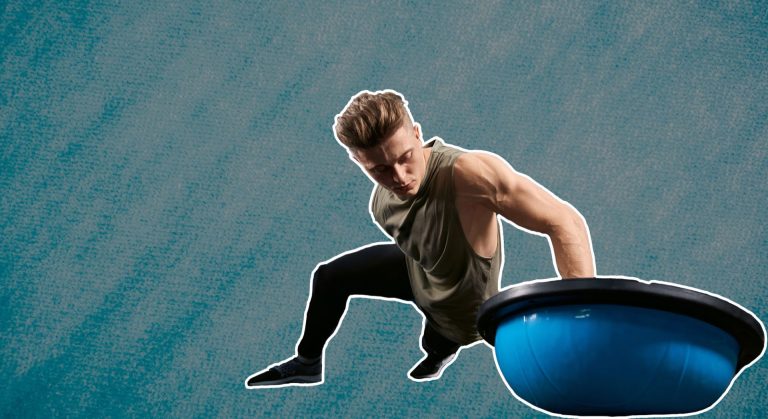
The Bosu balance ball (if we are talking about the original BOSU) is a balance exercise aid that resembles a half-cut fitball. It has a diameter of 63.5 cm and the top is inflated to a height of about 22 cm. There are handles on the sides of the solid board, which are used for carrying and carrying, but you can also use them for exercise.

The Bosu ball is often referred to as a balance trainer. It consists of an inflatable rubber, latex or PVC half-ball, with the flat side (bottom side) attached to a hard plastic platform. The half-ball is quite soft and is designed to provide an unstable platform for exercising on a hard surface. The Bosu ball can be used for balance training, mobility training, to increase flexibility, for squats and in some cases for strength training.

What does “bosu” actually mean?

BOSU is an abbreviation of the English words “both sides up”. It refers to the two-sided use of the bosu ball – whether it is laid flat side up or round side up on the mat. It means that it can serve as a balancing platform or a balancing protrusion.

Where is bosu used everywhere?

  • rehabilitation exercises (in healthcare, physiotherapy)
  • balance mat in fitness, but also as a supplementary training for athletes
  • exercise step for step aerobics
  • as an alternative to the classic fitball

How to practice on barefoot?

Exercising barefoot looks easy, but you’ll quickly discover that the opposite is true.

WHEN EXERCISING ON BALANCE PADS, THE PRINCIPLE APPLIES THAT WE SWITCH TO THEM ONLY AFTER WE HAVE FULLY MASTERED THE EXERCISE ON A SOLID MAT.

In practice, this means that if you don’t do a perfect squat (and not just one) on a solid mat, you should forget about squatting barefoot.

The first experience with the bosu ball should be more of a familiarization and focused on the basic positions: kneeling, standing, standing up.

Relatively safe alternatives to exercise are static bosu exercises (lunges) such as the plank or one-legged stand.

Variations that require more advanced skills and better balance are squats, push-ups or different variations of lunges and other complex exercises.

With a bit of exaggeration and imagination, we can say that you can transfer almost every exercise you do on a stable mat to the barefoot – but the question is whether it will have a real benefit – simply put, whether adding an unstable surface will develop exactly what you want to develop.

What are the benefits of barefoot exercise?

The bosu type ball is a very versatile piece of exercise equipment that comes with many different benefits for your workout. As we mentioned earlier, any floor exercise such as lunges, crunches, push-ups, plank, angles, and a host of other exercises can be performed on a bosu ball. They can even be used to intensify your yoga routine or pilates.

The unstable soft platform you exercise on forces your body to compensate for sway and position changes, helping to improve balance and coordination. At the same time, the unstable part of the bosu ball also forces your muscles to work much harder on any exercise, much more so than on a regular exercise, helping to increase your strength.

Additionally, the bosu ball can also be used to increase flexibility and range of motion due to the increased difficulty provided by the elevated platform. It’s a great feature that many rehabilitation specialists praise for its ability to help people overcome old injuries and also prevent new ones.

  • improved coordination and stability
  • strengthening of connective tissues
  • recovery training
  • increase the difficulty of training
  • versatile use
  • suitable for full body exercise

How to get off the bosu properly?

If you place the barefoot ball with the inflated part facing up, stand just in front of it with your feet about hip-width apart. Place one foot over the heel on the rubber protrusion, but still keep the weight on the back foot.

Gradually start to take the back foot off the ground from the heel and step on the barefoot with the other foot. Find a balanced stance, feel how the muscles of the foot work. Try to activate both the arch and the toes, which will help you with the semi-squat.

For better stability, you can try shifting your weight alternately on your right and left leg and stay in each position for a while.

How to get started with bosu? Easy, but carefully!

If you want to use the bosu as a balancing aid to improve coordination and balance, you can start with a simple standing joint. You stand on the barefoot – and maintain your balance. If this is too easy for you, the second step is to close your eyes.

You may find it funny – why would you close your eyes on a barefoot ball? But the truth is that we perceive up to 80% of information from our surroundings through our eyes. When we take it out of play, our body suddenly has far fewer signals to maintain proper positioning. We are left with the inner ear as the seat of the organs that not only allow us to hear, but more importantly, help us maintain our balance and sense the position of our head in space.

The most common errors include misalignment of the pelvis to either side or insufficient work of the deep stabilization system.

What are the principles of the bosu ball exercise?

  • safety: plenty of space to all sides, dry surface – especially watch out for sweat
  • movement should be controlled and smooth
  • Exercise technique comes first
  • follow a sequence: from the easier exercises (standing barefoot) to the more difficult ones (e.g. squat, kneel…)

Barefoot exercise: barefoot or in shoes?

Several authors recommend barefoot exercise. The barefoot foot feels the ground better, the arch muscles engage more easily, and the brain receives better information, allowing us to regress more quickly to, for example, a misaligned centre of gravity – and this leads to better balance.

What kind of bosu balls do we know?

At this point it should be noted that there is only one original BOSU ball – but today you can buy many almost identical models that perform the same function. They may differ, for example, in the diameter of the circular section or the height of the arc, but they will serve very similar purposes.

The advantage may be a lower price.

Bosu ball: what is the price?

You can buy an original BOSU ball from about 120 $, newer models go up to over 200 $. If a cheaper alternative is enough, you can buy similar balancing aids for half the price.

What are the most common mistakes when exercising on the barefoot?

We’ve already mentioned that practicing barefoot looks easier than it actually is. The most common mistakes include:

  • insufficient or incorrect involvement of the deep stabilisation system
  • poor posture (“distended” abdomen, protruding buttocks…)
  • accelerating progress and practicing exercises for which you are not yet ready
  • incorrect expectations

Bosu ball is not primarily designed for strength training

If you’re expecting an increase in strength from barefoot exercise, you’ll probably be disappointed. Unless you are a complete beginner whose first contact with exercise will be only on the barefoot, you probably won’t find the barefoot exercise reflects on your strength.

We will always perform on a stable mat – moreover, with unstable surfaces, we have to reckon with a higher risk of injury – especially as the weight of the load increases.

So you have to leave your ego in the locker room, and if you want to squat heavy weights, it’s more sensible to keep a solid ground under your feet.

That doesn’t mean you can’t include the bosu at the end of a workout as a “finisher” for a body part. You can take inspiration from the exercises at the end of the article.

What is the involvement of the abdominal muscles while doing crunches?

The importance of a strong core is important for both professional athletes and everyday people – either as part of sporting performance or as a prevention against lower back pain.

So called abdominal crunches are one of the most commonly performed abdominal exercises (we can discuss their (in)appropriateness another time). Saeterbakken et al. investigated in 2014 what the effect on the engagement of the abdominal muscles (m. rectus abdominis – upper and lower, oblique abdominal muscles) will be if we do crunches:

  • on a stable surface
  • on an unstable surface for the lower part of the body (feet on bare feet, back on an elevated stable mat)
  • on an unstable surface for the upper body (crosses on the inflated part of the barefoot, feet on an elevated stable mat)
  • on an unstable surface for both lower and upper body (combination B+C)

In the case of an unstable surface under the feet, no significant changes in muscle activity were observed. As soon as we put the crosses – C – on the unstable surface, the activity of the direct abdominal muscles increased, but the activity of the external oblique muscles decreased.

Dual instability slightly increased the activity of the upper part of the direct abdominal muscles, but decreased the activity of the external oblique muscles.

Conclusion? The use of an unstable surface reduced the activity of the oblique abdominal muscles during self-weighted abdominal crunches. Lower body instability (feet placed on an unstable platform) did not significantly alter the activity of individual muscles.

This research was somewhat at odds with most others, which most often found greater muscle engagement rates for the same load – however, this may be related to a reduced ability to produce force on an unstable surface.

In other words, doing goblet squats on the floor with a 10kg barbell is easier than doing them on a bosu ball.

Exercises on the barefoot: which to choose?

With a little imagination you can exercise your whole body on the bosu ball.

It is recommended to start with stable exercises, such as standing and its variations or plank – and gradually increase the difficulty.

  • stand on one leg (if it seems easy, close your eyes)
  • Romanian deadlift on one leg
  • zigzags (with one hand on the barefoot, with both hands on the flat side of the barefoot ball, with feet on the barefoot…)
  • mountain climbers
  • plank (with unstable arm or leg support, different variations of plank)
  • squatting on barefoot (first with own weight, later goblet squats with kettlebell or single arm, pistol squats – but be careful, it doesn’t develop strength)
  • barefoot lunges
  • Variations of abdominal exercises in a seated position on a half ball

Are you interested in other options for exercising on an unstable surface? Read our article with the best exercises on the fitball, which we have prepared in cooperation with an experienced physiotherapist.
Evan Centopani Workout Routine

0

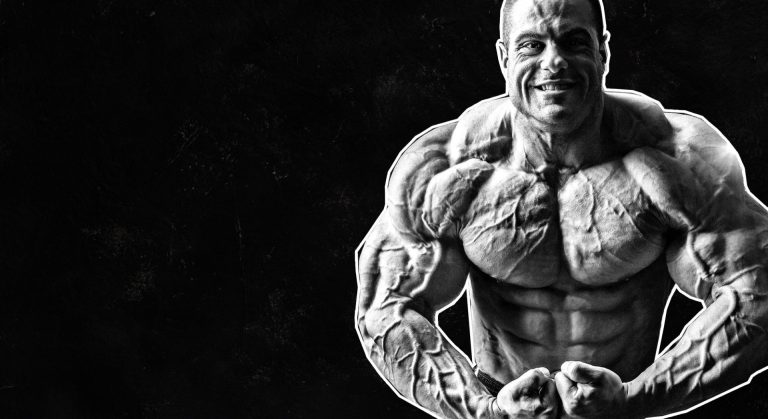
Evan Centopani is a professional bodybuilder and fitness icon. He has been competing in bodybuilding competitions since 2007 and has achieved great success throughout his career. In this article, we will explore who Evan Centopani is, his approach to nutrition and his workout routine, as well as some of the highlights of his bodybuilding journey.

Who Is Evan Centopani?

Evan Centopani is a professional bodybuilder from Connecticut who began competing in 2007.

His hard work and dedication have earned him numerous awards including the Mr. Olympia title in 2009 and 2011.

He has also placed in the top 10 of many other competitions such as the Arnold Classic and Mr. USA.

In addition to competing, he also owns his own supplement company called “CENTOPANI Nutrition” which produces high quality protein powders and vitamins for athletes.

Evan’s Approach to Nutrition

Evan follows an intense dieting routine that focuses on eating healthy foods such as:

  • lean proteins
  • fruits
  • vegetables
  • whole grains
  • nuts
  • seeds
  • low-fat dairy products

He makes sure to get adequate protein for muscle growth by consuming around 1 gram of protein per pound of body weight daily.

He also eats small meals throughout the day instead of three large ones which helps him stay energized while still allowing him to achieve his fitness goals.

Despite his busy lifestyle, he still makes time for himself by going out with friends or having date nights with his wife every so often to ensure he stays balanced between work and personal life commitments.

Evan’s Workout Routine

When it comes to working out, Evan creates strict schedules that he adheres to on a daily basis in order to reach his fitness goals effectively and efficiently.

He prefers weight training over cardio exercise because it allows him to build muscle mass faster than cardio alone would do so.

However, he does incorporate cardio into his workouts if necessary for fat burning purposes or for health reasons like maintaining cardiovascular health or increasing endurance levels during competitions.

Another important factor in reaching success is proper nutrition which he incorporates into all of his workouts to maximize their benefits.

This includes taking supplements regularly as well as eating a balanced diet with plenty of protein sources like eggs or chicken breast plus carbohydrates like oatmeal or brown rice plus healthy fats like olive oil or avocados after each workout session.

Finally he implements variety into all routines by mixing up exercises each week so that he can avoid burnout or plateaus too easily while continuing toward better results even when motivation levels drop off occasionally due to long hours spent training hard without rest breaks in between sets.

One of the World’s Top Bodybuilders

Evan Centopani is an incredible bodybuilder whose hard work and determination have paid off in recent bodybuilding competitions.

His dedication to his craft has driven him steadily forward towards bodybuilding fame over the years, and now Centopani is considered one of the world’s top bodybuilders in the sport.

With more championships on the horizon, it’s clear that Evan has plenty of talent to propel him to even greater heights in bodybuilding competitions for years to come.

His commitment, enthusiasm, and passion for bodybuilding are all traits that will ensure he remains successful for as long as he pursues his competitive bodybuilding career.

Dedication to Fitness

Evan “Ox” Centopani is well known for his dedication to fitness, and that goes all the way down to what he puts into his body.

His approach to nutrition is incredibly detailed, and he makes sure that the foods he consumes are specifically designed to fuel his workouts and maintain his muscle mass.

He follows strict guidelines so that he can reach and sustain the highest levels of physical performance.

Eating right is just as important as regularly exercising in order to be healthy and strong, which is why Evan takes nutrition so seriously.

Maximum Muscle Growth

Evan Centopani takes a relentless approach to his workout routine. He follows a strict regimen designed to maximize muscle gain and ensure he stays on track.

Every single set, repetition, and rep range is carefully considered and calculated to create maximum muscle growth with minimal fatigue.

It’s no wonder why this technique has earned Evan his spot among the most respected powerlifters in the world.

He might be punishing himself in the gym today, but his approach will pay dividends tomorrow when Evan is ready to step on stage or take on any challenge that comes his way.

Personal Life

Evan Centopani is the epitome of a modern busy lifestyle. Working long hours, he still makes time for his personal life and loves spending time with his wife who understands and supports his devotion to his career as well as their shared commitment to living a healthy lifestyle together.

They enjoy hitting the gym, cooking nutritious meals, going for nature walks, and who knows what other activities are in store for this energetic couple who takes self-care seriously.

Who is his supportive wife?

That’s a detail Evan keeps private, but one thing’s for sure their marriage brings much balance and joy to both of their lives.

Inspiration for Anyone

Evan’s story is an inspirational one, showing the success that is possible with hard work and dedication.

It’s a prime example of how following a particular diet and exercise routine can lead to great results. His story should be taken as a reminder that anyone can achieve their desired body shape if they are willing to commit to putting in the necessary effort.

Evan’s journey also proves that sometimes you get out what you put in – with hard work and perseverance, achieving your dreams is possible.

All of these benefits speak to Evan’s ultimate success as an athlete, making it clear why his conclusion carries such weight for those interested in similar goals.

Highlights of Evan Centopani’s Bodybuilding Career

In conclusion, Evan Centopani is an inspiration for anyone looking to get started on their own bodybuilding journey but doesn’t know where to start!

By following a healthy diet full of clean proteins sources such as chicken breast or eggs plus carbohydrates like oatmeal or brown rice plus healthy fats like olive oil or avocados after each workout session along with an intense workout routine that incorporates both weight training and cardio exercises when necessary plus proper supplementation according to individual needs one can begin following in the footsteps of this champion athlete!

By learning from the tips shared here today about how Evan keeps himself motivated yet balanced between work commitments and personal life events readers can eventually become successful bodybuilders just like him someday too!

Vintage Driving Gloves – Feel the Power of the Past!

0

Do you love the elegance and style of vintage fashion? Do you appreciate the charm and sophistication of classic cars too? If you’re a fan of both, you already know how important the right accessories can be to complete the perfect look. And what better accessory to add to that classic look than a pair of vintage driving gloves?

Best Vintage Driving Gloves

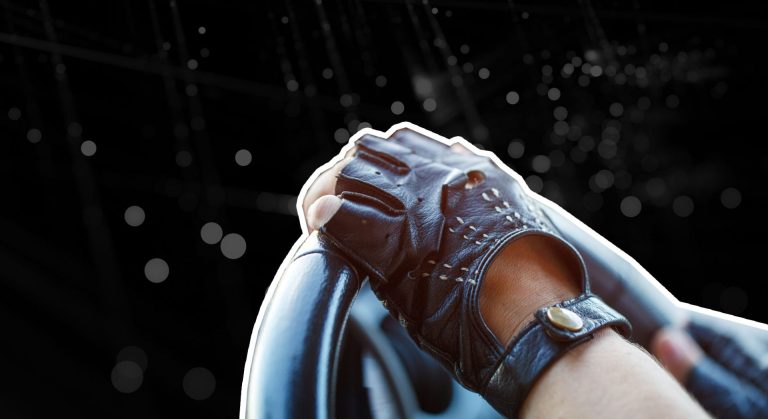
Driving gloves have been around almost as long as cars themselves. First made popular by early automotive enthusiasts and professional racers, they eventually became a stylish accessory for anyone who wanted to add a touch of class to their driving experience. Now, they’re back in style and more popular than ever.Vintage Driving Gloves - Feel the Power of the Past!

In this article, we’ll look at vintage driving gloves and what makes them a sought-after accessory for any classic car enthusiast or vintage fashion lover.

Whether you’re a seasoned collector, a casual fan, or someone who appreciates the finer things in life, vintage driving gloves are a must-have addition to your accessory collection.

Here, we’ll explore everything you need to know to find the perfect pair and feel the power of the past with vintage driving gloves.

Top 7 Vintage Driving Gloves

Riparo Men’s Reverse Stitched Leather Driving Gloves

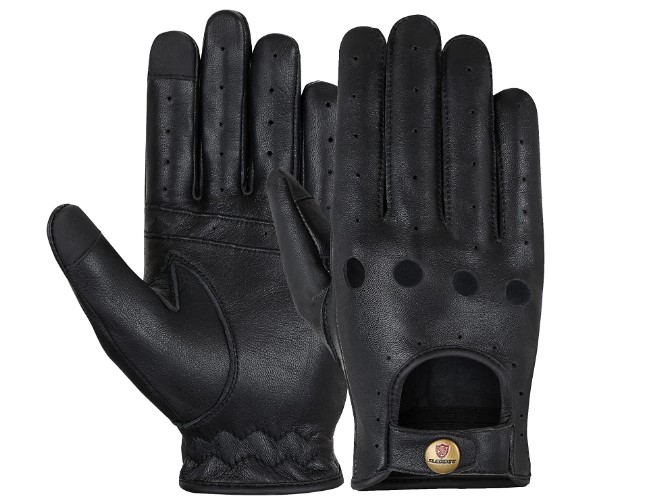
Riparo Driving GlovesRiparo Driving Gloves are the perfect combination of style and function.

Made from 100% cowhide leather, these gloves are durable and comfortable. They feature a touchscreen texting design, allowing you to stay connected while on the go.

The unlined full-finger design offers protection from the elements without sacrificing flexibility, making them ideal for summer use. The button closure ensures a secure fit, while the range of sizes (XS to XXL) makes them suitable for any hand size.

These gloves are water-resistant, ensuring your hands stay dry in wet conditions. The strong grip ensures a firm hold on the steering wheel or handlebars, making them perfect for driving or biking.

Product Features:

  • Made from 100% cowhide leather for durability and comfort.
  • Touchscreen texting design allows you to stay connected while on the go.
  • Unlined full-finger design offers protection from the elements without sacrificing flexibility.
  • Button closure ensures a secure fit.
  • Available in sizes ranging from XS to XXL.
  • Water-resistant for protection in wet conditions.
  • Strong grip ensures a firm hold on the steering wheel or handlebars.
  • Ideal for driving or biking.

Grandoe Men’s Vintage Soft Leather Driving Gloves

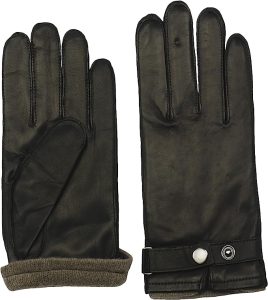
Leather Driving Gloves For Men | Sheepskin Leather | Cashmere Lined | BENTLEY by GRANDOEThese gloves are made from soft leather and have a classic design with a snap closure.

They are highly rated for comfort and durability and are available in black and brown colors.

Product Features:

  • Made with high-quality sheepskin leather for a comfortable and durable fit.
  • Lined with 100% premium cashmere for ultimate warmth and comfort.
  • Snap-tab adjustment for a perfect fit.
  • Snap closure for added sophistication.
  • Enhanced durability for long-lasting wear.
  • Perfect for driving or any occasion where style and comfort are necessary.

Dents Men’s Delta Leather Driving Gloves

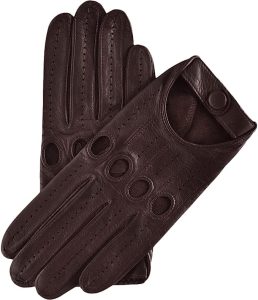
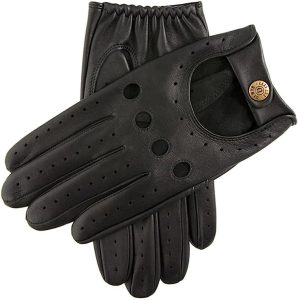
Dents Mens Delta Leather Driving Gloves - BlackThese gloves are made from soft leather and have a perforated design for breathability. They feature an adjustable strap for a secure fit and are available in different colors.

Product Features:

  • Made from soft and supple hair sheep leather.
  • Perforated design for breathability.
  • Adjustable strap for a secure fit.
  • Pull on the closure for easy on and off.
  • Knuckle holes provide additional ventilation and flexibility.
  • Available in black and brown colors.
  • Perfect for dressing up or running errands.

FRATELLI ORSINI Driving Gloves

FRATELLI ORSINI Driving GlovesThese gloves are handmade from Italian leather and have a classic style with knuckle holes and a snap closure. They are available in a range of colors and sizes.

Product Features:

  • Made from high-quality, imported lambskin leather.
  • Handmade in Italy for superior craftsmanship.
  • Unlined for a comfortable fit.
  • No closure for a streamlined design.
  • Dry clean only for easy maintenance.
  • Supersoft leather for a luxurious feel.
  • Touchscreen capabilities for easy phone use while driving.
  • Dark brown color for a classic look.
  • Perfect for driving in style.

Riparo Motorsports Men’s Fingerless Half-Finger Driving Gloves

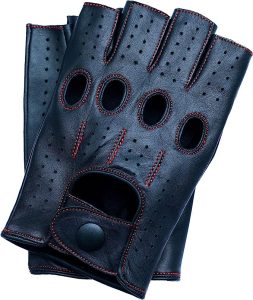
Riparo Motorsports Men's Fingerless Half Finger Driving FitnessThe Riparo Motorsports Men’s Fingerless Half-Finger Driving Gloves are the perfect accessory for any driving enthusiast. Made from high-quality Italian leather, these gloves have a classic vintage style that is stylish and functional.

Featuring perforated leather and knuckle holes, these gloves provide excellent ventilation and flexibility, allowing for maximum comfort and control while driving. The unlined design enhances the gloves’ breathability, making them ideal for warm-weather driving.

The wrist strap with a snap button ensures a secure fit, preventing the gloves from slipping off during use. These gloves are available in multiple colors and are perfect for any style or occasion.

Product Features:

  • Made from high-quality Italian leather.
  • Classic vintage style.
  • Perforated leather and knuckle holes for ventilation and flexibility.
  • Unlined design for enhanced breathability.
  • Wrist strap with snap button for a secure fit.
  • Available in multiple colors.
  • For a loose fit, please order one size up.

Executive Black Leather Driving Gloves

Executive Black Leather Driving GlovesThese Executive Black Leather Driving Gloves are the perfect combination of style and function.

Individually crafted from soft, supple cowhide, these gloves are designed to provide a comfortable and secure grip on the wheel while driving.

The lightweight design ensures maximum flexibility and agility, allowing for easy operation of all vehicle controls. 

These gloves have engraved MVP logo detailing on the snap and symbolize quality and sophistication. Available in size Medium or Large, these gloves are ideal for anyone who wants to add a touch of elegance to their driving experience. 

 Product Features:

  •  Individually crafted from soft, supple cowhide for maximum comfort.
  •  Lightweight design for maximum flexibility and agility.
  •  Engraved MVP logo detailing on snap for added style.
  •  Available in Medium or Large to fit a range of hand sizes.
  •  Perfect for driving or any other activity that requires a secure grip.

Crochet Knit Leather Driving Gloves – Black

Crochet Knit Leather Driving Gloves - BlackLooking for stylish and comfortable driving gloves?

Look no further than these Crochet Knit Leather Driving Gloves in black. Individually crafted from soft, supple cowhide, these gloves feature a lightweight design that won’t weigh you down on the road.

The hand-knit wool crochet detail adds a touch of elegance to these classic gloves. Available in size medium, large, or XL, these gloves are perfect for any driver who wants to stay comfortable and stylish behind the wheel.

Product Features:

  •  Individually crafted from soft, supple cowhide
  •  Lightweight design for maximum comfort while driving
  •  Hand-knit wool crochet detail adds elegance to the classic design
  •  Available in size medium, large, or XL to fit any hand size
  •  Perfect for any driver who wants to stay comfortable and stylish on the road.

Materials And Styles Of Vintage Driving Gloves

Vintage driving gloves were typically made from leather and designed to be stylish and functional. Here are some common materials and styles of vintage driving gloves:

Leather

Leather was the most common material used for vintage driving gloves. It is durable and provides a good grip, making it ideal for driving. Leather gloves were often lined with a soft material like cashmere or silk for added comfort.

Suede

Suede is a type of leather that has a napped finish. Suede gloves were popular in the 1950s and 1960s and were often paired with tweed jackets and driving caps.

Vintage Driving Gloves - Feel the Power of the Past!

Cotton

Cotton gloves were sometimes used as driving gloves in the early 20th century. They were typically unlined and were lightweight and breathable.

Gauntlet style

Gauntlet-style gloves are longer than regular gloves and extend up the forearm. They were popular in the early 20th century and were often made from leather.

Buttoned style

Buttoned gloves feature a button closure at the wrist. They were popular in the 1920s and 1930s and were often made from leather.
Perforated style

Perforated gloves feature small holes in the leather to allow air to circulate. They were popular in the 1960s and 1970s and were often made from suede.

Vintage Driving Gloves

Crochet style

Crochet gloves were popular in the 1930s and 1940s. They were typically made from cotton or silk and featured a lacy crochet pattern.

While they were not ideal for driving, they were often worn with driving outfits for a fashionable look.

Wrapping Up

Vintage driving gloves are stylish and serve an important purpose for any driver who wants to experience the thrill and elegance of driving from the past.
These gloves offer superior grip and protection while providing an elegant touch to any vintage or classic car.

Whether you’re a car enthusiast, collector, or simply someone who wants to add a touch of nostalgia to your driving experience, vintage driving gloves are a must-have accessory. So why not feel the power of the past and get yourself a pair today?

Protein Bar Before or After Workout?

0

Protein bars are undoubtedly a popular snack among athletes and fitness lovers. These protein bars are the best option to offer a heavy dose of protein to maintain fitness. Protein is a macronutrient that needs to be kept in check when focusing on muscle strength. So, taking a protein bar before or after a workout is essential.

As the options for protein bars are diverse, it becomes pretty confusing. The thing is beyond the brand or option you go for. Though, it is also concerning when and how often you consume it depending on your fitness goals. Here, in this article, you get to know everything you need to know related to protein bars.

Should I eat Protein Bar Before or After Workouts? 

Essentially, the protein bar is a hit pre-workout and after a workout. If you are taking in protein bars before meals, it helps you to elevate your muscle performance.
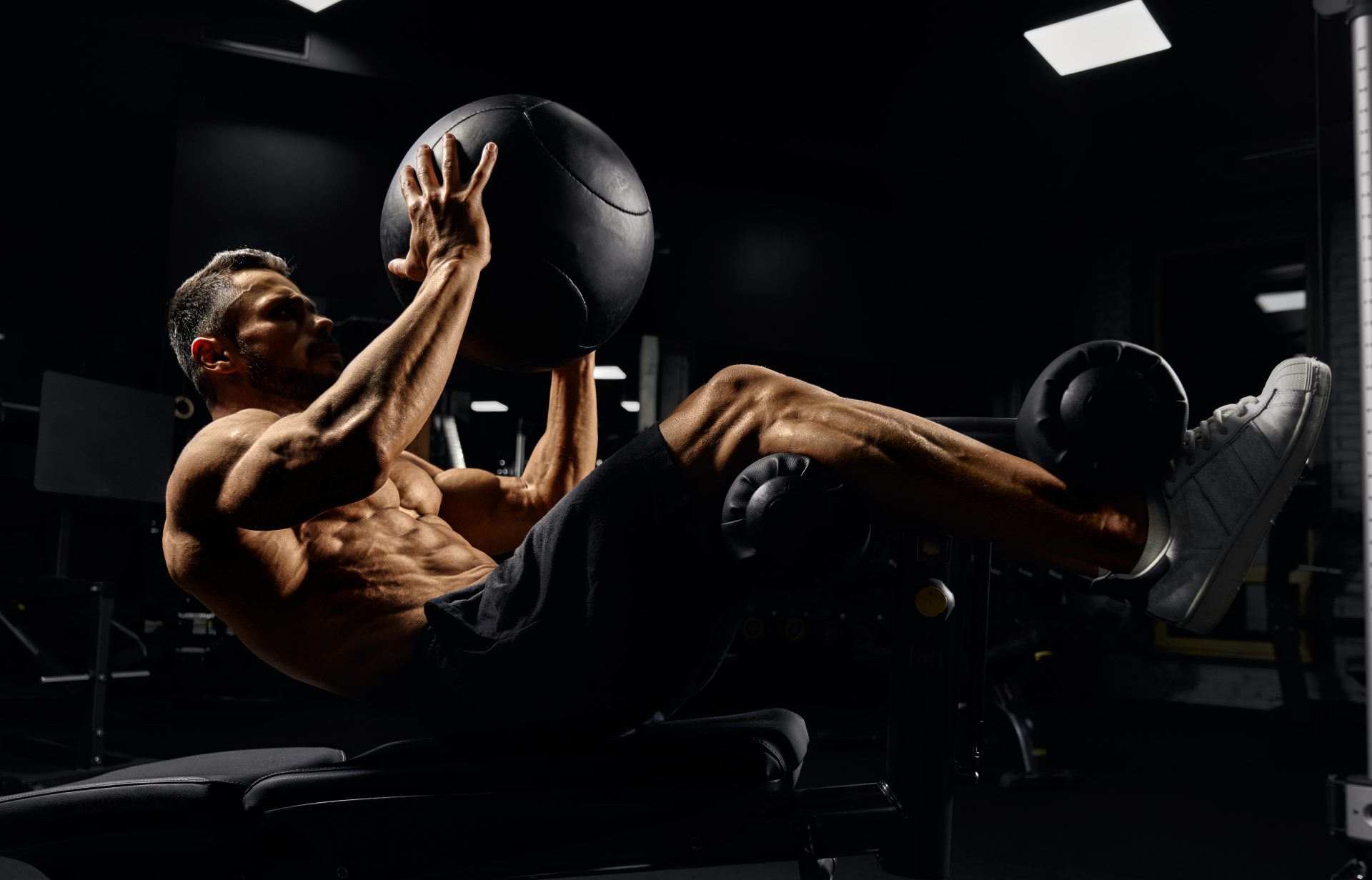
Thus, it is excellent if your primary concern is to boost up the body muscle to do a strenuous workout.

Despite this, if you want to add protein bars to the post-workout diet, they can assist you in repairing the muscle along with the excess growth.

The protein content in our protein bars makes it an ideal part of the diet that aids in recovering muscle strength. Moreover, it helps repair the damage to the muscles induced by exercise and muscle growth, though it is a perfect post-workout snack.

It is generally recommended to have a protein bar about 1-2 hours before working out to boost yourself up, as it ensures that you have metabolized everything your body demand.

However, post-workout, there is a time of one hour right after finishing your challenging exercise, known as the anabolic window.

The protein intake is consumed directly after consumption to get your energy back to normal.

In summary, the decision is a matter of personal preference, tolerance, availability, and other factors. You can choose if you want a protein bar before or after a workout.

protein bar before or after workout

Potential Benefits of Protein Bars before or After Workout

Without depending on the time, protein bars have several benefits that can help you get your energy level back to normal.

The advantages of protein bars are out of the argument if we consume them before or after workouts.

1. Proper Dietary Program

If you think about what to eat before a workout?

Protein bars are the right choice for your body’s protein and other nutrient supply.

Intake of the right amount of protein helps to gain muscle mass and degrade stored fat when combined with resistance workouts.

Moreover, it avoids muscle destruction in low-calorie situations, as often when dieting. Protein bars are the perfect saviors to fight against muscle loss while losing unwanted fat.

2. Increase Energy Level

Protein bars are the perfect go-to because our body needs fuel for activities like workouts or just going about the day.

It provides the body with the energy needed to perform all activities and boosts the blood sugar level. In addition, it lifts the mood and mental focus, improving the active lifestyle.

It is also known to reduce the adverse effects of stress and is the best way to get out of laziness.

3. Help in Muscle Gaining

For a bodybuilder or an athlete, protein bars are the right option to fulfill the body’s need for protein as it helps in muscle gain and strength.

It provided adequate energy required for routine exercise and workout sessions.

Make you check the protein content per serving of the protein bar to get an indication of the amount of protein you can get from it.

4. Promote Body Fitness

Go for protein bars to improve your muscle strength without worrying about eating all day.

It promotes the optimal level of protein intake every day, making your muscles look toned and lean no matter which fitness level you lie at.

5. Support Pre and Post Workout

As athletes and fitness workers need more protein intake, protein bars are the best. It aids in repairing microscopic muscle tears that occur during excess strenuous workouts.

Moreover, it builds muscle tissue as they are the ideal source of protein nutrition for them.

Tips on Eating Protein Bars before or After Workout 

No questions are left, like when to eat protein bars before or after the workout.

However, there are some tips that you need to look into before you make protein bars your everyday pre or post-workout snack:

1. Add Variety

If you consume protein bars every day, make sure that you interchange among different bars daily. If some contain more protein, try to intake less protein on another day.

Try out the diverse variety of protein bars in the market.

protein bar

2. Keep Calorie Count in Record

Track the calorie intake per day as per your goals.

If you are consuming other protein-rich food, take fewer protein bars to avoid unwanted weight gain.

3. Natural is always best

It is better to consume a natural, nutrient-rich diet. If you consume one protein bar daily, try to have a proper whole meal for other parts of the day.

Drawbacks and Precautions

Countless protein bar possibilities are available in the market, even making it difficult to choose the right one that fits your goals. Some of them are too sugary and taste like a candy aisle.

To add up the flavor, many companies use artificial flavors like high fructose corn syrup instead of natural sweeteners like dates and stevia.

Moreover, many protein bars contain honey or sugar cane as a primary content, making them fall off your personal preferences.

In addition, another thing to keep in the notice is that the source of fats in the protein bars is nuts and seeds.

Other than this, processed plant oils like palm, canola, soya beans, and others make up the fat content of the protein bars.

Intake of protein more than recommended dietary allowance associate a person with the risk of cancer, heart diseases, and bone, liver, and kidney disorders.

The right protein bar depends on your fitness goal list. Select those with harsh ingredients containing natural foods than highly processed items.

Moreover, taking protein bars with minimal or no added sugars is better than others.

Conclusion

To summarize, it is a matter of your preference and fitness goals to decide if you want to have a protein bar before or after a workout.

It works the same if you are taking it before workout or post-workout. However, there is no such restriction to intake at a specific period.

The Ultimate Guide to CBD Gummies: How Many Should You Eat?

0

If you’re looking for a delicious and healthy way to enjoy the benefits of CBD, then you need to check out CBD gummies! Gummies are a great way to get your daily dose of CBD, and they taste great too. In this blog post, we will discuss everything you need to know about CBD gummies. We’ll cover what they are, how they work, and the benefits that they offer. So if you’re interested in giving CBD gummies a try, keep reading!

Best CBD goods

Wha Is CBD?

Cannabidiol (CBD) products, such as gummies, have become increasingly popular for their potential to provide a range of therapeutic benefits.

But what exactly are CBD gummies? What potential benefits do they offer? And how do you know the right dosage for your needs?

In this blog post, we’ll answer all these questions and more as we explore why CBD gummies may be a great choice for those looking to improve their health and wellbeing.

Reducing Anxiety And Stress

One of the most common uses of CBD gummies is to reduce anxiety and stress levels. Studies have shown that CBD can activate serotonin receptors in the brain, which helps regulate moods and promote feelings of calmness and relaxation (trusted source).

Additionally, research suggests that taking CBD before stressful situations may help mitigate the effects of anxiety.

To capitalize on these potential benefits, it’s important to find your ideal dose, one that works for you without causing any unpleasant side effects.

Managing Pain And Inflammation

Another reason why people take CBD gummies is to help manage pain and inflammation caused by chronic conditions or injuries.

This is because cannabinoids like CBD can interact with our bodies’ endocannabinoid systems, helping regulate inflammation response and providing relief from symptoms like joint pain or muscle soreness.

Depending on your condition, different types of pain relief might be appropriate.

So it’s important to find a balance between the right amount of relief and any potential side effects that could come with it.

Improving Sleep Quality

For those struggling with insomnia or other sleep issues, taking CBD before bedtime has been found to help promote better quality restful sleep.

This is because cannabinoids like CBD can interact with our bodies’ endocannabinoid systems, helping regulate our internal clock and promoting healthy sleep cycles in much the same way melatonin does.

how many cbd gummies should i eat

If you decide to use CBD gummies as a natural sleep aid, be sure to find your ideal dose, one that doesn’t cause any unpleasant side effects but still delivers enough relief so you can get a good night’s rest!

Gummies Can Help Target Specific Ailments

Cannabidiol, more commonly known as CBD, is a chemical compound derived from the cannabis plant. It has been gaining increasing popularity due to its potent health benefits.

Products such as cannabidiol gummy bears are great for targeting specific ailments and providing fast pain relief without any psychoactive effects.

These nontraditional products provide the user with an effective option that is not only easy to ingest but also tastes quite good too!

The cannabidiol in these cannabidiol gummy bears provides users with much needed relief no matter what their ailment may be, whether it’s nausea or general aches and pains.

CBD is a powerful weapon against various conditions that many people suffer from and cannabidiol gummy bears are just one of the many applications of this remarkable compound.

Delicious Way to Find Relief from Anxiety

CBD gummies can provide relief from anxiety – and with delicious taste. Many individuals who suffer from mild to moderate anxiousness use CBD gummies for their ability to provide subtle calming effects, without the side effects associated with some solutions.

Moreover, because they resemble sweet treats such as candy, users can inconspicuously pop cbd gummies for anxiety throughout the day.

Not only are cbd gummies discreet, but they also tend to taste much better than other types of cbd products like tinctures or capsules.

As a result, cbd gummies are becoming an increasingly popular form of cbd usage for both seasoned cbd users and those new to cbd alike.

CBD Gummies For Pain

CBD gummies are an increasingly popular option for people looking to manage their pain. Unlike other forms of CBD, these chewable candies offer the same potential benefits of helping to reduce anxiety and pain.

As an added bonus, having a treat like a gummy that tastes good can make it easier and more appealing to get your regular dose of CBD instead of taking it in oil or capsule form.

It’s important to note that not all cbd gummies have the same potency, so be sure to do your research when selecting a product that meets your specific needs.

Taking cbd with gummies is becoming an increasingly popular way for people to find relief from chronic pain and anxiety, making this one of the most effective options on the market today.

What About Dosage? How Many Should I Eat?

Figuring out the appropriate cbd gummies dosage can be tricky, as it depends on many factors like weight, the severity of your symptoms, and the strength of the cbd gummy recipe.

It’s best to start with a low dosage and adjust up or down based on how you feel.

Consulting with a healthcare practitioner is also a good idea since he or she will be able to provide personalized guidance for finding the right cbd gummies dosage that is safe and effective for you.

Doing your own research can help too since you’ll be better informed about cbd before discussion with a doctor.

how many cbd gummies should i eat

Summary

From reducing anxiety and stress levels to managing pain and inflammation caused by chronic conditions or injuries, there are plenty of reasons why more people are turning towards CBD gummies for support with their health and wellbeing needs.

Of course, finding your ideal dosage is key to ensuring you receive maximum benefit from them without experiencing any adverse side effects, but once you do this they could prove a powerful ally in your wellness journey!

Whether you’re looking for natural ways to improve sleep quality or just want some extra support tackling everyday stressors, CBD gummies may be just what you need!


Strengthening Your Abs After 60 and Beyond

0

A strong core is essential for any fitness level. It helps with balance, strength, and coordination. Even if you don’t want to have a six-pack, strengthening your abs can help protect your spine and reduce the risk of injury in other areas. So let’s get into the types of ab exercises that can help you abs after 60!  As we age, it can become increasingly difficult to maintain a strong core. However, it’s never too late to start building and strengthening your abs. In fact, incorporating ab exercises into your routine can improve your overall fitness, balance, and posture.

It’s Harder After 60

When it comes to sixpack abs after 60, it is not just about looking good.

Strengthening your core abdominal muscles is essential for maintaining balance and stability in everyday life, as well as reducing the risk of falls in seniors.

To achieve this, it is important to include both cardio and strength training exercises into your weekly routine – activities like planks, crunches and leg raises help improve abdominal strength and increase overall body strength.

Combine these types of workouts with a healthy diet for results that are sure to make any aging sixpack proud.

But It’s Way Cooler!

When it comes to sixpack abs after 60, it is not just about looking good.

Strengthening your core muscles is essential for maintaining balance and stability in everyday life, as well as reducing the risk of falls in seniors (trusted source).

AND IT LOOKS COOL AS F*CK!

To achieve this, it is important to include both cardio and strength training exercises into your weekly routine – activities like planks, crunches, and leg raises help improve abdominal strength and increase overall body strength.

Combine these types of workouts with a healthy diet for results that are sure to make any aging sixpack proud.

Try These (not so) Simple Exercises

Plank

Planks are a great exercise for strengthening your abs, as well as your back and shoulders.

This move requires you to hold yourself in a plank position while engaging your abdominal muscles.

The key is to make sure that your back is straight and avoid slouching or arching your hips too high or low.

To perform a plank, start in a push-up position with your hands under your shoulders. Keep your body in a straight line and hold for 30 seconds to a minute.

Planks are one of the most well-known ab exercises.

To keep it challenging, you can add extra movements like lifting one arm up at a time or alternate between lifting both legs up off the floor for 10 seconds each time.

Crunches

Crunches are another classic exercise for targeting your abs. Start by lying on the floor with bent knees and feet flat on the ground.

Crunches are a classic ab exercise that targets the rectus abdominis (the “six-pack” muscle).

To perform a crunch, lie on your back with your knees bent and your hands behind your head.

Curl your shoulders up towards your knees, keeping your lower back pressed into the floor.

Place your hands behind your head (or across your chest) and lift your shoulders off the ground while keeping them relaxed.

The goal here should be to feel a gentle curl as opposed to an intense crunch where you lift yourself all the way up off the floor.

You can also add variations such as bicycle crunches or reverse crunches if you’re looking for a challenge!

Russian Twists

Russian twists are also an effective exercise for working out your abs. Start by sitting on the floor with knees bent and feet flat on the ground while holding a medicine ball (or something similar).

Russian twists are a great exercise for targeting the obliques (the muscles on the sides of your abs).

To perform a Russian twist, sit on the floor with your knees bent and your feet flat on the floor.

Hold a weight or a resistance band in both hands, and twist your torso to one side, then the other.

Lean back slightly so that only upper body is off the ground while maintaining good posture throughout this move.

Twist from side to side while keeping arms close to the body and engaging abs at all times – try not to use the momentum from swinging arms!

Reverse Crunches

Reverse crunches target the lower abs. To perform a reverse crunch, lie on your back with your hands behind your head.

Bring your knees in towards your chest and lift your shoulders off the ground.

Why Strengthening Your Abs is Important

A strong core is essential for everyday activities such as lifting, bending, and twisting.

Additionally, a strong core can help improve your balance and prevent falls. In older adults, a strong core can also help alleviate lower back pain.

Try To Get Sixpack As Soon As Possible!

6 pack abs after 50?

Yes, it is possible! To help you create a strong core, there are various ab exercises that can be effective.

Popular examples include planks, crunches, Russian twists, and reverse crunches.

With dedication and consistency to your exercise routine, 6-pack abs after 50 can easily become a reality!

It’s important to find the type of ab exercise that works best for you as everyone’s needs vary.

Start incorporating some ab exercises into your fitness routine today and watch the 6 pack come together!

Incorporating Ab Exercises into Your Routine

To see the best results, it’s important to incorporate ab exercises into your regular fitness routine.

Aim to do at least one set of 10-15 reps of each exercise, 2-3 times per week.

Final Thoughts

Strengthening your abs doesn’t have to be hard – just start small and gradually increase reps, intensity, and duration as needed!

Additionally, older adults over 60 years old can benefit from incorporating ab exercises into their routine due to increased balance, mobility, endurance, and reduced risk of falls resulting from strengthened core muscles.

With regular practice of these simple ab exercises combined with proper form, anyone can enjoy improved physical health benefits from having stronger abs!

Last Word

Incorporating a variety of different types of ab exercises into your routine can help target all of the muscles in your core and give you a well-rounded workout.

Remember to always listen to your body and start with a weight or resistance that is comfortable for you.

With consistency and dedication, you can see improvements in your core strength, even at 60 and beyond.

Creatine Before Bed: Benefits and Risks

0

Thinking about taking creatine before bed? Find out the potential benefits, drawbacks and safe use tips. Learn from the research on creatine use and sleep quality along with our recommendations for taking it before bed in this article.

Best Creatine Supplements

What is Creatine?

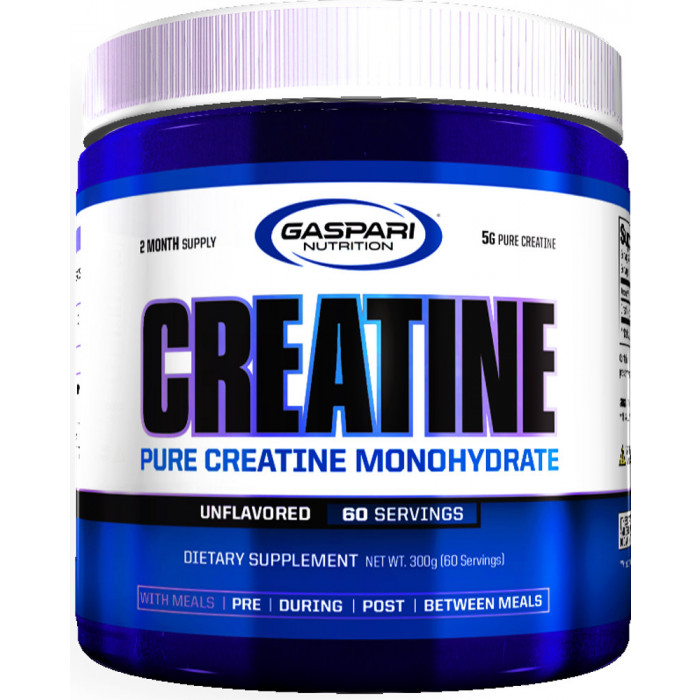
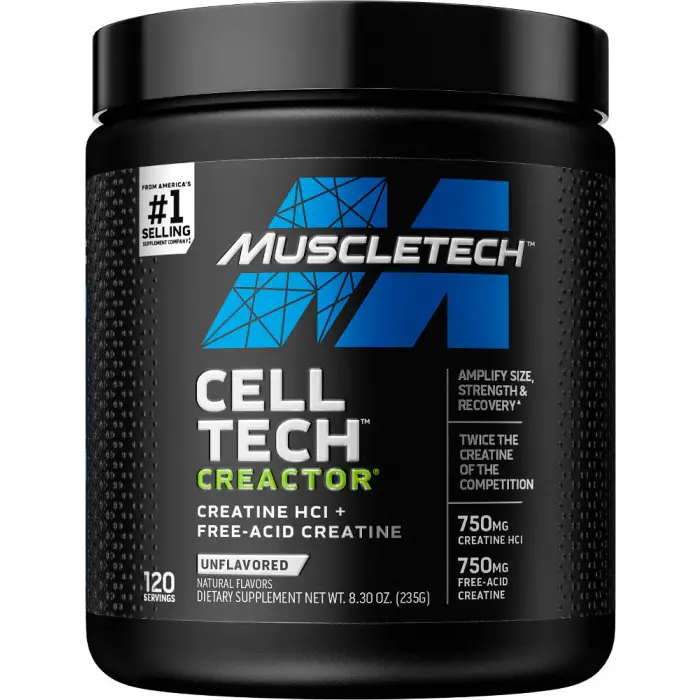
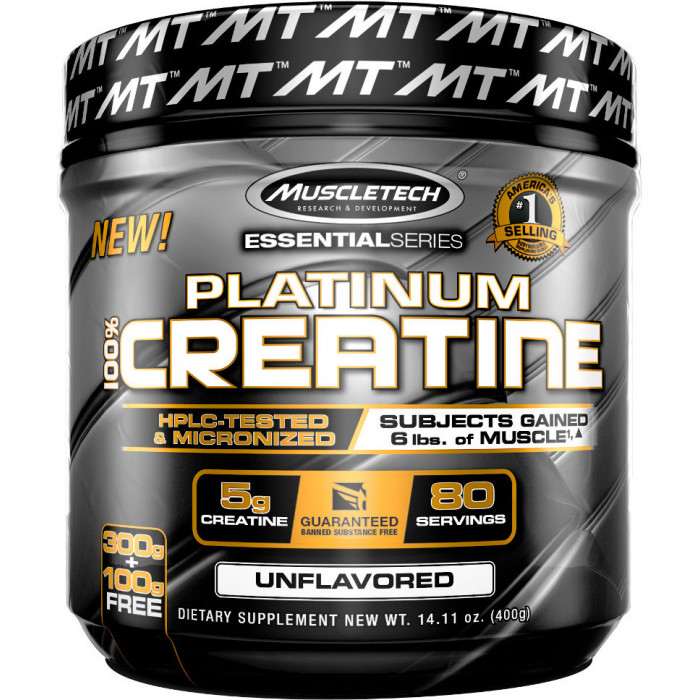
Creatine is a supplement that can support muscle growth and athletic performance. It brings these benefits only when it is used correctly.

Some experts state that it should be taken within 30 minutes of a workout, when the body’s glycogen levels are at their lowest. Creatine has been used by athletes for decades to improve physical fitness and has been researched extensively (trusted source).

When taken in recommended doses, it is safe for a range of people. Creatine helps with energy production and weight lifting, making it an effective aid in increasing muscle mass when combined with proper diet and exercise.

Taking creatine regularly over time is the most effective way to enjoy its benefits, rather than taking other supplements that promise quick results.

Consistent use yields much better results when it comes to increased muscle growth.

Ultimately, creatine is an incredibly popular supplement due its potential to support enhanced sport performance.


10 Potential Benefits of Using Creatine

If you’re considering taking creatine, there are various potential benefits you could experience, like:

  • increased muscle mass and strength
  • improved athletic performance
  • enhanced muscle recovery after exercise
  • improved brain function and reductions in inflammation
  • blood sugar control and insulin sensitivity tend to improve
  • enhancement of muscle function
  • better performance when exercising at difficult conditions

track of how your body reacts after consuming creatine before bed

Overview of Research on Creatine and Sleep Quality

Studies have shown that taking creatine can lead to improved athletic performance and muscle growth (trusted source).

However, there is conflicting evidence as to the impact of taking creatine before bed on sleep quality. Some studies have suggested that it can interfere with sleep quality while other studies have found no effect (trusted source).

The impact of different dosages on sleep quality also varies from study to study. For example, one study found that a lower dosage (5g) had no negative effects on sleep quality but higher dosages (20g) did interfere with sleep quality.

Tips for Taking Creatine Before Bed

There are both advantages and risks associated with taking creatine before bed.

If you decide to take it before bed, it is important to understand the potential benefits as well as risks so that you can make an informed decision about how much to take and when to take it.

Here are some tips for safe use:

  • take a smaller dose (5g or less) if possible
  • this will help reduce the risk of interfering with your sleep quality
  • take your dosage at least two hours before going to bed so that your body has time to process the supplement
  • be aware of any potential side effects such as increased anxiety or restlessness
  • if you experience any side effects, stop taking the supplement immediately
  • talk to your doctor or healthcare provider if you have any questions or concerns about taking creatine before bed

It’s a Good Idea?

Whether or not you can take creatine before bed can be a point of debate among fitness enthusiasts.

workout after lip fillers

Creatine can help to significantly increase muscle mass and strength, but there is some concern that taking it before bed can interfere with sleep quality and consequently, your body’s ability to recover from exercise (trusted source).

It can be beneficial to speak with a healthcare professional if you are unsure about the potential impacts of creatine on your sleeping routine.

Ultimately, it may depend on the individual and their lifestyle. So proceed with caution and keep track of how your body reacts after consuming creatine before bed.

Best to Take Creatine (our opinion)

Although it is best to take creatine at least 30 minutes prior to exercising, creatine consumption before bed can also be beneficial due to its muscle-building and strengthening effects.

Studies have shown that when taking creatine before bed, the body has more time to absorb the substance and benefit from its effects on muscle mass and strength.

This can be especially helpful during times of weight training or for those interested in gaining body mass who are looking for an increase in muscle size over time.

Thus, whether taken pre-workout or before bedtime, creatine can still provide many potential benefits.

Use Common Sense and Read the Dosage

Creatine is a powerful supplement that can be safely taken before bed in order to increase energy, muscle growth, and to improve overall athletic performance.

While it is recommended to adhere to the instructions found on the label for dosage instructions and timing, it is important that creatine users take special care when consuming this supplement due to its strong effects.

Taking too much or taking it at the wrong time could result in unwanted side effects such as headaches, fatigue, cramping and gastrointestinal distress.

For maximum benefit and safety, users should always research what the recommended dosage of this supplement is before use and should take it at least an hour before bedtime in order to ensure their body has enough time absorb the product.

Conclusion

Taking creatine can be a great way to improve your sport performance and muscle growth.

While there are potential benefits associated with taking it before bed, there are also potential risks related to poor sleep quality that you should consider.

If you decide to take creatine before bed, make sure you understand the potential benefits and risks associated with its use so that you can safely incorporate it into your daily routine.

Additionally, talk to your doctor if you have any questions or concerns about using this supplement.

With these tips in mind, you should be able to safely maximize the benefits of taking creatine before bed without putting yourself at risk for adverse effects on your health or wellness.

Final Recap

The best time to take creatine is generally considered to be immediately after a workout, as this is when your muscles are most receptive to replenishing their energy stores. Taking creatine after a workout can help improve recovery and increase muscle growth.

However, it is also possible to take creatine at other times of day, such as first thing in the morning or before bed. Some research suggests that taking creatine with a carbohydrate-rich meal may increase its effectiveness.

It is important to follow the dosage recommendations on the creatine supplement you are using and to spread your doses out over the course of the day, rather than taking a large amount all at once.


Dylan McKenna Workout Routine – All You Need to Know

0

Dylan McKenna is an emerging fitness model, online coach, and sponsored athlete. Born and raised in America, the rising star is famous on several social media platforms, including Instagram and YouTube. Dylan has an impressive following of 422K on his Instagram account and over 180K YouTube subscribers. This gym freak’s muscular and ripped body impresses thousands of people, both online and offline, to start their journey toward a healthy body.

Dylan’s transformation started with weight training to get more vital in sports. However. He soon got head over heels for bodybuilding and started lifting weights full-time after seeing advancements in his physique in just a short time.

Dylan shared his transformational story with millions of people through his online platforms and started working as a fitness coach.

Please read this article to learn about Dylan McKenna’s workout routine, nutrition program, and supplemental intakes. All this will help you get stronger and achieve hypertrophy gains in no time.

Current Body Stats and Lifestyle of Dylan McKenna

Before diving into Dylan McKenna’s workout routine, look at his body stats and recent lifestyle.

  • Dylan McKenna age is 24 years (born March 15th in 1998).
  • Dylan McKenna height is 5 ft. 8 inches.
  • Weight: 79-84 kg
  • Chest: 44 inches
  • Waist: 34 inches
  • Biceps: 17 inches

Born on 15th March 1998, Dylan started working out at the ripe age of 14 years. That’s when he discovered his exceptional genetics to build a chiseled physique.

Furthermore, the fitness star has caught more attention online because he achieved a significant milestone in his personal life.

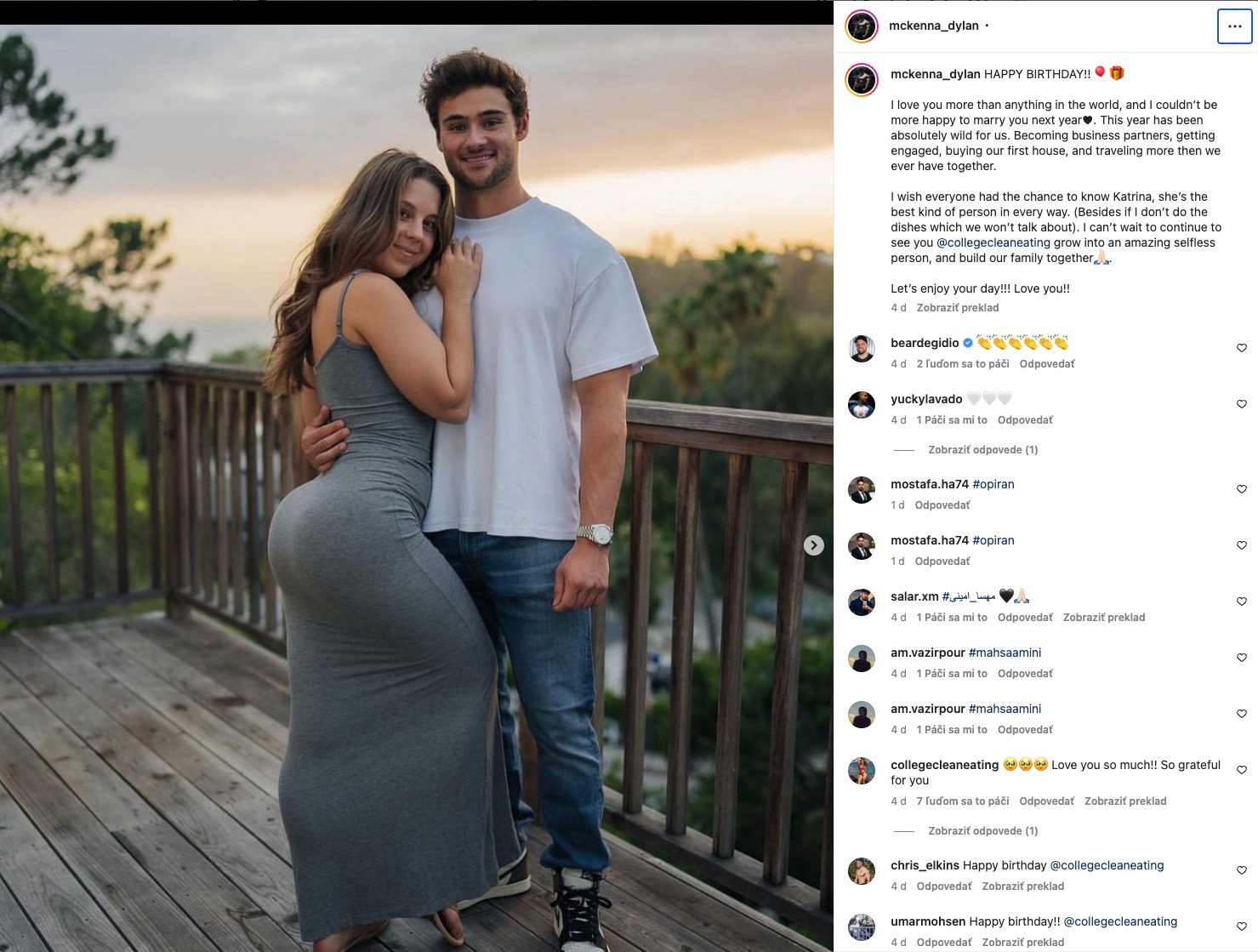
Dylan is very transparent about his personal life on his social platforms. He recently revealed that he got engaged to his girlfriend, Katrina Wright. What’s not so shocking is that Dylan McKenna girlfriend is also a fitness trainer, and both love to train together in the gym.

Source: https://www.instagram.com/p/Ci2opSvMjDa/

Workout Fundamentals of Dylan McKenna

Dylan McKenna has years of professional experience in weight training. Dylan is familiar with his body and understands what factors improve his physical development.

Hence, he combines different workout regimens instead of sticking to one.

He employs the following attributes in Dylan McKenna workout routine to yield the best results.

Using Different Intensity Levels of Workouts:

This technique helps Dylan to stimulate muscle growth at a faster pace.

Preferring Lean Bulk over Dirty Bulk:

He thinks lean bulking is worth the wait as it serves well for a long time.

Not Setting Percentages:

He doesn’t set specific percentages for his workouts; instead, he trains according to his mood.

Dylan McKenna Workout Routine

Dylan McKenna follows the traditional Push-Pull-Leg (PPL) routine and trains five days a week. He utilizes various exercises and unique concepts to attain a bodybuilder-like construct.

Dylan’s lower body workouts are pretty intense as it takes up to one week to recover. Dylan’s PPL routine runs on a five-week cycle, where he trains to gain weight during the first four weeks, and the last week is targeted towards de-loading.

He trains for only four days in the 5th week.

Here’s what a typical week of Dylan McKenna’s workout routine looks like:

Monday: Leg Day

  • Squat 3 x 10
  • Leg press 4 x 12
  • Lunge 3 x 12
  • Calf raise 6 x 30
  • Leg extension 3 x 12
  • Leg curl 3 x 12

Tuesday: Push 1

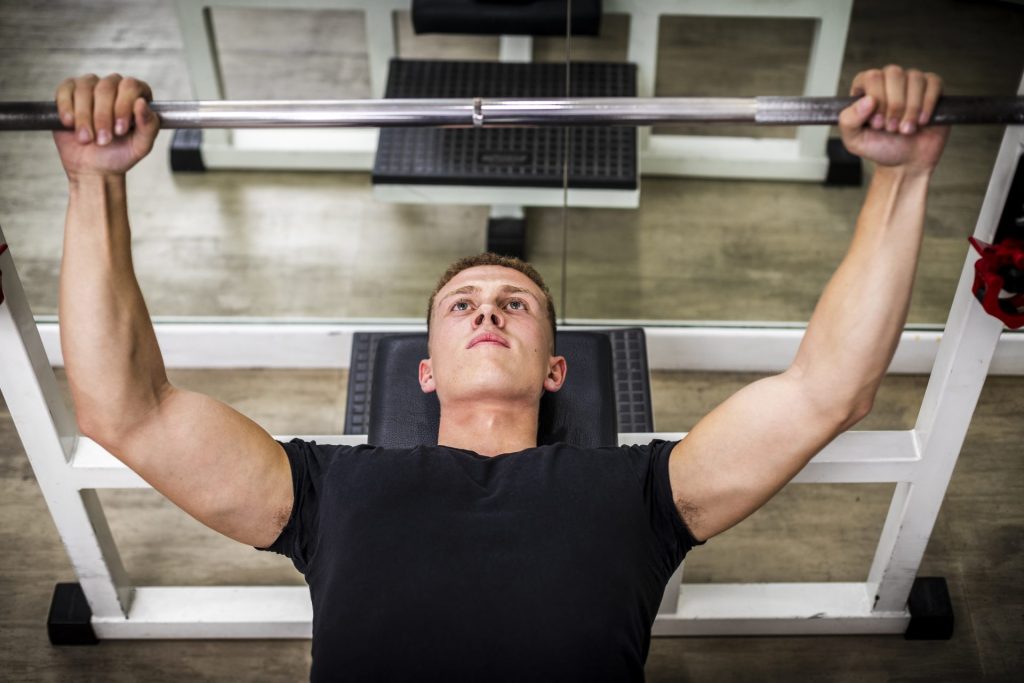
  • Bench press 3 x 10
  • Cable fly 3 x 12
  • Side lateral raise 3 x 10
  • Barbell overhead press 3 x 10
  • Weighted dips 3 x 10

Wednesday: Pull 1

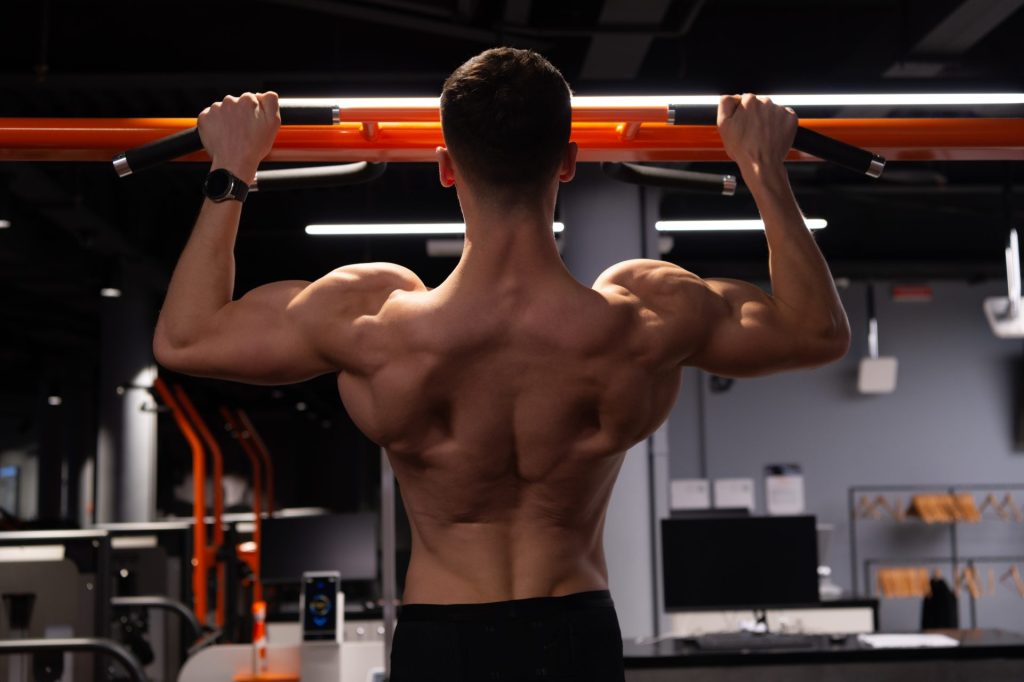
  • Pull-up 3 x 10
  • Shrug 3 x 12
  • Pause squat 3 x 8
  • Deadlift 3 x 6, 3, 1
  • Lat pulldown 3 x 10

Thursday: Rest Day

After three days of continuous training in a week, Dylan takes a break on Thursdays.

After such strenuous training, the body and muscles need some time to recover and heal for the next part of Dylan McKenna’s workout routine.

Check also Gabe Deutsch Workout Routine + (program)

Friday: Push 2

  • Incline dumbbell press 3 x 10
  • Dumbbells fly 3 x 8-10
  • Push press 3 x 8, 6, 4
  • Close grip bench press 3 x 10
  • Face pull 3 x 10
  • pushdown 3 x 10

Saturday: Pull 2

  • Hammer curls 3 x 16
  • Dumbbell alternating curls 3 x 8
  • Deficit deadlift 3 x 10, 8, 6
  • Chin-ups 3 x 10
  • T-Bar rows 3 x 8-10
  • Dumbbell rows 3 x 10, 8, 6

Sunday: Rest Day

Dylan takes another rest day on Sundays.

Dylan McKenna Nutrition Program

Dylan McKenna eats around 3500 calories daily. He keeps his diet clean and well-balanced. Furthermore, Dylan keeps track of his intake using a food scale as it helps him have more control over his shape.

He eats three meals daily and adds drinks and a protein shake post-workout.

Moreover, Dylan McKenna follows the If It Fits Your Macros (IIFYM) philosophy, according to which you can eat all types of food unless it fits your daily goal of macronutrients.

Here is what typical meals look like in Dylan’s day:

  • Breakfast: Eggs, oatmeal, walnuts, blueberries, and cinnamon
  • SnackPost-workout protein shake with Whey Protein
  • Lunch: Wheat pasta with ground beef
  • Dinner: Cheeseburger and sweet potatoes

What Supplements does Dylan McKenna Use?

Dylan McKenna strongly advocates consuming enough whole foods rather than relying on additional supplements to meet your needs.

However, he won’t skip the following extras in any case:

Whey Protein Powder:

As mentioned above, Dylan drinks a shake with Whey Protein as a post-workout snack food. It is helpful for his body as the shake provides glycogen and amino acids to fuel all the protein synthesis.

Pre-Workout Supplement:

Dylan’s pre-workout supplement improves his focus and intensity.

He takes it 30 minutes before working out and ensures that the supplement doesn’t contain caffeine, creatine, beta-alanine, citrulline, etc.

Final thoughts

Dylan McKenna workout routine has helped him transform from a skinny teenager into a well-sculpted bodybuilder. His message has inspired thousands of fans to make the best out of all opportunities.

There is no doubt that Dylan works tirelessly to maintain his ripped physique. He uses multiple training strategies he has mastered over the years of weightlifting.

Sharing his training videos online has given Dylan McKenna a colossal platform to showcase his workout routine at an intermediate or advanced level.

We hope you try our Dylan McKenna workout routine summary to achieve a lean and muscular body.

However, we recommend you hire a professional trainer to assist you in utilizing the Dylan McKenna workout routine at its best.

Long Head Bicep Exercises – Try these!

0

Are you ready to take your bicep workouts to the next level? With the right combination of strength and technique, you can craft the sculpted arms you’ve been dreaming about. Long-head bicep exercises are a great way to target this muscle group for maximum gains in definition and size. As such, it is important to understand the anatomy of your body and how each exercise will directly impact it. 

This article will discuss how you can specifically target the long head with certain exercises and why they are beneficial for muscular growth and development. We will break down exactly what muscles these movements activate, why they’re important, and provide tips on how to keep form while performing them to ensure maximal benefit. 

Plus, we will discuss some common mistakes many beginners make when attempting these exercises so that you can avoid them. Finally, we’ll provide a sample long head bicep exercise routine that will help bring out the definition in your guns and increase overall arm strength. So let’s get started!

What Is The Long Head? 

THE LONG HEAD OF THE BICEPS IS A MUSCLE LOCATED ON THE UPPER ARM, NEAR YOUR SHOULDER JOINT.

This muscle contributes to both elbow flexion and shoulder flexion, but it is primarily responsible for helping support the shoulder joint when lifting objects overhead or in front of you. It also helps to stabilize the shoulder when throwing or punching movements are performed.

By building up this muscle through long head bicep exercises, you can strengthen both your arms and shoulders. 

Barbell Curl

The Barbell Curl is one of the most effective exercises for developing strong long head biceps.

TO DO THIS EXERCISE, HOLD A BARBELL AT SHOULDER WIDTH AND STAND UP STRAIGHT.

With your elbows tucked close to your sides and palms facing up, slowly curl the weight up towards your chest until it reaches shoulder height.

Keep your core engaged throughout the movement and avoid arching or leaning forward as you curl. Slowly lower the weight back down to starting position after a brief pause at the top. Aim for 3 sets of 10-15 repetitions with 1-minute rest in between sets. 

The Reverse Curl

It is another great exercise for strengthening long head biceps muscles. Stand up straight with feet hip-width apart and hold onto a barbell at shoulder width with palms facing down.

Keeping elbows tucked close to your sides, slowly curl the weight upwards until it reaches chest height before slowly lowering it back down to starting position after a brief pause at the top. Aim for 3 sets of 8-12 repetitions with 1-minute rest in between sets.

Long Head Bicep Exercises

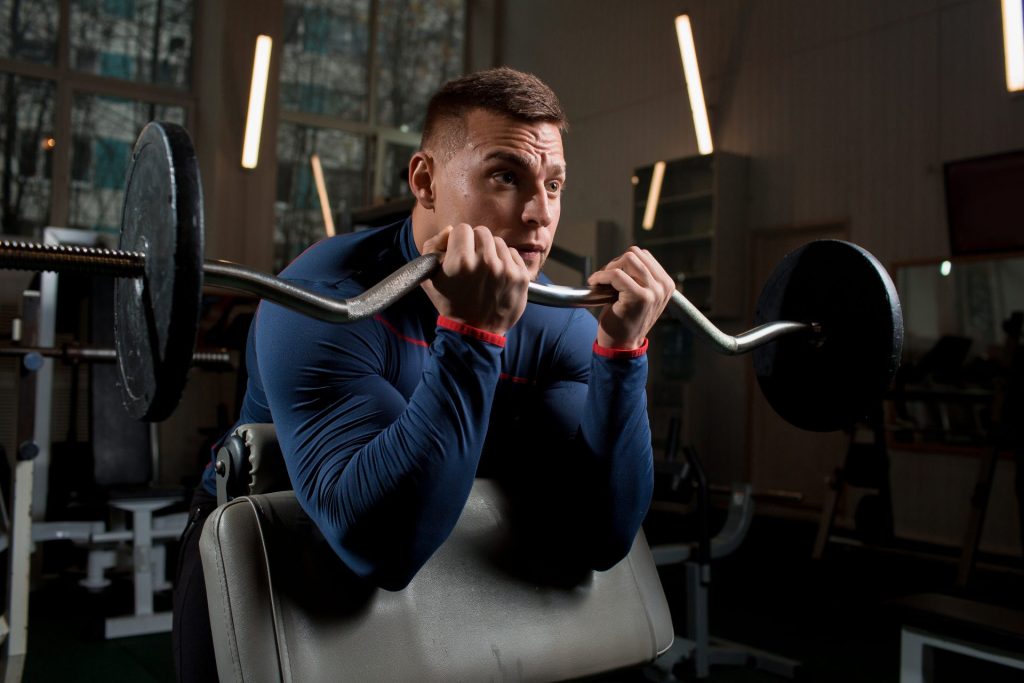
Preacher Curls

Preacher curls are a popular exercise used to isolate and target the long head of the biceps muscles. This exercise can be done with either dumbbells or a barbell.

To do this exercise, sit on an adjustable preacher bench and position your arms so that they are extended outwards over the bench pad.

Grasping a dumbbell or barbell in each hand, curl them up towards your body as far as you can go without straining or sacrificing form. Try to hold at the top for 1-2 seconds before slowly lower back down to starting position. Aim for 8-12 reps per set and 3-4 sets total for maximum benefit from this exercise.

Chin-Ups

Chin-ups are one of the best exercises for targeting not only the long head but also other muscles in the upper body like lats, traps, delts, and pecs. To do this exercise, find an overhead bar or sturdy structure that can support your weight and grip it firmly with both hands slightly wider than shoulder-width apart (palms facing away from you).

Pull yourself up towards the bar until your chin comes over it and then slowly lower yourself back down before repeating for the desired number of reps. Make sure to keep the core engaged throughout the entire movement for the best results!

Long Head Bicep Exercises

Dumbbell Hammer

Finally, Dumbbell Hammer Curls are an excellent exercise for targeting long head bicep muscles as well as supporting forearms and brachialis muscles on top of that!

WITH FEET SHOULDER-WIDTH APART, HOLD ONTO TWO DUMBBELLS AT HIP LEVEL WITH PALMS FACING EACH OTHER (OR INWARDS TOWARDS THE BODY).

Keeping elbows tucked close to sides, curl both arms simultaneously towards shoulders before lowering weights back down slowly after a brief pause at the top. Aim for 3 sets of 10-15 repetitions with 1-minute rest in between sets. 

Benefits Of Long Head Bicep Exercises

There are numerous benefits associated with performing long head bicep exercises as part of your regular workout routine.

  • First, by doing these exercises regularly, you can help improve overall arm strength and stability. Stronger arms mean improved performance during activities such as weightlifting, throwing sports, and boxing/martial arts training.
  • Additionally, stronger arms also mean improved posture since they provide more support for your spine and chest muscles when standing upright or sitting down for extended periods.
  • Furthermore, these exercises can also help reduce pain associated with shoulder impingement syndrome due to their ability to strengthen the rotator cuff muscles that surround your shoulder joint.

Long Head Bicep Exercises

5 Common Mistakes To Avoid When Doing Bicep Peak Exercises 

Unfortunately, there are several common mistakes people make when trying to achieve this peak. Let’s take a look at some of them and how to avoid them. 

Lifting Too Much Weight

It’s easy to get carried away by wanting a bigger biceps peak, so you might be tempted to lift heavier weights than your body can handle.

This is a mistake because lifting too much weight will lead to injury or poor form which will result in an ineffective workout. If you want to achieve a better peak, focus on form and control rather than increasing the amount of weight lifted. 

No Focus On Tension

Tension is an important element when it comes to building muscle and achieving the perfect biceps peak.

If you don’t focus on keeping tension throughout the exercise, your muscles won’t be getting the full benefit of each rep and you won’t be able to maximize your results.

Make sure to keep tension on your biceps throughout each rep—this means squeezing at the top of each rep and focusing on keeping tension in your muscles during the eccentric (lowering) part of each repetition as well as during the concentric (lifting) part.

Don’t Aim For Muscle Failure

Many people make this mistake when doing any kind of exercise—not just bicep exercises. While it may seem like a good idea to push yourself until failure, it can do more harm than good in terms of muscle gains.

You should aim for reps that are challenging but not too difficult where you are unable to complete them with proper form or technique.

This way you’ll still get an effective workout while avoiding injuries or fatigue that could cause long-term damage or impede progress later down the line.  

Long Head Bicep Exercises

Lack of Variation

If you’re performing the same exercises every time you work out, your muscles won’t have enough variety in their routine and they will eventually reach a plateau in terms of growth and development.

To prevent this from happening, mix up your workouts with different types of exercises such as hammer curls, alternating curls, preacher curls, etc., which target different parts of your bicep muscles for more comprehensive development over time as well as providing better overall stimulation for faster results overall.                       

Cheating Too Much

Cheating is sometimes necessary if you want to get those extra few reps to challenge yourself further but it shouldn’t become a habit.

Otherwise, it can lead to poor form which will affect both safety and effectiveness when performing any type of exercise—especially bicep exercises because they involve smaller muscle groups so improper form can easily lead to injury if done incorrectly over long period of time.

Also exercising with too much weight/resistance applied at once without proper support/guidance from other larger muscle groups working together in harmony with one another). 

Conclusion

If you’re looking to build size and strength in your biceps, then the long-head exercises mentioned above are a great place to start.

These exercises can be done with minimal equipment and no gym membership is required, making them popular among those who want to increase their arm strength and size conveniently.

Not only that but they can also be used as part of a larger full-body workout regime to help maximize muscle gains all over your body.

KEEP IN MIND THAT ALTHOUGH THESE EXERCISES ARE EFFECTIVE FOR TARGETING THE LONG HEAD OF THE BICEPS, IT’S IMPORTANT TO ALSO INCLUDE EXERCISES THAT TARGET THE WHOLE ARM, SUCH AS TRICEP DIPS OR HAMMER CURLS.

By incorporating these different exercises into your routine, you’ll be able to get the most out of your workouts and reach your goals faster than ever before!

How to Get Bigger Legs for Females + TOP EXERCISES

0

Having strong, toned legs is key for a female athlete to perform at her best. Strong leg muscles boost running speed and strengthen the whole body. But not every workout gets the job done. There’s a knack to exercising that builds legs just right, mixed with eating plans made just for female athletes. Want to know how to really grow those leg muscles? Dive into the world of targeted workouts and balanced diets designed especially for women who want to enhance their athletic game. Watch as you unlock secrets and hidden tips that aren’t well-known but truly make a difference. Keep reading to discover surprising truths and useful advice for building bigger, stronger legs.

Exercise Routines for Building Bigger Legs

One of the best ways to build muscle in the legs is by doing squats, lunges, leg press exercises, and calf raises. Squats can be done with or without weights.

If using weights, make sure it is not too heavy as it may cause injury. Lunges can also be done with or without weights, start off slowly by taking small steps and then gradually increase your range of motion (trusted source).

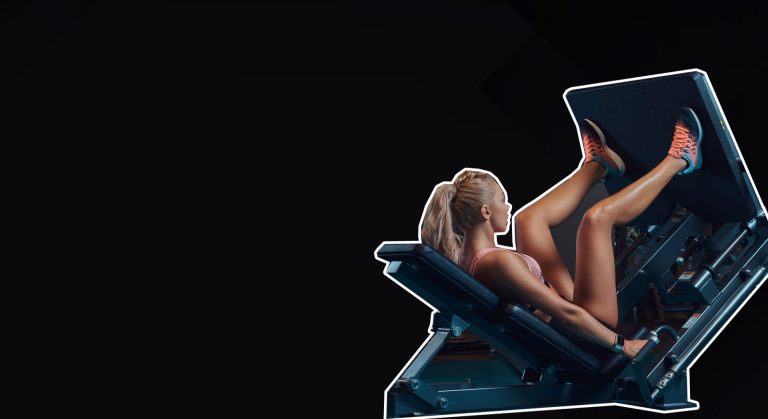
Leg press exercises are great for targeting different parts of the legs such as front thighs and glutes.

Position your feet wide apart on the platform of the machine while pushing up against the resistance before bringing your feet back down again.

Calf raises involve standing on the edge of a step while raising up onto tiptoes before lowering back down again.

This exercise should be done slowly and deliberately with good form in order to get maximum benefit from it.

Diet and Nutrition for Muscle Growth

In addition to exercise routines designed specifically for female athletes, proper nutrition is key when it comes to building leg muscles in females.

Eating plenty of protein-rich foods such as eggs, chicken breast, lean beef, fish, beans and lentils will help build muscle mass faster than eating processed foods filled with empty carbs and fats.

It is also important to get enough calories per day (around 2200-2500 depending on activity level) in order to properly fuel your body for muscle growth purposes.

Sample meal plans can easily be found online that will include all necessary macronutrients such as proteins, carbohydrates, fats etc., needed for optimal results during an exercise routine focused on building bigger legs for females.

How to Get Bigger Legs for Females

So How to Get Bigger Legs for Females?

Finally, proper form and technique must also be employed when exercising legs as a female athlete.

Incorrect form can lead to potential imbalances or injuries that could put you out of commission for weeks or even months at a time!

Make sure you understand how each exercise should be performed correctly before giving it a go so that you can reap all those hard-earned gains!

Bigger is Better!

Developing stronger, bigger leg muscles is something that can benefit females athletically and from a general body strength standpoint.

Though getting thicker thighs may sound intimidating, there are actually a multitude of ways to achieve it. Adding strength training exercises that target the lower body into one’s workout repertoire, such as bulgarian squats and lunges, can encourage larger and leaner muscles in the legs.

Additionally, increasing one’s consumption of protein-rich foods support muscle growth while reducing the intake of unhealthy processed foods allows them to put all their hard work in the gym to good use.

With dedication and consistency, anyone can make big changes in how they look and how they perform.

…and having thicker thighs will do just that!

Skinny Legs? Nothing For Me!

Skinny legs may be undesirable aesthetically, but don’t underestimate the importance of developing strong and healthy legs through regular workouts.

Leg days are key to achieving overall body development, as they help build balance, stability, and functional movement throughout our bodies.

From squats to lunges, there are a variety of leg exercises that you can do on a regular basis to strengthen these muscles and bones, all while helping us move more efficiently and effectively.

So, if you’re looking to achieve total body wellness and development, don’t forget to include leg workouts in your exercise routine.

Extra Paragraphs to Consider

Working out to build shapely legs can be overwhelming, but it doesn’t have to be.

Four key exercises:

  • squats
  • lunges
  • leg press
  • calf raises

These can help you achieve the legs you desire if done correctly and consistently.

These exercises target specific areas of your legs like hip flexors, quads and hamstrings that will give you a toned look with increased strength. For best results, focus on how many reps you do rather how much weight you lift.

Enjoy the process of how to get your legs bigger – it’s hard work but rewarding!

Diet is a Crucial Component

Every bodybuilder knows that diet is a crucial component to achieving dramatic results in muscle growth.

In order to build bigger legs without weights, it is essential to make sure that your body is receiving sufficient amounts of calories and protein.

Eating the right kind of food and dedicated supplementation can help you get bigger faster than weightlifting alone.

Additionally, remember to stay hydrated when smashing your workouts; water intake helps to reduce cramps and improve performance over time. With the right combination of nutrition, dedication and hard work, bigger legs without weights will be within reach.

Do Not Overlook Proper Form

Many people tend to overlook proper form when performing an exercise routine, but this can be a big mistake.

Achieving a balanced workout is key to achieving the desired results, and proper form is not only important for that but also for helping to avoid potential injuries.

Whether you are a beginner or a fitness enthusiast, it is integral to take the time necessary to ensure that your posture, technique and motion are all correct.

Not doing so can lead to issues like muscle strain or fatigue where certain areas of your legs may be overworked while others receive minimal benefit.

Learning proper form takes some practice but it’s an essential step in any exercise routine if you want to keep yourself safe and maximize the effectiveness of each workout session.

Consistency and Dedication…

For female athletes who are looking to build bigger legs and a bigger butt, consistency and dedication are key.

While it can be difficult to stay motivated day after day, doing so will ultimately result in bigger and stronger legs and a perky seat with perseverance. A consistent exercise routine that is tailored specifically to the female athlete will yield results over time.

This could include exercises such as:

  • squats
  • lunges
  • step-ups
  • glute bridges

Taking the time each day to commit to putting in the work can lead not just to bigger legs but also improved overall athletic performance.

By understanding the importance of consistency along with dedication when it comes to training, any female athlete can take her figure to the next level.

Conclusion

Building bigger legs as a female athlete takes consistency and dedication towards both training routines designed specifically for female athletes as well as nutrition plans tailored towards muscle growth purposes.

With these tips on how to develop stronger legs through exercise routines along with diet plans rich in proteins and calories needed for optimal results – you’ll have shapely legs that are ready for any competition!

We wish you good luck and bigger legs!