Home Blog Page 27

Mid Back Exercises + VIDEO

0

A strong and healthy back is essential for overall physical fitness and well-being. However, many people tend to focus on the upper and lower back muscles, neglecting the mid back region. The mid back, also known as the thoracic spine, plays a crucial role in maintaining proper posture, stability, and alignment of the entire back. Neglecting this area can lead to a range of problems, including poor posture, pain, and injury.

In this blog post, we will explore the importance of mid back exercises, their benefits, and some of the best exercises to incorporate into your fitness routine.

Understanding The Anatomy Of The Mid Back Muscles

The mid back muscles consist of the erector spinae, rhomboids, and trapezius muscles. The erector spinae runs parallel to the spine and helps maintain an upright posture.

The rhomboids are located between the shoulder blades and help retract the scapulae. The trapezius muscles are located at the base of the skull and run down to the middle back, helping to move and stabilize the shoulder blades.

Benefits Of Mid Back Exercises

Incorporating mid back exercises into your fitness routine can provide a range of benefits, including:

  • Improved Posture and Alignment: A strong mid back helps maintain proper spinal alignment, reducing the likelihood of poor posture and associated problems such as back pain and fatigue.
  • Reduced Risk of Injury or Strain in the Upper and Lower Back: Strengthening the mid back muscles can improve overall back stability, reducing the risk of injury or strain in the upper and lower back regions.
  • Increased Strength and Stability in the Back Muscles: Incorporating mid back exercises into your workout routine can help strengthen the muscles in this area, leading to greater overall back strength and stability.
  • Enhanced Overall Physical Performance: A strong mid back can improve overall physical performance, whether you are an athlete or simply looking to improve your fitness level.
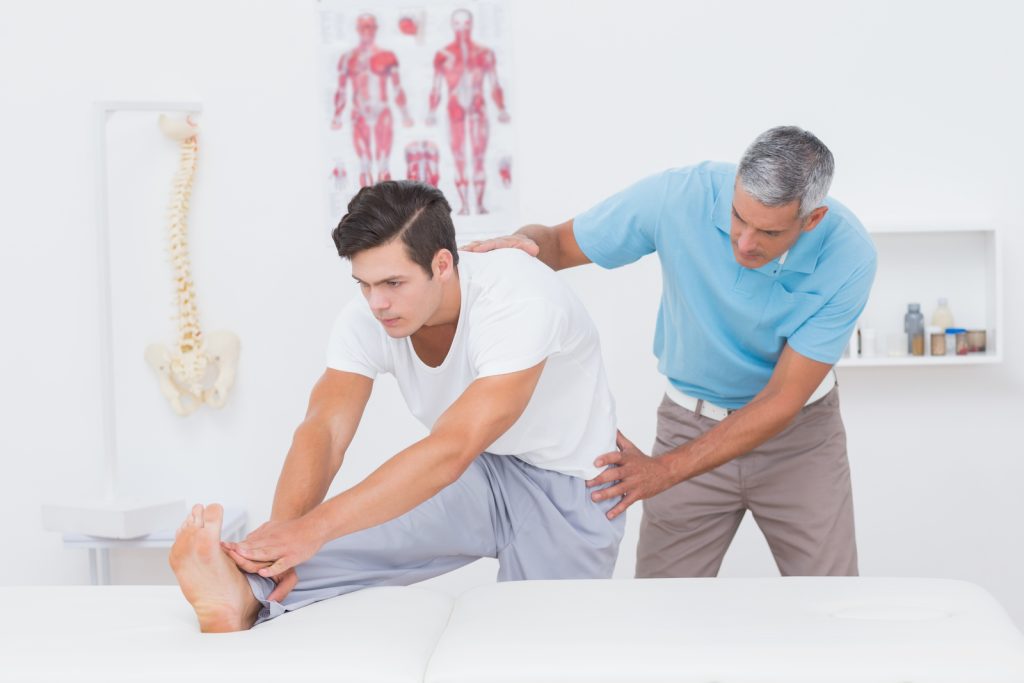
Mid Back Exercises

Top Mid Back Exercises

There are many mid back exercises to choose from, but some of the most effective include:

Reverse Flyes: 

This exercise targets the rhomboid muscles in the mid back. To perform a reverse fly, stand with your feet shoulder-width apart and hold a pair of dumbbells. Lean forward slightly, with your arms extended towards the floor. Lift your arms out to the sides, keeping them straight, until they reach shoulder level. Lower your arms back down to the starting position.

Bent-Over Rows: 

This exercise targets the latissimus dorsi muscles in the mid back. To perform a bent-over row, stand with your feet shoulder-width apart and hold a barbell with an overhand grip. Lean forward, keeping your back straight, until your torso is parallel to the floor. Pull the barbell up towards your chest, keeping your elbows close to your body. Lower the barbell back down to the starting position.

Lat Pulldowns: 

To perform a lat pulldown, sit at a lat pulldown machine and grasp the bar with an overhand grip. Pull the bar down towards your chest, keeping your elbows close to your body. Slowly release the bar back up to the starting position.

Seated Cable Rows: 

This exercise targets the rhomboid and trapezius muscles in the mid back. To perform a seated cable row, sit at a cable machine and grasp the handle with an overhand grip. Sit up straight and pull the handle towards your chest, keeping your elbows close to your body. Slowly release the handle back to the starting position.

Supermans: 

This exercise targets the erector spinal muscles in the mid and lower back. To perform a superman, lie face down on a mat with your arms extended above your head and your legs straight. Lift your arms and legs off the ground simultaneously, holding the position for a few seconds before lowering back down to the mat.

Bridge With Leg Lift: 

To perform a bridge with a leg lift, lie on your back with your knees bent and feet flat on the ground. Lift your hips off the ground, squeezing your glutes at the top of the movement. Keeping your hips lifted, extend one leg out straight, holding the position for a few seconds before lowering back down to the starting position. Repeat on the other leg.

Renegade Rows

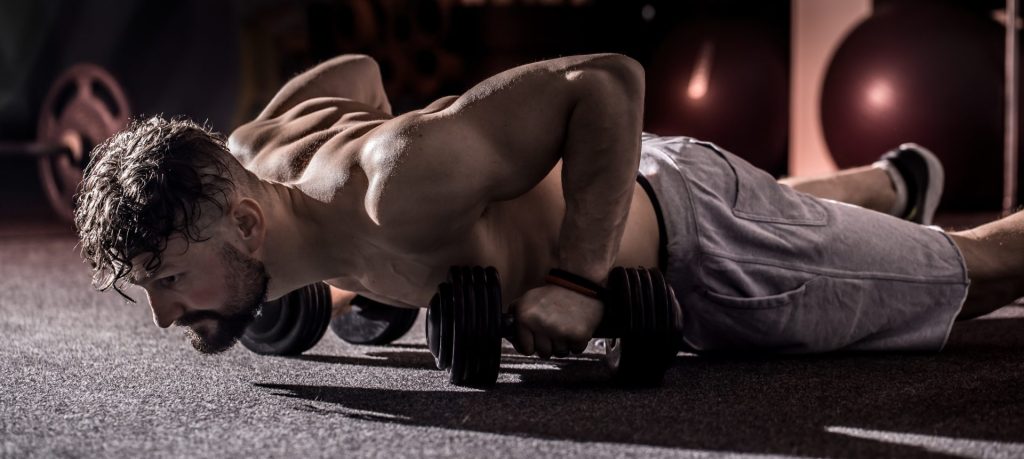
Renegade rows are a compound exercise that targets multiple muscle groups, including the mid back muscles, core, and biceps. Start in a push-up position with your hands on two dumbbells. Row one dumbbell up towards your chest, keeping your elbow close to your body. Lower the dumbbell back down and repeat on the other side.

Advanced Variations And Progressions For Increasing Difficulty

  • Single Arm Rows: Perform bent over rows, seated rows, or lat pulldowns with one arm at a time to increase the challenge and target each side of the back independently.
  • Eccentric Training: Focus on lowering the weight slowly and with control during the eccentric phase to increase muscle tension and stimulate growth.
  • Plyometric Training: Incorporate explosive movements such as jump squats, box jumps, or medicine ball slams to improve power and explosiveness.

Sample Mid Back Workout Routine

Here’s a sample mid back workout plan that incorporates the exercises mentioned above:

Warm up: 5-10 minutes of cardio, such as jogging or jumping jacks, to get your blood flowing and prepare your muscles for exercise.

  • Reverse Flyes: 3 sets of 10-12 reps
  • Bent-Over Rows: 3 sets of 10-12 reps
  • Lat Pulldowns: 3 sets of 10-12 reps
  • Seated Cable Rows: 3 sets of 10-12 reps
  • Supermans: 3 sets of 10-12 reps
  • Bridge with Leg Lift: 3 sets of 10-12 reps on each leg
  • Cool down: 5-10 minutes of stretching to help prevent muscle soreness and improve flexibility.

Of course, this is just one example of a mid back workout routine, and you can adjust it based on your fitness level and personal goals. If you’re new to strength training, start with lighter weights and fewer reps, and gradually increase as you become more comfortable with the exercises.

Tips For Proper Form And Technique During Exercises

Proper form and technique are essential for maximizing the benefits of mid-back exercises and preventing injury. Here are some tips to keep in mind while performing the exercises:

  • Keep your back straight: Whether you are standing or seated, ensure that your back is straight throughout the exercise. Avoid slouching or hunching over.
  • Engage your core: Engaging your core muscles can help you maintain proper form and prevent excess strain on your lower back.
  • Move slowly and deliberately: Avoid jerky or sudden movements, and focus on moving through the full range of motion.
  • Breathe: Remember to breathe steadily and rhythmically throughout the exercise. Exhale during the exertion phase and inhale during the release phase.
  • Use a mirror: A mirror can be a helpful tool to ensure that you are performing the exercise with the correct form.
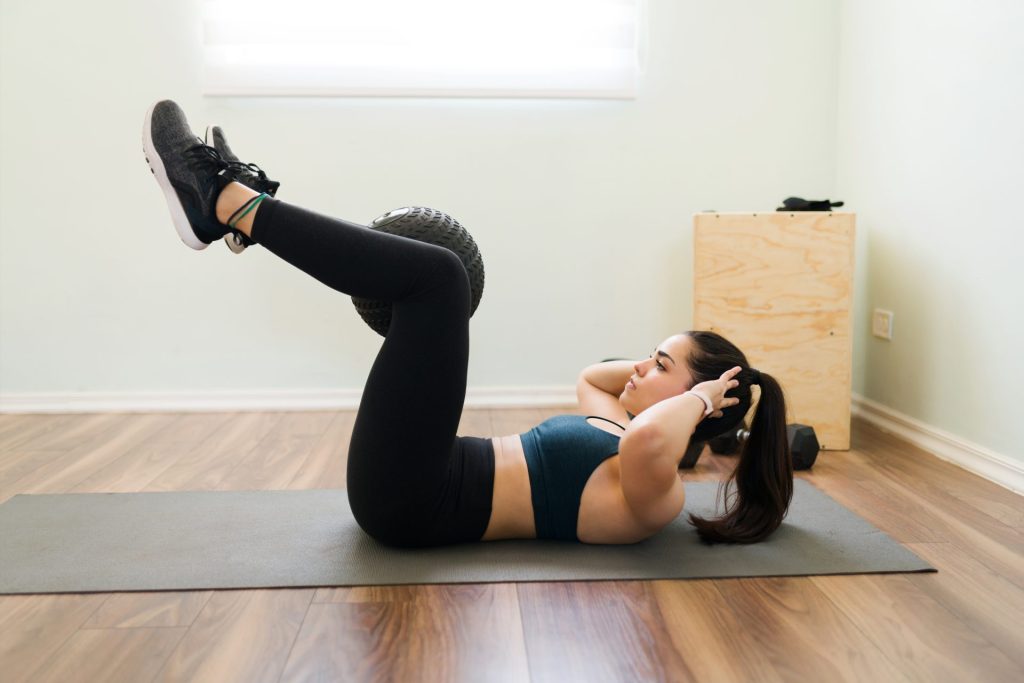
Mid Back Exercises

Additional Tips For A Healthy Back

In addition to mid back exercises, there are other steps you can take to support overall back health. Here are a few tips:

Stretching And Foam Rolling

Stretching and foam rolling can help reduce muscle soreness and improve flexibility, which can in turn improve posture and reduce the risk of injury. Consider incorporating a stretching routine into your fitness routine, and use a foam roller to massage tight muscles.

Maintaining Good Posture

Poor posture can lead to back pain and other health issues. Make a conscious effort to sit and stand up straight throughout the day, and avoid slouching or hunching over.

Other Lifestyle Changes

Other lifestyle changes, such as getting enough sleep, eating a healthy diet, and reducing stress, can also support overall back health. Aim for at least 7-8 hours of sleep per night, eat a diet rich in fruits and vegetables, lean protein, and healthy fats, and find ways to manage stress, such as through meditation or exercise.

Wrapping Up

Mid back exercises are an important component of overall back health, helping to improve posture, reduce the risk of injury, and increase strength and stability in the back muscles. By incorporating exercises like reverse flyes, bent-over rows, and lat pulldowns into your fitness routine, you can support a healthy back and improve your overall physical performance. Remember to focus on proper form, start with lighter weights if you’re new to strength training, and make adjustments based on your fitness level and personal goals.

Muscle Twitching After Workout

0

Muscle twitching after a workout is quite common after a heavy workout; it can still be off-putting, making you feel comfortable and irritated. Situations like muscle spasms can be alarming, raising fear of any worst situation. Most of these situations are of no concern and are perfectly normal. However, some can be associated with nerve system conditions, and you should see a doctor.

However, several causes make your muscles twitch after a workout, and we will explore them in this article. We will also discuss the reasons and ways to prevent them.

What is Muscle Twitching?

Muscle Twitching is also known as fasciculation. It is a type of Muscle Spasm causing muscles to contract involuntarily.

It is a short, sudden, and unpainful contraction of skeletal muscles. If it occurs in cramps, it arises as a more sustained and painful twitch.

Nerves control the muscle fibers. When something damages or stimulates the nerves, it gets fired, resulting in a cramp, and causing muscle movement. A person can see or feel the twitch below the skin.

Causes of Muscle Twitching: 

There are numerous causes of muscle twitching after workout. Minor twitching may be the result of less serious life-related conditions.

However, severe muscle twitching is often due to consequential causes that need to be considered.

Do you also have a question about why my muscle twitches after a workout?

Here you get the reasons that cause muscle twitching after a workout.

Overexertion: 

Muscle Twitching can result from muscle fatigue that triggers twitching and cramps in overworked body muscles.

Due to excess physical activity, the mode of respiration is shifted to anaerobic from aerobic, resulting in lactic acid accumulation in the muscles. Thus, resulting in cramps and spasms.

Electrolytes are essential in maintaining the normal contraction of muscles. Though, due to sweating after a workout, electrolyte imbalance causes muscles to twitch and shaky legs after a workout.

Nutrient Deficiency: 

Not getting the correct dose of certain nutrients in the diet can lead to muscle twitching after a workout.

These spasms mainly occur in the eyelids, calves, hands, and arm muscles. The body needs calcium for the proper working of body muscles.

If you want to keep your nerves and muscles healthy, it is crucial to have magnesium in your diet, as it plays a role in transporting calcium across the cell membranes to support muscle and nerve function.

Moreover, vitamin D is the potential requirement to carry the message to and from the brain to the body’s muscles. Thus, having a sound source of vitamin D in your diet is essential.

good food

Overworking Specific Muscle Group: 

Overworking a specific muscle group triggers twitching and cramps. If you continue to work on the same muscle every day, it will ultimately max out.

Thus, it is essential to switch things out and make rotations for the muscle groups.

If you are working on the chest and biceps on Monday?

Try to focus on the triceps on Tuesday.

Dehydration: 

Body muscles constitute about 75% of water. It helps to carry nutrients and minerals to support the proper functioning of the muscles.

Less water consumption can result in dehydration which can cause muscles to twitch after a workout.

Excess sweating after a workout leads to electrolyte imbalance. Thus, focus on consuming the right amount of water according to your activity.

dehydration

Stress and Anxiety: 

Along with other symptoms, mental health issues are the muscle by excess muscle twitching. Experiencing psychological stress and high level of anxiety give rise to muscle cramps. Muscle spasms resulting from stress and anxiety can occur anywhere in the body.

Not Getting Enough Sleep: 

Not getting enough sleep results in the misbalancing of certain neurotransmitters. These neurotransmitters play an important role in transmitting information from the brain to the nerves linked with muscle contraction.

Sleep deprivation results when the level of neurotransmitters rises above normal. Thus, this leads to muscle twitching.

Preventing Muscle Twitching After Workout: 

There is no way to prevent muscle twitching after workout. However, adopting certain things can lower the chances of serving muscle twitching.

Eat a Balanced Diet: 

Consuming a balanced diet with the right portion of carbs, protein, and vitamins can save you from serving muscle cramps.

A proper diet can maintain the contraction of muscles, preventing muscle spasms.

Limiting Caffeine Intake: 

There is an excellent connection between caffeine and muscle spasms. Thus, lower the level of your caffeine intake when you work hard on your muscles.

Get Adequate Sleep: 

Getting adequate sleep gives your nerves time to rest. It helps to recover and heal from bodily injury, including muscle twitching.

good sleep

Thus, 7 to 9 hours of sleep is a must for adults.

Diagnosing Muscle Twitching After Workout: 

If you are bothered about muscle twitching after workout, as it takes longer to get back to normal, you should see the doctor.

To ensure that these contractions are due to strenuous exercise, the doctor will ask you some questions to know the detailed history.

You may know the answer to some questions as follows:

  • The location of muscle twitching.
  • Duration and frequency of muscle twitching.
  • It’s onset, and when you notice it for the first time.
  • Other symptoms you may be experiencing.

As per the satisfaction of the doctor, he may perform some tests.

  1. Computed Tomography Scan
  2. Magnetic Resonance Imaging
  3. Blood Tests to know electrolyte level.
  4. Nerve Conduction Studies
  5. Electromyography to access the muscle health and nerves that are controlling it.

These diagnostic tests can help the doctor know the cause of muscle twitching to prescribe a better treatment.

Treatment for Muscle Twitching After Exercise: 

In general, there is no need to go for treatment for spasms and cramps resulting from a workout.

Muscle twitching 2 days after a workout is common. Though, to provide quicker relief, you can go for the treatment mentioned below:

  • Give a pause to the activity that leads to muscle twitching.
  • Gentle stretch the affected area.
  • Muscle massage with the hand or massage roller can prove to be beneficial.
  • Apply heat to the cramps or get a nice warm bath.
  • Place an ice bag on the twitching area.
  • Take painkillers like ibuprofen and acetaminophen.

Conclusion: 

To summarize the above information, muscle twitching after a workout is surprisingly common. However, it isn’t very comfortable.

Certain medications can assist you in treating it faster than usual.

Moreover, you can prevent future spam by attaining a healthy lifestyle and increasing your overall fitness level.

Best Fiber Supplement For Women: TOP 10 for Digestive Health [2023]

0

Fiber is way more important to your gut than you might think. Women often forget about this key nutrient in their meals. Not only does fiber keep things moving in your belly, but it also helps balance your blood sugar, cuts down cholesterol, and can even help you stay in shape. The tricky part? Getting enough fiber just from what you eat every day isn’t always easy. That’s when fiber supplements come in handy like a secret weapon.

In this comprehensive guide, we’ll explore the top 10 fiber supplements for women in 2023. We’ve meticulously researched and evaluated these supplements based on their ingredients, effectiveness, user reviews, and expert recommendations. Whether you’re looking to improve your digestive health or enhance your overall well-being, these fiber supplements are worth considering.

Best Fiber Supplement For Women

1. Metamucil Psyllium Fiber Supplement

Key Features:

  • Active Ingredient: Psyllium husk
  • Soluble fiber content: 3.4g per serving
  • Promotes regularity and supports heart health
  • Sugar-free
  • Available in various flavors

Metamucil is a household name when it comes to fiber supplements. Their Psyllium Fiber Supplement is a go-to choice for many women. Psyllium husk, the active ingredient, is a soluble fiber that helps soften stool and promotes regular bowel movements. It also aids in reducing cholesterol levels, making it a heart-healthy choice.

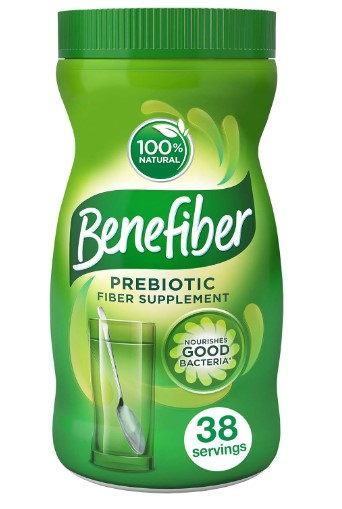
2. Benefiber Daily Prebiotic Dietary Fiber Supplement

Key Features:

  • Active Ingredient: Wheat dextrin
  • Soluble fiber content: 3g per serving
  • Dissolves completely in liquids
  • Supports digestive health and maintains gut balance
  • Non-thickening and tasteless

Benefiber is a versatile and convenient way to add fiber to your daily routine. Its active ingredient, wheat dextrin, is a prebiotic fiber that not only promotes digestive health but also supports a healthy gut microbiome. One of its standout features is its ability to dissolve completely in liquids without altering taste or texture, making it easy to incorporate into your favorite beverages.

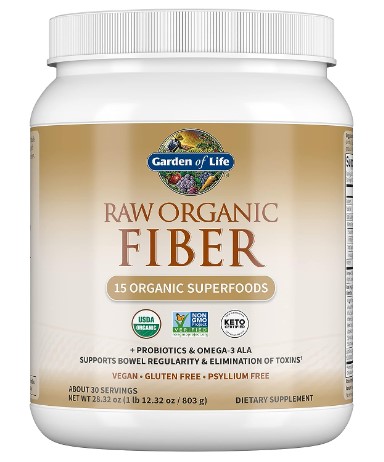
3. Garden of Life Raw Organic Fiber

Key Features:

  • Active Ingredients: Organic flaxseed, organic chia seed, organic coconut fiber, and more
  • Soluble and insoluble fiber blend
  • Contains probiotics and enzymes for gut health
  • Vegan and USDA-certified organic

For those looking for a more holistic approach to digestive health, Garden of Life’s Raw Organic Superfood Fiber is an excellent choice. This fiber supplement boasts a blend of organic ingredients, including flaxseed, chia seed, and coconut fiber, providing both soluble and insoluble fiber. What sets it apart is the inclusion of probiotics and enzymes, which further support gut health and digestion.

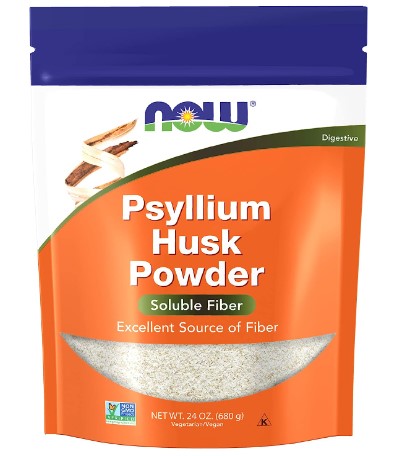
4. NOW Psyllium Husk Powder

Key Features:

  • Active Ingredient: Psyllium husk powder
  • Soluble fiber content: 7g per serving
  • 100% pure psyllium husk powder
  • Promotes regularity and aids in weight management
  • Unflavored and easy to mix

NOW Psyllium Husk Powder is a simple and effective choice for women seeking to increase their daily fiber intake. With a whopping 7 grams of soluble fiber per serving, it’s a potent option for promoting regular bowel movements and aiding in weight management. It’s unflavored, making it easy to mix into your favorite beverages or recipes.

Best Fiber Supplement For Women

5. Fiber Choice Fruity Bites Gummies

Key Features:

  • Active Ingredient: Inulin (chicory root fiber)
  • Soluble fiber content: 3g per serving
  • Delicious gummy form
  • Supports digestive health and immune system
  • No artificial colors or flavors

Fiber Choice Fruity Bites Gummies offer a fun and tasty way to get your daily dose of fiber. These gummies contain inulin, a soluble fiber derived from chicory root. Beyond promoting digestive health, inulin also provides immune system support. With no artificial colors or flavors, they are a great option for those who prefer a more enjoyable way to take their supplements.

6. Heather’s Tummy Fiber Organic Acacia Senegal

Key Features:

  • Active Ingredient: Organic acacia senegal
  • Soluble fiber content: 4g per serving
  • Relieves IBS symptoms and aids in digestion
  • Suitable for sensitive stomachs
  • USDA-certified organic and gluten-free

Heather’s Tummy Fiber is specifically formulated for individuals dealing with irritable bowel syndrome (IBS) or sensitive stomachs. It contains organic acacia senegal, a gentle soluble fiber that can help alleviate IBS symptoms like abdominal pain and irregular bowel movements. This supplement is gluten-free and USDA-certified organic, making it an ideal choice for those with dietary restrictions.

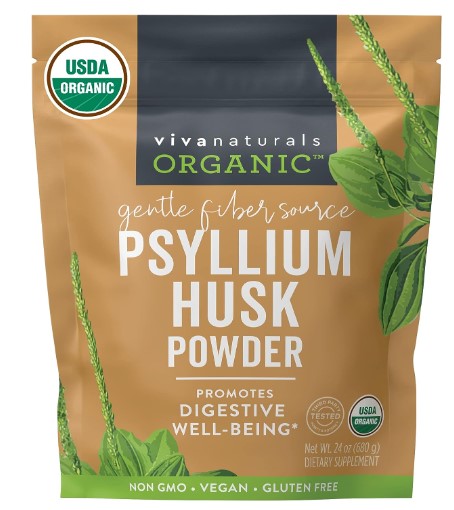
7. Viva Naturals Organic Psyllium Husk Powder

Key Features:

  • Active Ingredient: Psyllium husk powder
  • Soluble fiber content: 5g per serving
  • High-quality, pure psyllium husk
  • Promotes regularity and digestive health
  • Certified organic and non-GMO

Viva Naturals Organic Psyllium Husk Powder is a reliable option for women seeking a high-quality and pure psyllium husk supplement. With 5 grams of soluble fiber per serving, it’s effective at promoting regular bowel movements and overall digestive health. Plus, it’s certified organic and non-GMO, ensuring you’re getting a clean and natural product.

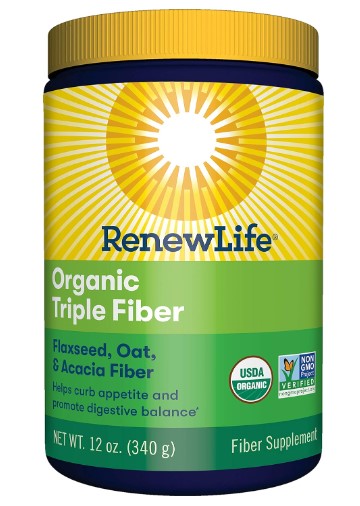
8. Renew Life Organic Triple Fiber

Key Features:

  • Active Ingredients: Organic flaxseed, organic oat bran, organic acacia fiber
  • Soluble and insoluble fiber blend
  • Supports digestive health and regularity
  • Vegan and USDA-certified organic

Renew Life Organic Triple Fiber combines the power of organic flaxseed, oat bran, and acacia fiber to provide a balanced blend of soluble and insoluble fiber. This supplement supports digestive health and regularity, making it an excellent choice for women aiming to improve their gut health. It’s vegan and USDA-certified organic, appealing to those with specific dietary preferences.

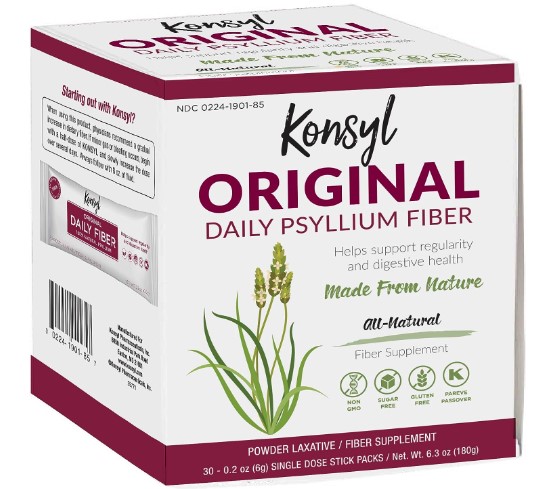
9. Konsyl Original Formula Psyllium Fiber

Key Features:

  • Active Ingredient: Psyllium husk powder
  • Soluble fiber content: 6g per serving
  • Promotes regularity and aids in weight management
  • Sugar-free and gluten-free
  • No artificial additives

Konsyl Original Formula Psyllium Fiber is a potent option for those seeking to boost their fiber intake. With 6 grams of soluble fiber per serving, it’s highly effective at promoting regular bowel movements and aiding in weight management. It’s also sugar-free, gluten-free, and free of artificial additives, making it a clean and straightforward choice.

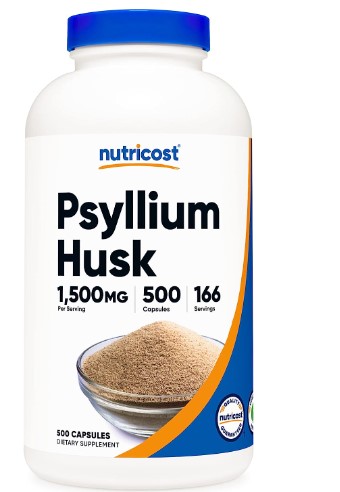
10. Nutricost Psyllium Husk Capsules

Key Features:

  • Active Ingredient: Psyllium husk powder
  • Soluble fiber content: 1.5g per capsule
  • Convenient capsule form
  • Promotes digestive regularity and overall health
  • Easy to incorporate into your daily routine

Nutricost Psyllium Husk Capsules offer the convenience of a capsule form, making it easy to incorporate into your daily routine. Each capsule contains 1.5 grams of soluble fiber, contributing to digestive regularity and overall health. For those who prefer a no-fuss approach to supplementation, these capsules are a practical choice.

Conclusion

In conclusion, fiber supplements can be an invaluable addition to a woman’s daily routine, helping to improve digestive health and overall well-being. When selecting the best fiber supplement for you, consider your specific needs, dietary preferences, and any underlying health conditions. Always consult with a healthcare professional before starting any new supplement regimen to ensure it’s the right choice for your individual health goals.

Remember, maintaining a balanced diet rich in whole foods and fiber-rich sources is essential for optimal health. Supplements should complement, not replace, a healthy diet and lifestyle. With the right fiber supplement and a commitment to wellness, you can take significant strides toward achieving and maintaining excellent digestive health in 2023 and beyond.

How Much Does a Leg Press Weigh

0

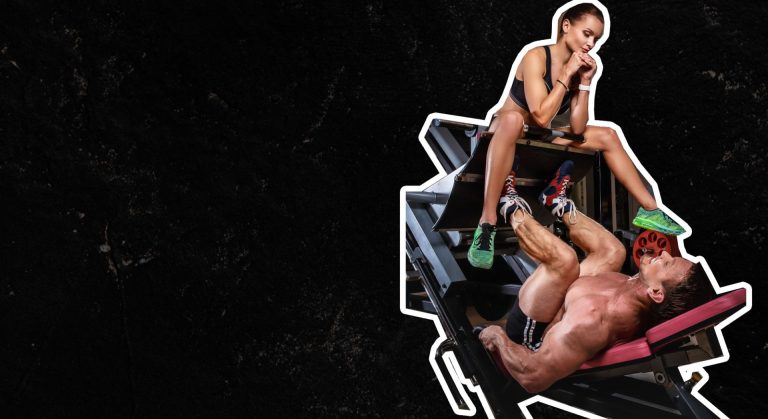
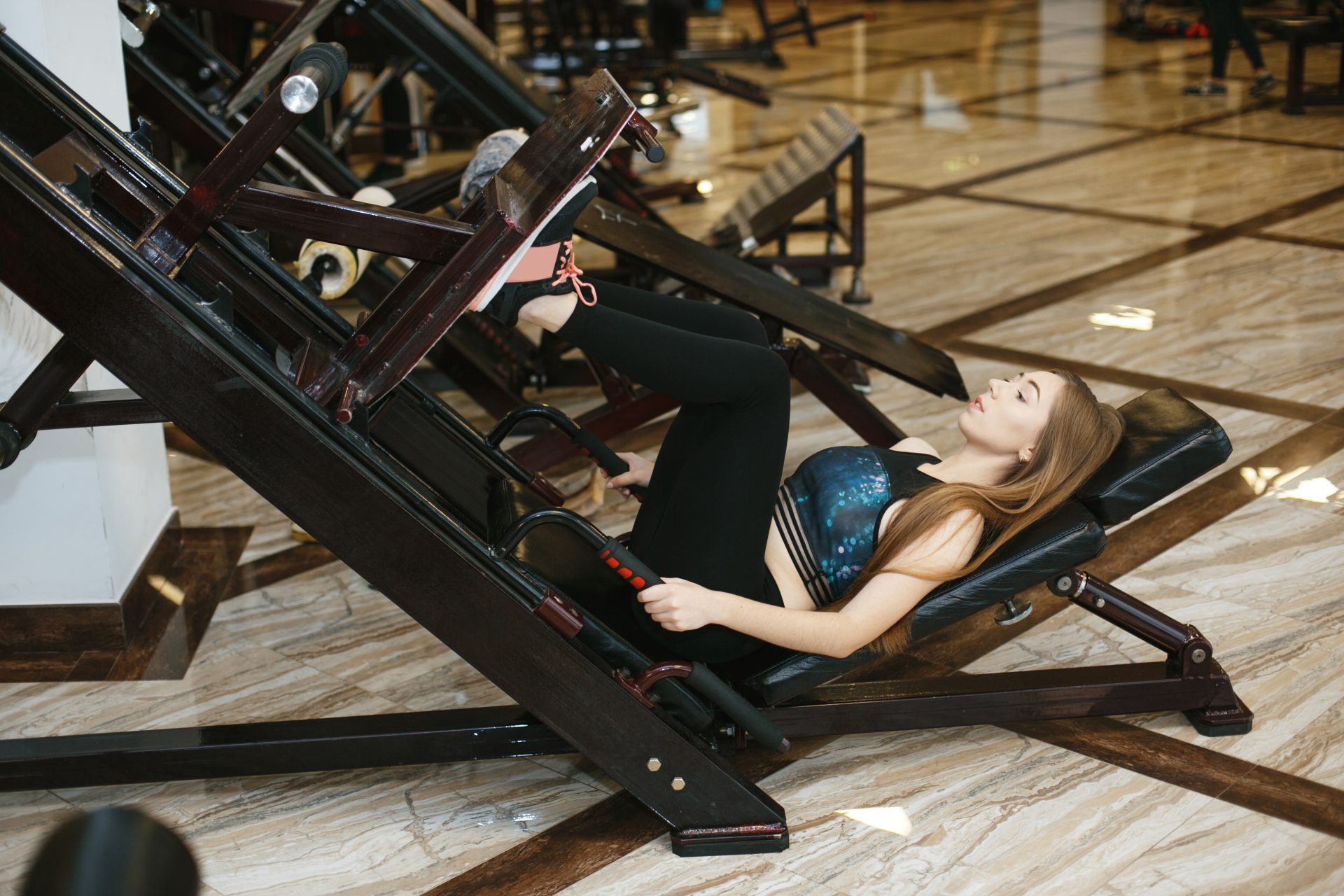
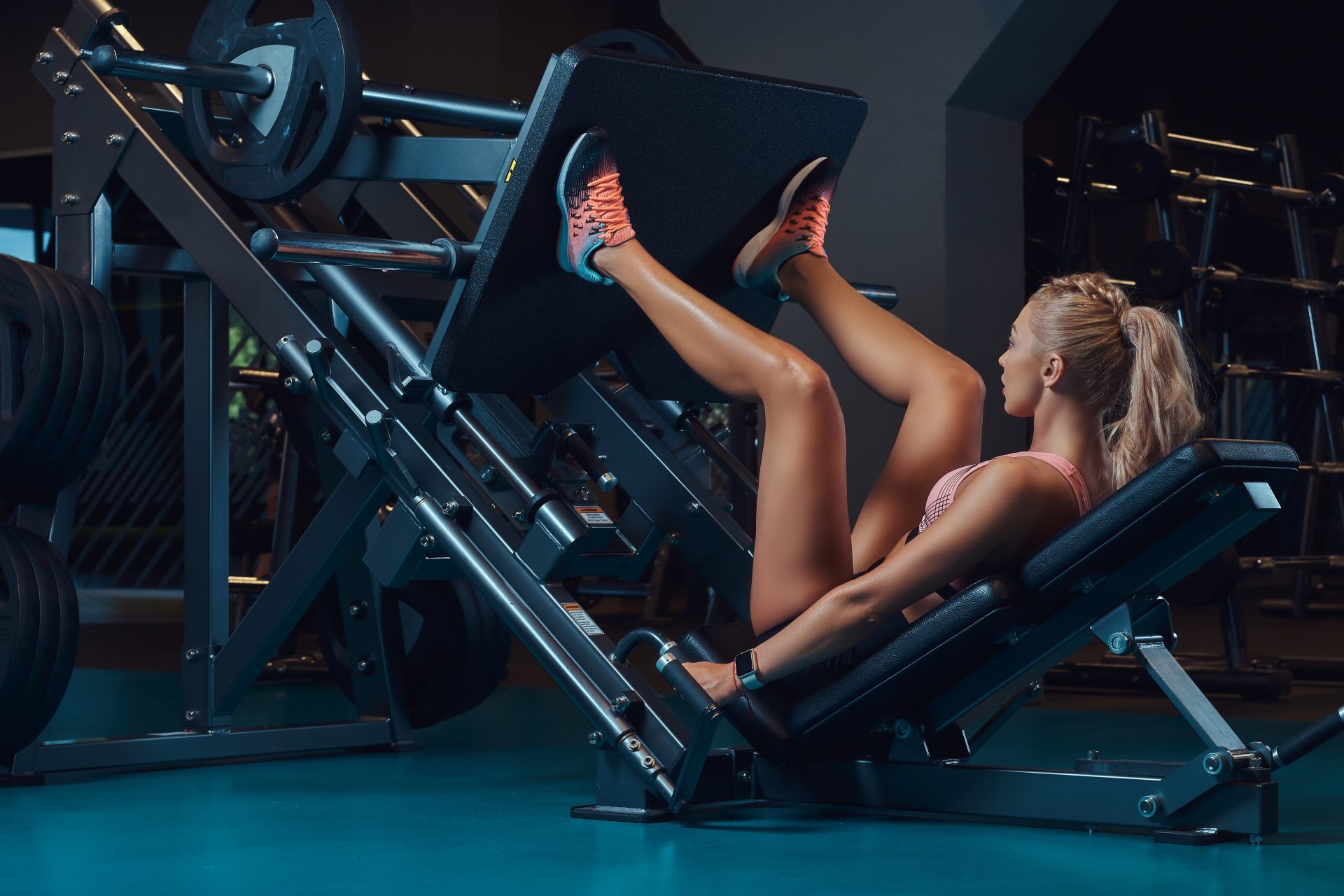
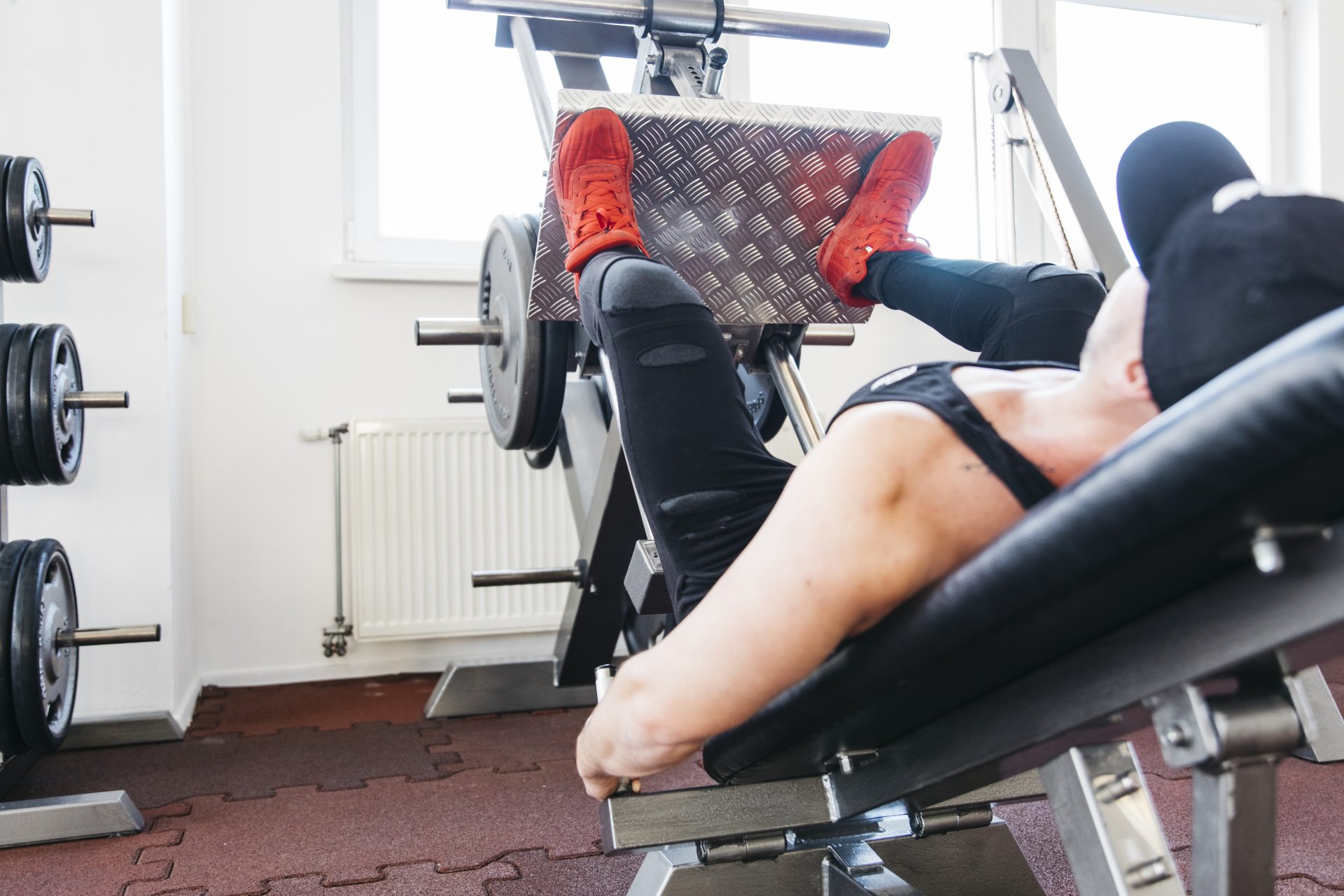
Ever spotted a leg press machine at the gym, looking like it’s loaded with too much weight? Or overheard folks chatting about how much they can press on one? Curious about the average weight for these machines? Let’s dive into the variety of leg press machines out there and discover their typical weights. Plus, find out how to measure a leg press machine’s weight precisely.

So, How Much Does a Leg Press Weigh?

Typically, the initial weight used for leg presses ranges between 100-170 lbs (45-77 kgs). However, the specific amount may vary depending on the type and brand of the machine used.

For example, Cybex and Hammer Strength offer angled, pivot, and machine-style leg presses.

A sled on a leg press typically weighs anywhere from 0-200 pounds. The amount of weight will depend on the construction and quality of the leg press, as well as the type of weights loaded onto the sled.

Further, most sleds will come with weight pegs that allow additional weights in excess of 400 pounds to be added as needed.

Knowing how much weight to use while performing exercises on a leg press is essential in order to reap maximum benefit from the workout while avoiding potential injuries.

It is important to only use a weight that is comfortable and manageable so you can maintain proper form and motion while avoiding straining your muscles.

Definition of Leg Press Machine

A leg press machine typically consists of a platform for your feet and legs, plus adjustable weights or plates.

It is designed to strengthen and build your muscles in your lower body, specifically targeting the quads, glutes, hamstrings, and calves.

It is important to understand the type and amount of weight before using a leg press machine to ensure safety while using this equipment.

Leg press machines are popular exercise equipment used to develop and strengthen the muscles of the legs and glutes.

The average weight of a plate-loaded leg press typically ranges from 75 to 400 pounds.

Leg press machines often have stacks of weights built in that contribute to their total weight.

On average, they weigh around 100 to 300 pounds. Leverage leg presses tend to have heavier frames and counterbalance over other types, making them weigh around 140 to 500 pounds (source).

Different variations may offer different levels of adjustments for how much weight is added, but the range typically stays the same.

These numbers are important for those using leg presses because it helps ensure that their form is accurate and avoids unnecessary injuries from lifting too much or too little weight.

Factors Affecting Weight of Leg Press Machines

The weight of a leg press machine depends on several factors such as the type (plate-loaded, selectorized, or leverage) and brand.

Different models also come with variable amounts of added weights that can be used in addition to those already built into the machine.

This can affect both how much total weight is available for use as well as how much additional weight can be added to each type of machine.

It is important to read up on both these factors before using any particular model or brand.

Additionally, knowing exactly how much weight you are pressing at any given time helps ensure safety during workouts since you can avoid attempting too heavy weights too soon.

Weight measurement is a fundamental part of weightlifting, whether it be for safety, tracking progress, or perfecting form and technique. With weight-bearing exercises such as the leg press machine sled, accuracy in weight measurements can mean the difference between injury and health.

Ineffective workouts due to inaccurate data and slight inconsistencies versus efficient and effective weight training.

Machines such as this support the implementation of consistent weight measurements that can be used to help athletes accurately track their progress while weightlifting safely.

Knowing what weight was used during each training session is essential to creating measurable goals that will encourage development without compromising safety concerns.

Types and Average Weights of Leg Press Machines

There are three common types of leg press machines available today – plate-loaded, selectorized, and leverage machines – each with their own average weights based on make/model/brand.

Plate-loaded machines usually range from 500-1000 lbs., selectorized machines range from 200-400 lbs., while leverage machines range from 600-650 lbs.. Of course there are outliers which go above or below these ranges but these numbers provide good reference points when considering buying one for your home gym or comparing them at commercial gyms near you. 

Methods To Accurately Measure The Weight Of A Leg Press Machine

Accurately measuring the weight of a leg press machine starts with checking markings from manufacturer for exact specifications for that particular make/model/brand – including maximum capacity if applicable – followed by weighing plates/scales if necessary (if not already provided).

Some models come with digital displays that show the exact amount being lifted at any given time but even those should be double checked manually against scales/plates if possible just in case there are discrepancies between readings due to calibration issues or other reasons.

For example, some commercial gyms may have had their machines calibrated incorrectly resulting in inaccurate readings displayed on screen which could lead to an unsafe environment if left unchecked by staff members regularly monitoring these readings against actual scales whenever possible! 

Summary Of Average Weights For Each Type Of Machine

When working out with any type of equipment safely it’s important to know its exact specifications including its accurate total weight capacity at all times.

This holds true especially for leg press machines which come in three main varieties:

  • plate-loaded (500-1000 lbs.)
  • selectorized (200-400 lbs.)
  • leverage (600-650 lbs.)

Each with their own distinct characteristics affecting total maximum load capacity per model/brand.

Additionally it’s important to check labels from manufacturers along with manual weigh ins via scales/plates when necessary just in case there are discrepancies between readings due calibration issues or other reasons resulting in an unsafe environment if left unchecked by staff members regularly monitoring these readings against actual scales whenever possible!

This ensures that everyone who uses this equipment does so safely without risking injury due incorrect measurements either way!

There Are Several Factors

When deciding which leg press machine to purchase, there are several factors you should take into consideration.

The type of leg press (plate-loaded, selectorized or leverage) will affect the overall weight of the machine sled.

Additionally, each leg press model and manufacturer have different size and dimensions that directly relate to the leg press weight.

Furthermore, it is important to pay attention to the maximum weight capacity each leg press can hold. Doing so ensures that your leg press meets all your strength and size needs.

how much does a leg press weigh

Checking the leg press weight is an important task that should be undertaken to ensure users are lifting the correct amount of weight during leg press exercises.

One method for achieving this is to refer to manufacturer markings in order to accurately gauge the weight of the leg press machine.

Additionally, users can invest in scales or weightlifting plates as a more accurate solution for measuring leg press bar weight. This will help them determine their progress and track any changes over time.

By taking these steps, individuals can be confident that they are exercising safely and effectively with the leg press machine.

Conclusion

Working out with gym machines safely can be tricky business. Luckily, this article highlights the average weights for each type of machine.

With the right measurements, you can make sure that your exercise routine is both safe and effective.

Not only will knowing the average weights give you an idea of which machines to use, but it will help you track your progress more accurately. It’s important to take precise readings in order to get the best possible workout and stay safe while doing so.

With a little knowledge of what each machine entails, as well as an understanding of proper weights and measurements, you can easily reap the benefits of strength training on gym machines.

Elevate Your Sex Life with CBD Oil: How to Use It for Erectile Dysfunction

0

If you’re looking for a natural way to improve your sex life, CBD oil may be the answer. A growing number of people are using this oil to treat erectile dysfunction and other sexual issues. CBD oil is a natural supplement that can help boost libido, increase pleasure, and make sex more enjoyable. In this article, we will discuss how CBD oil can help improve your sex life and provide some tips on how to use it.

Best CBD products

What Is CBD?

Cannabidiol (CBD) has been gaining more and more attention in recent years as an alternative treatment for various ailments. As research on the cannabinoid continues to expand, it’s becoming clear that CBD may also be a useful tool for improving sexual health.

In this blog post, we’ll explore the potential benefits of using CBD for sexual health, what types of products are available, how to use them safely and effectively, and any potential side effects you should be aware of.

Potential Benefits of Using CBD for Sexual Health

CBD is believed to have a variety of therapeutic properties that can help improve sexual health. It has been known to reduce stress and anxiety.

Two key factors that can lead to decreased libido or difficulty achieving orgasm and it has even been shown to increase arousal in some people.

Additionally, studies have found that cannabinoids like CBD can help manage symptoms related to pain during intercourse, such as endometriosis or vaginal atrophy.

Types of CBD Products

When selecting a CBD product for sexual health purposes, there are several things to consider.

First and foremost is quality.

Make sure the product you choose is from a reputable manufacturer with third-party lab testing results available so you know exactly what’s in the product you’re consuming.

Price is also important.

Higher-quality products tend to cost more but will provide better results over the long term.

Lastly, dosage matters

Start with a low dose and gradually increase until you find one that works best for your body.

How to Consume CBD for Sexual Health

CBD products come in many forms including oils/tinctures, capsules/tablets, edibles (such as gummies or chocolates), topicals (such as creams or balms), and even suppositories!

Oral administration is likely the most effective way to consume CBD as it allows the cannabinoid to enter your bloodstream quickly, while topical application can be used directly on areas where relief from discomfort is desired (such as during intercourse) (trusted source).

Potential Side Effects of Using CBD for Sexual Health

While generally safe when used according to label instructions, there are some potential side effects associated with taking high doses of CBD oil, particularly if taken orally via tincture or capsule form, including fatigue and nausea.

Additionally, there have been reports of rare side effects such as liver toxicity which could occur if you take too much or if you purchase a low-quality product with hidden ingredients or contaminants.

As always, talk to your doctor before beginning any new supplement regimen!

How to Use CBD Oil For Sex

CBD oil can be a revelation when it comes to how you experience sex – it can help reduce stress and boost arousal, leading you to enjoy sex much more!

But how do you use CBD oil for sex?

When using CBD oil for sexual enhancement, it’s important to start with a very small dose – typically no more than two or three drops. Place the drops under your tongue (sublingually) to let the molecules absorb directly into your bloodstream.

As with any supplement, results of taking CBD won’t happen immediately it may take up to an hour before effects such as relaxation kick in.

Once you find the proper dosage and timing, enjoy the improved physical and mental experience that comes from enhanced sexual pleasure.

With CBD oil for sex, delight awaits.

Real Help In Sexual Life?

With the rise in popularity of CBD products, more and more people are now turning to CBD gummies as a way to improve sexual health.

CBD has been found to have numerous potential benefits, including improving blood flow and reducing stress and anxiety.

Research suggests that CBD helps the body reach a heightened level of relaxation which can help individuals enjoy sexual experiences without being hindered by fear or anxiety.

Additionally, regular use of cbd gummies may be able to reduce performance anxiety or the feeling of stress associated with sexual encounters.

As an all-natural supplement with minimal side-effects, cbd gummies are becoming an increasingly popular way for people to enhance their sex life and lead a healthier overall lifestyle.

how to use cbd oil for erectile dysfunction

Have You Heard About Libido Gummies?

An often overlooked culprit for decreased libido is stress and anxiety.

For those who want to regain their sex drive without the use of libido gummies, CBD offers a potential solution. By interacting with the body’s endocannabinoid system, CBD has been found to effectively reduce both physical and mental symptoms related to anxiety and stress.

It can even alleviate chronic pain, another libido-killer.

By taking daily doses of CBD oil, users can potentially optimize their libido naturally and without fear of any adverse side effects.


The Best Ways To Consume CBD For Sexual Health

Although research into the efficacy of CBD for sexual health is still in its early stages, many individuals have expressed interest in using it to improve their quality of life.

The best ways to consume CBD for sexual health are either orally or through topical application.

When taken orally, CBD oil can be added to food or beverages and ingested that way, while topical applications include lotions and salves that can be applied directly onto the skin.

Many people prefer topicals because they provide a more localized effect than ingesting it orally. For those looking for sexual enhancement, either method should be safe and relatively easy to find in most places now days.

Any Potential Side Effects Of Using CBD?

CBD is gaining popularity as a natural remedy for sexual health issues, but it is important to remember that potential side effects can be experienced.

Common side effects of using CBD for sexual health include dry mouth, drowsiness, and lightheadedness.

While not likely, more serious negative side effects may occur such as liver damage or interaction with other medications.

It is best to look for best cbd gummies for sex that are formulated specifically for this purpose and to speak with a physician before attempting to use CBD for any medical purposes.

Doing so should help reduce the chance of experiencing any unpleasant side effects from incorporating CBD into your sexual health routine.

Summary

In summary, using CBD products may offer some potential benefits when used correctly and safely for sexual health purposes.

However, it’s important to remember that everyone responds differently and what works well for one person may not work well at all for another person.

If you decide that trying out some form of cannabis therapy might be right for you, make sure you do your research first so you know exactly what type of product would work best given your individual needs and preferences!


Lexx Little Workout Routine

0

Lexx Little, an American fitness trainer and social media influencer, have a huge fan base. How he transformed his body physique in the last few years is insane. His body transformation takes his followers to an extreme height. Thousands of people started to follow him after getting inspired by his workout routine and its results.

Moreover, he is one of the youngest fitness influencers online. Despite being the youngest, he knows well about the gym routine or diet plan he has to follow to get to the body form he wants.

We have thoroughly researched his workout regime and diet plans through his Instagram posts and interviews. There is no such exact workout plan he follows. Instead, this is the compilation of his routine gathered through different sources and experts from the industry.

Let’s get into it!

Lexx Little Current Body Stats:

Before getting into his workout routine and diet plan, let’s know about his body stats that he achieved through his self-knowledge about exercises and training.

  • Lexx Little Height: 5’11’’ or 180 cm
  • Weight: 185 pounds
  • Age: 21 years old
  • Birth Date: May 2, 2001

His workout plan and diet inspire his whole fan base of millions of people. People want to follow him to get the exact muscular figure because he was well-proportioned with a balanced diet and appropriate workout regime.

Lexx Little Workout Principle:

Lexx Little’s Instagram is where he loves to share the depth of every workout plan he likes to follow. He shares his transformation results through different workouts. He also shares his opinions about other nutrient brands, supplements, and business ventures.

His YouTube channel is a deep insight into his life and daily routine. There is shows his audience his workouts, adventure, and lifestyle content.

Moreover, he aims to motivate his followers to exercise and have a healthy life. Thus, he shares his workouts, powerlifting, and more through his YouTube videos.

There are numerous rumors about Lexx Little using steroids to get muscular stature. He denies using any supplements to enhance his muscle. In addition, he insists that his workout programs, genetics, and diet are the sole factors in this chiseling body figure.

Lexx Little Workout Routine:

Lexx Little spends most of his time in the gym lifting heavy weights and following his challenging workout regime. As a social media fitness influencer, he films almost everything during his workout time for his followers.

Moreover, besides this, he records a lot of help-out content like lifting techniques, exercises to target a particular muscle group, and the progress of any specific exercise.

Here is an insight into Lexx Little workout routine:

Monday- Leg Day:

To maintain his muscular physique, Little work out many times a week, focusing on his leg muscles. He uses compound movements and isolation to tame his glutes, hamstrings, and quads.

  1. Warm up with battle rope for 5 minutes.
  2. Quadrupled hip extension, a warm-up movement.
  3. Deadlift (3 sets, 9 reps)
  4. Back squat (3 sets, 9 reps)
  5. Leg press (3 sets, 12 reps)
  6. Leg extension (3 sets, 9 reps)
  7. Leg curl (3 sets, 9 reps)
  8. Sumo squat (3 sets, 8 reps)

Tuesday- Chest Day:

Lex Little’s fibrous chest is the result of his workout routine. Little’s gym time focuses on getting his chest in perfect shape.

His main goal is to attain the strength for bench presses.

  • Bench press (3 sets, 8 reps)
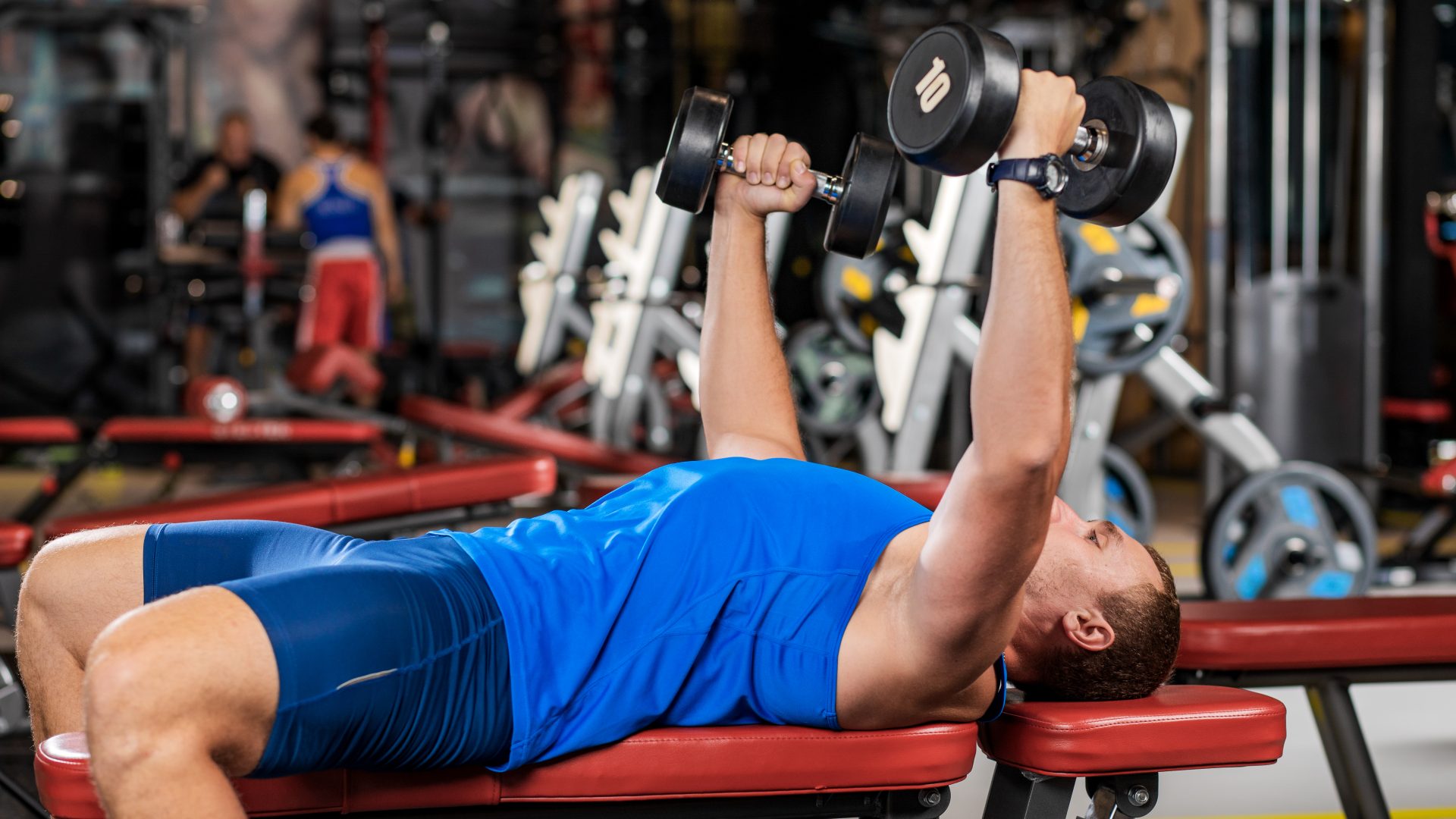
  • Dumbbell chest press (3 sets, 10 reps)
  • Chest dip (3 sets, 10 reps)
  • Cable pulldown (3 sets, 12 reps)
  • Cable crossover (3 sets, 8 reps)
  • Single-arm dumbbell bench press (3 sets, 10 reps)
  • Pushups (3 sets, reps till failure)

Wednesday- Back Workout:

Following are the exercises that have helped Lexx Little to get the well-toned back with the sinewy physique.

Check his back workout with Gabe Deutsch.

You can include them in your workout plan to look like him.

  • Lat Pulldown (3 sets, 8 reps)
  • Biceps curl (3 sets, 12 reps)
  • Bent-over row (3 sets, 10 reps)
  • Squats (3 sets, 8 reps)
  • Wide-grip pull-up (3 sets, 8 reps)
  • Seated cable row (3 sets, 8 reps)
  • Hyperextension (3 sets, 8 reps)
  • Reverse fly (3 sets, 10 reps)
  • Cable rope pullover (3 sets, 10 reps)

Thursday- Abs Workout Day:

For proper posture, maintaining balance, and minimizing muscular imbalances, abdominal lifts are the fundamental thing you need to focus on.

Here are the exercises that Lexx Little follows every Thursday.

  • Weighted plank (3 sets, 8 reps)
  • Hanging leg raise (3 sets, 12 reps)
  • Weighted side plank (3 sets, 8 reps)
  • Glute bridge (3 sets, 8 reps)
  • Standing cable crunch (3 sets, 8 reps)
  • Medicine ball slam (3 sets, 12 reps)
  • Ab rollout (3 sets, 8 reps)
  • Dead bug (3 sets, 12 reps)

Friday- Triceps and Bicep Day:

To improve stability while doing squats and bench presses, Lexx Little spends his Fridays working on biceps and triceps strength.

Here is the workout routine for Fridays:

  • Hammer curls (4 sets, 8 reps)
  • Barbell curl (4 sets, 8 reps)
  • Concentration curl (4 sets, 8 reps)
  • Overhead triceps extension (4 sets, 12 reps)
  • Kickback (4 sets, 8 reps)
  • Supine cable curl (4 sets, 8 reps)
  • Reverse grip-row (4 sets, 8 reps)
  • Bench dip (4 sets, 8 reps)
  • Skull crusher (4 sets, 12 reps)

Saturday- Shoulders:

Here are the few workouts Lexx do on Saturdays:

  • Lateral dumbbell raise (3 sets, 8 reps)
  • Reverse dumbbell fly (3 sets, 8 reps)
  • Wide drip bench press (4 sets, 6 reps)
  • Seated row (4 sets, 6 reps)
  • Seated overhead press (4 sets, 8 reps)
  • Dumbbell shrug (3 sets, 8 reps)

Sunday- Rest Day:

After a lot of strenuous workouts throughout the week, Sunday is the rest day for Lexx Little.

Lexx Little Diet:

Lexx Little diet roams around maintaining overall weight and muscular figure. His diet includes carbs, protein, fats, fruits, and vegetables.

To avoid dehydration, he intakes a lot of water. It also helps him to retain energy, movement, agility, and recovery for athletes.

Breakfast: 

Lunch: 

  • Grilled chicken
  • Baked potatoes
  • Almonds

Dinner: 

  • Brown rice
  • Steamed veggies
  • Grilled fish

Final Thoughts:

At an early age, Lexx Little established a good name in the world of social fitness influencers.

He has gained massive gains and inspired a vast audience through his work. He found motivation from the people around him and his friends to portray his effort in front of the world.

Floor Press VS Bench Press (Main Differences) 

0

When it comes to strength training, the bench press is undoubtedly one of the most popular exercises out there. But have you ever heard of the floor press? While these two exercises may look similar, they have distinct differences that can impact your training regimen.

The bench press has been a staple in gyms across the world for decades. However, as more people are focusing on functional fitness and strength training, the floor press has gained popularity. But what are the differences between these two exercises? And which one is better for your individual needs?  

Both the floor press and bench press can effectively activate the chest, triceps, and shoulders. However, the main differences lie in the range of motion, stability, and muscle activation. If you’re looking to switch up your training routine or wondering which exercise is best for you, keep reading to discover the main differences between the floor press and bench press.

Floor Press VS Bench Press 

A. Starting Position

Bench Press Starting Position

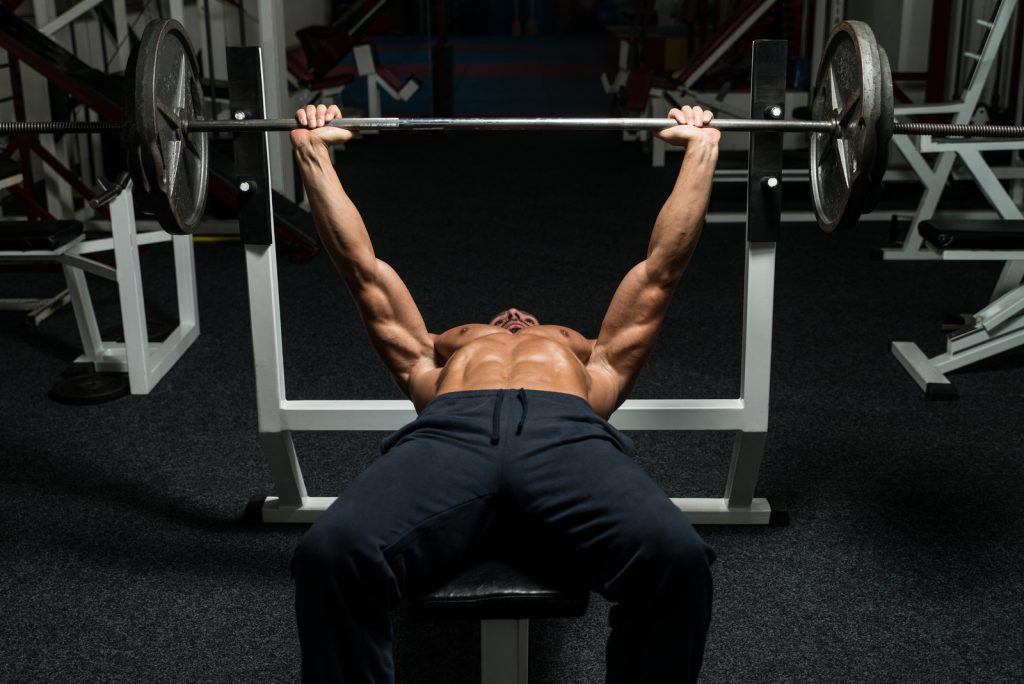
The bench press is performed lying on a flat or incline bench with the feet planted firmly on the ground. The lifter lies on their back with their head, shoulders, and buttocks in contact with the bench. The feet are firmly planted on the floor, and the lifter grasps the bar with a shoulder-width or wider grip, with the palms facing away from the body. The bar is lowered to the chest, just above the nipples, and then pushed back up to the starting position.

Floor Press Starting Position

The floor press is performed lying on the floor, with the lifter’s upper back, head, and arms in contact with the ground. The lifter bends their knees and places their feet flat on the floor, with the hips and buttocks raised slightly off the ground. The lifter grasps the bar with a shoulder-width or wider grip, with the palms facing away from the body. The bar is then lifted off the floor and lowered to the chest, just above the ground, before being pushed back up to the starting position.

B. Range Of Motion

Bench Press Range Of Motion

The bench press has a greater range of motion than the floor press, as the bar is lowered to the chest and then lifted back up to the starting position. This full range of motion allows for greater activation of the chest, shoulders, and triceps muscles.

Floor Press Range Of Motion

The floor press has a shorter range of motion than the bench press, as the bar is lowered to just above the ground and then lifted back up to the starting position. This limited range of motion reduces the stress on the shoulder joint and places more emphasis on the triceps muscles.

C. Muscle Activation

Floor Press vs Bench Press (Main Differences)

Bench Press Muscle Activation

The bench press primarily activates the chest, shoulders, and triceps muscles, with the chest muscles being the primary mover. The bench press also activates the back muscles and core muscles to stabilize the body during the lift.

Floor Press Muscle Activation

The floor press primarily activates the triceps muscles, with the chest and shoulders also being activated to a lesser extent. The limited range of motion of the floor press places more emphasis on the triceps muscles than the chest muscles.

D. Joint Stress

Bench press Joint Stress

The bench press places greater stress on the shoulder joint than the floor press, due to the greater range of motion and the angle of the lift. The bench press also places stress on the elbow joint, which can lead to injuries if not performed correctly.

Floor Press Joint Stress

The floor press places less stress on the shoulder joint than the bench press, due to the limited range of motion and the angle of the lift. The floor press also places less stress on the elbow joint than the bench press, making it a safer exercise for those with elbow injuries or pain.

E. Equipment Needed

Floor Press vs Bench Press (Main Differences)

Bench Press Equipment

The bench press requires a weight bench or power rack, a barbell, and weight plates. The lifter may also use a spotter for safety during heavy lifts. The standard barbell is about 7 feet long and weighs 45 pounds. The weight of the plates varies, but they usually range from 2.5 to 45 pounds. It is essential to use the correct amount of weight for your fitness level to avoid injury.

Floor Press Equipment

The floor press requires a barbell, weight plates, and a flat surface, such as a gym mat or weightlifting platform. The lifter does not require a weight bench or power rack, making it a more accessible exercise for those without access to a full gym setup.

Comparison

  1. Comparison chart highlighting the main differences between the two exercises:
Bench Press Floor Press
Starting position Lying on a bench Lying on the floor
Range of motion Greater range of motion The shorter range of motion
Muscle activation Chest, shoulders, triceps Triceps, chest, shoulders
Joint stress Greater stress on shoulder and elbow joints Less stress on shoulder and elbow joints
Equipment needed Weight bench, power rack, barbell, weight plates Barbell, weight plates, flat surface

Analysis Of The Comparison Chart

The bench press and floor press differ in their starting position, range of motion, muscle activation, joint stress, and equipment needed. The bench press offers a greater range of motion and greater activation of the chest muscles, but it also places greater stress on the shoulder and elbow joints.

Floor Press vs Bench Press (Main Differences)

The floor press offers a shorter range of motion and greater activation of the triceps muscles, but it also places less stress on the shoulder and elbow joints. The bench press requires a weight bench or power rack, while the floor press can be performed on a flat surface with minimal equipment needed.

Conclusion

Both exercises have their unique benefits and drawbacks, and choosing between the two will depend on individual goals, physical limitations, and equipment availability. It’s important to always perform these exercises with proper form and technique to minimize the risk of injury and maximize the effectiveness of the exercise.

Asian Squat: Master the Technique for Flexibility & Strength

0

Are you looking to improve your flexibility and strength uniquely and effectively? Look no further than the Asian Squat technique! This blog post will explore the benefits of mastering this technique and how it can enhance your fitness routine.

Whether you’re an athlete, fitness enthusiast, or simply looking to add a new exercise to your repertoire, the Asian Squat provides a great opportunity to challenge your muscles and improve your overall athletic performance.

So, let’s dive into the science behind this technique and discover why it should become a staple in your fitness routine. But first, let’s address the burning question: what exactly is the Asian Squat?

The Basics of the Asian Squat

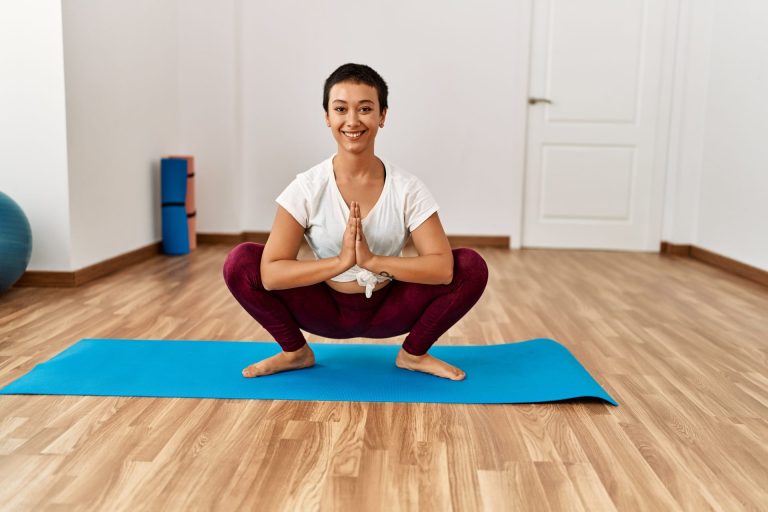
The Asian squat is a unique and distinct exercise position that involves a deep squat position with the heels firmly planted on the ground and the thighs close to the calves. This technique requires significant flexibility and strength in the lower body, making it an excellent exercise for improving overall mobility and developing powerful leg muscles.

It has its roots in the historical and cultural practices of many Asian countries. In Asian cultures, squatting is a common sitting position used for various activities, such as eating, socializing, and even using the bathroom. This natural sitting posture has been ingrained in the daily lives of countless individuals in Asia for centuries.

Asian Squat

Benefits of the Asian Squat Technique

Enhanced Lower Body Flexibility: 

Regular practice of the Asian squat targets the hip, ankle, and groin mobility, leading to improved flexibility in the lower body. This increased range of motion allows for better performance in various physical activities and reduces the risk of injuries.

Strengthening Effects on Various Muscles: 

The Asian squat engages multiple muscle groups, including the quadriceps, hamstrings, glutes, and core muscles. Regularly performing this squatting technique strengthens these muscles, leading to improved stability, power, and overall lower body strength.

Improved Posture and Balance: 

The deep squat position in the Asian squat technique promotes better posture and balance. By maintaining this position regularly, the body’s alignment is optimized, reducing the strain on the spine and helping to correct postural imbalances. This, in turn, can alleviate lower back pain and enhance overall stability and balance.

Alleviation of Lower Back Pain: 

The Asian squat can be particularly beneficial for individuals suffering from lower back pain. This squatting technique helps alleviate discomfort and strengthens the muscles that support the lower back by engaging the core muscles and promoting proper spinal alignment.

How to Do Asian Squats: A Step-by-Step Guide 

Warm-Up

Before diving into the Asian squat, preparing your muscles and joints for the movement is crucial. Here are some dynamic warm-up exercises to consider:

  • Hip circles
  • Leg swings
  • Ankle rotations
  • Deep squats
  • Walking lunges

Foot Placement

To maintain stability and balance during the Asian squat, adopting the correct foot positioning is essential. Follow these steps for optimal foot placement:

  • Stand with your feet shoulder-width apart.
  • Turn your toes slightly outward, maintaining a comfortable angle.
  • Keep your weight distributed evenly across the entire foot, including the heels and balls of the feet.

Depth and Form

Achieving a deeper squat while maintaining proper form is crucial for maximizing the benefits of the Asian squat. Follow these guidelines to deepen your squat gradually:

  • Start in an upright position with good posture.
  • Initiate the squat by pushing your hips back and bending your knees.
  • Keep your back straight and chest lifted.
  • Gradually lower yourself into a deeper squat, only as far as you can maintain proper form.
  • Focus on maintaining a neutral spine throughout the movement.

Hand Placement

Proper hand placement is key for balance and stability during the Asian squat. Follow these steps:

  • Extend your arms straight out in front of you.
  • Keep your hands at about chest level.
  • Experiment with different hand positions to find what feels most comfortable and balanced.

Breathing Technique

Proper breathing during the Asian squat can aid relaxation, flexibility, and stability. Follow these breathing techniques:

  • Inhale deeply through your nose as you lower into the squat.
  • Exhale fully through your mouth as you rise back up.
  • Focus on maintaining a steady, controlled breathing pattern throughout the movement.

Progression Tips

As you become more comfortable with the Asian squat, you can gradually increase the time spent in the position and deepen your squat. Here are some progression tips:

  • Start with shorter durations and gradually add more time.
  • Incorporate stretches and mobility exercises to improve flexibility.
  • Use support (such as a pole or wall) to aid balance as you work on deeper squats

Incorporating the Asian Squat into Your Routine

Here are some ways to incorporate the Asian squat into your daily routine:

Infusing the Asian Squat into Daily Activities:

  • During breaks: Instead of sitting in a chair during your breaks, try incorporating the Asian squat. It helps to improve mobility and flexibility in your hips, knees, and ankles. Plus, it can engage your core muscles and gently stretch your lower back.
  • While watching TV: Make your TV time more active by performing the Asian squat. You can alternate between sitting in a traditional position and squatting, keeping your body engaged and active. This can help counteract the negative effects of prolonged sitting and improve blood circulation.
  • Waiting for public transportation: Instead of simply standing while waiting for a bus or train, use that time to perform the Asian squat. This helps pass the time, strengthens your leg muscles, improves balance, and increases joint mobility.

Asian Squat

Integrating the Asian Squat into Exercise Routines:

Integrating the Asian squat into your exercise routine can provide a dynamic warm-up or cool-down activity. Consider the following examples:

  • Dynamic warm-up: Start your workout by performing a set of Asian squats. This exercise activates the muscles in your lower body, preparing them for more intense movements. Incorporate variations such as holding onto a sturdy object for balance or performing pulses at the bottom of the squat to increase the challenge.
  • Cool-down: As part of your cool-down routine, include a set of Asian squats to stretch and relax your muscles. This exercise helps to release tension in your hips, thighs, and lower back, promoting recovery and preventing muscle soreness

.

Adaptability for All Ages and Fitness Levels:

One of the great advantages of the Asian squat is its adaptability for people of all fitness levels and ages. Whether a beginner or an experienced athlete, you can modify the exercise to suit your needs and abilities. Here’s how:

  • Beginners: If you’re new to the Asian squat, start by using a support, such as a wall or a sturdy object, to help you maintain balance. Gradually increase the depth of your squat as your flexibility and strength improve.
  • Intermediate: Once you feel comfortable with the basic Asian squat, challenge yourself by incorporating pulses or pauses at the bottom of the squat. This can further engage your muscles and enhance the benefits of the exercise.
  • Advanced: For those with advanced fitness levels, you can add resistance by holding a weight or a kettlebell while performing the Asian squat. This increases the demand on your muscles and helps to build strength and stability further.

Overcoming Challenges and Precautions

Limited flexibility or mobility:

  • Individuals with limited flexibility or mobility may find it challenging to achieve the desired depth in the Asian squat. This can be due to tight hip flexors, ankle mobility issues, or muscle imbalances.
  • To address this challenge, individuals can gradually improve their flexibility and mobility through targeted stretching exercises for the hip flexors, ankles, and leg muscles. Regular stretching routines increase the range of motion over time.
  • Being patient and consistent with these exercises is important, as flexibility improvements may take time. Starting with gentle stretches and gradually increasing intensity will help individuals avoid strain or injury.

Modifications and Variations:

  • Half-depth squat: For those struggling with the full-depth squat, a version known as the half-depth squat can be performed. Instead of squatting as low as possible, individuals can aim to lower themselves to a comfortable depth where they can maintain proper form.
  • Elevated heels: Placing a small platform, like a weight plate or heel lift, under the heels can alleviate ankle mobility limitations and allow individuals to achieve a deeper squat position.
  • Using support: Holding onto a stable object, such as a pole or a wall, can provide additional support and balance for individuals struggling to maintain stability or proper form during the Asian squat.
  • Assisted squats: Individuals can use resistance bands, TRX straps, or a partner’s assistance to facilitate the squatting motion and gradually increase their range over time.

Listening to Your Body and Gradual Progress:

  • It is crucial to listen to your body and respect its limitations. Pushing too hard or forcing a deeper squat than what feels comfortable can lead to injuries or setbacks.
  • Focus on gradual progress by gradually increasing the depth and duration of your squats over time. Set realistic goals and celebrate small victories along the way.
  • Regularly assess your form and make adjustments as needed. Proper form ensures that the intended muscles are targeted and reduces the risk of injuries.

FAQs

Why Can’t Everyone Do The Asian Squat?

Not everyone can do the Asian squat because it requires a certain level of flexibility and strength in the hips, ankles, and knees, which many people lack. Additionally, cultural factors and lifestyle choices may limit a person’s ability to perform the Asian squat comfortably.

How Long Should I Hold The Asian Squat Position?

Initially, aim to hold the squat for 20-30 seconds. As you become more accustomed to the posture, gradually increase the duration. Remember to listen to your body and avoid overexerting yourself.

Can I Add Weights To Asian Squats For A Greater Challenge?

Yes, you can. Holding a kettlebell or dumbbell at chest level while performing Asian squats adds resistance and makes the exercise more challenging. This can be particularly beneficial for advanced fitness enthusiasts.

asian squat

Conclusion

 The Asian squat is a great exercise for building strength, flexibility, and balance. With regular practice and gradual progression, individuals of all fitness levels can benefit from this exercise. It is important to listen to your body and respect its limitations while gradually increasing the intensity of the exercise over time.

Kobe Bryant 81 Point Game + (Video)

0

Do you remember the iconic moment when Kobe Bryant scored 81 points in a single basketball game? It was a historic feat that still astonishes fans today.

Kobe Bryant was one of the greatest basketball players of all time. Known for his incredible skill and competitive spirit, he achieved numerous accolades throughout his career. However, his 81-point game against the Toronto Raptors on January 22, 2006, stands out as one of his most memorable achievements.

In a game that will forever be etched in basketball history, Kobe Bryant showcased his unparalleled talent and determination by scoring 81 points. This article will delve into the details of that remarkable performance, explore the significance of Kobe’s 81-point game, and examine whether it is as important as Wilt’s 100-point game.

All About Kobe Bryant

Kobe Bryant was an American professional basketball player who was widely regarded as one of the greatest basketball players of all time. He was born on August 23, 1978, in Philadelphia, Pennsylvania, and tragically passed away on January 26, 2020, in a helicopter crash in Calabasas, California.

Throughout his career, Kobe Bryant played for the Los Angeles Lakers in the National Basketball Association (NBA). He was drafted by the Charlotte Hornets with the 13th overall pick in the 1996 NBA Draft but was soon traded to the Lakers, where he played his entire 20-year career.

Kobe was known for his extraordinary work ethic, competitiveness, and skill on the basketball court. He earned numerous accolades, including being an 18-time NBA All-Star, a five-time NBA champion, and a two-time Olympic gold medalist with the USA Basketball team.

Throughout his career, he achieved many remarkable feats, including scoring 81 points in a single game, the second-highest total in NBA history, and retiring as the fourth-highest scorer in NBA history.

kobe bryant 81 point game

This Day In Lakers History: Kobe Bryant 81 Point Game Date

One of the most remarkable moments in NBA history occurred on January 22, 2006, when Los Angeles Lakers legend Kobe Bryant scored a staggering 81 points in a game against the Toronto Raptors. This performance remains the second-highest-scoring game in NBA history, only behind Wilt Chamberlain’s legendary 100-point game. 

Kobe Bryant’s 81-point game against the Raptors stands as the second-highest individual point total in NBA history, only surpassed by Wilt Chamberlain’s legendary 100-point game in 1962. While Chamberlain’s feat remains unparalleled, it is worth noting that the historic performance was not televised, adding an air of mystique to its status.

Since then, Bryant’s 81-point game has surpassed the 70-point mark achieved six times, with only one other player reaching such heights since 1963. Before Bryant’s eruption, David Robinson held the highest point total with 71 points in 1994.

Hence, Bryant’s scoring outburst was truly exceptional. Let’s take a closer look at this historic night and appreciate Bryant’s incredible display of skill and talent.

How Many Shots Total Did Kobe Bryant Take In The 81 Point Game

Bryant’s record-breaking night came during a crucial game for the Lakers. They were trailing by 14 points at halftime and found themselves down by 18 early in the third quarter. That’s when Bryant decided to take matters into his own hands.

In an unforgettable display of determination and scoring prowess, Bryant scored a mind-boggling 55 points in the second half alone, including 23 points in the final nine minutes of the game. Every point he scored was necessary for the Lakers to secure a 122-104 victory.

What made Bryant’s performance even more impressive was his efficiency. Despite taking an astounding number of shots, he shot 60.9 percent from the field, 53.8 percent from beyond the arc, and an astonishing 90.0 percent from the free-throw line. This showcased Bryant’s ability to score at an incredibly high level while maintaining exceptional accuracy.

The Impact On Teammates And Fans:

Following the game, Bryant’s teammates and staff requested autographs of the box score, a tangible reminder of witnessing greatness. The fans were encouraged to preserve their ticket stubs as a memento of the historic occasion.

Fans at the Staples Center chanted “M-V-P!” to honor Bryant’s exceptional performance. It was a collective acknowledgment by the spectators that they had witnessed something truly special on that memorable night.

Coaches And Players In Awe:

Lakers coach Phil Jackson, a highly successful and experienced coach, described Bryant’s performance as “something to behold” and unlike anything he had seen before.

Bryant’s incredible scoring output was enough to single-handedly secure the victory for the Lakers, accounting for all but 18 of the team’s points in the second half. The Raptors were left mystified and helpless, with no answers to Bryant’s relentless scoring barrage.

The Impact Beyond The Court:

It is intriguing to note that forward Chris Bosh, who is now affiliated with the Raptors, was a player for Toronto at the time. Bosh admitted that they were simply watching Bryant shoot during his 81-point game, a testament to his dominance and the awe he inspired in opponents.

Additionally, Bryant’s own grandmother was present to witness this historic performance, making the moment even more special for him 

Comparing Wilt’s 100-Point Game With Bryant’s 81- Point Game

While Bryant fell short of Chamberlain’s all-time scoring record by 19 points, many consider his 81-point game to be the most remarkable scoring performance ever witnessed. Bryant’s shooting percentage of 60% was even better than Chamberlain’s 57% in 1962.

This is particularly impressive considering that a significant portion of Bryant’s points came from perimeter shots, whereas Chamberlain relied heavily on scoring near the rim. Additionally, Chamberlain benefited from his size and athleticism, while Bryant demonstrated offensive diversity throughout his 81-point game.

Former Lakers coach Phil Jackson, who had the opportunity to witness both performances, labeled Bryant’s game as the greatest performance he had ever seen. Lakers legend Kareem Abdul-Jabbar also expressed his belief that Bryant’s game was more impressive than Chamberlain’s due to the offensive versatility displayed by the former.

kobe bryant 81 point game

Conclusion

Kobe Bryant’s 81-point game is arguably the greatest scoring performance in NBA history. His remarkable accuracy and offensive diversity, combined with his capacity to take over the game and secure a win for his team, make it an unforgettable feat. 

His performance served as a reminder that, in the right hands, basketball can be an incredibly captivating sport. As a result, many players have adopted aspects of Kobe’s style into their own games. Even after all these years, watching the highlights of this incredible performance still sends chills down the spine of basketball fans across the globe.

Bruce Lee Workout Routine – Transform Your Body

0

Bruce Lee, a legend in martial arts and pop culture, amazed everyone with his stunning physique, speed, and strength. Curious about how he sculpted such an incredible body? The secret sauce lay not just in his workout and nutrition but also in his mindset. Let’s dive into Bruce Lee’s fitness world, where muscles met philosophy. Imagine combining training with a powerful mind game. This exploration of his routine promises surprises, revealing tips and secrets often overlooked by many. Uncover how determination paired with action can transform a body. Keep reading to discover the magic behind his remarkable journey.

Ultimate Martial Artist

Bruce Lee was the ultimate martial artist. He had a magnetic personality, and incredible athleticism, and is revered around the world as a pop culture icon and a symbol of personal growth.

His groundbreaking fighting style combined various techniques that are still studied today, transforming the world of martial arts forever.

Beyond his impressive skills in combat, Lee also displayed great wisdom and philosophical insight both on and off camera. His influential writings and philosophy shape many aspects of modern Taoism and remain relevant to this day.

Even though Bruce Lee passed away more than four decades ago, he has become immortalized through his movies and legacy.

He inspired people to push their physical boundaries as well as reach for their higher ideals.

Iconic Figure

Bruce Lee is an iconic figure in the history of physical fitness. His transformation from a frail, unassuming man to a powerful martial arts master has inspired people for generations.

But there might be something more to learn from Lee’s story than just intense and relentless exercise.

This article encourages readers to take a page from Bruce Lee’s playbook and focus on what their body needs each day for lasting health and energy.

Whether it’s taking time for low-impact stretching or devoting yourself fully to some intensive cardio, adopting Lee’s mindset is key to staying motivated as you work towards your own fitness goals.

If Bruce Lee found success with this way of thinking, so can you!

The Man Behind the Legend: Bruce Lee’s Workout Routine

Bruce Lee was known for pushing himself to the limits in order to achieve optimal performance.

His training style emphasized variety and intensity of effort over repetitions or sets.

He incorporated:

  • weightlifting
  • calisthenics
  • stretching
  • sparring
  • solo practice in his workouts

He also believed that genetics play an important role in physical conditioning.

He understood that everyone’s body type is different and requires different types of exercises to achieve desired results. As a result, he tailored his training routine accordingly.

Nutrition for Optimal Performance: Bruce Lee’s Diet Plan

Bruce Lee adopted a balanced diet plan which included protein-rich sources like fish and chicken as well as carbohydrates from whole grains such as brown rice.

He also ate plenty of fresh fruits and vegetables to provide the antioxidants and vitamins necessary for peak performance.

On top of that, he supplemented with vitamins A, B complex, C & E as well as minerals such as calcium for bone health. Hydration was also essential for him.

He drank at least two liters of water per day to stay healthy during strenuous training sessions.

Transformation Efforts

When it comes to achieving results similar to those of Bruce Lee it is important to understand what worked best for him may not be ideal for everyone else due to differences in body types or goals.

However, there are certain elements that any aspiring athlete can learn from him such as consistency in the effort toward fitness goals while being flexible enough to make changes when needed or desired.

It is also paramount that one maintains a balanced diet with macronutrients and supplements specifically chosen based on their own fitness objectives.

It’s important to hydrate properly on a daily basis just like Bruce did when training hard towards achieving peak performance levels in martial arts or anything else they choose to pursue passionately in life!

Core Workout

He had an intense core workout routine that was modified frequently to meet his film career demands.

Each core workout he went through was incredibly varied and intense.

He worked his core with different exercises and switched up routines constantly so as not to get too comfortable with one particular set of exercises.

His core workout provided him with the strength and energy he needed for his active lifestyle, allowing him to take on different roles and characters with confidence.

Who Trained Bruce Lee?

Bruce Lee, who is widely renowned and revered to this day as a martial arts master and Hollywood icon, had an impressive physique resulting from both his genetics and the significant attention he devoted to training.

Despite his small stature, Bruce Lee was able to become incredibly muscular without sacrificing any of his trademark speed or agility.

His personal trainer of seven years, Jhoon Rhee, trained him extensively with calisthenics and exercises designed specifically for speed and power which Lee would use in combination with “clear-eyed mental focus,” as well as physiotherapy stretching exercises developed by his father who was a well-known doctor who specialized in physical health.

These techniques allowed Bruce Lee to become one of the most physically accomplished athletes of all time.

An inspiration who will never be forgotten.

Maintain a Healthy Lifestyle

Lee was committed to his fitness and overall health from an early age, punching bags regularly in his teens as part of his boxing training regimen.

His diet was tailored to support his fitness goals and mental focus, with a mix of lean proteins, complex carbohydrates, and healthy fats.

He ate plenty of fresh fruits and vegetables to provide himself with essential vitamins and minerals.

As he started going to the gym more often, Bruce increased his water intake and incorporated supplementing into his routine for added energy and endurance.

Through this consistent nutritious diet, he was able to maintain a healthy lifestyle that helped him reach all of his punching goals.

Final Thoughts

Bruce Lee was an inspiration through his many accomplishments on film sets but especially through his legendary work ethic toward transforming his own body.

He pushed himself beyond what most people thought was possible by combining intense physical exercise routines with a balanced diet that included supplementation alongside proper hydration habits.

We can still look up to admiring him today by taking away elements from his lifestyle that can help us reach our own personal fitness goals! Let us celebrate the life of this legendary martial artist!