
Home Blog Page 5

Dorian Yates Workout Routine

0

Have you ever wanted to build muscle mass quickly and efficiently? Have you ever heard of Dorian Yates and wondered about his famous workout routine? 

Dorian Yates is a six-time Mr. Olympia bodybuilding champion widely recognized as one of the greatest bodybuilders ever. He rose to fame in the early 1990s with his intense style of training, which focused on high weight, low reps, and short rest periods. His radical approach to getting shredded shocked the bodybuilding world, but it worked – he earned sixteen professional titles during his career.   

If you are looking for an effective way to gain muscle mass quickly and safely, then Dorian Yates’ workout routine might be just what you need. In this article, we will look at exactly how Dorian trained and why it was so effective for him.

Dorian’s Stats

Height: 5 ft 10.5 in

Weight: 305 pounds

Chest size: 55 in

Hip size: 42 in

Thigh Size: 30 in

Waist Size: 33 in

Calf Size: 21 in

Upper Arm Size: 21 in

Dorian Yates Workout Routine

Here’s a breakdown of each day’s exercises:

Day 1: Chest/Biceps

  • Flat Barbell Bench Press: 2 working set of 6-8 reps to failure
  • Incline Dumbbell Press: 1 set of 6-8 reps to failure
  • Pec Deck Flyes: 1 set of 6-8 reps to failure
  • Cable Crossovers: 1 set of 6-8 reps to failure
  • Barbell Curls: 1 working set of 6-8 reps to failure
  • Preacher Curls: 1 set of 6-8 reps to failure
  • Concentration Curls: 1 set of 6-8 reps to failure

“My favorite chest exercises are the low decline bench press, low incline bench press, and dumbbell flyes. So those are the best exercises for me.”

Day 2: Quads/Hamstrings/Calves

  • Leg Press: 2 working set of 6-8 reps to failure
  • Hack Squat: 1 set of 6-8 reps to failure
  • Leg Extensions: 1 set of 6-8 reps to failure
  • Stiff-Legged Deadlifts: 1 working set of 6-8 reps to failure
  • Lying Leg Curls: 1 set of 6-8 reps to failure
  • Standing Calf Raises: 1 set of 10-12 reps to failure
  • Seated Calf Raises: 1 set of 10-12 reps to failure

“For some people, flat bench press works very well, but it was putting a lot of strain on my front deltoids and pec tendons, and I didn’t think it was very efficient for the pecs.

Day 4: Shoulders/Triceps

  • Smith Machine Shoulder Press: 1 set of 6-8 reps to failure
  • Seated Dumbbell Press: 1 set of 6-8 reps to failure
  • Lateral Raises: 1 set of 6-8 reps to failure
  • Bent-Over Raises: 1 set of 6-8 reps to failure
  • Cable Pushdowns: 1 set of 6-8 reps to failure
  • Lying Triceps Extensions: 1 set of 6-8 reps to failure
  • Dips: 1 set of 6-8 reps to failure

“If I hack squats or leg presses, I lift everything with my quads. There’s no lower back, no glutes. So I can go to absolute failure on these exercises.”

Day 5: Back/Rear Delts

  • Wide-Grip Pull-Ups: 1 set of 6-8 reps to failure
  • T-Bar Rows: 1 set of 6-8 reps to failure
  • Seated Cable Rows: 1 working set of 6-8 reps to failure
  • One-Arm Dumbbell Rows: 1 set of 6-8 reps to failure
  • Reverse Flyes: 1 set of 6-8 reps to failure
  • Shrugs: 1 set of 6-8 reps to failure

Dorian Yates Workout Routine

“A lot of people have misconceptions about my training. People think it’s just about throwing heavy weights around in the gym. We’ll use heavy weights, but it’s really about technique.”

Note that Dorian Yates is known for using the “high-intensity training” or HIT method, which involves pushing each set to failure, sometimes with the assistance of a training partner. This method can be effective for building muscle mass and strength, but it can also be risky and lead to injury if not done with proper form and supervision.

His training philosophy was focused on high-intensity training with a limited number of sets per exercise but with a higher overall training volume for each muscle group. This approach allowed him to achieve impressive muscle growth and development during his competitive bodybuilding career.

According to Dorian yates,

“For any body part that’s weak or lagging, the answer is not to train it more frequently or do more exercises, sets, or reps.

The answer is to do it with more focus and to use techniques that increase the intensity of the workout. If you exercise on a machine when you reach failure on the positive, you can get somebody to lift it into the end position and lower it again for a couple more negatives.

Workout Tips

Here are some training tips that he has shared over the years:

Focus on Compound Exercises: Dorian Yates believed in focusing on compound exercises that worked for multiple muscle groups at once. He favored exercises like the deadlift, squat, bench press, and pull-ups, which helped him build a strong and balanced physique.

Train with Intensity: Dorian Yates believed intensity was the key to building muscle. He recommended training with heavy weights and pushing yourself to failure on every set. This helps to stimulate muscle growth and improve strength.

Keep Rest Periods Short: Dorian Yates believed in keeping rest periods short to maximize the intensity of his workouts. He typically rested for only 30 to 45 seconds between sets, which helped him maintain a high intensity throughout his workouts.

Use Progressive Overload: Dorian Yates believed in using a progressive overload to challenge his muscles and promote growth continually. This involves gradually increasing the weight, reps, or sets over time to keep the body adapting and growing.

Listen to Your Body: Dorian Yates emphasized the importance of listening to your body and adjusting your training program as needed. If you feel like you need more rest or recovery time, it’s important to take it to avoid injury and burnout.

Prioritize Recovery: Dorian Yates believed recovery was just as important as training. He emphasized the importance of getting enough sleep, eating a healthy diet, and resting days to allow the body to recover and grow.

“With bodybuilding, it’s about using the weight to put maximum stress on the muscle to trigger muscle growth. It’s all about the intensity of the workout.”

Overall, Dorian Yates’ training philosophy focused on intensity, hard work, and consistency. By following these tips, you can create a training program that helps you achieve your goals and build a strong, muscular physique.

Wrapping Up

Dorian Yates’ workout routine is a great way to take your training to the next level as it emphasizes intense and effective compound movements that will pack on slabs of lean muscle.

Not only this, but it focuses on isolating specific muscles to help tighten up existing physique while also introducing plenty of rest and nutrition into a regime that ensures that you are taking care of yourself at all times.

Dorian Yates believed in hard work above all else and his regime inspired many individuals worldwide to push their own limits beyond what they thought was possible. By following the principles laid out by this revolutionary fitness icon, you too just may be able to reach goals you never thought possible.


Do Cold Showers Help Acne? (ANSWER)

0

Acne often pops up like an unwanted guest, tricky to handle and manage. Skincare products are a go-to for many, but don’t overlook other options. Different solutions can make a difference, and here’s where chilly water steps in to save the day. Curious about how it helps? Research shows cold water works wonders on pores and skin health. Think of it as a fresh splash of vitality for your face. Incorporating chilly water into your routine is safe and effective, and it can change the way your skin feels altogether. Got your attention? Let’s dive deeper to find out what cold water can do for you.

What is Acne?

First off, let’s discuss what acne is and why it’s important to consider when looking at cold water treatments.

Acne is a common skin condition that results in redness, inflammation, swelling, and the formation of pimples on the face or body. It occurs when hair follicles become clogged with excess oil or dead skin cells (trusted source).

Acne can be caused by hormonal changes during puberty or from stress.

However, proper cleansing plays a critical role in treating and managing acne.

Emotional Distress

From teenage years to adulthood, acne can affect all ages and cause varying degrees of physical and emotional distress. Acne does not simply disappear, but is manageable through an array of natural treatments and medications. All the time-old debates about does cold water help with acne continue to roll in waves.

The reality is that water does help moisturize skin from the inside out, but its efficacy as a cure for acne remains inconclusive.

In order to combat acne flare-ups in the long run, one must maintain a consistent routine for cleansing, exfoliating and moisturizing along with paying close attention to personal hygiene habits.

Talking to a dermatologist about prescriptions or alternative therapeutic treatments may also prove beneficial in efforts at addressing this skin condition.

do cold showers help acne

Cold Water Effects on Pores

When used for skincare purposes, cold water has been shown to have beneficial effects on pores due to its ability to reduceinflammation (trusted source).

Research has found that cold water helps reduce sebum production in the pores which leads to fewer breakouts and improved overall skin health.

Additionally, cold water tightens pores which minimizes the appearance of large pores that often accompany acne-prone skin.

Can Cold Water Reduce the Size of Your Pores?

Cold water has long been lauded for its beneficial effects on skin conditions, particularly with regards to inflammation.

Many believe cold water can reduce the size of your pores, but in actuality cold water won’t affect your pore size at all.

Only prolonged exposure to high temperatures would cause a noticeable change. Instead what cold water does is provide a cooling effect on any inflammation, relieving redness and puffiness while also providing an invigorating cleanse.

All in all cold water provides a number of useful benefits when it comes to skin care – it’s certainly worth working into your daily routine!

Refresh Your Skin

It’s no secret that acne can be one of the most irritating skin conditions for many people. Fortunately, proper cleansing and water temperature can play a big role in helping to treat it.

Cold water is particularly beneficial because cold temperatures shrink the pores, minimizing their vulnerability to infection. The cold water shock also helps to reduce oil and bacteria on your skin’s surface.

Not only can cold water help to diminish existing blemishes, but it can also help to prevent future breakouts.

On top of that, cold water acts as an invigorating agent for our skin – giving it a brighter and more youthful appearance!

So the next time you have an acne breakout, or just want to refresh your skin, remember cold water is your friend.

Are There Any Drawbacks?

Despite the benefits of using cold water for skincare purposes, there are some drawbacks as well. Some people may find that using cold water makes their skin feel dry or tight after washing.

Others may find that it causes irritation if left on the skin too long.

Additionally, some research suggests that using cold water may not be effective at reducing pore size over time since pores will naturally open up again after being exposed to warm temperatures again (such as when taking a shower).

Therefore, it is important to use caution when incorporating cold water into your skincare routine as overuse may lead to more harm than good.

Appropriate Skincare Strategy

Skincare enthusiasts of all ages have long been engaging in the common practice of washing their faces with cold water for a variety of potential benefits.

While this age-old remedy may, in fact, carry some benefits, it is important to understand the science behind the act and to know when cold water might not be an appropriate skincare strategy.

This article explores the effects of cold water on pores, as well as how to use it safely and effectively in a skincare routine.

From shrinking and tightening skin to potentially increasing the risk of breakouts, readers are sure to learn something interesting that may improve their next facial wash!

Cold Water May Provide Some Improvements But…

While many people have long believed that cold water can be beneficial for acne-prone skin, this appears to be more of an anecdotal belief than medical fact.

The most recent study on the subject has suggested that while short-term usage of cold water may provide some improvements in skin texture, long-term application does not seem to affect pore size or the presence and severity of acne.

Therefore, it is important to remember that solely relying on cold water may not be the most effective means of managing acne or improving pore size.

More comprehensive skin care regime should be developed in order to ensure best results.

Final Thoughts

In conclusion, there are numerous benefits associated with using cold water for skincare purposes such as reducing inflammation.

However, there are also drawbacks associated with its use such as potential irritation or dryness if left on the skin too long.

To ensure that you are getting the maximum benefit from incorporating cold water into your skincare routine without causing any damage or discomfort to your skin, make sure you understand how it works and use it only when necessary (i.e., once per day at most).

With proper understanding and usage of this treatment option for acne-prone skin you can see improved overall skin health in no time!

Best Vintage Leather Golf Bags – Timeless Style

0

Are you tired of carrying a boring, generic golf bag on the green? Why not upgrade to a leather golf bag with timeless style and sophistication? The vintage leather golf bag trend is making a comeback and is perfect for golfers who appreciate the classics.

Leather has always been a popular material for golf bags as it is durable, stylish, and exudes a hint of luxury. However, vintage leather golf bags, in particular, have a unique charm that sets them apart from modern-day bags. These bags harken back to when golf was a gentleman’s sport, and leather bags symbolized prestige and status.

If you want to elevate your golfing experience, investing in a vintage leather golf bag is a must. Not only will it add a touch of nostalgia to your game, but it will also serve as a functional and fashionable accessory on the green. This article will explore some of the best vintage leather golf bags available in the market and why they are worth the investment.

TOP 5 Golf Bags

Top 5 Picks For Best Vintage Leather Golf Bags

Here are some of the best vintage leather golf bags available today.

HERITAGE BROWN LEATHER GOLF BAG – CART

HERITAGE BROWN LEATHER GOLF BAG - CARTHeritage Brown Leather Golf Bag is designed to provide a comfortable and stylish way to carry your golf clubs. Made from genuine cowhide leather, this golf bag boasts a sleek and sophisticated design that is perfect for golf enthusiasts who value class and style.

Product Features:

  • Genuine cowhide leather construction for durability and longevity.
  • Lightweight design (5 KG) for easy portability and maneuverability around the course.
  • Embossed MVP logo for a stylish and sophisticated look.
  • Large interior compartment to securely store all your golf clubs and accessories.
  • Spacious pockets for additional storage.
  • Designed to fit golf carts for easy transport.Comfortable strap for easy carrying.
  • Perfect for casual and professional use alike.

Best Vintage Leather Golf Bags - Timeless Style

Titleist Players 4 Plus StaDry Golf Bag

This golf bag by Titleist has a classic look with a modern twist. Made with high-quality leather and nylon, it is lightweight and water-resistant. The bag holds 14 clubs and has plenty of storage for other accessories. The antique brass zippers and leather handles give it a vintage feel.

Product Features:

  • Waterproof construction keeps your equipment dry in wet conditions
  • Double strap design distributes weight evenly for comfortable carrying
  • Seven pockets and magnetic accessories provide ample storage options
  • Aluminum legs provide excellent stability on the course
  • Easy-to-use fixed strap system allows for easy attachment to carts and trolleys
  • External drink pocket lets you stay hydrated on the go
  • Stylish design looks great on the course

Sun Mountain Leather Sunday Golf Bag

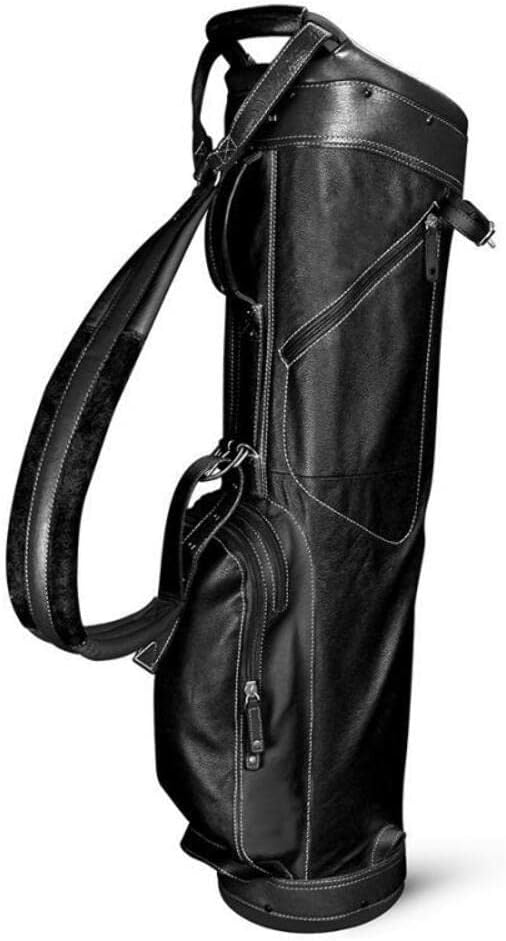
Sun Mountain Golf Leather Sunday BagSun Mountain is known for its high-quality golf bags, and its Leather Sunday Golf Bag is no exception. This bag is made from top-grain leather and has a timeless look that will never go out of style. It is perfect for a quick round of golf or for those who prefer to carry their bag. The bag has a zippered pocket for your valuables and a leather handle for easy carrying.

Product Features:

  • Premium leather material wrapped around the bag provides a luxurious look and feel.
  • A 9” 4-way top with full-length dividers ensures easy and comfortable club organization.
  • Adjustable single shoulder strap ensures you are comfortable carrying the bag during the whole round.
  • Lightweight design, weighing just 3.5 lbs, perfect for those who prefer to walk the course.
  • Multiple pockets, including a valuables pocket, provide ample storage space for all golf essentials.
  • Stylish and sleek design that will turn heads on the course.
  • Fits up to 14 clubs, ensuring you have all the options you need while playing.
  • Perfectly suitable for Sunday rounds, weekend golf trips, or as a backup bag for your golf cart.

Callaway Men’s X-Series Stand Bag Golf

Callaway Men's X-Series Stand Bag GolfThe Callaway X-Series Stand Bag is perfect for golfers who want functionality and style. It comes equipped with six pockets perfect for holding all your golfing essentials, including your keys, cell phone, balls, tees, and more.

The lightweight, high-mount automatic stand is designed to make it easy to carry, even on long courses with many hills. At the same time, the ergonomic strap provides excellent balance and makes it comfortable to wear for extended periods.

Product Features:

  • Six pockets provide ample storage space for all of your golfing needs.
  • Lightweight design makes it easy to carry, even on hilly courses.
  • Ergonomic strap ensures balanced weight distribution and comfort.
  • High-mount automatic stand keeps your bag stable and upright.
  • Stylish design adds flair to your golfing game.
  • Compatible with most golf carts for easy transportation.
  • Durable construction ensures longevity and functionality.
  • Comes in a variety of colors to match your style and personality.

Best Vintage Leather Golf Bags - Timeless Style

Features To Look For In Vintage Leather Golf Bags

If you’re in the market for a vintage leather golf bag, here are some features to look for:

Quality of leather

Look for a bag made from high-quality leather that is durable and able to withstand the wear and tear of regular use. Top-grain leather or full-grain leather is generally preferred, as it is more resilient than lower-grade leather.

Style and design

Vintage leather golf bags come in various styles and designs, so choose one that suits your preferences and needs. Some bags have a traditional, classic look, while others have a more modern or sporty design.

The number of pockets

Consider how many pockets and compartments the bag has, as this will affect how much storage space you have for your golf clubs, balls, tees, and other accessories. Some bags have multiple pockets and compartments, while others are more streamlined.

Strap and handle

Look for a bag with a comfortable, sturdy strap and handle that is easy to carry, even when fully loaded.

Condition

When buying a vintage leather golf bag, inspect it closely for any wear or damage, such as scratches, tears, or discoloration. While some wear is expected with vintage items, you want to ensure that the bag is still in good condition overall.

By considering these features, you can choose a vintage leather golf bag that is both stylish and functional and that will provide you with years of use on the golf course.

How to care for and maintain vintage leather golf bags

Vintage leather golf bags require proper care and maintenance to keep them looking their best and to extend their lifespan. Here are some tips on how to care for and maintain your vintage leather golf bag:

Clean the bag regularly

Use a soft cloth or a brush to remove dirt and dust from the bag’s surface. Avoid using harsh cleaning products that can damage the leather.

Condition the leather

Use a leather conditioner to moisturize and protect the leather from cracking and drying out. Apply the conditioner to a small, inconspicuous area first to test for discoloration or damage.

Protect the bag from moisture

Avoid exposing the bag to rain or damp conditions, as moisture can damage the leather. If you get caught in the rain, dry the bag with a soft cloth as soon as possible.

Store the bag properly

When not in use, store the bag in a cool, dry place away from direct sunlight. Stuff the bag with tissue paper or a soft cloth to help it retain its shape.

Avoid overloading the bag

Don’t overload the bag with too many clubs or other items, as this can strain the leather and cause it to stretch or warp.

Best Vintage Leather Golf Bags - Timeless Style

By following these tips, you can help ensure that your vintage leather golf bag remains in good condition for years.

Wrapping Up

A vintage leather golf bag is not only functional but also stylish. It is the perfect accessory for any golf enthusiast who wants to add a touch of timeless elegance to their game. These bags are crafted from the finest leather, guaranteeing durability and longevity, and their classic design always stays in style.

Whether you prefer a traditional or a modern twist, a vintage leather golf bag is out there for you. And with so many available options, finding the one that suits your style and needs has always been challenging. Invest in a vintage leather golf bag today and elevate your golf game while maintaining your classic style.

How To Get a Bigger Back – (Guide to Building a Bigger Back)

0

If you’ve ever wished for a bigger back, then you’ll want to read this comprehensive guide. We’ll cover the anatomy of the back muscles and explain why understanding it is important for good results. We’ll also review a warm-up routine for better performance, a selection of exercises for each muscle group, a workout plan with reps and sets, nutrition requirements such as macronutrient ratios and meal planning, and common mistakes while training your back so you can avoid them. Let’s get started!

Anatomy of Back Muscles

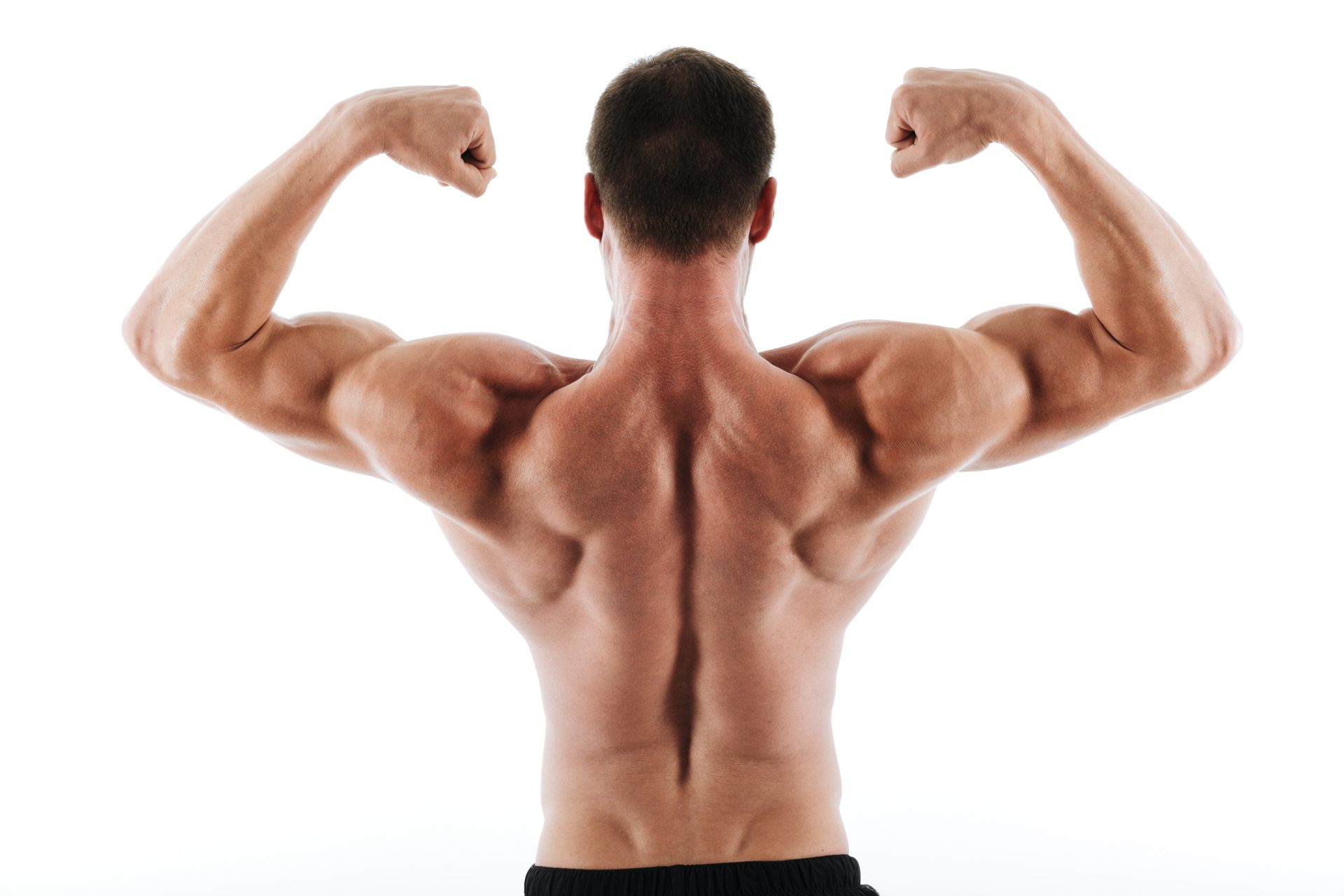
The most prominent group of muscles in your back is the Latissimus dorsi (or “lats”).

They are the largest muscle group in the upper body and are responsible for movements such as pulling and rowing motions.

Other major muscle groups include the Trapezius (or “traps”), which helps to pull the shoulder blades together and move them up or down.

The Rhomboids, which help retract the shoulder blades and the Teres Major & Minor which assist with rotational movements.

Understanding how these muscles work together helps you create an effective training program that focuses on all of them.

Warm-Up Routine for Better Performance

A good warm-up routine is essential to ensure safety during your workouts and increase efficiency during exercise sessions.

Stretches should target all major muscle groups involved in your workout session, including your lats, traps, rhomboids, teres major & minor muscles.

Examples of stretches include arm circles, arm swings across the body at different angles, torso twists with arms extended forward if possible, scapular retraction exercises with resistance bands or light weights etc.

You should develop a personalized warm-up routine based on your current fitness level and goals by adding more dynamic drills like lateral lunges combined with torso rotation etc.

They can also static stretching exercises before and after workouts to improve range of motion over time. 

Eat and Train Hard!

Working out back exercises with a barbell can be an effective part of a strength training program, but doing so correctly is essential in order to achieve results and avoid injury.

Additionally, it covers nutrition requirements such as macronutrient ratios & meal planning which is important to consider when training this area of the body.

Common mistakes while back training include not engaging the entire back muscles and improper form which might lead to plateauing or setbacks.

Ways to avoid them involve focusing on proper form where back muscles are engaged throughout each rep and making sure good posture is maintained allowing back muscles to be isolated.

Selection of Exercises for Each Muscle Group

When selecting exercises to build up each muscle group in your back focus on using compound movements that involve multiple joints because they will help you build strength faster than isolation moves.

For example lat pulldowns are great exercises that target several large groups of muscles simultaneously while allowing you to control weight easier than other types of pullups or chinups (trusted source).

Similarly rows work many muscle groups at once thanks to their multi-joint nature while helping maintain balance between opposing muscles like biceps/triceps or chest/back etc..

When it comes to improving shape deadlifts are another excellent option since they work several large muscle groups at once but can be performed with less weight than squats making them safer yet just as effective in terms of building strength over time when performed correctly.

back workout pre-workout effects

Make it Thick!

If you’re looking to get thick back muscles, it’s important to understand how the anatomy of your back muscles works.

A crucial part of that is warming up before beginning a workout routine as this can make all the difference in how successful and lasting your results are.

When selecting exercises for each muscle group, it is important to consider how much resistance you need to challenge yourself and engage your muscles enough for growth.

Finally, having a structured workout plan with plenty of focus on frequency, duration, sets and reps will help you stay on track and track any progress over time.

Strong Goals and Strong Motivation

In conclusion, understanding how important strong goals and strong motivation are for achieving your desired objectives is essential.

Having strong back-up plans in place can make it easier for you to succeed even when things don’t work out as expected.

By taking a step back and evaluating all possibilities before going ahead with your plan, you can make sure that nothing gets overlooked and that you have everything you need to get the job done.

Overall, the journey to success begins with yourself – creating strong goals and staying motivated – so arm yourself with optimism, passion, and a strong back to help propel you towards achieving your desired goals.

Check this video from Jeff Nippard and build that back muscles!

Workout Plan Including Frequency and Duration as Well as Sets and Reps

The frequency per week will depend largely on how often you recovery from workouts fully before starting another session again but two days per week would be enough if done correctly.

The duration should be no longer than 45 minutes per session including:

  • warm-up
  • rest periods
  • exercise selection
  • sets & reps etc…

As far as sets & reps go always aim for 2–3 sets per exercise utilizing 8–15 repetitions depending on desired intensity.

Finally intensity should start low since there is no need to go overboard right away since that could lead to injuries due to fatigue or poor form so keep it simple initially until form is perfected then add more weight gradually over time.

Check this video from CBUM:

Bigger Back = Better Physique

Developing a bigger back is an important consideration for those looking to achieve a balanced physique.

After all, when done correctly, machine workouts for the back can make a significant impact on the way exercise looks and feels.

With machine workouts designed to target specific areas of the back, such as latissimus dorsi, trapezius muscles and rhomboids, one can sculpt their physique into an attractive figure with effortless ease.

Furthermore, machine workouts can improve posture, increase strength and enable greater range of motion which in turn helps reduce the risk of injury whilst working out.

All said and done machine workouts are an essential element in building that dream physique so don’t be afraid to give them a go!

Final Thoughts

Building a bigger back requires dedication and hard work—but it doesn’t have to be complicated!

With this guide in hand, we’ve given you all the tools necessary—from understanding anatomy basics all the way through devising an individualized workout plan—to start working towards bigger gains today!

So don’t wait any longer—start building those lats now!

With consistency comes success – so stay dedicated and soon enough you’ll begin seeing real progress towards having a bigger back!

The Best Time to Take Ashwagandha: + Benefits For Your Health!

0

Ashwagandha, a powerful adaptogenic herb, has gained significant popularity in recent years because of its many health benefits. From reducing stress and anxiety to boosting energy and improving sleep, Ashwagandha offers a wide range of positive effects. However, many individuals wonder about the best time to take this herbal supplement in order to maximize its benefits.

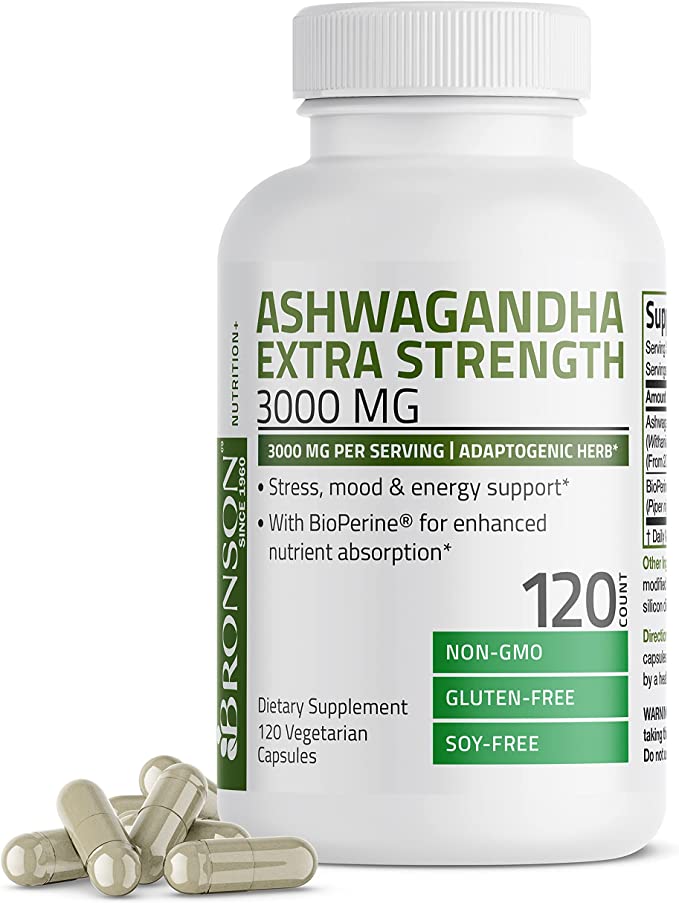
Try Ashwagandha (TOP 5):

In this article, we will explore the factors to consider when determining the timing of Ashwagandha consumption and discuss the pros and cons of taking it in the morning versus the evening. We will delve into the importance of considering meal times and personalizing your Ashwagandha routine.

best time to take ashwagandha

Understanding Ashwagandha

Before we delve into the best timing for Ashwagandha consumption, let’s gain a better understanding of this remarkable herb.

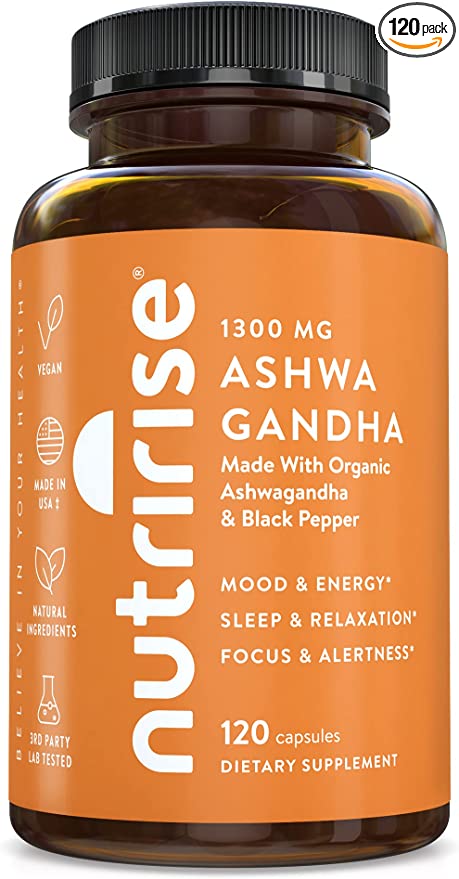
Ashwagandha, scientifically known as Withania somnifera, is a popular herb in Ayurvedic medicine, known for its adaptogenic properties.

It helps the body adapt to stressors, promoting balance and overall well-being. Ashwagandha supplements are available in various forms, including powder, capsules, and tinctures. The recommended dosage typically ranges between 300-500mg per day, but it is always advisable to consult with a healthcare professional for personalized guidance.

Factors To Consider When Determining The Timing

When deciding on the best time to take Ashwagandha, several factors should be considered. Foremost, individual goals and desired effects play a crucial role. If you are looking to boost energy and focus throughout the day, taking Ashwagandha in the morning may be the most suitable option.

If relaxation and improved sleep quality are your priorities, consuming Ashwagandha in the evening may be more beneficial.


AshwagandhaAshwagandha has the potential to impact energy levels and sleep. While it can promote alertness and vitality, some individuals may experience drowsiness after taking it.

Understanding how your body responds to Ashwagandha can help determine the best time for consumption.

Consider any medications or supplements you may be taking. Ashwagandha may interact with certain medications, such as sedatives or immunosuppressants, so it’s important to consult with a healthcare professional to ensure there are no contraindications.

Last, the time of day and meal considerations are important factors in optimizing your Ashwagandha routine.

Taking Ashwagandha on an empty stomach may enhance its absorption and bioavailability. However, some individuals may experience mild digestive discomfort when taking Ashwagandha without food.

Taking it with a meal or shortly after can help minimize such issues while also providing a slower release of the herb, leading to sustained effects.

The Best Time To Take Ashwagandha

best time to take ashwagandha

Morning vs. Evening: Pros and Cons

Taking Ashwagandha in the morning offers several potential benefits.

By starting your day with Ashwagandha, you can experience increased energy, focus, and mental clarity throughout the day.

Ashwagandha’s ability to reduce stress and anxiety makes it particularly beneficial during the daytime, when these issues are often more prevalent. Ashwagandha has been shown to support athletic performance and physical stamina, making it an excellent supplement to take before engaging in exercise or demanding physical activities.

Alternatively, consuming Ashwagandha in the evening can promote relaxation and better sleep quality. Ashwagandha’s calming properties can help combat insomnia and sleep disturbances related to stress.

By taking it before bedtime, you can enhance muscle recovery and repair during sleep, leading to improved athletic performance and overall recovery.

Pre or Post-Meal Timing

The timing of Ashwagandha consumption in relation to meals is another aspect to consider when optimizing your supplement routine.

Taking Ashwagandha on an empty stomach has its advantages. When consumed without food, Ashwagandha has a better chance of being absorbed and utilized by the body.

This is because food can sometimes interfere with the absorption of certain nutrients. By taking Ashwagandha on an empty stomach, you ensure that your body can efficiently absorb and utilize its beneficial compounds.

In addition to enhancing absorption, taking Ashwagandha on an empty stomach can also improve its bioavailability. Bioavailability refers to the extent and rate at which a substance is absorbed and becomes available in the bloodstream.

By bypassing the presence of food in the stomach, Ashwagandha can be absorbed more readily, leading to more noticeable effects.

best time to take ashwagandha

However, it’s important to note that some individuals may experience mild digestive discomfort when taking Ashwagandha on an empty stomach. If you find that this is the case for you, it may be more suitable to consume Ashwagandha with food or shortly after a meal. This can help minimize any potential gastrointestinal issues while still allowing for the herb to be absorbed and utilized effectively.

Taking Ashwagandha with food or after a meal also has its benefits. Consuming Ashwagandha with a meal can help prevent any stomach upset that may occur when taking it on an empty stomach.

Additionally, having food in your stomach can slow down the release of Ashwagandha, leading to a more sustained effect over a longer period of time.

This can be particularly beneficial if you’re looking for a gradual and prolonged impact throughout the day or evening.


Personalizing Your Ashwagandha Routine

While the information provided above can serve as a general guideline, it’s important to remember that everyone’s body is unique, and what works best for one person may not work the same for another.

Personal experimentation and self-awareness are key when determining the ideal timing for your Ashwagandha consumption.

If you’re unsure about the best time to take Ashwagandha or if you have any underlying health conditions or are taking medications, it’s always a good idea to consult with a healthcare professional or a qualified herbalist. They can provide personalized advice based on your specific needs and circumstances, ensuring that Ashwagandha is safely incorporated into your supplement routine.

When starting Ashwagandha supplementation, it’s generally recommended to begin with a lower dose and gradually increase it as needed. This allows your body to adjust to the herb and minimizes the risk of any potential side effects. It’s important to be patient and consistent with your Ashwagandha routine, as its effects may take some time to become noticeable.

best time to take ashwagandha

How Does Ashwagandha Affect Testosterone Levels?

Several studies have investigated the effects of ashwagandha on testosterone levels, particularly in men. The results have shown some promising findings, suggesting that ashwagandha may have a positive impact on testosterone.

One study published in the Journal of the International Society of Sports Nutrition examined the effects of ashwagandha supplementation on strength, muscle mass, and testosterone levels in healthy men.

The study participants who took ashwagandha extract for eight weeks experienced significant increases in testosterone levels compared to the placebo group.

Additionally, they also showed improvements in muscle strength and size.

Another study published in the Journal of Ethnopharmacology in 2013 evaluated the effects of ashwagandha on infertile men.

The study found that ashwagandha supplementation led to a significant increase in testosterone levels, sperm count, and sperm motility compared to the placebo group (trusted source).

While these studies suggest a positive effect of ashwagandha on testosterone levels, it’s important to note that more research is needed to fully understand the mechanisms and long-term effects. Individual responses to ashwagandha may vary, and it’s advisable to consult with a healthcare professional before starting any supplementation regimen, especially if you have specific health concerns or are taking other medications.

Overall, ashwagandha shows the potential to positively influence testosterone levels, but more research is required to establish its efficacy and safety.

Can Taking Ashwagandha Help With Weight Loss?

Numerous studies have found that Ashwagandha is effective in reducing cortisol levels in the body, which in turn helps in weight loss.

Cortisol is a hormone that causes weight gain, particularly around the belly area. Thus, by reducing cortisol levels, Ashwagandha helps in burning abdominal fat.

Ashwagandha is also helpful in controlling appetite. It has been found that the herb increases levels of serotonin and dopamine, two neurotransmitters that affect our mood and appetite.

Try Ashwagandha (TOP 5):

By increasing the levels of these neurotransmitters, Ashwagandha can help to curb cravings and reduce the intake of calories. Additionally, Ashwagandha can stabilize blood sugar levels, which can prevent sudden spikes and drops that could result in overeating.

Another way in which Ashwagandha helps in weight loss is by reducing inflammation in the body. Chronic inflammation is known to affect the metabolism and can lead to weight gain. Ashwagandha contains compounds that have anti-inflammatory properties, which can help in reducing inflammation and promoting weight loss.

When it comes to consuming Ashwagandha for weight loss, there are several methods. One way is to take Ashwagandha supplements, which are available in the form of capsules, powders, and tablets. The dosage can vary depending on the individual’s weight and severity of stress levels, but it is recommended to take 500-600 mg twice a day. Another way is to make Ashwagandha tea by boiling the roots of the herb in water. This tea can be consumed twice a day for the best results.

Wrapping Up

Finding the best time to take Ashwagandha is a matter of preference and goals. Considering factors such as individual goals, the impact of Ashwagandha on energy levels and sleep, interactions with other medications or supplements, and mealtimes can help optimize your supplement routine.

Whether you choose to take Ashwagandha in the morning to boost energy and focus or in the evening to promote relaxation and better sleep, tailoring your timing to your specific needs can enhance the overall effectiveness of this powerful herbal supplement.

Remember to consult with a healthcare professional before adding any new supplements to your routine and be consistent and patient in your approach to achieve the desired results.

Note: Remember to consult with a healthcare professional before adding any new supplements to your routine. The information provided in this blog post is for educational purposes only and should not be considered medical advice.


Massage For Men (Proper Massage Etiquette)

0

As men, we often find ourselves in situations where receiving a massage is necessary for both relaxation and physical well-being. However, with this luxury comes a certain level of etiquette that must be adhered to in order to ensure a comfortable and respectful experience for both the masseuse and the client. In this article, we will discuss 8 key points to keep in mind when receiving a massage.

What to Know Before Receiving a Massage: Etiquette Tips for Clients

Before receiving a massage it is important to be aware of massage etiquette, starting with being on time for your massage appointment.

Being late can result in your massage session being shortened and canceling or rescheduling at the last minute may incur extra fees.

Additionally, it is important to tell your massage therapist about any medical conditions you may have.

This is so that your massage therapist can avoid certain techniques which could unintentionally worsen any preexisting conditions you already have and help towards a successful treatment.

Communicating any medical issues prior to the massage will ensure greater safety and an improved massage experience.

Massage therapy is a great way to relax, reduce stress, and improve overall wellness.

But having knowledge of proper etiquette before receiving a massage is essential for an enjoyable experience for both the client and the masseuse.

Let’s take a look at what you should know before your massage session.

1. Arrive on time

It is always important to arrive on time for any appointment, especially so when receiving a massage.

Not only is it disrespectful to the masseuse’s time, but it can also disrupt the scheduling of other clients.

Make sure to arrive at least 10 minutes before your scheduled appointment to fill out any necessary paperwork and change into any provided robe or disposable undergarments.

It sets the tone of respect that will be shared between both parties throughout the session.

2. Communicate any medical concerns

Additionally, it’s important to let your masseuse know if there are any medical conditions or ailments that they should be aware of prior to beginning the massage.

This allows them to provide extra attention in certain areas or give special instruction if needed.

Before the massage begins, it is important to inform the masseuse of any medical concerns or conditions that may affect the massage.

This includes injuries, surgeries, and allergies. This information will allow the masseuse to tailor the massage to your specific needs and ensure the safety of both parties.

3. Respect the masseuse’s personal space

When undressing for your massage, maintain modesty while also being mindful of respecting your masseuse’s personal space.

The masseuse’s personal space should be respected at all times.

This includes refraining from inappropriate comments or gestures, as well as maintaining appropriate levels of physical contact.

Remember, the masseuse is a professional and should be treated as such.

You can do this by making sure you keep parts of your body covered when possible until you are ready to lay down on the table, and ensure that all clothing is removed from beneath you before lying down.

The masseuse will cover you with a sheet during the massage so you can remain modestly clothed throughout the service if desired.

4. Be mindful of modesty

When disrobing for the massage, it is important to be mindful of modesty.

The masseuse will typically leave the room to give the client privacy, but it is still important to disrobe in a respectable manner.

Make sure to keep undergarments on if that is your preference, and always use the provided robe or sheet to cover yourself.

5. Keep conversation to a minimum

A massage should be a peaceful and relaxing experience, so it is important to keep conversation to a minimum.

This includes refraining from discussing personal or sensitive topics, as well as minimizing small talk.

If the masseuse initiates conversation, feel free to respond, but otherwise, focus on the massage and your breathing.

Furthermore, it is generally best practice to keep conversation minimal during your session as talking can interrupt the flow of energy created by each movement from the masseuse’s hands.

6. Follow the masseuse’s instructions

The masseuse is professional and should be followed in terms of position and pressure.

It is important to let the masseuse know if the pressure is too much or too little, but otherwise, follow their lead.

It is also important to let the masseuse know if anything is uncomfortable or causes pain.

7. Show gratitude

After the massage, make sure to thank the masseuse for their service. This can be done verbally or through a tip.

Verbal gratitude following a massage session is always welcome and appreciated by most masseuses, but it is not expected or required by any means. Tip-giving is also common after a service.

Remember, the masseuse’s livelihood depends on their clients and a little appreciation goes a long way.

8. Leave the spa in a peaceful state

A massage should leave you feeling relaxed and rejuvenated (trusted source).

Take a moment to reflect on the massage and your own well-being before leaving the spa. Remember to take deep breaths and keep a peaceful state of mind as you depart.

However, tips should not be confused with payment for services rendered as many establishments have different policies regarding compensating their staff members.

Finally, it’s good practice to leave in a peaceful state of mind after receiving such an intimate service that has been tailored to fit all your needs as an individual!

Adhering to Proper Etiquette Ensures an Enjoyable Experience for Both Client and Masseuse

In conclusion, proper massage etiquette is crucial for both the client and the masseuse.

By following these 8 key points, you can ensure a comfortable and respectful experience for all parties involved.

Overall, understanding proper etiquette prior to receiving a massage helps ensure that everyone involved has an enjoyable experience during their session together – from setting up expectations beforehand to expressing gratitude afterward!

Knowing what steps need to be taken before entering into such an intimate situation will help make sure both parties have a pleasant time together which leads to more relaxed clients who come back feeling refreshed (trusted source)!

So make sure you understand what proper etiquette looks like before booking your next massage therapy appointment!

One More Time!

Men getting massages must take care to respect the masseuse’s personal space and maintain an appropriate level of modesty.

While it can be intimidating to disrobe in front of a stranger, men should remember that it is part of the therapeutic experience and should be embraced with respect for all parties involved.

Massage therapist wants their clients to experience a calming and safe environment and men should honor that by being honest about their discomfort and open to hearing any special requests for making them feel more comfortable.

Recap

Maintaining good massage parlor etiquette helps the massage session be as successful as possible.

Before allowing yourself to drift into a pleasant state of relaxation, make sure to keep a conversation and any other distractions to a minimum.

This respect of the massage space will help you gain the most out of your massage experience.

During the massage, if the masseuse tells you to change position or applies more or less pressure, comply – they have likely seen many different bodies, and are experienced in what is safe and effective.

Afterward don’t forget to show your gratitude with either kind words or even a tip, it will only add to such an enjoyable experience!

Leave the massage parlor with a peaceful state of mind knowing that you adhered to massage parlor etiquette.

Final Thoughts

Maintaining proper etiquette while receiving a massage is essential in providing enjoyable experiences for both the client and the masseuse.

Clients should arrive at the appointment on time and come prepared with a towel, particularly when receiving an oil or hot stone massage.

Keeping noise levels to a minimum and avoiding conversation, unless invited by their masseuse, are also important steps in having an enjoyable experience.

Respectful communication between the client and the masseuse is key to ensuring proper sanitation practices, such as positioning themselves under towel coverings for hygiene purposes, are observed throughout the session.

Ultimately, adhering to these etiquettes will result in a more pleasant experience for all parties involved.

Smith Machine Bar Weight – Planet Fitness + others

0

A Smith machine is a piece of equipment used for weight training that has a barbell fixed inside a set of steel rails, allowing it to only move vertically or nearly vertically up and down.

WHAT IS A SMITH MACHINE

A Smith machine’s barbell has two rotating hooks, one on each side, that allow you to lock the bar in place along a number of lockout points. This gives you the option to start with the bar at various heights and gives the lifter some measure of safety because they can quickly lock the bar to stop an exercise.

A Smith machine’s main goal is to remove the need for bar stabilization from the situation. This not only helps beginners who might struggle with stability with free weight barbell exercises, but it also enables you to focus in on the key muscles that each exercise targets.

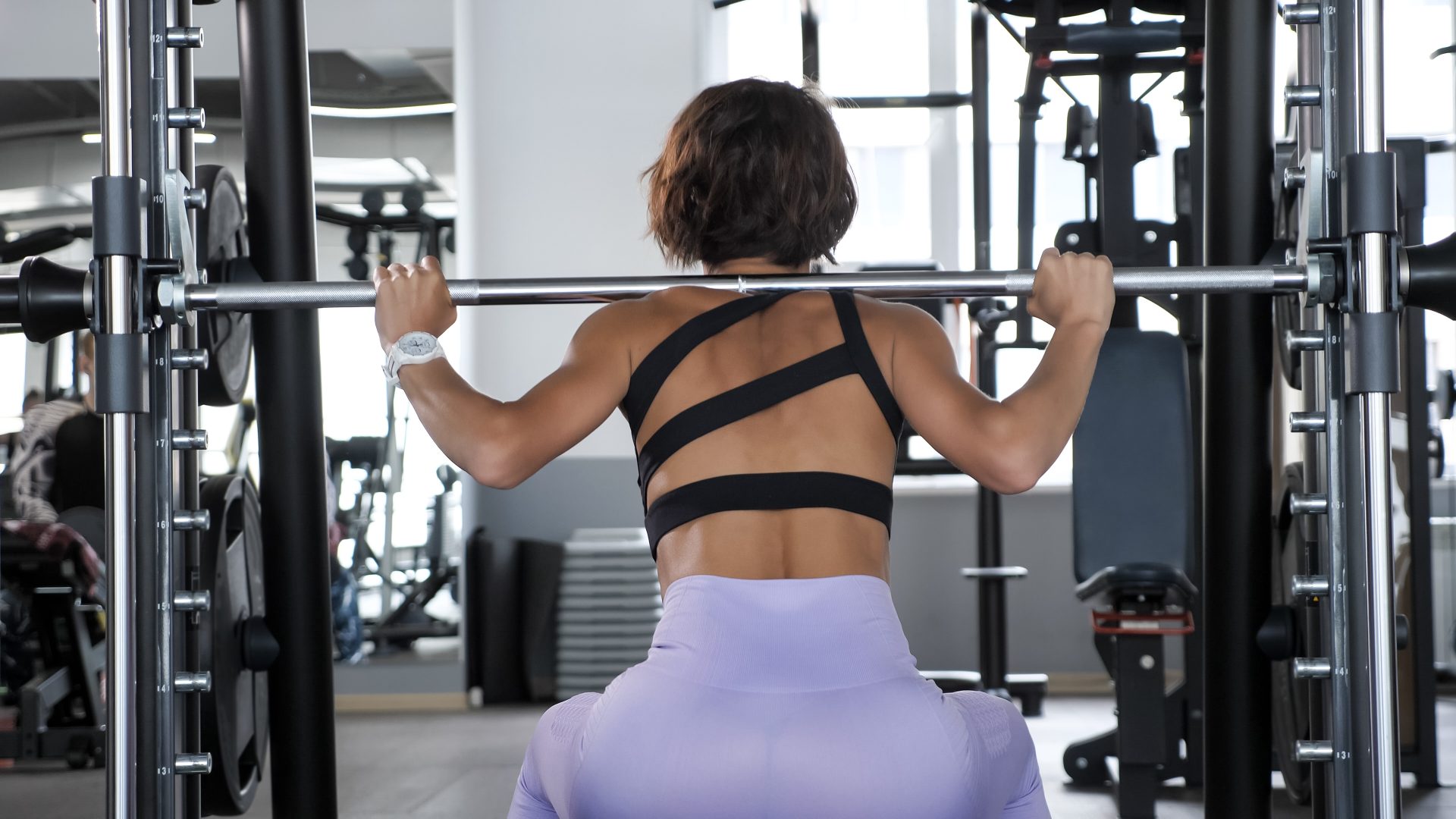
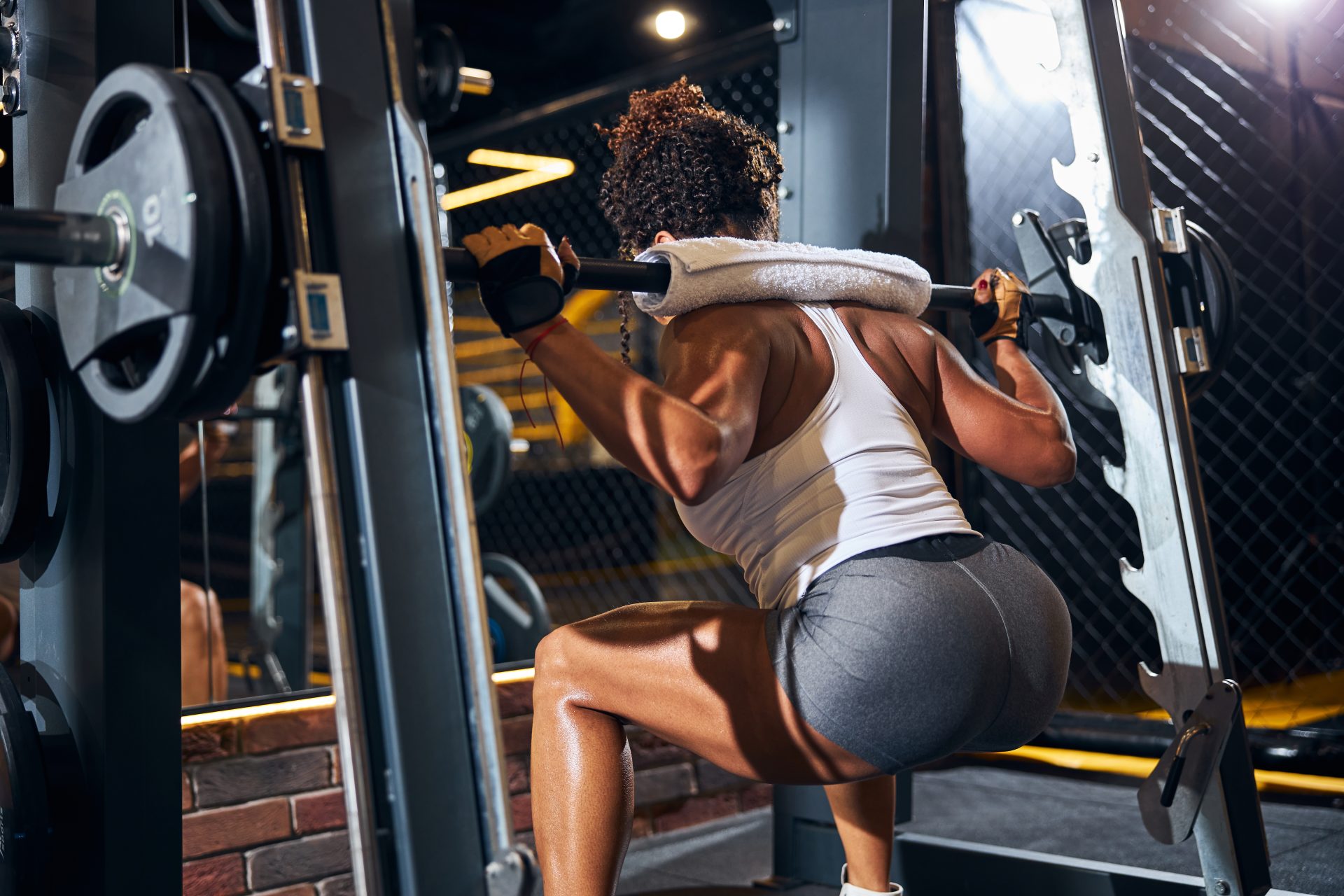
smith machine woman

For instance, you can concentrate on your quads and glutes while performing back squats without worrying about your balance, leaning too far forward, or falling back.

The fact that most Smith machines have lower starting weights than an Olympic barbell is another intriguing aspect of the machine. The weight of an Olympic barbell is always 45 pounds, with the exception of women’s Olympic barbells.

The weight of the bar with a Smith machine can range from 6 to 45 pounds (although 15 to 25 pounds is the typical Smith machine at a for-profit gym).

The Smith machine’s construction determines the weight difference.

All Smith machines will have a fixed barbell and safety hooks, but some also use a counterbalance mechanism, which varies in how much it is counterbalanced, as well as the angle of the rail and bar material.

It is clear that you are reading this article to learn more about Smith machine bar weights, so let’s dive in and examine how they vary among sellers and discuss how to determine how heavy the Smith machine bar you are currently using is.

Read our post on the Best Smith Machines available today in case you’re in the market for one.

WHAT IS THE  WEIGHT OF A SMITH MACHINE?

Let’s be very clear about this. A Smith machine barbell should NOT be standardized in terms of weight. It differs from an Olympic barbell, which is universally standardized at 45 pounds (20kg).

As a result, depending on the specific Smith machine you are using, the starting weight of a bar (defined as the bar only, without plates) will vary.

Fortunately, we are here to assist you in learning the bar weight of the most common types of Smith machines as well as how you can quickly measure the weight if the Smith machine you are using is different from the ones we cover here.

Check around the machine first because the bar weight is frequently labeled on the side of Smith machines. If not, check the manufacturer’s website for the Smith machine you are using to see if the barbell weight is listed; many do.

WHY IS KNOWING THE SMITH MACHINE BAR WEIGHT IMPORTANT

Just as crucial as knowing the weight of a regular barbell (which most of us know by heart) or dumbbells is knowing the weight of the Smith machine you are using.

You must be aware of your weight, including the bar, if you want to progressive overload (increase your weight by a certain percentage or increments each week/session).

Additionally, choosing your starting weight for any exercise requires knowing the actual weight of the bar.

For instance, knowing the weight of the Smith machine barbell will help you decide how much extra weight to load on the bar if you can perform shoulder presses with a 40-pound dumbbell. 

It really is that easy. Knowing how much you are lifting is important if you enjoy lifting accurately, which is necessary for progress.

You need to know the weight of the Smith machine bars to know exactly how much weight you are lifting because they can weigh anywhere from 6 to 40 lbs.

A SMITH MACHINE BAR WEIGHS HOW MUCH?

The bar material, counterbalances, and angle of rails—although the angle of the rail doesn’t significantly affect the weight off the bar—are the causes of the significant variations in bar weight.

Smith machine bars can weigh anywhere between 6 and 45 pounds, but the typical range at most commercial gyms is between 15 and 25 pounds.

Many Smith machine bars are made of a different type of steel than an Olympic bar.

Olympic bars are constructed from high-strength steel because they must be able to withstand significant pressure without bending (or with flex).

An Olympic bar has a higher tensile strength, which also increases the weight of the bar.

Smith machine bars don’t require the same tensile strength to carry the same amount of weight because they have additional support from the clamps, bearings, and slides.

So while a Smith machine bar is typically a little lighter than a barbell, it’s not as if a smith machine can’t support the same weight.

Smith Machine Bar Weight

The majority of industrial Smith machines have a 600-1000lb max capacity, which is right on par with Olympic barbells.With the exception of a few less expensive residential style Smith machines that have 1 inch sleeves, the barbell size is the same as an Olympic bar.

TIP: Is a smith machine bar 45 lbs? Yes, most of smith machine bars is 45 lbs!

Like an Olympic barbell, any commercial Smith machine will have 2 inch sleeves. In some cases, smith machines even employ an Olympic barbell.

In conclusion, because they don’t require the same tensile strength as an Olympic barbell, most Smith machine bars are typically a little lighter.

The weight of the bar, if removed from the Smith machine, would be between 25 and 40 lbs. for the majority. After that, you can add in the bearings, clamps, and hooks, which could add a few more pounds.

However, some Smith machines use counterbalances, and if they have this feature, they can make the machine work as though the bar weighs less even if it does.

HOW MUCH DOES PLANET FITNESS SMITH MACHINE BAR WEIGH

The Smith machines at Planet Fitness will have the bar weight written on the side of the machine. So, you can just have a look, but they should range from 15-20lbs.

Note: Some PF gyms may have heavier bars, as we’ve seen members claim their Planet Fitness gym’s Smith machine weighs 35lbs.

HOW MUCH DOES LA FITNESS SMITH MACHINE BAR WEIGH

A commercial Smith machine with a counterbalanced barbell will be available at LA Fitness. The majority of LA Fitness gyms have a Smith machine with a 15–25 lb. bar weight.

HAMMER STRENGTH SMITH MACHINE BAR WEIGHT

There is a Smith machine model made by Hammer Strength that is sold commercially and can be found in gyms all over the world.

Their Smith machine has a counterbalance system that sets the bar’s starting weight at 20 pounds (9 kilograms), with a maximum capacity of 650 pounds, and a 7 degree bar path angle.

What Muscles Do Hip Thrusts Work: A Comprehensive Guide

0

Jump right into the world of hip thrusts, one of the top moves for lower body strength. Seasoned gym lovers and newbies aiming to pump up their game, listen up, because this exercise works wonders. Imagine powering up your routine with deeper knowledge of the muscles involved. Picture your legs growing stronger with each thrust, like a superhero gearing up for action. Discover which parts of your body benefit most, and feel the excitement of a well-targeted burn. Stick with it, because learning this can turn your workout into a powerhouse.

So, if you’ve ever wondered what muscles truly benefit from those weighted hip thrusts, get ready for an illuminating journey through the anatomy of this remarkable movement. Are you ready to unlock the secrets behind this powerhouse exercise and what muscles do hip thrusts work? Let’s dive in!
What Glute Muscles Do Hip Thrusts Work

What Gluteus Muscles Do

  • Role in Hip Extension and posture: The gluteus maximus, often called the “glutes,” plays a pivotal role in hip extension. This muscle is responsible for moving your thigh bone backward, a crucial activity for standing up, climbing stairs, and performing hip thrusts. Beyond its movement function, the gluteus maximus also contributes to maintaining proper posture, particularly in stabilizing the pelvis and preventing excessive pelvic tilt.
  • Activation During Hip Thrusts: Hip thrusts are a prime mover for activating the gluteus maximus. As you lift your hips off the ground, this muscle contracts concentrically, extending your hips and working against the resistance. Scientific studies have shown that hip thrusts elicit a high gluteus maximus activation, making them a premier exercise for building strong, shapely glutes.

Hamstrings

  • Importance in Hip Extension and Knee Flexion: The hamstrings, a group of muscles located at the back of your thigh, play a dual role in hip thrusts. While they contribute to hip extension, similar to the gluteus maximus, they also assist in knee flexion. This means that during hip thrusts, your hamstrings help extend your hips and flex your knees, resulting in a coordinated effort that engages both muscle functions.
  • Involvement in Hip Thrust Movement: While the gluteus maximus takes the spotlight in hip thrusts, the hamstrings support the movement. As your hips rise, the hamstrings assist in hip extension and knee flexion, working synergistically with the glutes to execute a controlled and effective thrust.

What Muscles Do Hip Thrusts Work

Secondary Muscles Engaged

While the gluteus maximus and hamstrings take center stage in hip thrusts, several secondary muscles work harmoniously to stabilize and support the movement. Here are the secondary muscles engaged during hip thrusts.

Erector Spinae

The erector spinal muscles along the spine are responsible for spinal extension and upright posture. During hip thrusts, these muscles stabilize the spine and prevent excessive lumbar extension as your hips rise off the ground.

This stabilization ensures that your spine remains aligned and safe throughout the movement. Engaging the erector spinae muscles helps to create a strong foundation, allowing you to perform hip thrusts with proper biomechanics.

Adductors

The adductors, a group of muscles situated on the inner thigh, also contribute to the execution of hip thrusts. While their primary function is to bring the legs closer together (adduction), they play a stabilizing role during hip thrusts by maintaining proper hip alignment.

The adductors help prevent the hips from shifting excessively to either side, ensuring a balanced and controlled movement. Although the adductors are not the main drivers of the exercise, their engagement is integral for maintaining stability and promoting an effective range of motion.

Stabilizer Muscles Involved

As we continue our journey into the mechanics of hip thrusts, it’s essential to recognize the role of stabilizer muscles. These muscles provide the necessary support and control to execute the movement effectively and safely. This section will delve into the stabilizer muscles engaged during hip thrusts.

Transverse Abdominis

The transverse abdominis, often called the “TVA,” is a deep-lying muscle that plays a significant role in core stability. During hip thrusts, the TVA activates to stabilize the spine and pelvis, ensuring proper alignment throughout the movement.

This stabilizing action not only supports your lower back but also enhances the effectiveness of the exercise by creating a solid foundation from which the glutes and hamstrings can generate power. Engaging the TVA contributes to a strong and controlled hip thrust, reducing the risk of strain or injury.

Quadriceps

While hip thrusts primarily focus on the glutes and hamstrings, the quadriceps also come into play as stabilizers. Situated on the front of the thigh, the quadriceps assist in stabilizing the knee joint during the movement.

This stabilization is particularly important as your hips rise and lower, preventing any unwanted wobbling or misalignment at the knee. The quadriceps provide the necessary support to ensure a smooth and controlled motion, enhancing the overall effectiveness of the exercise.

Proper Execution and Technique

Executing hip thrusts with proper form is paramount to reap the full benefits of the exercise and avoid unnecessary strain. Here’s a step-by-step guide to help you perform hip thrusts correctly:

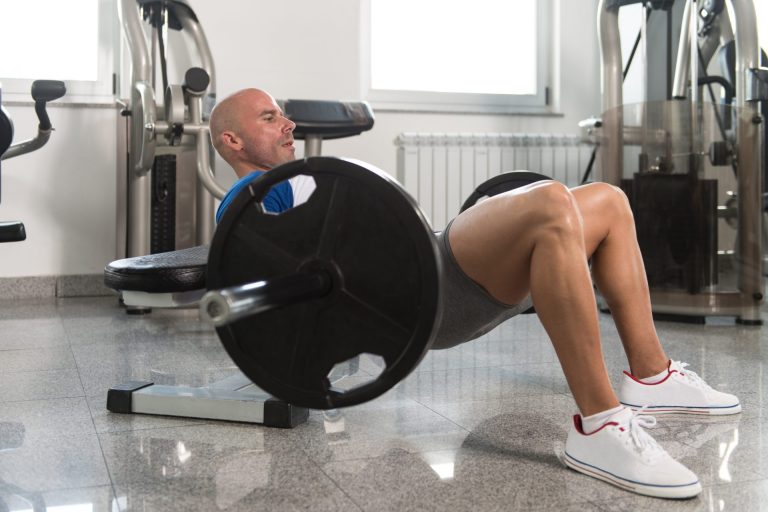
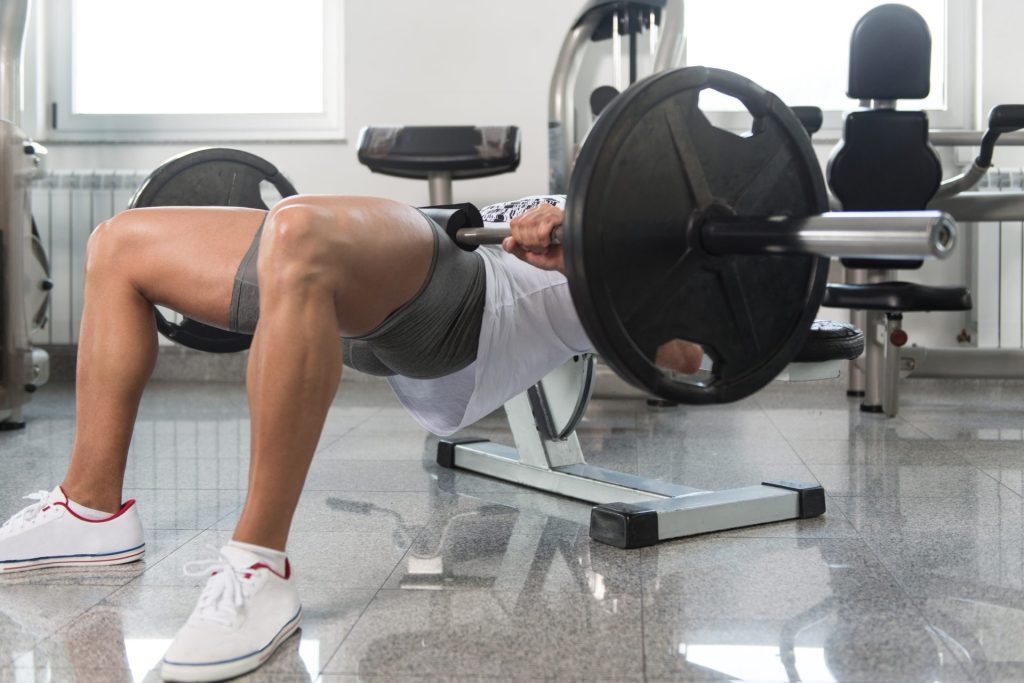
  • Setup: Sit on the ground with your upper back against a bench or elevated surface. Position a barbell across your hips and hold it securely.
  • Foot Placement: Place your feet hip-width apart and flat on the ground, with your knees bent at approximately 90 degrees.
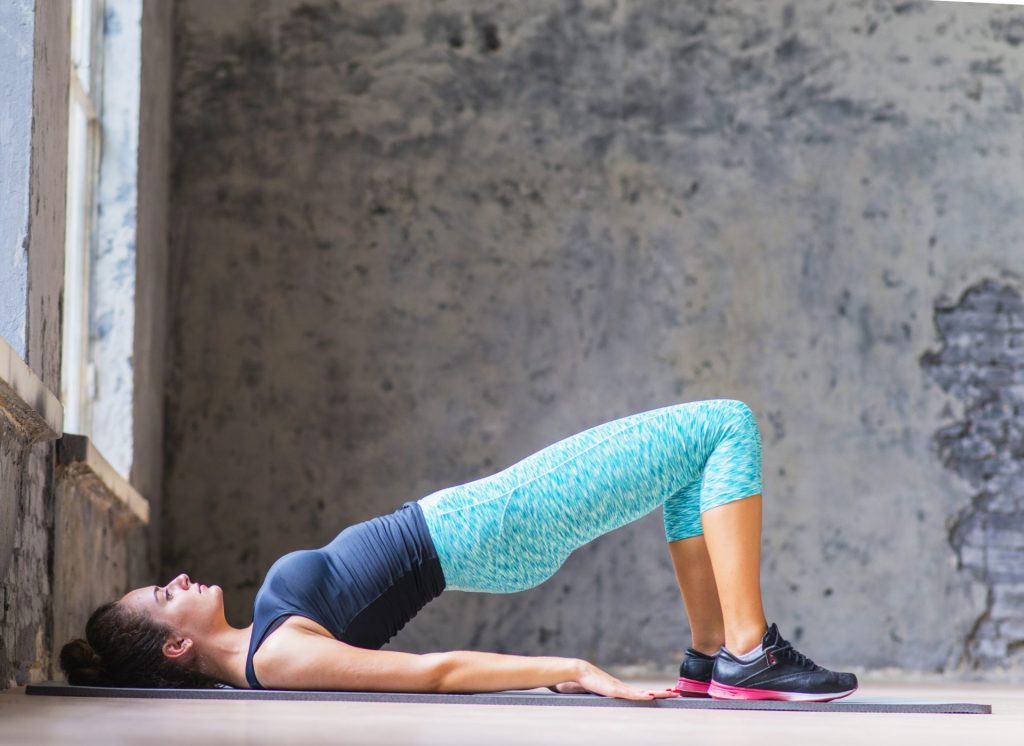
  • Hip Lift: Push through your heels to lift your hips off the ground while maintaining a straight line from your shoulders to your knees.
  • Full Extension: Squeeze your glutes at the movement’s top to achieve full hip extension. Your body should form a straight line from your shoulders to your knees.
  • Lowering Phase: Lower your hips back down with control, keeping a slight knee bend.
  • Repetition: Repeat the movement for the desired number of reps, focusing on a controlled and deliberate motion.

What Muscles Do Hip Thrusts Work

Variations for Targeting Specific Muscles

Expanding your repertoire of hip thrust variations can offer new challenges and unique muscle activation. These variations can be strategically incorporated to target specific muscle groups and add variety to your routine.

Band-Resisted Hip Thrusts for Increased Glute Activation

Adding resistance bands to your hip thrusts can elevate the challenge and intensify glute activation. Securing a resistance band just above your knees creates outward tension, requiring your glutes to work even harder to maintain proper alignment during the movement.

resistance bands

This variation enhances glute engagement and reinforces hip stability, helping you build a robust and well-defined posterior.

Single-Leg Hip Thrusts for Greater Stability Challenge

By transitioning to single-leg hip thrusts, you introduce an element of instability that demands enhanced core engagement and challenges your balance.

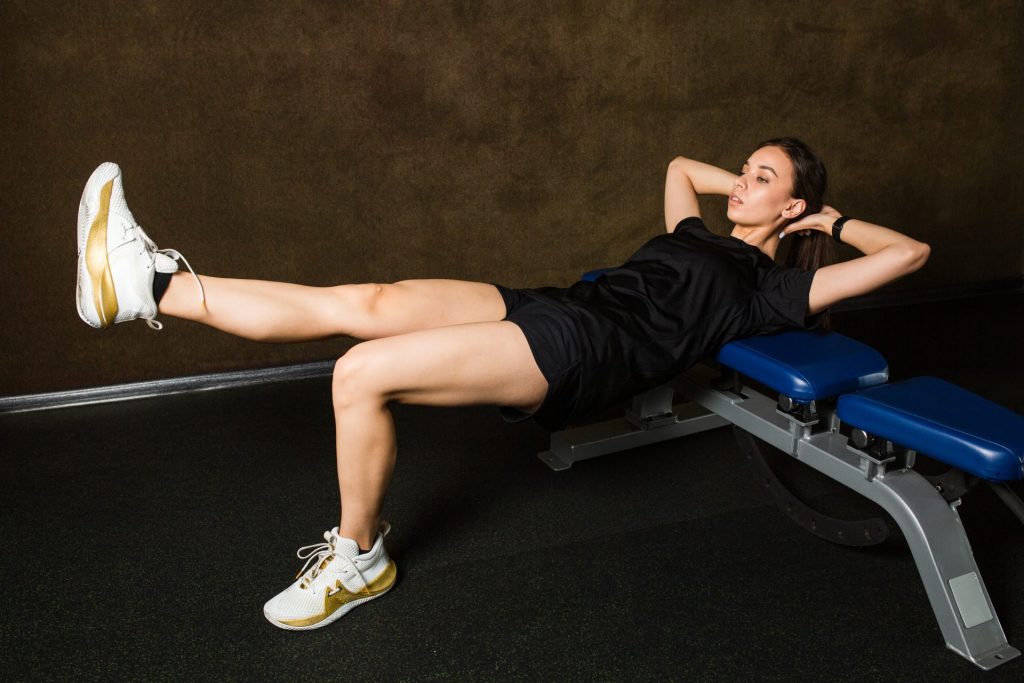
This variation emphasizes the glutes of the working leg while requiring the stabilizer muscles to work diligently to maintain proper form. Single-leg hip thrusts are an effective tool for addressing muscle imbalances and refining your lower body strength.

Elevated Hip Thrusts to Emphasize Hamstring Engagement

Elevating your shoulders and upper back on a bench during hip thrusts shifts the focus to the hamstrings. This variation places the hips at a slightly different angle, encouraging greater hamstring recruitment while still targeting the glutes.

Elevating the hips allows for a deeper range of motion, enhancing muscle activation and providing a new challenge to your lower body workout.

What Muscles Do Hip Thrusts Work

Incorporating Hip Thrusts into Your Workout Routine

Now that you’re well-versed in the nuances of hip thrusts and their variations, let’s explore how to integrate them into your workout routine seamlessly.

Begin by considering your fitness goals and current routine. Hip thrusts can complement your leg day regimen as a primary lower body exercise or an accessory movement. Here’s a structured approach:

  • Frequency and Volume: Aim to incorporate hip thrusts into your routine 1-2 times weekly. Start with 3-4 sets of 8-12 reps, gradually increasing the weight as you progress.
  • Placement in Your Workout: If you focus on building strength, consider placing hip thrusts after compound movements like squats and deadlifts. Hip thrusts can prelude other lower-body exercises if you prioritize muscle activation.
  • Supplemental Movements: Pair hip thrusts with exercises that target other muscle groups, such as lunges, leg presses, and calf raises, to create a comprehensive lower body workout.
  • Progressive Overload: As you become more proficient, progressively increase the weight you use for hip thrusts to stimulate muscle growth and strength development.
  • Rest and Recovery: Ensure adequate rest between sets and sessions to optimize muscle recovery and growth.

Conclusion

The realm of fitness is enriched by exercises that offer aesthetic and functional benefits, and hip thrusts undoubtedly stand as a testament to this. With a meticulous breakdown of the primary, secondary, and stabilizer muscles engaged and insightful variations and integration strategies, this comprehensive guide has illuminated the multifaceted impact of hip thrusts on the lower body.

By incorporating these insights into your fitness regimen, you embark on a journey toward sculpting a stronger, more balanced physique while reaping the rewards of a versatile and effective exercise.

As you strive to achieve your fitness goals, remember that knowledge and dedication are your steadfast companions on this path to a healthier you. Keep thrusting forward!

David Laid Workout Routine: Unleashing The Power Of Consistency And Dedication!

0

Have you ever wondered how some people achieve an exceptional level of fitness? What it takes to reach that point where each exercise becomes an effortless movement, and your body seems to make progress with every passing day?

David Laid is an embodiment of perseverance and hard work. At 24, he has become a household name in the fitness industry. David’s journey to becoming a fitness icon was not a walk in the park. Having started his fitness journey at 14, he spent years exploring different workout routines, finding his way through many setbacks and limitations.

Today, David Laid’s workout routine is a blueprint for anyone looking to attain a similar level of fitness. His philosophy revolves around developing an unwavering commitment to consistency and dedication to your goals. In this article, we will explore David Laid’s workout routine, the fundamental principles behind his training, and how you, too can apply his approach to achieve your fitness goals.

David Laid Workout Routine

DAVID Laid Back Workout

Back workouts are crucial for developing upper body strength and achieving a well-defined V-shaped torso.

David Laid’s back workout includes the following exercises:

  • Wide Grip Pull-Ups – 4 sets of 10 reps
  • Bent Over Barbell Rows – 4 sets of 12 reps
  • One-Arm Dumbbell Rows – 3 sets of 15 reps
  • Lat Pull Downs – 3 sets of 15 reps
  • Cable Rows – 3 sets of 12 reps

These exercises target different muscle groups in your back and help develop strength and muscle mass.

Chest And Shoulders Workout

Here is one of David’s workouts for chest and shoulders:

  • Incline Bench Press 4 sets x 6-8 reps
  • Dumbbell Press 3 sets x 10-12 reps
  • Incline Dumbbell Flyes 3 sets x 12-15 reps
  • Seated Dumbbell Press – 4 sets of 10 reps
  • Military Press 4 sets x 6- 8 reps
  • Lateral Raises 3 sets x 12- 15 reps
  • Rear Delt Rows 3 sets x 12-15 reps

Leg Workout 

David’s leg workout routine is intense and designed to help build size and strength in the quadriceps, hamstrings, and glutes. Here are the exercises he includes in his routine:

  • Squats: 4 sets of 8 reps
  • Leg Press: 3 sets of 12 reps
  • Romanian Deadlifts: 3 sets of 12 reps
  • Leg Extensions: 3 sets of 15 reps
  • Seated Leg Curls: 3 sets of 15 reps

Arm Workout

David’s arm workout routine is designed to help build size and strength in the biceps and triceps. Here are the exercises he includes in his routine:

  • Barbell Curl: 4 sets of 8 reps
  • Dumbbell Hammer Curls: 3 sets of 10 reps
  • Close-Grip Bench Press: 3 sets of 12 reps
  • Skull Crushers: 3 sets of 12 reps
  • Cable Tricep Extensions: 3 sets of 15 reps

These exercises target different areas of your chest and shoulders, helping you build strength and muscle mass while achieving a well-defined and aesthetically pleasing upper body.

david laid workout routine

Fundamental Principles Behind David Laid Workout Routine And Training

Goal Setting and Planning:

David Laid understands the importance of setting clear goals and planning his workouts accordingly.

Whether it’s building muscle mass, improving strength, or enhancing overall fitness, having a specific aim in mind helps to stay focused and motivated. Before you step into the gym, define your goals and design a workout plan that aligns with them.

Progressive Overload:

Progressive overload is a key principle in David Laid’s training regimen.

It involves gradually increasing the demands on your muscles to stimulate growth and adaptation. David accomplishes this by consistently adding weight, increasing reps, or reducing rest time between sets.

This method ensures that his muscles are constantly challenged, leading to continuous progress.

Compound Movements:

David Laid’s workout routine primarily revolves around compound movements.

Compound exercises engage multiple muscle groups simultaneously, resulting in efficient and effective workouts.

Exercises like squats, deadlifts, bench presses, and pull-ups are staples in his routine. Incorporating compound movements into your workouts can maximize your time at the gym and yield impressive results.

Balanced Training Split:

To achieve a well-rounded physique, David Laid follows a balanced training split. He dedicates specific days to target different muscle groups, ensuring each area receives adequate attention.

This approach prevents muscle imbalances and allows for sufficient recovery.

Whether you choose a push-pull-legs split or an upper-lower split, finding a balance in your training routine is crucial for long-term progress.

Intensity And Mind-Muscle Connection:

David Laid emphasizes the importance of intensity and establishing a mind-muscle connection during workouts.

By focusing on the targeted muscles and performing exercises with full concentration, he maximizes muscle engagement and recruitment. This deliberate approach enhances muscle growth and helps prevent injuries.

Rest And Recovery:

While hard work is essential, David understands the significance of rest and recovery.

Allowing your body time to recuperate is crucial for muscle repair and growth. Incorporate rest days into your training schedule and prioritize sleep and nutrition to optimize recovery. Remember, progress happens outside the gym as well.

Consistency and Patience:

Perhaps the most significant factor in Laid’s success is his unwavering consistency and patience.

He understands significant transformations take time and that there are no shortcuts to success. Consistently showing up, putting in the work, and staying dedicated is the key to achieving long-term fitness goals.

Now that we’ve explored the fundamental principles behind David Laid’s workout routine, it’s time to apply these lessons to your own fitness journey.

Set clear goals, design a well-structured plan, focus on progressive overload, incorporate compound movements, maintain a balanced training split, prioritize intensity and mind-muscle connection, allow for sufficient rest and recovery, and above all, stay consistent and patient.

FAQs

What Is David Laid’s Physique Like?

David Laid has developed an impressive physique over the years through his dedication to training and proper nutrition. He is known for his well-defined muscles, low body fat percentage, and overall muscularity.

His physique is often seen as lean and aesthetic, reflecting his commitment to building a balanced and strong body.

Is David Laid Natural Or On Steroids?

Despite the rumors, David Laid is natural. He denies taking any steroids or illegal supplements.

His impressive physique is achieved through hard work and dedication to his diet and exercise regimen. He has openly discussed the nutritional plan he follows, as well as his daily gym routine.

Wrapping Up

While David Laid workout routine may seem intense, the key takeaway is that consistency and dedication are crucial to achieving your fitness goals. It’s not about doing everything perfectly, but trying each day to be better than the day before.

Incorporating compound exercises, like the ones found in David’s routine, is also a great way to work multiple muscle groups at once, which ultimately leads to more efficient and effective workouts.

Just like David’s journey, your path to success requires hard work, consistency and dedication; but with time, you too can unleash the power of consistency and dedication to achieve your fitness goals.

How To Get Bigger Traps: 5 Best Exercises

0

Are you tired of having underdeveloped traps that make your physique look unbalanced? Building bigger and stronger trapezius muscles can not only enhance your overall appearance but also improve your posture and upper body strength. If you’ve been struggling to see results in this area, it may be time to reevaluate your training routine and avoid common pitfalls.

The traps, or trapezius muscles, are located on either side of your neck and upper back. They play a crucial role in stabilizing the shoulders and neck, as well as facilitating movements like shrugging, lifting, and pulling. Despite their importance, many individuals struggle to effectively target and develop these muscles, leading to subpar results.

If you’re dedicated to getting bigger traps, it’s essential to focus on specific exercises and techniques that directly stimulate these muscles. However, it’s worth noting that building bigger traps requires a holistic approach that incorporates proper form, progressive overload, and adequate rest and recovery.

In this article, we will explore the most common mistakes to avoid when trying to develop your traps and provide actionable tips to help you get the results you desire. So, let’s dive in and unlock the secrets to building impressive traps.

Understanding The Trapezius Muscles

The trapezius muscles play a crucial role in both daily life and workouts. Understanding their anatomy is essential for targeting them effectively.

The trapezius muscles are a pair of large, triangular muscles that extend from the base of the skull down to the middle of the back and across the shoulders.

They are responsible for various movements and functions, including shrugging the shoulders, rotating the shoulder blades, and maintaining good posture. By targeting different sections of the traps through exercises such as shrugs and rows, you can strengthen and tone these muscles, improving your overall upper body strength and stability.

How To Get Bigger Traps 

The Importance Of Proper Form And Technique

Preventing Injuries

Proper form and technique are crucial when it comes to any physical activity, and trap exercises are no exception. Using incorrect form can put unnecessary strain on your muscles, joints, and ligaments, increasing your risk of injury. By paying attention to your form and practicing proper technique, you can reduce the likelihood of overuse injuries or strains.

Maximizing Muscle Activation

One of the primary goals of trap exercises is to target and strengthen the trapezius muscles, which are responsible for stabilizing the shoulders and neck. Using proper form and technique allows for maximum muscle activation. This means that you’ll be effectively targeting your traps and getting the most out of each exercise.

Developing Symmetry And Proportions

In addition to strengthening the traps, proper form and technique can help develop symmetry and proportionality in your physique. By using correct form, you’ll be able to evenly target both sides of your body, preventing imbalances and promoting a proportionate appearance.

Progressing Safely

Whether you’re a beginner or an experienced lifter, following proper form is essential for consistent progress and preventing plateaus. By using correct technique, you can gradually increase the weight and intensity of your trap exercises, ensuring safe and effective progression over time.

Enhancing Performance In Other Exercises

Strong traps not only contribute to an aesthetically pleasing physique but also play a crucial role in other exercises. Properly developed traps can improve your performance in exercises such as deadlifts, overhead presses, and pull-ups, as they provide stability and support to your upper body.

Engaging The Right Muscles

Using proper form and technique allows you to engage the targeted muscle group effectively. In the case of trap exercises, maintaining proper posture and alignment will ensure that you’re activating the traps rather than relying on compensatory muscles to perform the movement. This will lead to better muscle recruitment and overall exercise effectiveness.

Long-Term Joint Health

Lastly, practicing proper form and technique during trap exercises can contribute to your long-term joint health. By maintaining proper alignment and avoiding unnecessary stress on your joints, you can help prevent joint pain, inflammation, and potential future complications.

Remember, achieving bigger traps isn’t just about lifting heavy weights; it’s about performing each exercise with proper form and technique. By prioritizing these aspects, you can maximize your results, reduce the risk of injuries, and enjoy a more sustainable and healthy fitness journey.

How To Get Bigger Traps 

Top Trap-Building Exercises

Deadlifts

Deadlifts are one of the most effective trap-building exercises. They target not only the traps but also the entire posterior chain, including the lower back, glutes, and hamstrings.

Start with a barbell on the ground, bend down with a flat back, and lift the barbell up using your traps and legs. Remember to maintain proper form and gradually increase the weight as you get stronger.

Barbell Shrugs

Barbell shrugs are a classic exercise for targeting the traps. Hold a barbell with an overhand grip, stand with your feet shoulder-width apart, and lift your shoulders up towards your ears. Squeeze your traps at the top of the movement and slowly lower the weight back down. Vary the grip width to target different areas of the traps.

Dumbbell Shrugs

Similar to barbell shrugs, dumbbell shrugs target the traps but allow for a greater range of motion and unilateral training. Hold a dumbbell in each hand, let your arms hang by your sides, and lift your shoulders up towards your ears. Focus on squeezing your traps at the top of the movement and slowly lowering the dumbbells back down.

Farmers Walk

The farmer’s walk not only builds traps but also strengthens your grip and core. Hold a heavy dumbbell or kettlebell in each hand, stand tall, and walk for a designated distance or time. Make sure to maintain a stable core and keep your shoulders pulled back and down to engage your traps throughout the exercise.

Upright Rows

Upright rows target the traps, shoulders, and upper back. Hold a barbell or dumbbells in front of your thighs with an overhand grip, pull the weight up towards the chin, and then lower it back down. Keep your elbows high and focus on squeezing your traps at the top of the movement. Be cautious with your form to avoid shoulder impingement.

Cable Face Pulls

Cable face pulls are a great exercise for targeting the traps and improving posture. Set a cable machine at face height, attach a rope or handle, and stand with your feet shoulder-width apart.

Pull the rope towards your face while squeezing your shoulder blades together. Focus on contracting your traps and upper back muscles. Control the movement and avoid using excessive weight.

Snatch Grip High Pulls

Snatch grip high pulls are an explosive exercise that targets the traps, shoulders, and upper body. Start with a wide grip on a barbell, lower it to just above your knees, and explosively pull the barbell up towards your chin, keeping your elbows high.

Control the descent and repeat for multiple reps. This exercise should be performed with a lighter weight and with proper form to maximize its benefits and reduce the risk of injury.

Remember to consult with a fitness professional to ensure proper form and technique when performing these trap-building exercises. Start with lighter weights and gradually increase as you build strength and confidence.

Avoiding Common Traps Mistakes

Using Too Much Weight

One common mistake when performing trap exercises, such as shrugs or upright rows, is using too much weight. It’s important to start with a weight that you can comfortably handle and gradually increase the weight over time. Using too much weight can lead to poor form and potentially result in injury.

Poor Posture

Maintaining proper posture during trap exercises is crucial for targeting the correct muscles and preventing injury. Avoid rounding your shoulders or hunching over, as this can put undue stress on your neck and upper back. Instead, keep your chest up, shoulders back, and engage your core muscles for stability.

Neglecting Full Range Of Motion

Another common mistake is performing trap exercises with limited range of motion. It’s important to fully extend and squeeze your traps at the top of the movement, and then lower the weight back down in a controlled manner. Avoid shortening your range of motion by not fully raising or lowering the weight, as this can limit the effectiveness of the exercise.

Overlooking Proper Breathing

Proper breathing technique is often overlooked during trap exercises. Remember to exhale during the exertion phase of the movement (lifting the weight) and inhale during the lowering phase. This helps stabilize your core and ensures adequate oxygen flow to your muscles.

Neglecting Warm-Up And Cool-Down

Preparing your muscles for exercise is vital in preventing injuries. Always incorporate a dynamic warm-up, such as arm circles or shoulder rotations, to increase blood flow and warm up the trap muscles. Similarly, finish your workout with a cool-down, which may include static stretches or foam rolling, to promote muscle recovery and prevent stiffness.

Lack Of Variation

Doing the same trap exercises over and over can lead to stagnation and limited progress. Incorporate different variations of trap exercises, such as dumbbell shrugs, cable upright rows, or trap bar deadlifts, to engage your traps from different angles and stimulate muscle growth.

Not Allowing Enough Rest And Recovery

Proper rest and recovery are crucial for muscle growth and preventing overuse injuries. Avoid working your traps too frequently or without adequate rest days in between workouts. Aim for at least 48 hours of recovery time before targeting your trap muscles again.

How To Get Bigger Traps 

FAQs

How To Get Bigger Traps At Home?

Engage in exercises that target your trapezius muscles, such as shrugs, upright rows, and resistance band pulls. Perform these exercises regularly with progressive resistance to stimulate muscle growth. Proper nutrition and sufficient rest are also crucial for muscle development.

How To Get A Bigger Neck And Traps?

Incorporate exercises like neck bridges, weighted neck extensions, and shrugs into your workout routine. Be consistent with these exercises, gradually increasing the intensity, and ensure you’re providing your body with enough nutrients and recovery time for muscle growth.

How Long Does It Take For Traps To Get Bigger?

The time it takes to see noticeable trap muscle growth varies from person to person. It depends on factors such as genetics, workout intensity, nutrition, and consistency. Typically, you may start noticing some improvements within a few weeks to a few months of dedicated training. Patience and consistency are key to achieving significant results.

Wrapping Up

In conclusion, developing bigger traps can greatly improve your overall physique and strength. By incorporating compound exercises like deadlifts, shrugs, and upright rows, you can effectively target and build your trapezius muscles. Additionally, proper form and technique are crucial to prevent injury and maximize results.

Remember to vary your exercises, gradually increase weight and intensity, and allow proper recovery time. Fueling your body with a well-balanced diet rich in protein will also support muscle growth and repair.

Building bigger traps not only enhances your appearance but also contributes to better posture, shoulder stability, and overall athletic performance. So, whether you’re a bodybuilder, weightlifter, or fitness enthusiast, incorporating these tips into your routine will help you achieve those sought-after big traps. Keep pushing yourself, stay consistent, and watch your traps grow!