Home Blog Page 38

What is the Stuff That Powerlifters Sniff? (Answer)

0

Powerlifting is an intense physical activity that requires a great deal of strength and stamina. As such, many powerlifters are turning to tools and substances to help them achieve their goals. One such substance is smelling salts, which are often used by athletes as stimulants during training. But what do we really know about the effects of smelling salts on athletic performance? Let’s take a closer look to what is the stuff that powerlifters sniff.

The Effects of Smelling Salts on Athletic Performance

Smelling salts have been used since ancient times as a stimulant for athletes before they compete or train.

In modern times, there has been a resurgence in the use of smelling salts by powerlifters and other strength athletes to give themselves an edge during competitions or training sessions.

However, there is still very little scientific evidence available on the effectiveness or safety of using smelling salts as a stimulant.

Training for Personal Records

Training for personal records is a great way to push yourself to reach your fitness goals, however it also poses potential risks that should be taken seriously.

Respiratory irritation is one such risk – overexertion can lead to an increase in breathlessness and coughing. High-intensity exercise may also lead to higher than normal blood pressure, either directly or triggered by nerves due to the increased pressure of trying to reach a PR.

Lastly, there is the concept of masking underlying physical or mental issues- athletes motivated by personal bests may interpret bodily sensations as themselves pushing harder, even though those sensations could be signs of overtraining or even extreme fatigue which require attention from a medical professional.

So what does this mean for you?

Taking these risks into consideration, training for a PR should never come at the cost of ones health or safety.

Considerations When Deciding Whether to Use Smelling Salts or Not

Given that there is still very limited research available on the safety and efficacy of using smelling salts as stimulants for athletic performance, it is important for powerlifters to consider all factors before deciding whether or not it is right for them.

For instance, athletes should evaluate their own physical abilities and limitations before making any decision about whether or not they should use smelling salt prior to training or competition.

Additionally, they should discuss any potential health concerns with their healthcare provider if necessary before experimenting with any new supplement or tool that could potentially have an impact on their overall health and well-being.

Let me explain…

Study the Composition of the Product

Smelling salts are composed of two chemicals, ammonium carbonate and ammonia, that can stimulate an inhalation reflex in humans when inhaled.

The main component of smelling salts, ammonium carbonate, was discovered over 2,000 years ago and has been used to create what we now know as smelling salts. When these two chemicals come together they produce a pungent scent which serves to briefly clear the head and invoke an inhalation reflex.

This is a great tool for athletes who want to get the extra burst of energy needed during practice or games.

Even though this chemical combination does cause a rather unpleasant smell, it can provide a helpful boost for athletes and other individuals in need.

It Can Help You to Reach a New PR But…

Powerlifting is nothing short of an extraordinary feat of physical strength, so it’s no surprise that some athletes turn to ammonia inhalants (commonly known as smelling salts) to give their performance a boost.

Smelling salts work by mildly irritating the mucous membranes in the nose, and since ammonia is a type of volatile material, inhaling ammonia stimulates respiration.

This can provide a temporary kick in alertness from the ammonia-induced stimulatory effect on the nervous system and wakefulness caused by irritation to the mucous membranes.
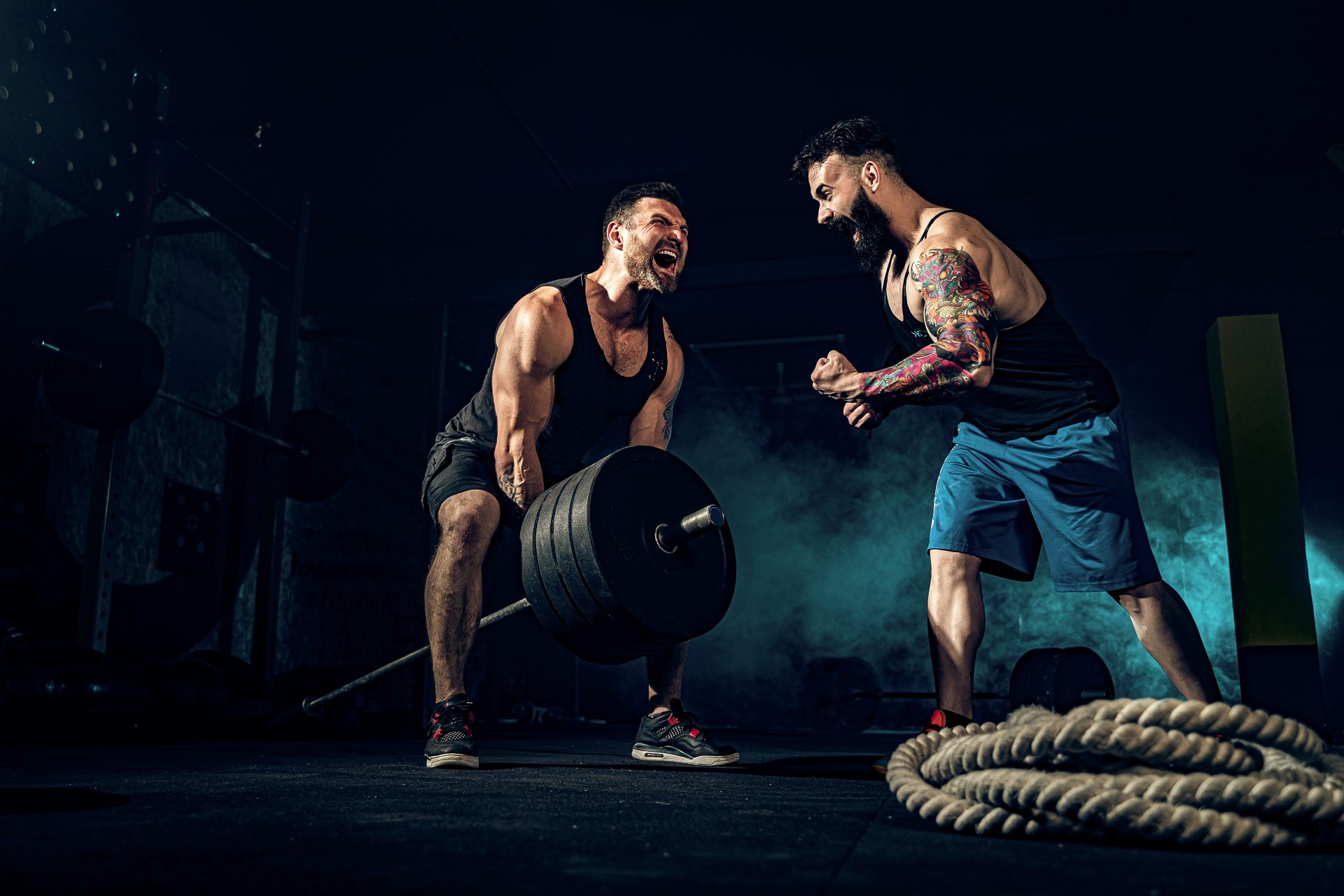
This may be why ammonia has been used as an energizing agent for centuries.

Although this technique isn’t an officially sanctioned form of doping, enough athletes have resorted to using ammonia inhalants for performance enhancement in big competitions so that regulations have been put in place to monitor its use, as well as to set guidelines governing who should use it and when.

Be Careful!

There are many different purported performance-enhancing substances that athletes and bodybuilders have used in the past to give them a competitive edge.

Unfortunately, most of these supplements are overhyped and targeted at people who may be looking for a quick fix through stimulants or revivers.

While it is understandable why some people might be drawn to such products, there is currently no scientific evidence that definitively shows they improve performance in sports in any way.

As always, athletes should use caution when determining what substances to put into their bodies and should never rely solely on unfounded claims about the purported benefits of supplementation.

According to a trusted source:

“The real danger is that the injudicious use of these agents as a substitute for a medical assessment may delay optimal treatment and, as such, should not be recommended.”

Here’s why that matters…

Try Healthier Habits

A holistic approach to physical fitness is the most effective way to work toward achieving one’s desired level of physical wellness.

Those shortcuts or crutches like pain relievers, steroids, and smelling salts provide a temporary “bandaid” solution without addressing underlying issues that could be addressed through comprehensive and gradual exercise regimens.

It’s important to remember that physical fitness is an ongoing journey – not a one-time destination.

Exercising regularly while also eating nutritious meals, getting adequate rest, and staying hydrated are key components in taking care of our bodies over the long-term.

Everyone’s fitness journey will look different depending on individual circumstances, but it’s safe to say that reaching for smelling salts should always be avoided under any circumstances due to their potential health risks.

Instead, opt for healthier alternatives like yoga or going for a jog to start building good habits today.

Potential Risks Involved with Using the Substance During Training

Despite their popularity among some powerlifters, there are potential risks associated with using smelling salts during training or competition.

For example, some articles have suggested that inhaling large amounts of ammonia gas can be harmful to the respiratory system and can lead to adverse health effects in some cases.
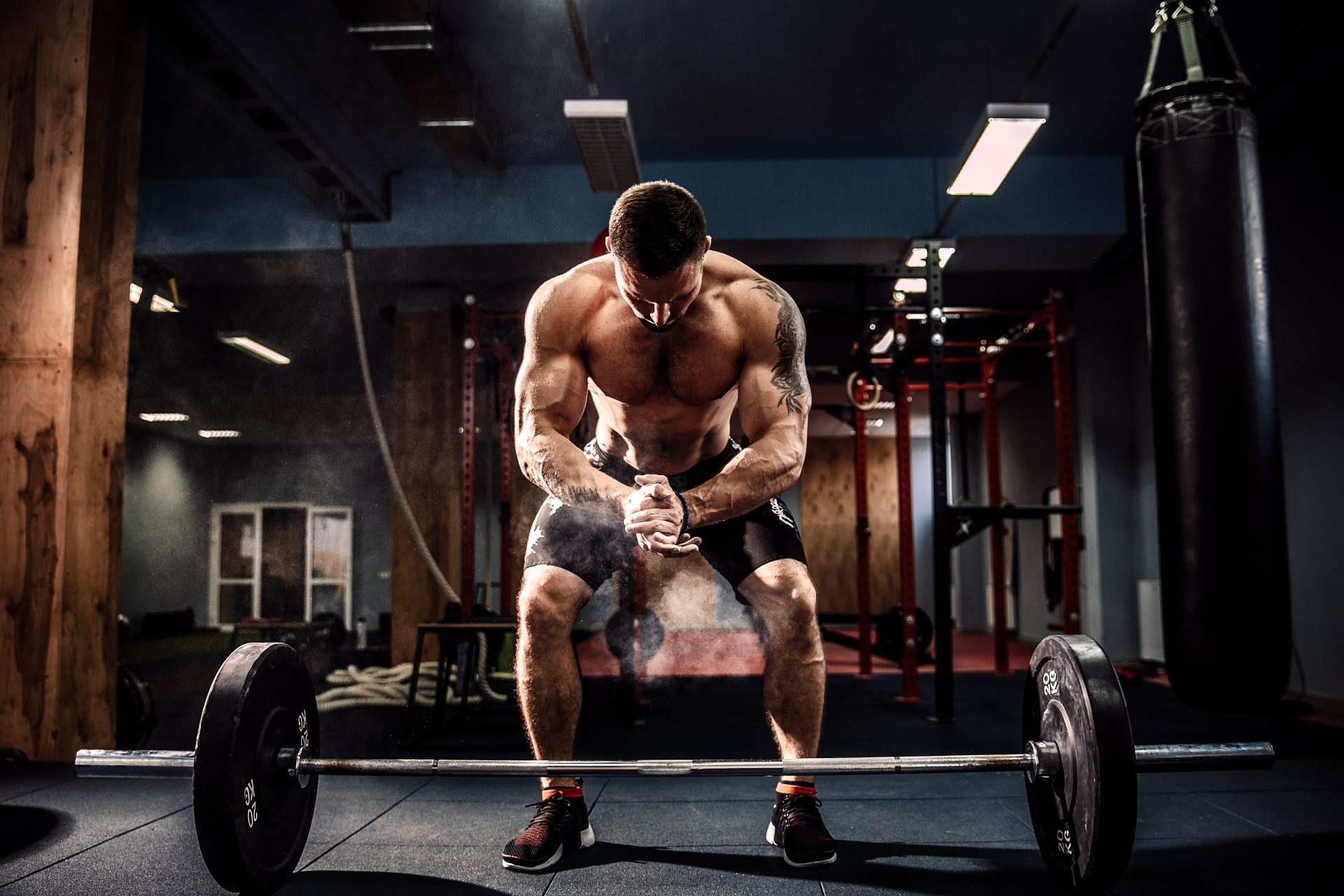
Using these products during exercise could potentially cause an increase in blood pressure and heart rate, which could be dangerous for some individuals.

It’s generally best to avoid using smelling salts during exercise, as they are not a safe or effective performance-enhancing substance.

If you are feeling faint or dizzy during exercise, it’s important to stop immediately and seek medical attention if necessary.

Additionally, it is not clear how much ammonia gas needs to be inhaled before it becomes dangerous, so this should definitely be taken into consideration when deciding whether or not to use smelling salts before engaging in any physical activity.

Conclusion

In conclusion, while feeling salt has been used historically by athletes as a stimulant prior to competing or training sessions, there is still very little scientific evidence regarding its effectiveness as well as potential risks involved with its use in physical activity like powerlifting.

Athletes must carefully consider their own physical capabilities and consult with their healthcare provider before deciding whether using smelling salt is right for them personally.

Ultimately, only you can make this decision based on your own particular situation and circumstances, so make sure you evaluate all factors involved first!

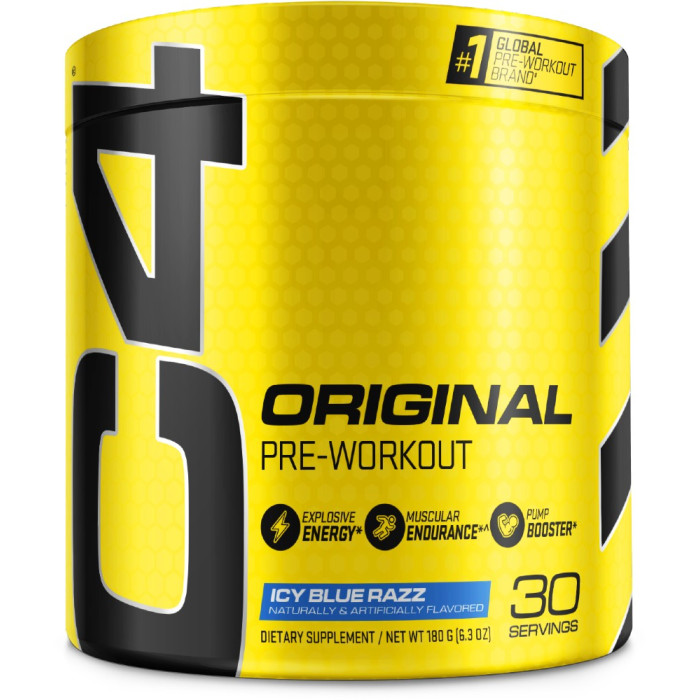
Can Pre Workout Kill You? Check the Truth!

0

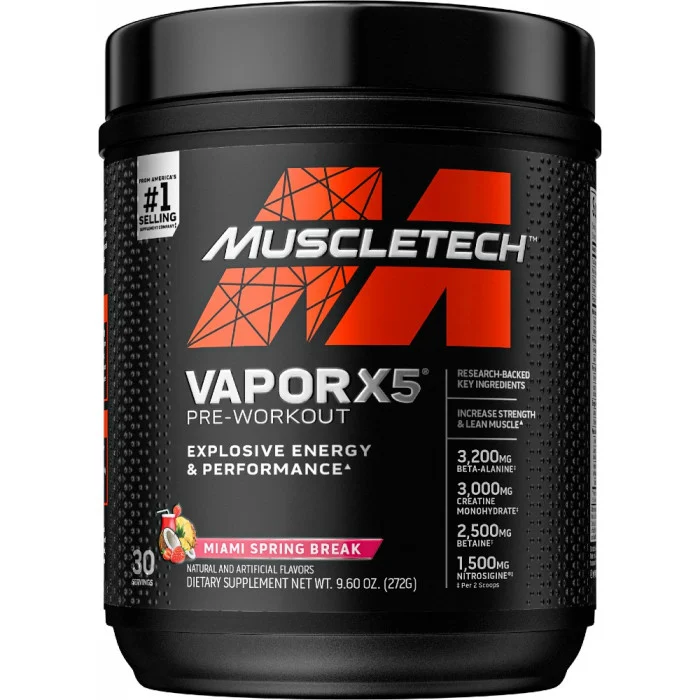
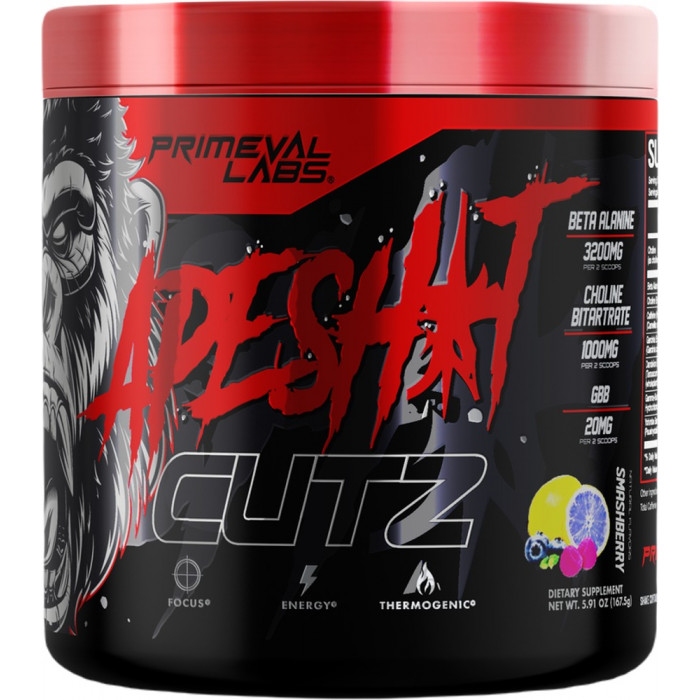
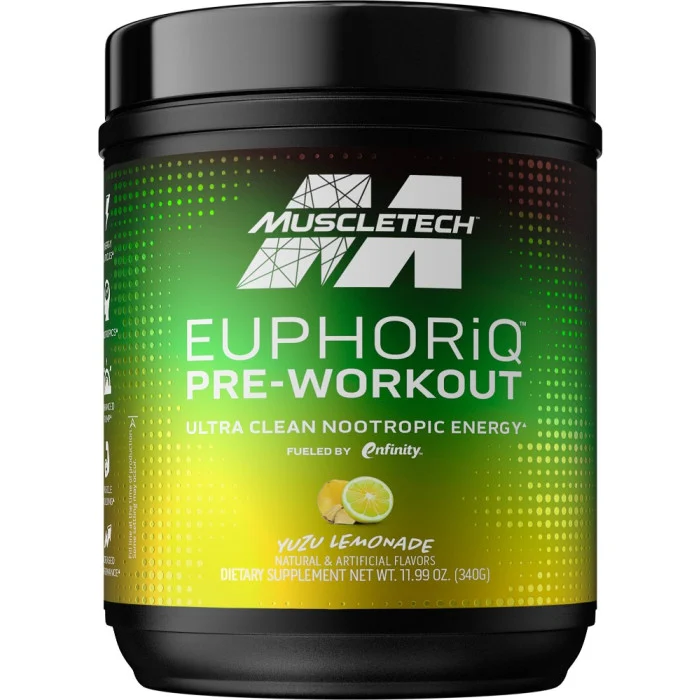
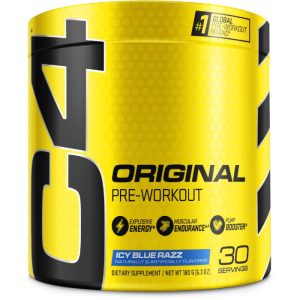
Pre-workout supplements have become increasingly popular among gym and fitness enthusiasts, but many people are unaware of the potential risks associated with taking them. It’s important to understand what pre-workouts are and how they work in order to use them safely and effectively. Let’s break down if can pre workout kill you.

Best Pre-Workout Supplements

What is a Pre-Workout?

Pre-workout supplements are incredibly popular among gym-goers looking to take their workouts to the next level, however there is some debate over whether they can be bad for you or even potentially deadly.

While it’s true that pre-workout supplements don’t always have the same effect on all people, it is important to do your research and select products that list out every ingredient clearly so that you understand exactly what you’re putting into your body (trusted source).

It’s also important to never exceed the recommended dosage as this could lead to health issues.

In general, taking pre-workout supplements in moderation can give the body extra motivation and energy when working out but it’s crucial to do this safely by consulting a doctor if needed and being aware of any potential side effects.

Can Pre Workout Kill You

How Does it Work?

Pre-workouts contain ingredients meant to boost energy and exercise performance, but if not consumed wisely one could experience an adverse reaction.

One such ingredient frequently found in pre-workouts is caffeine, which has been scientifically proven to increase focus and alertness.

However, the high levels of caffeine contained within these pre-workouts can lead to an overdose if combined with other caffeinated beverages or medications.

To prevent unwanted side effects it is best to read labels closely and moderate pre-workout consumption.

With mindful usage, pre-workouts can be a great way to achieve peak performance during a workout session.

Potential Risks of Pre-Workouts

Pre-workout supplements are designed to boost energy levels, promote fat loss, and enhance performance when taken prior to exercise.

They often contain ingredients such as:

  • caffeine
  • creatineB vitamins, amino acids, and other herbal extracts.

While these supplements can be beneficial for achieving peak performance during a workout, it’s important to follow recommended serving sizes and labels instructions in order to avoid potential risks associated with taking pre-workouts.

Here’s why that matters…

Common side effects that may occur due to pre-workouts include jitters, increased heart rate and digestive issues. Reading the ingredient labels is essential before taking them since some ingredients can interact with medications or cause an adverse reaction for those who may be sensitive or allergic to certain substances.

Additionally, overdose can occur when pre-workouts contain high levels of caffeine and are combined with other caffeinated beverages or medications.

This could lead to:

  • serious health problems
  • irregular heartbeat
  • increased blood pressure levels
  • insomnia
  • anxiety
  • panic attacks

Can Too Much Pre-Workout Kill You?

Too much of anything can kill you. So, yes, too much pre-workout can kill you.

It is important to always read the ingredient labels before consuming it.

Pre-workout supplements offer a range of potential benefits such as increased energy and improved focus, but too much can come with a wide range of unwanted side effects like jitters, increased heart rate and digestive issues (trusted source).

In order to ensure you are taking the supplement in appropriate amounts, make sure you re familiar with the ingredients and how your body reacts when taking.

Ultimately, pre-workout supplements may be tolerated differently by each individual, so always pay close attention to any negative symptoms that may arise from use.

Be Careful and Use Common Sense

Supplements can be a great way to give our bodies the essential additional nutrients they need.

However, because a lot of these gym supplements are not regulated by the FDA, it is important to follow directions and consider personal tolerances and sensitivities when taking them.

So what does this mean for you?

Knowing if you have any allergies to particular ingredients or how much of a particular supplement your body is able to handle is key in ensuring your safety and preventing potential harm from occurring.

Just like food, it is vital to pay attention to labels, instructions and serving size information when taking supplements. Doing so can help ensure that you get the most benefit from them without putting yourself in danger.

Conclusion

Currently, the trend is to use a large amount of pre-workout. On tiktok, you will find many videos where people use 5 or more times the amount.

Never EVER imitate these trends!

In short, it’s important to use pre-workout supplements safely by following recommended servings sizes as directed while being aware of personal tolerance and sensitivities in order to prevent any potential harm from occurring when taking them.

Ultimately, pre-workout supplements should be used as intended in order to maximize their benefits while minimizing any potential risks associated with taking them.

With this knowledge in mind you can make an informed decision about whether or not a pre-workout supplement is right for you! Thanks for reading!


Power Tower Workout Station – How to?

0

Are you looking for an intense workout that will help you take your fitness routine to the next level? Look no further than power tower workouts! Not only are they incredibly effective at building core strength, but they’re also fun and engaging, meaning that you’ll stay motivated and interested as you work out. 

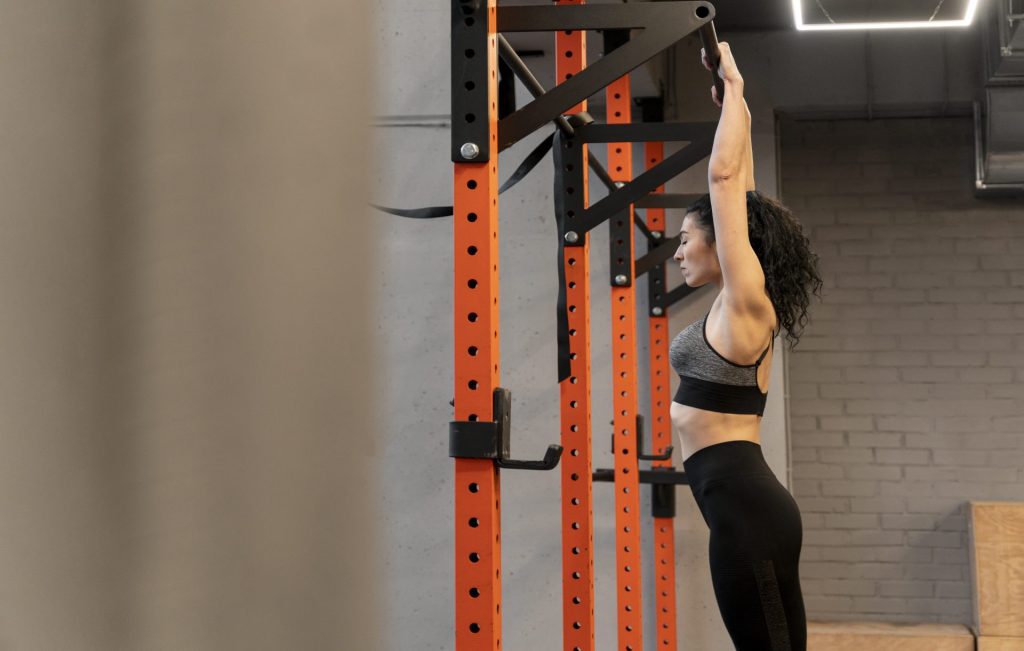
Power tower workouts involve using a special piece of equipment known as a power tower, which has adjustable arms, backrests, and pull-up bars. These pieces of equipment provide stability so that users can perform exercises like chin-ups, dips, leg raises, and push-ups safely and effectively. 

Not only do power towers build upper body strength and muscle definition in your arms, shoulders, chest, and back, but they also help tone your abdominal muscles and improve overall posture. 

Additionally, because of the customizable nature of these pieces of equipment, power tower workouts can be tailored to fit any fitness level or goal – from beginner to advanced. So if you’re looking for an exciting way to get into shape and challenge yourself physically – all it takes is a few minutes on the power tower for a powerful full-body experience! 

READ ON TO LEARN MORE ABOUT THIS TYPE OF TRAINING AND SOME OF THE BENEFITS IT CAN OFFER.

Benefits Of Power Tower Workouts 

Here are some of the benefits of doing regular power tower workouts: 

Power Tower Workout

Strengthens Core Muscles 

Regular use of a power tower helps strengthen your abdominal muscles, back muscles, and obliques which improves posture and stability.

Improves Cardiovascular Health 

Doing exercises such as pull-ups regularly can help improve your cardiovascular health by increasing your heart rate. This helps with overall health and wellness as well as weight management.

Increases Flexibility 

Using a power tower regularly helps increase flexibility in the shoulders, arms, legs, hips, and back as it stretches these areas during exercise.

Enhances Balance 

Power towers can also help improve balance by challenging your body in new ways. As you get stronger with each session, you will notice an improvement in how steady you are on your feet when performing various exercises.

Exercise Your Way To Strength And Endurance With A Power Tower Workout

Power Tower Workout

Pull-Ups: 

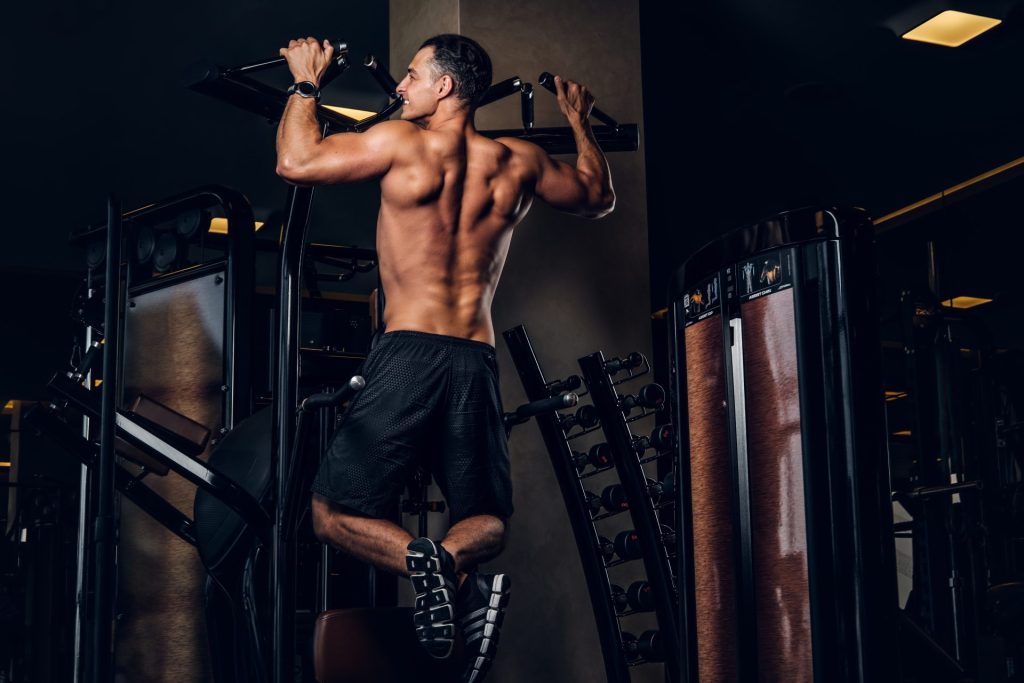
Pull-ups are one of the most popular power tower exercises because they target multiple muscle groups at once. Start by gripping the vertical bars in an underhand grip for more bicep activation. From there, pull yourself up until your chin is above the bar.

Lower yourself back down slowly and repeat for 3 sets of 8 – 10 reps. To make this exercise more challenging, try adding resistance bands or weight plates to increase the intensity of the movement.

Chin Ups: 

Chin-ups are another effective exercise for building upper body strength, but they can be tricky to master. Start by positioning yourself under the bar with your palms facing towards you. Make sure your arms are shoulder width apart, then pull yourself up until your chin is above the bar. Lower yourself back down slowly and repeat for 8-10 reps.

Dips: 

Dips are another great exercise for targeting your triceps muscles while also engaging other muscle groups such as your chest and shoulders. Start by gripping the handles on either side of the dip station on the power tower in an overhand grip.

Keep your elbows tucked close to your body while you lower yourself downwards until your upper arms are parallel to the floor. Push yourself back up with control until you reach the starting position again. Aim for 3 sets of 8 – 10 reps with a slow tempo for maximum benefit from this exercise!

Inverted Rows: 

Inverted rows require excellent core control and focus on strengthening your back muscles. Start by lying underneath the bar with your legs straight out in front of you, making sure your feet are flat on the ground.

Grab onto the bar with an overhand grip, keeping your arms shoulder width apart, and squeeze your shoulder blades together as you pull your chest up towards the bar. Lower yourself back down gradually and repeat 8-10 times.

Sit Ups: 

Sit-ups are one of the best abdominal exercises around, helping to build strong abs while also improving core stability and posture at the same time. Position yourself against the power tower so that it’s supporting your lower back and feet firmly against the floor or base of the power tower.

Cross your hands over your chest or place them behind your head (not pulling on it) and curl up towards the ceiling until you’re sitting upright with good posture. Return to starting position slowly and repeat 8-10 times.

Split Squats: 

Split squats are excellent for working for all major muscle groups in both legs while also helping with balance in one leg at a time – perfect for athletes looking to improve their agility! Stand facing away from the power tower with one foot placed firmly against it as if taking a step forward in midair; this is known as “split stance” positioning (think karate!).

Squat down slowly until both legs form 90-degree angles; hold this position before pushing off from ground level to return to starting position – remember to keep both legs straight throughout! Repeat 10 times on each side for maximum benefit.

Leg Raises: 

LEG RAISES ARE AN EFFECTIVE WAY TO STRENGTHEN YOUR CORE MUSCLES WITHOUT ANY ADDITIONAL WEIGHT OR EQUIPMENT NEEDED!

Place both hands slightly wider than shoulder width on either side of the dip station on the power tower and lift yourself so that only your head is resting against it (you should be in an inverted V position).

Make sure that your entire body is straight before raising both legs together off the ground while keeping them close together (as if you were doing a crunch). Lower back down again before repeating for 3 sets of 8 – 10 reps depending on how strong you feel each time!

Power Tower Workout

Tips For Beginners 

If you’re just getting started with using a power tower for workouts here are some tips to help ensure you get off to the best possible start:

  • Start slow – Don’t rush into it; take it easy at first so that you don’t strain yourself or cause any injuries. There is no need to rush; focus on perfecting each exercise before adding more sets or reps.
  • Increase intensity gradually – Once you feel comfortable with each exercise then start increasing the difficulty level by adding more sets or reps per session as well as changing up the routine every few weeks so that your body doesn’t become accustomed to one particular exercise.
  • Use the proper form – Make sure that when performing exercises on the power tower you use proper form at all times; this will help prevent injuries and maximize results from each session.
  • Listen to your body – If something feels wrong then stop immediately; don’t try pushing yourself too hard if something feels uncomfortable or painful as this could lead to injury or worse in extreme cases. Always listen closely to what your body is telling you!
  • Stretch before & after – Stretching before and after each session is important for avoiding injury and helping maintain flexibility; make sure that you take time out for stretching before starting any kind of physical activity including using a power tower for workouts!
 

Conclusion

Power towers are an incredibly effective way to strengthen and tone your body. With regular use, they can help you reach your fitness goals and improve your overall health. Not only do power towers provide a great strength workout, but they can also be used for stretching, yoga poses, and other exercises that target specific muscle groups. Plus, they’re perfect for those who may not have access to a gym or if you’re looking for an alternative to lifting weights.

WHAT’S MORE IS THAT SINCE THERE ARE NO WEIGHTS INVOLVED WITH A POWER TOWER, IT’S EASY TO ADJUST THE INTENSITY OF YOUR WORKOUTS DEPENDING ON HOW CHALLENGING YOU WANT THEM TO BE.

And perhaps most importantly, these pieces of equipment can help you stay motivated by providing variety in your routine so that you don’t get bored or stuck in a rut. Whether you’re looking to build muscle or just get some exercise in general, adding a power tower workout into your regimen is worth considering.

Sylvester Stallone Workout Routine: Get His Legendary Physique!

0

“Life is more than sunglasses and hit movies. Reality – that’s the main event.” This quote by Sylvester Stallone shows that he’s not just a movie icon but also a living legend. The Italian Stallion is known for his iconic roles as Rocky Balboa and John Rambo, but he’s also famous for his chiseled physique. For years, people have been wondering about his workout routine, diet, and lifestyle.

Stallone has always prioritized staying fit and healthy, even at the age of 75. He’s a fitness icon who has inspired many with his physique and dedication to working out. If you’re a fan of Stallone and want to get in shape like him, then here’s a detailed guide to his workout routine.

Workouts like his require hard work, discipline, and consistency. So if you’re ready to push yourself to the limit and achieve an impressive physique like the Rocky star, then keep reading to learn more about Sylvester Stallone’s workout routine.

Current Stats

Stallone stands at 5’9” and weighs 185 lbs. He trains six days a week and focuses on forearms, traps, and shoulders. He follows a full-body approach with strenuous exercises like deadlifts and squats, with minimal rest between the sets.

sylvester stallone workout routine

Workout Principles

Stallone follows the maximum effort method while training. The principle involves pushing oneself to the limit to lose fat and build muscle. Stallone’s workout regimen has a full-body approach and incorporates eight to twelve exercises.

Sylvester Stallone’s Workout Routine And Diet Plan

It’s worth noting that Stallone is addicted to exercising and would train regardless of his busy filming schedule, even in the evenings. He has often talked about his love for working out and how important it is for his well-being.

Stallone still boxes and makes cardio a part of his high-intensity training routine. His workouts often vary with each movie, with each installment pushing him to new limits.

Stallone focuses on working out different parts of his body in the morning and afternoon, with eight to twelve exercises in each session. He generally incorporates 8-10 reps for strength building and 10-12 reps for hypertrophy. According to him:

Now I focus on a variety of exercises, working out three times a week for 90 minutes per session. I really feel good. much stronger than I’ve ever felt, actually. something is working.”

Monday, Wednesday, and Friday Mornings: Chest, Back, and Abs Workout

This workout routine includes eight different exercises. Here’s the routine:

  • Flat Bench Press (4 sets, 8-10 reps)
  • Incline Bench Press (4 sets, 10-12 reps)
  • Barbell Rows (4 sets, 8-10 reps)
  • Deadlifts (3 sets, 8-10 reps)
  • Bent-over One-arm Lateral Raises (4 sets, 8-10 reps)
  • Close-grip Seated Rows (4 sets, 10-12 reps)
  • Seated Extension (3 sets, 8-10 reps)
  • Crunches (3 sets, 10-12 reps)

Monday, Wednesday, And Friday Afternoon: Shoulders, Arms, And Abs Workout

On Monday, Wednesday, and Friday afternoons, Stallone performs shoulder, arm, and abs routines.

This workout involves twelve exercises but for a total of four sets each. Here’s the routine:

  • Military Press (4 sets, 8-10 reps)
  • Lateral Raises (4 sets, 10-12 reps)
  • Front Raises (4 sets, 8-10 reps)
  • Bent-over Dumbbell Flyes (5 sets, 6-8 reps)
  • Dumbbell Curl (4 sets, 10-12 reps)
  • Seated Incline-dumbbell-curls (3 sets, 8-10 reps)
  • Tricep Pushdowns (4 sets, 10-12 reps)
  • Cable Tricep Extensions (3 sets, 8-10 reps)
  • Bent-over One-arm Lateral Raises (3 sets, 8-10 reps)
  • Reverse Crunches (3 sets, 10-12 reps)
  • Oblique Crunches (3 sets, 6-8 reps)
  • Lying Leg Raises (3 sets, 10-12 reps)

Tuesday, Thursday, And Saturday Morning: Calves And Thighs Workout

On Tuesday, Thursday, and Saturday, Stallone performs a calves and thighs routine with nine exercises. Here’s the routine:

  • Standing Barbell Squats (5 sets, 6-8 reps)
  • Leg Press (4 sets, 8-10 reps)
  • Leg Extension (3 sets, 10-12 reps)
  • Stiff Leg Deadlift (4 sets, 10-12 reps)
  • Lying Leg Curls (3 sets, 10-12 reps)
  • Standing Barbell Alternate Calf-raises (5 sets, 8-12 reps)
  • Seated Calf-raises (4 sets, 10-12 reps)
  • Donkey Calf-raises (3 sets, 10-12 reps)
  • Leg Raises (3 sets, 10-12 reps)

1,000 Rep Circuit:

Stallone is known for his 1,000-rep circuit. Here’s how it works:

you do 10 sets of different exercises for 100 reps each. Set up to seven and consist of high-intensity exercises like kettlebell swings, chin-ups, push-ups, bodyweight squats, and Bulgarian split squats.

The last three sets are made up of ab work (typically sit-ups) and donkey kicks.

sylvester stallone workout routine

Sylvester Stallone Workout Routine For Expendables

Sylvester Stallone’s Expendables Workout is a 90-minute routine done three times a week with celebrity trainer Gunnar Peterson. The workout primarily focuses on arms, shoulders, and abs.

Here is how it goes:

Stallone Expendables Biceps Workout

The routine consists of five exercises, done in the following order:

  • Seated Dumbbell Curls: 3 sets x 10-12 reps
  • Hammer Curls: 3 sets x 10-12 reps
  • Preacher Curls: 3 sets x 10-12 reps
  • Concentration Curls: 3 sets x 10-12 reps
  • Cable Curls: 3 sets x 10-12 reps

Stallone’s recommended weight for bicep curls is 25-30 pounds, with a focus on maintaining good form and a controlled motion.

Expendables Triceps Workout

Stallone’s triceps workout is done as a circuit, starting with narrow pushups followed by kickbacks, overhead extensions, and body dips. The circuit is repeated three times, with no rest in between.

The triceps routine consists of:

  • Close-Grip Pushups: 12 reps
  • Tricep Kickbacks: 12 reps
  • Overhead Tricep Extension: 12 reps
  • Body Dips: 12 reps

Expendables Shoulder Workout

The Stallone Expendables Shoulder Workout includes the famous Arnold Press. The routine begins with seated military presses, followed by Arnold presses, lateral raises, and reverse flies.

The shoulder workout consists of:

  • Seated Military Press: 3 sets x 10-12 reps
  • Arnold Press: 3 sets x 10-12 reps
  • Lateral Raises: 3 sets x 10-12 reps
  • Reverse Flies: 3 sets x 10-12 reps

Expendables Abs Workout

Stallone finishes his workout routine with 10 sets of 10 Decline Bench Crunches with a Twist and 5 sets of 20 Hanging Leg Raises for his abs.

He also advises hanging leg raises to focus on rolling the stomach up with locked knees. The routine consists of the following five exercises, done for 3 sets with 20 repetitions each:

  • Basic Crunches
  • Reverse Crunches
  • Toe Touches
  • Seated Russian Twists
  • Broomstick Twists

Stallone advised beginners to increase reps based on fitness levels but also warns about the likelihood of soreness.

Sylvester Stallone’s Diet

Stallone follows a nutrition plan similar to that of a bodybuilder with high protein and carbohydrate intake and moderate to low levels of fat. His recommended macros are 40% protein, 40% carbs, and 15-20% fats.

The recommended calorie intake targets are 2,500 for men and 2,000 for women, with an additional 15% for muscle hypertrophy. A free macronutrient calculator can determine an ideal calorie/macro split based on training frequency. Stallone used calorie restriction to improve his physique and mood, dropping to 1,100 calories over 3 days. He loaded up on starchy foods for action scenes, but this is not recommended.

Here’s his typical diet chart:

Meal 1:

  • 1 cup of oatmeal
  • 3 egg whites
  • 1 slice of whole-grain bread
  • 1 cup of berries
  • 1 cup of black coffee

Meal 2:

  • Grilled chicken breast
  • 1 cup of brown rice
  • 1 cup of steamed vegetables
  • 1 broccoli floret

Meal 3:

  • Grilled fish
  • Baked sweet potato
  • 1 salad bowl with mixed greens
  • 1 tablespoon of olive oil

Meal 4:

Supplements

Stallone includes supplements to complement his diet. Some of the supplements he takes are:

Frequently Asked Questions:

What Was Sylvester Stallone Workout Routine For Rambo?

For the Rambo films, Stallone had a similar routine to his Rocky workouts. He had low-calorie intakes and an intense training schedule, involving resistance training, cardio, and boxing.

sylvester stallone workout routine

Does Sylvester Stallone Do Cardio?

Yes, Stallone still includes cardio in his workouts. He even boxes regularly, which is a great form of cardio.

How Did Sylvester Stallone Train For Rocky?

Stallone trained under the guidance of Franco Columbu since 1977. His workouts varied for each Rocky movie, with each installment pushing him to new limits.

The routine included running, sparring, resistance training, ab circuit, and swimming.

sylvester stallone workout routine

Summing Up

Sylvester Stallone’s workout routine is a testament to the importance of hard work and dedication when it comes to achieving a legendary physique. His intense training regimen, combined with a strict diet and strong mental focus, allowed him to transform his body and become an icon in the fitness world.

While not everyone may aspire to achieve the same level of physical fitness as Stallone, incorporating some aspects of his training routine into your own workout can help you to achieve your own personal fitness goals.

Remember to always prioritize your health and safety, and to consult with a professional before making any significant changes to your workout routine or diet.

Arnold Pose – How To? (COMPLETE GUIDE)

0

Arnold Schwarzenegger is an Austrian-born politician, film actor, and athlete who gain immersive fame through playing an awe-inspiring role in numerous successful action movies. Later, he served as the governor of California. He was known as Styrian Oak or Austrian Oak when he entered the bodybuilding world as he outshined the competition.

He made bodybuilding the primary goal of several of his books, including the autobiographical writing of Arnold: The Education of Bodybuilder and The New Encyclopedia of Bodybuilding.

Please read the article and get to know how Arnold maintained his fitness. Moreover, get the answer of Arnold Pose-How to?


Arnold’s Recent Fitness Stats and Lifestyle:

  • Arnold age: 75 years
  • Birth of date: July 30, 1947
  • Weight: 102-106 kg
  • Height: 6’2″
  • Waist: 30″
  • Chest: 57″
  • Arms: 22 inches
  • Squat470 pounds

In 1967, he won his first Mr. Universe title. After moving to California in 1968, he trained for more significant competitions in the United States and won three other Mr. Universe titles in a row. From 1970-1975, he won six Mr. Olympia in a row.

In bodybuilding, he took another return in 1980 and won the title of Mr. Olympia.

In 1970, he decided to follow his dream career of acting. In 1983, he got citizenship in the U.S. He married a reporter Maria Shriver in 1986.

During the 1990s, he became more operative with the activities of the Republican Party at both national and state levels. As a result, he was selected as the governor of California in 2003.

Due to the financial budget deficit, it becomes difficult for him to stay in politics. In May 2011, he and his wife announced their separation.

After a few days, the news came that he had fathered a child with his household staff.

How To do Arnold ¾ Back Pose? 

Arnold Schwarzenegger’s pose is well-recognized in the field of athletes and bodybuilding.

He worked out hard to maintain his fitness, for which he was well-known. He inspires many bodybuilders, as people today look up to him when they need fitness inspiration.

One of his back poses, known as Arnold ¾ back poses, is usual among all bodybuilders in the fitness industry. Fitness trainers are highly attracted to this back pose and train themselves for this.

If you are looking for how to do the Arnold pose, you dont need to go anywhere else because you are at the right place.

  1. Get your front leg back and back leg forward.
  2. Then tilt your torso at the 45-degree angle from where you get to know the position of your hips that they are shooting out.
  3. From there, get your right or back arm as high as possible.
  4. Then, do the bicep pose with your front arm while tilting your torso to the side.

What is Arnold Split?

One of the reasons he won seven Mr. Olympia titles was the Arnold Splits, making him so popular in the fitness and bodybuilding poses industry.

The Arnold Split is a six-day workout training that makes your back, shoulders, arms, and legs tamed twice weekly.

It is a muscle-building program designed to assist you in increasing the mass of your muscles and improving your overall physique.

For Arnold Splits, it is too much to work out every day. Thus, taking an every-third day off is good. The schedule for this workout would look like this:

Week One

  • Monday – Chest, and back
  • Tuesday – Shoulders and arms
  • Wednesday – Legs and lower back
  • Thursday – Rest
  • Friday – Chest, and back
  • Saturday – Shoulders and arms
  • Sunday – Legs and lower back

Week Two

  • Monday – Rest
  • Tuesday – Chest, and back
  • Wednesday – Shoulders and arms
  • Thursday – Legs and lower back
  • Friday – Rest
  • Saturday – Chest, and back
  • Sunday – Shoulders and arms

Week Three

  • Monday – Legs and lower back
  • and so on

Arnold’s Vacuum Pose: 

The Arnold vacuum pose is significant to tame the body’s curves to tighten the waist and strengthen the body to attain the V-taper look.

Anyone can have this workout schedule looking to tighten the waist, making the back more empowering. Vacuum pose workouts are more linked with the Golden Era exercises and deep roots connected with yoga.

These vacuum poses emphasize the transverse abdominis, lying under the rectus abdominis and oblique.

These muscles are within the midsections that tame the six-pack muscles that everyone desire to have. The transverse abdominis is the natural belt or band within your midsection that supports the lower body and internal organs.

Arnold’s Workout Summary: 

Arnold plans the workout schedule and follows it to maintain their fitness. It makes him more motivated and energetic to follow the already-decided plan.

You can also have an idea to schedule the plan according to your fitness goals. The summary of Arnold’s workout routine is as follows:

  • Primary Goal: Muscle Buildup
  • Workout Type: Split
  • Level of Training: Advanced
  • Workout Time: 60-75 minutes
  • Equipment Required: Dumbbells, Bodyweight, Cables, and Barbells.
  • Recommended Supplements: Protein Powder, Creatine, Mass Gainer, and Multivitamins.

Arnold’s Eating Plan:

Arnold maintains his hardcore training session with plenty of healthy food intake. His primary focus was consuming healthy and nutritious food to keep up his energy for strenuous workouts.

Following is the eating plan that Arnold follows to get the energy to do laborious and challenging exercises:

  • Frequent Feeding: 5-6 meals per day, including 3 whole food meals and 2-3 whole snack meals.
  • Calories Uptake: Up to 5,000 calories per day
  • Protein Intake: More than 300 grams of protein in a single day.
  • Post-workout Carbs Intake: Intake of carbs within 30 minutes after the exercise.
  • Protein Shakes: use if you feel the need in the daily eating routine.

Final Thoughts: 

To summarize, Arnold Schwarzenegger‘s back pose gained immense popularity in the fitness and bodybuilding industry. His fitness training tamed him to a great extent.

He won the title of Mr. Olympia seven times and lived a wonderful, inspiring actor life as an American politician.

His unique lifestyle made him a successful athlete and a motivation for the upcoming athlete.

Follow Arnold’s training tips to make your muscles detailed, building up the body mass.

How to Get a Bear Body Type? Unleash Your Inner Beast

0

Despite its name, the bear body type is not just for bears. People of any size or shape can have a bear body type, a popular look that many aspire to. But what exactly is a bear body type? 

Well, it’s characterized by wider shoulders and hips and an even waistline. This means that while there may be some variation in overall weight, the distribution of fat and muscle is key to having this physique. Many people focus on specific exercises like weightlifting and cardio that target the back and shoulders and certain core muscles to achieve a bear body type. 

Proper nutrition plays a role in helping build muscle and burn fat. With dedication and hard work, anyone can achieve the classic bear body type – so if you’re ready to take on the challenge, let’s get started!

What Is Bear Body Type?

The term “bear body type” refers to a stocky, muscular physicality that incorporates the best of male masculinity. While it may not be as slim and sculpted as the stereotypical bodybuilder physique, it is often seen as more attractive because of its emphasis on masculine qualities and natural musculature.

Those with this body type are very strong and have back, chest, and arm muscles that generally create a full image when clothed.

In addition to a bulky stature, some other features associated with bear body types are full legs, large hands, and feet, small waists compared to broad shoulders, round stomachs, heavy jowls, dense head hair, thick chest hair, facial hair such as goatees or full beards; all of which come together to create an unmistakably masculine presence.

Get The Chiseled Look With These Exercises For A Classic Bear Body Type 

Bear Body Type

Cardio Workouts 

Cardio workouts are great for burning fat and building endurance, both of which will be beneficial as you work towards achieving the classic bear body type.

POPULAR CARDIO WORKOUTS INCLUDE RUNNING, CYCLING, SWIMMING, AND BOXING.

The key is to find something that interests you and then stick with it; consistency is key when seeing results from your workouts.   

Strength Training 

Strength training helps build muscle mass, which will be especially important if you want the wide upper body look of the classic bear body type.

FOR BEST RESULTS, FOCUS ON EXERCISES SUCH AS SQUATS, BENCH PRESSES, PULL-UPS/CHIN-UPS, ROWS, AND PRESSES.

Aim for three sets of 10 reps each time, and make sure to increase the weight gradually over time to challenge your muscles and push them beyond their comfort zone.      

Weightlifting 

Weightlifting is an excellent way to build lean muscle mass while increasing strength and endurance.

POPULAR WEIGHTLIFTING EXERCISES INCLUDE DEADLIFTS, LUNGES, SHOULDER PRESSES, BARBELL CURLS, AND DIPS.

Aim for three sets of 8-12 reps per exercise to maximize results. You can also add HIIT (high-intensity interval training) to burn fat quickly while building muscle mass at an accelerated rate. 

High-Intensity Interval Training 

High-intensity interval training (HIIT) is an excellent method to burn fat quickly while increasing cardiovascular endurance.

HIIT involves alternating between short intervals of high-intensity exercise followed by low-intensity recovery periods. This workout is great for burning calories and fat while preserving your hard-earned muscle mass.

For the bear body type, aim for 30 minutes of HIIT 3 times per week with 1-minute bursts of intense exercise followed by 1 minute of low-intensity activity between sets. 

Exercises For Back & Shoulders 

The first step in achieving the bear body type is to focus on building your back and shoulders. These two muscle groups are essential for creating that desired “V” shape. Here are some of the best exercises that target these areas: 

  • Pull-Ups – Pull-ups are great for building your upper back. Try doing 8-12 reps with a weight vest or resistance bands if you can access them. 
  • Deadlifts – Deadlifts work your upper and lower back muscles, glutes, and hamstrings. Aim for three sets of 10 reps with heavy weights.  
  • Shrugs – Shrugs help build up your trapezius muscles (aka traps) at the top of your shoulder blades. Do sets of 15 reps using heavier weights than usual to target these muscles.  
  • Military Presses – Military presses help build up your deltoid (aka shoulder) muscles, giving the appearance of broader shoulders when developed properly. Try doing three sets of 10 reps with heavy weights for maximum effect.

Exercises For Arms 

After you have built up your back and shoulders, it’s time to target your arms—specifically, your biceps and triceps muscles—for that classic “bear hug” look! Here are some exercises that will do just that:  

  • Bicep Curls – Bicep curls help develop those bulging biceps! Aim for three sets of 10 reps using moderate weights to target this muscle group effectively.
  • Tricep Pushdowns – Tricep pushdowns are great for developing those horseshoe triceps at the back of your arm! Do three sets of 10 reps using moderate weights for maximum effect here too!    
  • Dips – Dips are great all-rounders; they hit your triceps and chest muscles in one go! Aim for three sets of 20 reps with extra weight if you can manage it!   
  • Chin-Ups – Chin-ups are great finishers since they simultaneously hit both biceps and upper back muscles! Try doing 4 sets of 12 reps with a weight vest or resistance band if available!

Bear Body Type

Nutrition Basics For Bear Body Types 

A healthy diet is also important when aiming for a bear body type- having adequate amounts of protein will help build muscle while limiting saturated fats will help reduce unwanted fat deposits around the midsection.

Try adding an extra 300-500 calories per day to your diet. When choosing what foods to consume, focus on nutrient-dense foods such as eggs, oats, beans, fish, fruits, vegetables, and nuts. Protein should be prioritized over carbohydrates or fat since it can help increase muscle hypertrophy (growth). As with any diet change, monitor your progress closely and adjust accordingly if needed.  

Avoiding processed foods or high-sugar snacks is highly recommended- instead, opt for whole grains like brown rice or quinoa, which are rich in fiber and other nutrients essential for building muscle mass. Lastly, remember to stay hydrated- make sure you drink at least 8 glasses of water daily! 

Rest & Recovery  

Finally, don’t forget about rest days! Resting after workouts allows your body time to recover from intense sessions, which helps ensure that you don’t overwork yourself or injure yourself during training sessions- not getting enough rest can lead to fatigue which can negatively impact performance during workouts as well as increase risk of injury due to decreased coordination or strength levels.

So take one day off each week where you rest completely from training – this will help ensure that all your hard work pays off!  

Conclusion

A bear body type is becoming increasingly popular, and many people are now embracing the curvy silhouette that it brings. Whether you’re a fan of this body type or not, there’s no denying it’s here to stay.

By understanding and embracing the features of a bear body type, you can create an amazing look for yourself. As long as you focus on staying healthy by eating nutritious foods and exercising regularly, you can become even more confident with your shape. 

Phil Daru: A Quick Look into His Life and Career

0

Phil Daru is a well-known strength and conditioning coach who has worked with some of the world’s top athletes in mixed martial arts, boxing, and other sports. He has a reputation for producing strong and resilient fighters, and his methods are often sought after by athletes seeking to improve their performance.


Early Life

phil daru

Phil Daru was born in Philadelphia, Pennsylvania, where he grew up playing football and other sports.

He was interested in fitness from an early age, and he began weight training when he was just 13 years old.

As a teenager, Daru also became interested in mixed martial arts, and he began training in Brazilian Jiu-Jitsu, Muay Thai, and wrestling (trusted source).

Career

After college, Daru began working as a personal trainer, helping people achieve their fitness goals. He also continued to train in mixed martial arts and eventually began competing professionally.

In 2009, he won the Battle of the Beach tournament in Florida, and in 2012 he fought in the Bellator Fighting Championships.

Daru’s interest in strength and conditioning led him to pursue a career in that field.

He began working as a strength coach at American Top Team, one of the world’s top MMA gyms, and he quickly made a name for himself as an expert in the field.

He has since worked with some of the world’s top athletes, including Joanna Jedrzejczyk, Dustin Poirier, and Junior Dos Santos.

Training Philosophy

Daru’s training philosophy is focused on developing functional strength and conditioning, with an emphasis on improving movement patterns and joint mobility.

He believes that proper movement mechanics are essential for injury prevention and optimal performance.

His training programs are designed to be specific to each athlete’s needs and goals, with an emphasis on developing strength, power, speed, and endurance.

Daru is also a proponent of using data and technology to inform training decisions. He uses tools like heart rate variability monitoring and force plates to track athlete progress and adjust training programs as needed.

Conclusion

Phil Daru is a highly respected strength and conditioning coach with a proven track record of producing top athletes in mixed martial arts and other sports.

His training philosophy is focused on developing functional strength and conditioning, with an emphasis on improving movement patterns and joint mobility.

If you’re an athlete looking to improve your performance, or just someone interested in fitness, Phil Daru is definitely someone worth knowing about.


CBG and CBD Together: The Benefits of Using These Cannabinoids in Tandem

0

Cannabidiol (CBD) and Cannabigerol (CBG) are two of the most studied cannabinoids found in hemp plants. Over the past few years, research has been uncovering new potential health benefits associated with these compounds. Let’s take a look at what we know so far about these powerful cannabinoids, their potential benefits, and how they work together synergistically.

Best CBD goods

What are CBD and CBG?

CBD is one of the many naturally occurring compounds present in cannabis plants. It’s extracted from hemp plants, which contain very low levels of THC, so it doesn’t produce any kind of psychotropic effects or high feeling.

cbd flowerCBG is also a naturally occurring compound found in cannabis plants, though it makes up a much smaller percentage than CBD does.
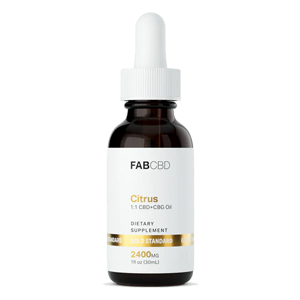

Both molecules interact with our bodies’ endocannabinoid system in slightly different ways to produce various therapeutic effects.

Potential Benefits of CBD

Research has uncovered that CBD may have several potential beneficial effects on overall health.

Some studies suggest that it can help manage anxiety, pain, inflammation, and more.

There’s still much more research needed to fully understand how CBD works in our bodies and if it can be used to treat specific medical conditions. However, there are dozens of anecdotal stories that suggest it could offer relief for certain symptoms .

Potential Benefits of CBG

CBG is gaining popularity as an alternative to CBD because some people believe its effects are even more powerful than those of CBD.

While research on CBG is still in its early stages, some studies suggest that this cannabinoid may be able to help with a range of issues such as insomnia, headaches, nausea, digestive problems, inflammation and more.


As always with any supplement or medication you take for your own health needs—it’s best to talk to your doctor first before trying something new!

The Entourage Effect

When discussing the potential benefits of cannabinoids like CBD and CBG, it’s important to note that both compounds work together synergistically meaning they have an amplified effect when used together compared to taking them separately. This phenomenon is known as the entourage effect.

Where different cannabinoids combine forces to create a desired outcome or benefit greater than what each would produce alone.

Evidence for the Entourage Effect

There have been several studies conducted on animals suggesting that certain combinations of cannabinoids may be able to offer greater relief from certain conditions than just one compound alone.

More research is needed before we can fully understand how this works in humans too!

In addition to anecdotal evidence from users who swear by taking both compounds together for therapeutic purposes, this suggests there could be something special about combining these compounds for greater benefit!

Quality Control When Purchasing Products

It’s important when purchasing products containing both CBD and CBG (or any other cannabinoid) that you make sure you’re getting quality products from reputable sources; not all products are created equal!cbd oil review

Be sure to look for third-party testing results on each product page so you know exactly what you’re getting before you buy and this will ensure you get the most out of your purchase!

FAQs

What is CBD and CBG?

CBD, or cannabidiol, and CBG, or cannabigerol, are both cannabinoids found in the cannabis plant.

They are believed to have potential health benefits and are often used for wellness purposes.

How do CBD and CBG work together?

CBD and CBG are thought to work synergistically, meaning that they may enhance each other’s effects when used together.

This is known as the “entourage effect.”

What are the potential benefits of using CBD and CBG together?

Some of the potential benefits of using CBD and CBG together include reducing inflammation, improving sleep, and reducing anxiety.

However, it is important to note that research on the effects of CBD and CBG together is still in the early stages, and more research is needed to fully understand their potential benefits.

How do I choose a quality CBD and CBG product?

When choosing a CBD and CBG product, it is important to look for a product that is made from high-quality, organically grown cannabis plants and that has been third-party tested for purity and potency.

It is also a good idea to choose a product from a reputable company with a track record of producing high-quality CBD products.


Is it safe to use CBD and CBG together?

As with any supplement, it is important to consult with a healthcare professional before using CBD and CBG together, especially if you are taking any other medications or supplements.

They can help determine the appropriate dosage and frequency for your individual needs and any potential interactions with other medications or supplements you may be taking.

cbd and cbg

Final Conclusion

In conclusion, full spectrum CBG oil is a promising new cannabinoid that may offer a range of potential health benefits. It is similar to CBD oil in many ways, but also has unique properties that make it distinct.

While research on CBG is still in the early stages, early studies suggest that it may have anti-inflammatory, antioxidant, and neuroprotective effects.

If you’re interested in incorporating CBG into your healthy routine, it’s important to speak with a healthcare professional and conduct your own research to determine if it is a suitable option for you.

Overall, full spectrum CBG oil is worth considering as a natural supplement for a variety of health concerns, and may be worth trying as part of a holistic wellness routine.

With continued research into these two powerful cannabinoids – who knows what other amazing discoveries may come up in the future?

Until then – stay tuned!


Longest Football Throw

0

The skill of most American Football quarterbacks is to throw the ball from a long distance with precise accuracy. Many throws during the game are of short length. However, many players have records for throws from long distances. Some players are known for having a 70-yard ball throw in between the game.

There are competitions for having the longest throw, including the NFL QB challenge, which has been known for many years. The long-distance throw is one of the four segments of the competition. The other three are speed, accuracy, mobility, and read and recognition tests. Each player is given two tries, considering the most accurate and a better shot for the results.

If you are interested to learn about the longest football throw, you are at the right place. So, let’s get into the article!


Quarterback Challenge Records: 

Brief detail about the Quarterback challenge held every year, along with the participants’ closed positions, and is mentioned below.

1. 1993 Quarterback Challenge: 

For the challenge held in 1993, Randall Cunningham won the position for throwing the football from the longest distance.

His throw was 76 yards, setting his record in history. This throw by Randall Cunningham is recorded to be the longest throw ever made in the history of the NFL Quarterback Challenge.

However, there is no video evidence for the record. The spectators of the competition witness the throw and claim it to be the longest throw made ever.

Cunningham was known to have the most muscular arms. In 1985, he threw the ball measured to be 30,000 yards with 207 touchdowns in his career of 16 years.

2. Quarterback challenge, 1996:

The most awaited seventh annual FootAction NFL quarterback challenge was arranged on the location of the Palm Golf Course driving range at the Walt Disney World Resort. Numerous participants were there to give their best to set records.

They include Jim Harbaugh, Brett Favre, Steve Young, Drew Bledsoe, Kerry Collins, Jeff Hostetler, Rick Mirer, Dave Brown, Scott Mitchell, Jeff Blake, and more. However, the results have yet to be known for the challenges.

3. 1997 Quarterback Challenge: 

Quarterball Challenge, 1997 was held at the Walt Disney World Sports Complex, Orlando, Florida.

The event’s participants include Brett Favre, Troy Aikman (Cowboys), Jim Harbaugh, Steve Young, Vinny Testaverde, Kerry Collins, Jeff Blake, Neil O’Donnell, Gus Frerotte, and Jeff George. The results of the competition are as follow:

  • Brett Favre throws the football from a distance of 75 yards.
  • Drew Bledsoe has thrown 74 yards.
  • Jeff Blake and Jeff George threw the ball from 72 yards.

4. 1999 Quarterback Challenge:

The players for the 1999 Quarterback Challenge were Randal Cunningham, Jake Plummer, Vinny Testaverde, and Steve McNair.

Three players stand in the same position for throwing the football with a distance recorded 71 yards, including Randall Cunningham, Steve McNair, and Vinny Testaverde.

5. 2000 Quarterback Challenge: 

For the location of the quarterback challenge 2000, Lihu’e’s Vidinha Stadium in Hawaii was selected.

There were several participants in the competition. However, there is no record of the results.

6. Quarterback Challenge, 2001: 

Held in Hawaii, Quarterback Challenge 2001 featured many participants. Some of them are Trent Dilfer, Jeff Garcia, Rob Johnson, Peyton Manning, Donovan McNabb, and Jake Plummer.

Their records include 72 yards by Trent Dilfer and 69 yards by Peyton Manning and Donovan McNabb.

7. 2002 Quarterback Challenge: 

Another Quarterback Challenge for the year 2002 was arranged in the U.S state of Hawaii.

This event featured numerous players, including Jeff Garcia, Peyton Manning, Aaron Brooks, Jake Plummer, Doug Flutie, and Tom Brady.

  • 73 yards throw record by Aaron Brooks.
  • Peyton Manning threw a football distance measured to be 68 yards.
  • 76 yards by Jake Plummer

8. 2003 Quarterback Challenge: 

The records set in the quarterback challenge, 2003 are as mentioned below:

  • 62 yards by the participant named Tom Brady, securing the first position.
  • 61 yards by Jeff Blake, standing on the second mark.
  • 61 yards distance throw by Mark Brunnell

9. 2004 Quarterback Challenge: 

For the Quarterback Challenge 2004, many players took part and marked their names on the position holders list.

  • 65 yards Carson Palmer
  • 65 yards Byron Leftwitch
  • 63 Mark Brunnell & Jake Delhomme

10. Quarterball Challenge, 2005: 

The Quarterback Challenge, 2005, was another Football throw challenge in which participants for this game were Drew Brees, Matt Hasslebeck, Ben Rothlisberger, Carson Palmer, Jake Delhomme, Byron Leftwich, and Joey Harrington.

  • 73 yards throw distance set by Byron Leftwitch
  • Carson Palmer threw the ball from a great distance, measuring 72 yards.
  • 71 yards by Jake Delhomme, setting his record in the world’s history.

Longest NFL pass in the Air

In December 2020, during a game against Baltimore Ravens, Baker Mayfield made the record for the longest throw in the air. He threw the ball toward the end of the second quarter of the Hail Mary.

According to Pro Football Focus, this throw was about 70.5 yards in the air before coming to the ground.

Alireza Beiranvand has officially broken the Guinness World Record for the longest throw ever recorded in a football match.

Fastest Football Throw Ever

NFL teams started to measure the velocity of the thrown ball a decade ago. In the annual competition 2017, Patrick Mahomes threw the ball whose velocity measured 60 miles per hour.

This record is for the fastest football throw ever. This man has also set another record for the longest throw in history, almost throwing the ball completely out of the Arrowhead Stadium in Kanas City.

His longest football throw record was set on the pro day with Texas Tech leading up to 2017 NFT drafts, recorded to be 80 yards.

To Wrap Up

To wrap up the article, there are mesmerizing records for the longest football throw for many years.

All the players setting these records have done this with much effort and practice. Inscribing their name in the world's history, these players have achieved the reward for what they have made their efforts for.

Many of the winners from NFL challenges have repeated these challenges, taking part every other year.

Best Home Saunas: Regeneration After Workout

0

After an intense workout session, proper recovery is crucial for maximizing performance and preventing injuries. Adequate rest and regeneration allow the body to repair damaged tissues, rebuild muscle fibers, and replenish energy stores. Neglecting post-workout recovery can lead to muscle soreness, fatigue, and decreased exercise performance.

Home saunas have gained popularity as a valuable tool for post-workout recovery. These enclosed spaces, designed to generate high temperatures, provide numerous benefits for physical and mental rejuvenation. In this blog post, we will explore the benefits of home saunas in the regeneration process after a workout.

Best Home Saunas

Understanding Post-Workout Regeneration

Post-workout regeneration involves three primary phases: tissue repair, muscle protein synthesis, and energy restoration. During these phases, the body repairs damaged muscle tissues, synthesizes new proteins and replenishes glycogen stores.

Proper regeneration enhances muscle growth, increases strength, improves athletic performance, reduces muscle soreness, and minimizes the risk of injuries. It also helps maintain hormonal balance and boosts overall well-being.

Various methods aid post-workout recovery, including rest, nutrition, hydration, sleep, and active recovery techniques. Home saunas offer an additional and effective approach to regeneration.

What Are Home Saunas? Introducing Personal Saunas

Home saunas are enclosed spaces specifically designed to produce dry or wet heat, creating an environment that induces sweating and promotes relaxation. They are typically installed in homes and provide a convenient and private option for sauna therapy.

Home saunas come in different types, such as traditional saunas, infrared saunas, and steam saunas. Traditional saunas use heated rocks to generate high temperatures, while infrared saunas use infrared heaters to emit radiant heat. Steam saunas produce moist heat by producing steam through a water source.

Having a home sauna offers several advantages. It provides easy access to sauna therapy at any time, eliminates the need to travel to a public sauna facility, allows customization of sauna sessions to individual preferences, and provides a private and comfortable environment for relaxation.

Health Benefits Of At Home Sauna

Detoxification And Elimination Of Toxins

Sauna sessions induce sweating, which aids in the elimination of toxins and heavy metals from the body. Sweating promotes detoxification cleanses the skin, and supports the proper functioning of the lymphatic system.

Improved Blood Circulation

The heat from saunas causes blood vessels to dilate, improving blood circulation throughout the body. This enhanced circulation delivers oxygen and nutrients to the muscles and organs, promoting faster recovery.

Muscle Relaxation And Pain Relief

Sauna therapy helps relax muscles, reduce muscle tension, and alleviate post-workout soreness. The heat stimulates the release of endorphins, the body’s natural painkillers, providing a natural relief for muscle discomfort.

Stress Reduction And Mental Well-Being

Sauna sessions offer a tranquil and peaceful environment, promoting relaxation and stress reduction. The heat stimulates the release of serotonin and endorphins, which elevate mood and improve mental well-being.

Enhanced Cardiovascular Health

Regular sauna use has been linked to improved cardiovascular health. Saunas increase heart rate, improve vascular function, lower blood pressure, and enhance overall heart health.

best home saunas

Sauna Techniques For Regeneration

Temperature And Duration Guidelines

Sauna temperatures typically range from 70°C to 100°C (158°F to 212°F). Beginners should start with lower temperatures and gradually increase as they acclimate. The duration of sauna sessions varies but typically ranges from 10 to 20 minutes per session.

Precautions And Safety Measures

While sauna therapy is generally safe, certain precautions should be taken. These include staying hydrated, avoiding excessive heat exposure, listening to your body’s signals, and consulting a healthcare professional if you have any underlying health conditions.

Incorporating Sauna Sessions Into Your Post-Workout Routine

To optimize regeneration, it is recommended to incorporate sauna sessions within two hours after a workout. This allows the body to benefit from increased blood flow, improved nutrient absorption, and accelerated recovery processes.


Choosing The Best Home Sauna

When selecting a home sauna, there are several important factors to consider to ensure you choose the right one for your needs. Here are some key considerations:

  • Size and Space: Determine the available space in your home where you plan to install the sauna. Consider the dimensions of the sauna and make sure it fits comfortably in your desired location.
  • Type of Sauna: There are different types of saunas available, such as traditional saunas, infrared saunas, or steam saunas. Research and understand the differences between these types to decide which one suits your preferences and health requirements.
  • Heating Method: Traditional saunas use heated rocks or stoves, while infrared saunas use infrared heaters. Steam saunas generate steam by pouring water on heated rocks. Consider the pros and cons of each heating method and choose the one that aligns with your preferences.
  • Construction Materials: The materials used to build the sauna can impact its durability and performance. Look for high-quality wood, such as cedar or hemlock, which are known for their resistance to moisture and heat.
  • Temperature Control: Check the sauna’s temperature control features. It should have an adjustable thermostat or digital controls that allow you to set and maintain the desired temperature levels.
  • Ventilation: Proper ventilation is crucial in a sauna to maintain air quality and prevent excessive humidity. Ensure that the sauna you choose has adequate ventilation systems to promote fresh air circulation.
  • Energy Efficiency: Consider the sauna’s energy consumption and efficiency. Look for saunas with good insulation and energy-saving features, as they can help reduce operational costs in the long run.
  • Safety Features: Safety should be a top priority. Look for saunas with safety features like emergency shut-off switches, temperature sensors, and timers. Additionally, check for certifications and safety standards compliance.
  • Additional Features: Consider any additional features you may want in a sauna, such as built-in audio systems, LED lighting, ergonomic seating, or aromatherapy options. These features can enhance your overall sauna experience.
  • Budget: Set a budget for your sauna purchase and consider the cost of installation, maintenance, and operational expenses. Compare prices, warranties, and customer reviews to make an informed decision.
  • Installation and Maintenance: Evaluate the installation requirements of the sauna, including electrical connections, ventilation, and any assembly or professional installation needed. Additionally, consider the maintenance needs and requirements for cleaning and upkeep.

4 Best Saunas For Home 

SereneLife SLISAU35BK Full Size Portable Steam Sauna

The SereneLife SLISAU35BK Full Size Portable Steam Sauna is the perfect personal home spa for ultimate relaxation and detoxification. With its easy access ‘sit-in’ design and convenient hand access zippers, you can comfortably use your phone, and read a book, or magazine while enjoying the soothing steam sauna experience.

Product Features:

  • Easy access ‘sit-in’ design with hand access zippers.
  • Collapsible and foldable, making it portable and easy to move.
  • 1600 watt high-power heating element for efficient steam production.
  • Max temperature of 122°F/50°C for a comfortable and effective sauna experience.
  • Wired controller for timer and auto heat settings.
  • Helps with weight loss, detoxification, stress relief, and fatigue prevention.
  • Includes a comfortable and foldable sauna chair.
  • With a compact size of (LxWxH) 35.4″x35.4″x70.9″, it can fit into any space without taking up too much room.

Relax Far Infrared Sauna

The Relax Far Infrared Sauna is the ultimate solution for achieving long-term health benefits and relaxation. Equipped with unique far infrared generators, this sauna offers the highest quality far infrared experience available. With patented far infrared technology and a 12-month warranty, you can be assured of its durability and performance.

Product Features:

  • Unique far infrared generators for the highest quality sauna experience
  • Patented far infrared technology for optimized performance
  • 12-month warranty for peace of mind
  • Free US shipping with tracking for a hassle-free delivery experience
  • Easy setup and use with clear instructions
  • Far infrared rays penetrate deep into the body for detoxification, weight loss, pain relief, improved circulation, and relaxation
  • Promotes overall health and well-being

PAREKS Weiping – Sauna Blanket

The PAREKS Weiping Sauna Blanket is a powerful and convenient tool for weight loss and beauty treatments in the comfort of your own home. Using far infrared technology, this blanket transforms light energy into heat energy to promote better blood circulation, detoxify the body, and help eliminate toxins and metabolic waste.

Product Features:

  • Far infrared technology for deep penetration and better blood circulation
  • Helps in weight loss and detoxification
  • Adjustable temperature and time settings
  • Dual-zone design for full-body treatment
  • Remote control for easy operation
  • Portable and convenient design for home use
  • Zipper allows for hands-free activities during sessions
  • Safety features to prevent overheating and accidents.

Heat Wave Rejuvenator Portable Personal Sauna

The Heat Wave Rejuvenator Portable Personal Sauna offers a rejuvenating experience with soothing warmth provided by far infrared heat. It features three low-emf carbon heating panels that are precisely placed to ensure even and steady heat distribution.

This portable sauna can be easily set up in just one minute with its six-step conversion process, allowing you to enjoy nourishing warmth anywhere you go. When not in use, it conveniently collapses for storage.

Product Features:

  • Far infrared heat surrounds your body for soothing warmth
  • Three low-emf carbon heating panels ensure even and steady heat
  • One-minute set-up with a six-step conversion process
  • Collapsible design for easy transport and storage
  • Moisture-resistant fabric allows for outdoor use
  • Foldable canvas seating for added comfort
  • Collar, sewn-in pockets, and foot pad for convenience
  • Hand-held control for easy temperature adjustment
  • Five levels of pre-set heat temperature options
  • Built-in thermostat with a maximum temperature of 150°F

Tips For Maximizing Sauna Regeneration

Hydration And Replenishment

It is crucial to stay hydrated before, during, and after sauna sessions. Drinking water and electrolyte-rich beverages help maintain proper hydration levels and replace fluids lost through sweating.

Stretching And Mobility Exercises

Combining sauna therapy with light stretching or mobility exercises can enhance the regeneration process. Gentle movements and stretches help improve flexibility, prevent muscle stiffness, and increase blood flow to the muscles.

Combining Sauna Therapy With Other Recovery Methods

Sauna therapy can be complemented with other recovery methods such as massage, foam rolling, cold therapy, and proper nutrition. Each method contributes to different aspects of regeneration, enhancing overall recovery effectiveness.

best home saunas

Conclusion

Home saunas offer a range of benefits for post-workout regeneration, including detoxification, improved blood circulation, muscle relaxation, stress reduction, and enhanced cardiovascular health. Sauna therapy complements other recovery methods and contributes to an overall faster and more efficient recovery process.

If post-workout recovery is a priority, consider incorporating a home sauna into your routine. The convenience, privacy, and health benefits offered by home saunas make them an excellent investment for those seeking optimal regeneration after workouts.

By prioritizing post-workout regeneration through the use of home saunas, you can enhance your physical and mental well-being, improve athletic performance, and prevent injuries. Take the time to explore different home sauna options, considering factors such as size, type, features, and budget. Start experiencing the benefits of sauna therapy for yourself and unlock the full potential of your post-workout recovery.