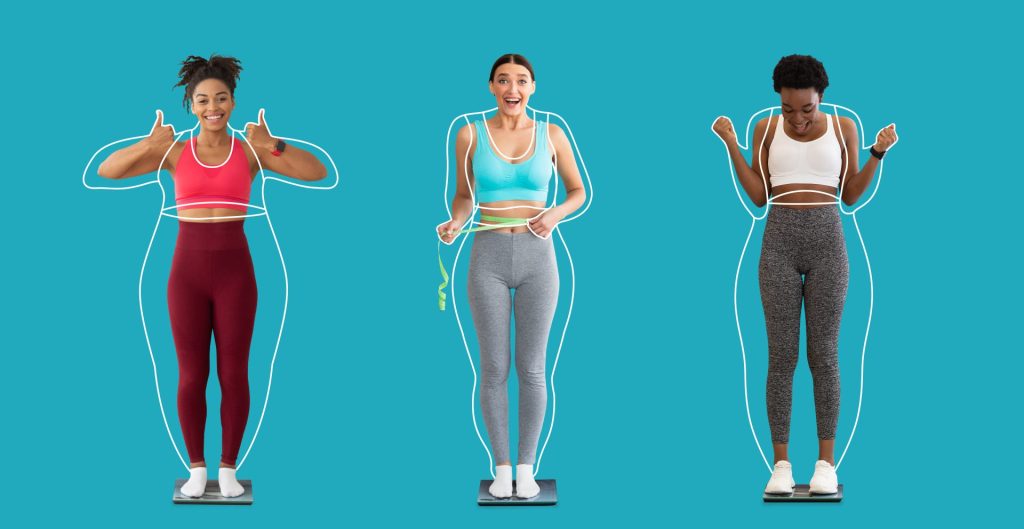
Weight loss has been a great struggle for so many peoples for ages. Nowadays there are so many methods of weight loss circulating on the internet. However, dieting, portion control, exercise, and the keto diet are expensive and time taking methods. Therefore people fail to follow them and keep on wondering if they will be able to lose weight or Not. Today I am going to tell you that walking is the easiest form of exercise that can effortlessly help you to lose weight within a short period.
However, after listening to that walking is easiest people search the internet to know how many miles they have to walk for at least 20 pounds of weights.
Walking is one of the best choices if you want to lose weight. You can surely reach your goal weight very soon just by walking.
You can take it as a light hobby and walk a few miles daily increasing to half a mile every day to avoid being tired. You can even go for a morningwalk with your dog, kid, or any friend to stay motivated and lose weight easily.
Walking has been an ancient remedy to lose weight and stay fit. It has several benefits that you don’t even have an idea of. It keeps your blood circulation active and burns fat quicker than any other diet chart.
However, walking aimlessly cannot take you anywhere in your weight loss journey you have to set some goals and need a better understanding of various parameters of weight loss walking.
This can help you decide how many miles or step you need to cover daily according to your weight.
For suppose your BMI is 14 and you are slightly overweight by 8 to 10 Kg then you need to cover at least 15000 steps daily or at least aim for it to lose weight. You can also use the smartwatch step count feature to get your daily step counted to lose weight.
If you ask me how many steps you need to walk daily to lose 20 pounds in a month then the remedy is so simple.
You just need to aim for 10000 steps daily and increase one thousand steps every couple of days. This can gradually burn your fat and keep you healthy and fit while losing your weight without any strict diet.
How Many Miles A Week Should I Walk?
According to lead author Brain Duscha, you only have to walk 12 miles per week to keep your heart health maintained, and also it will help to improve your heart and overall body’s health.
For the main weight loss goal, one may increase these miles per week to achieve more visible results in less time.
But there’s no specific answer for such searched questions as how many miles should I walk a day and how many steps are there in a mile because there isn’t any formula to calculate the exact figure for that (trusted source).
It’s just that no amount of walking is too much and walking has bundles countless benefits.
Walking alone or walking with someone
Walking is somehow part of our lives but walking properly by taking out time during any hour of the day is quite relaxing and could be counted as a safe care parameter, who doesn’t need a companion during the walk?
Often people like walking with their dogs and also with their friends or parents etc which turns their weight loss journey into a joyful quality time.
Yet from a very rough calculation, you may get help.
Where 1 pound = 3500 calories, which makes 70000 calories in 20 pounds that you need to burn which is huge and cannot be burned overnight.
Make a schedule or practice burning 500 calories by walking 5 miles per day which makes 3500 calories per week and 70000 calories in 20 weeks.
Conclusion
Weight loss is yet another very struggling phase through which many people go through, Walking is the easiest way through which you can lose weight and improve your health with.
It can help you lose around 20 pounds of weight in just 20 weeks, you just need to be more persistent and aim to achieve.
Squats are a big deal in weightlifting for getting stronger and muscled up. Among the bunch of squat styles, high bar and low bar squats are hot picks. But what makes them different from each other?
Squats are a fundamental exercise for building strength and muscle in the legs and hips. However, not all squats are created equal. High bar and low bar squats are two variations of the exercise that target different muscle groups and require different techniques. In this article, we’ll take a closer look at the differences between high-bar vs low-bar squats and the benefits of each.
Picking the right exercises to incorporate into a workout routine is essential to targeting multiple muscle groups effectively while improving overall leg strength, muscle mass, and powerlifting performance.
We believe bar placement plays an important role in this selection process, as bar position has a direct correlation with the efficacy of various lifts.
For instance, barbell squats or barbell deadlifts are two exercises that employ bar placement to challenge multiple muscle groups in the legs, with an emphasis on the quadriceps, hamstrings, and gluteals.
All of these exercises should be considered when creating an effective workout program for increased leg strength and improved athleticism.
High Bar Squats
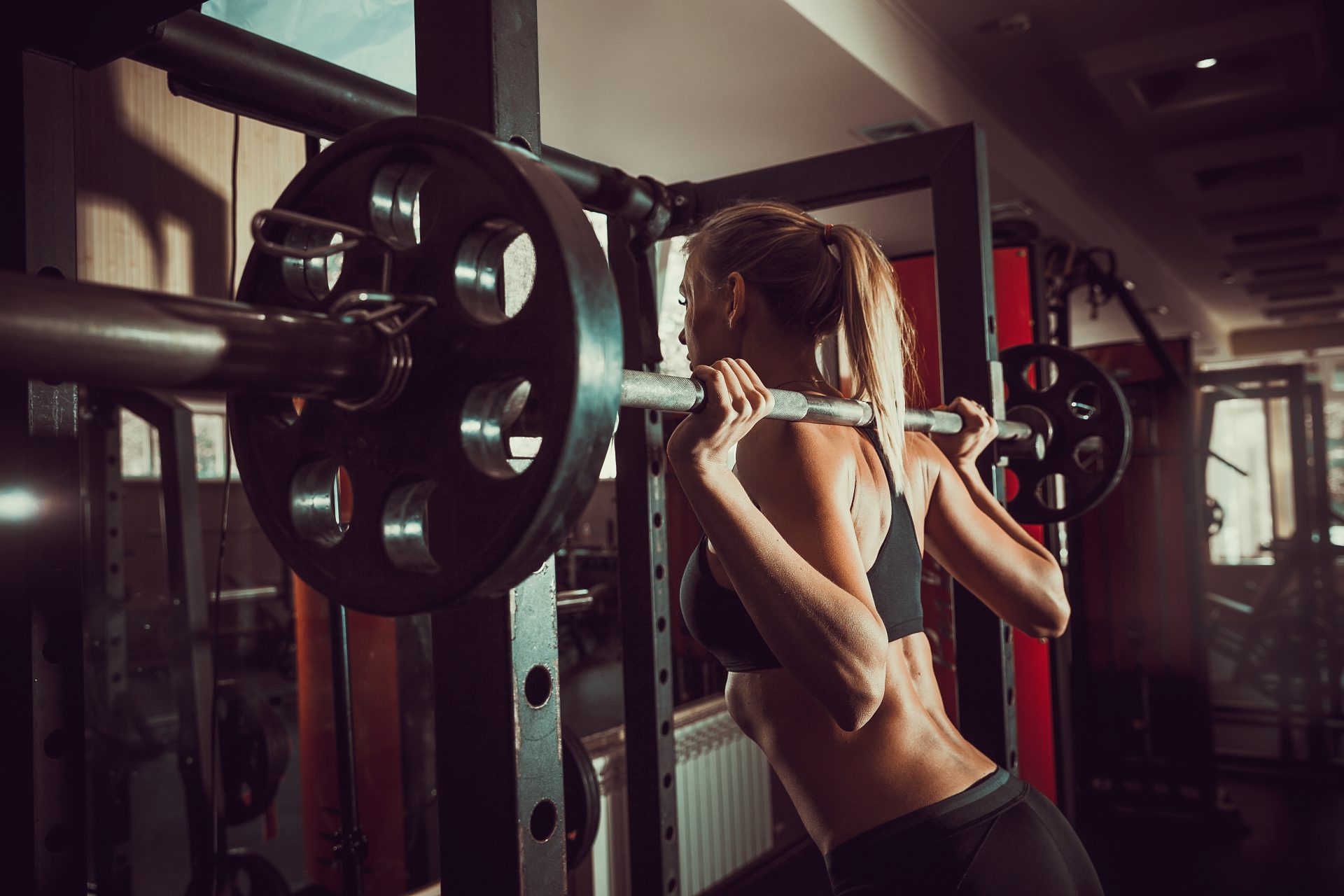
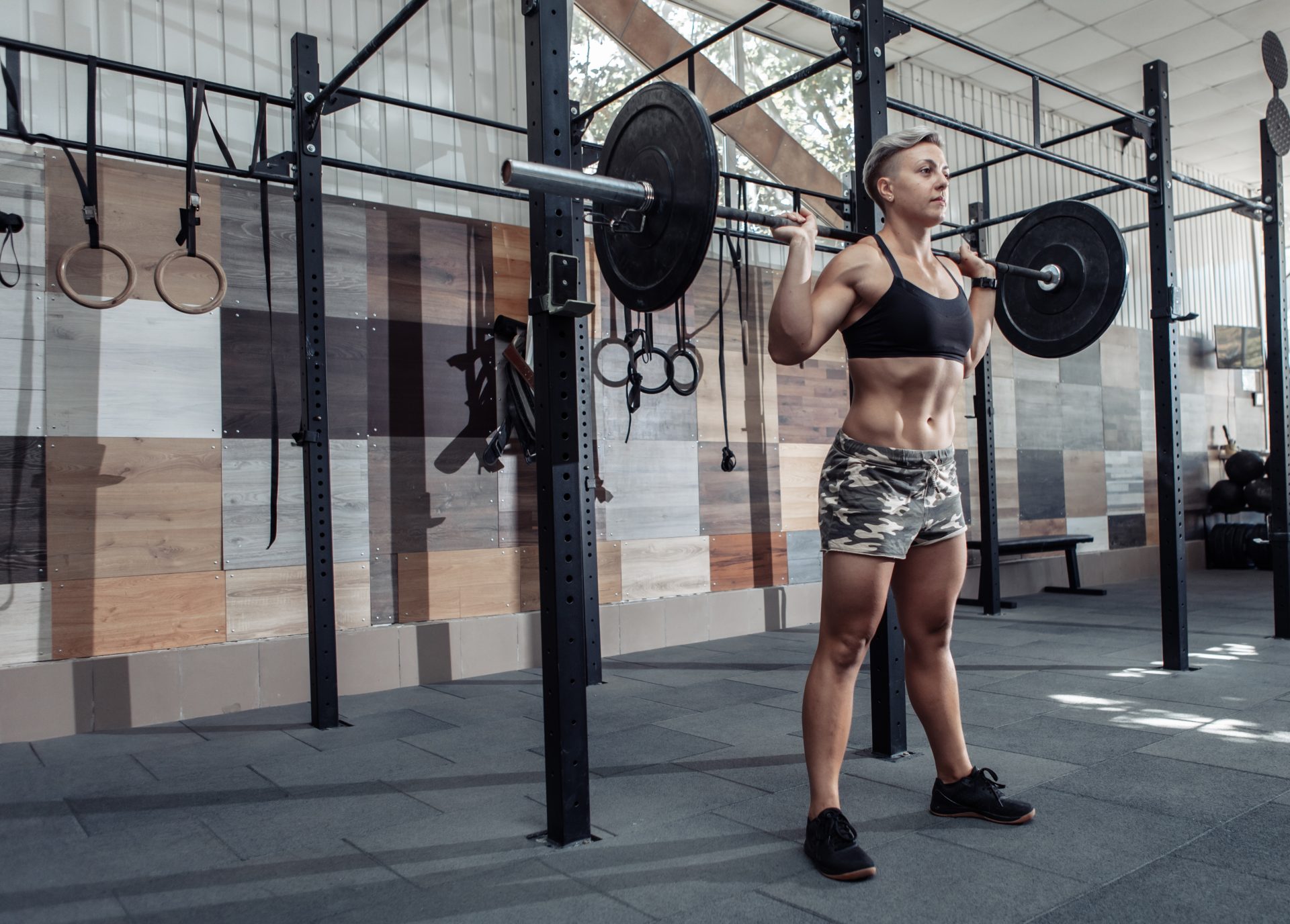
What is more, high bar squats involve positioning a barbell on top of your traps with your grip slightly wider than shoulder-width apart.
This position requires you to keep your torso upright in order to maintain balance throughout the entire range of motion.
When performing a high bar squat, your quads will be targeted the most as well as other muscles such as the glutes and hamstrings.
It’s important to maintain proper form during this exercise in order for you to reap its full benefits.
To do so, make sure that you push through your heels when rising from the bottom position and keep your chest up throughout the entire movement.
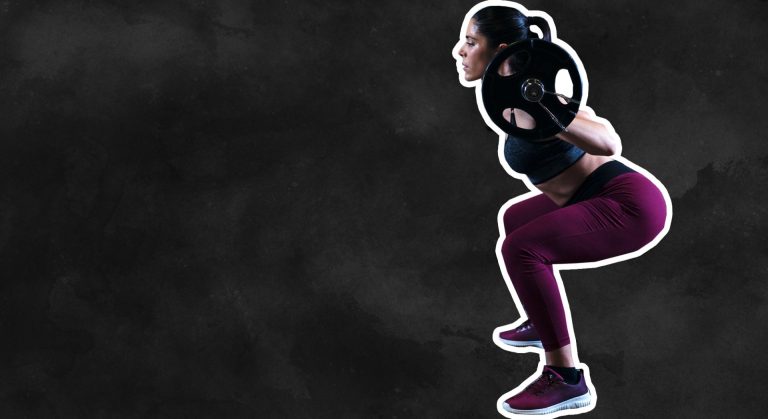
The high bar squat, also known as the Olympic squat, is the most common type of squat performed in weightlifting and powerlifting competitions. In this variation, the barbell is placed on the trapezius muscle, near the base of the neck.
This position allows for a more upright torso during the squat, which places more emphasis on the quadriceps, glutes, and hamstrings.
How To Perform High-Squat?
To perform a high bar squat, stand with your feet shoulder-width apart and toes pointing slightly outward.
Place the barbell on your upper traps and grasp it with a grip slightly wider than shoulder-width.
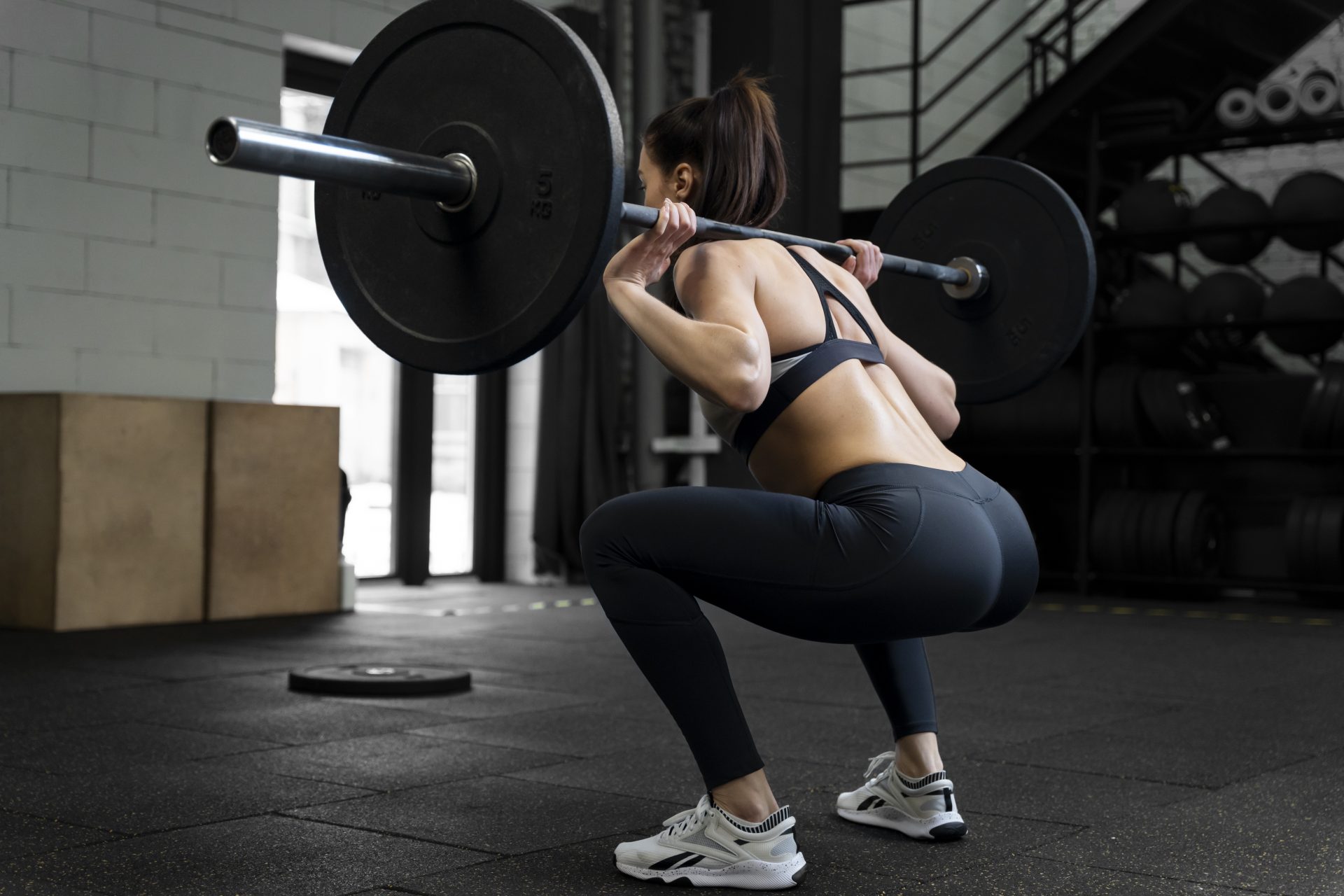
Take a deep breath and descend into the squat by pushing your hips back and bending your knees.
Keep your chest up and your back straight as you descend. Once your hips are below your knees, pause for a moment before returning to the starting position.
The high bar squat is a great exercise for building overall leg strength and muscle mass.
It is particularly effective for developing the quadriceps, which are the muscles on the front of the thigh. It’s also a good exercise for overall balance and stability.
The result is a more intense workout for the quadriceps, glutes, and hamstrings. Not only does this exercise build significant strength and muscle mass in areas needed for these sports.
It promotes proper technique which allows athletes to maximize their performance on competition day.
With increased total body power comes an increase in confidence and flare every time they put themselves on the bar!
Low Bar Squats
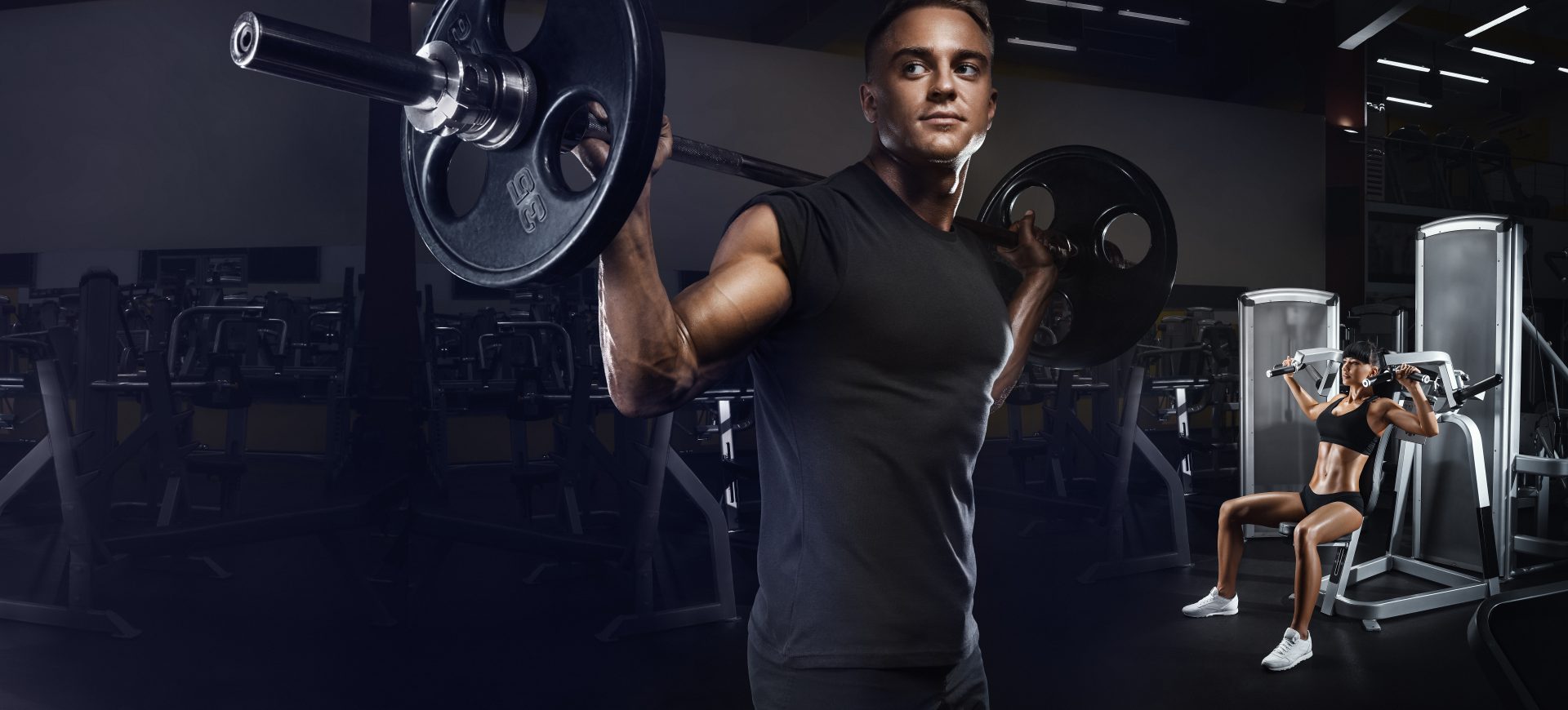
Low bar squats involve positioning a barbell lower on the back just above your rear delts with your grip slightly wider than shoulder-width apart.
This shift in position allows you to lean forward more while doing the squat which allows you to lift heavier weights.
When performing low bar squats, more weight can be lifted than with high bar squats since this variation shifts more of the load onto your posterior chain including the glutes and hamstrings.
As with high bar squats, proper form is key for reaping maximum benefits when doing low bar squats so make sure that you push through your heels when rising from the bottom position and keep an arch in your lower back throughout the entire movement.
In other words:
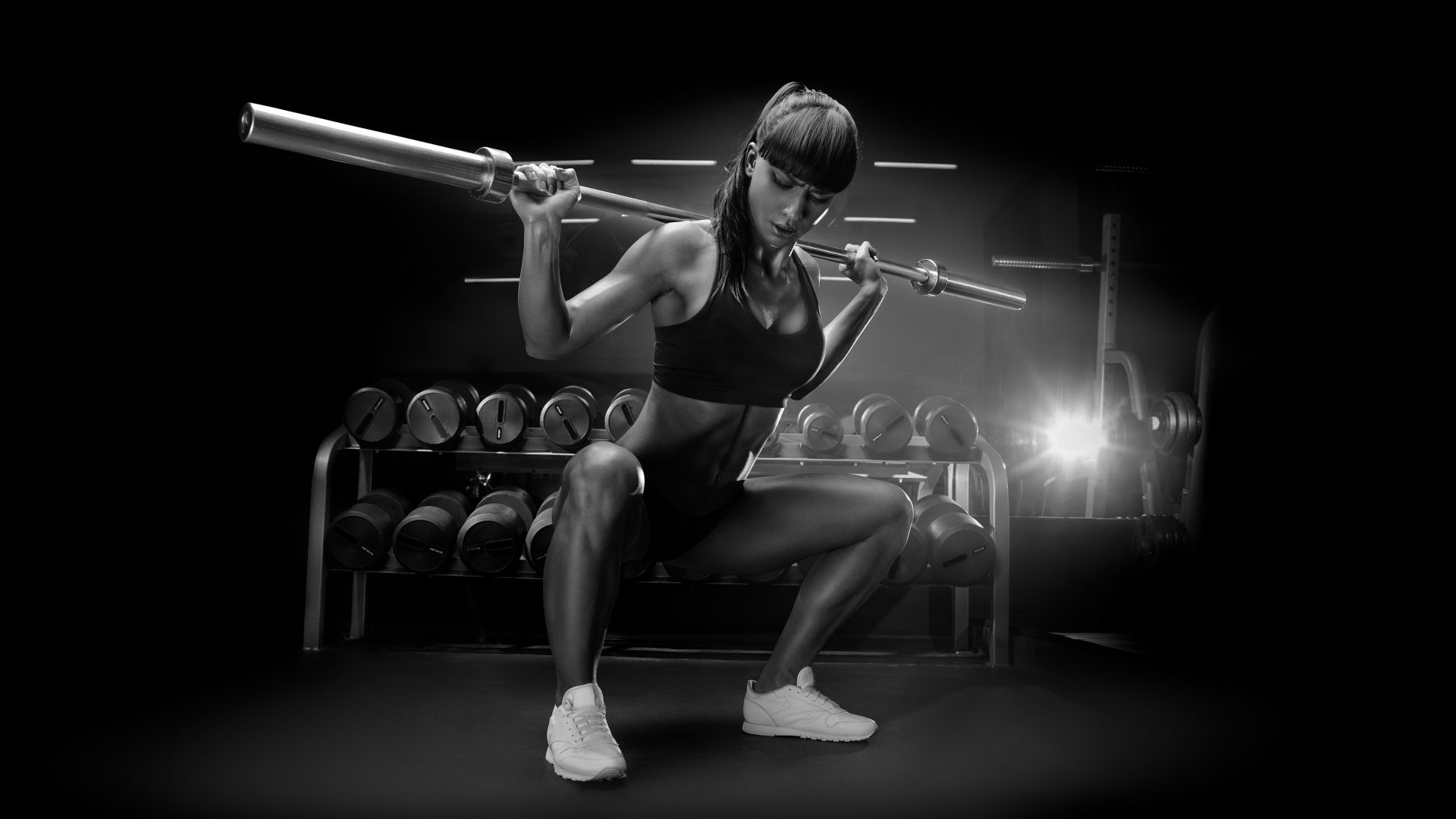
The low bar squat is a variation of the squat that places the barbell on the rear deltoids, behind the scapula.
This position allows for a more forward lean of the torso during the squat, which places more emphasis on the glutes and hamstrings. The low bar squat is often used in powerlifting competitions and is considered a more advanced exercise.
How To Perform Low-Bar Squat?
To perform a low bar squat, stand with your feet shoulder-width apart and toes pointing slightly outward. Place the barbell on your rear deltoids and grasp it with a grip slightly wider than shoulder-width.
Take a deep breath and descend into the squat by pushing your hips back and bending your knees. Keep your chest up and your back straight as you descend.
Once your hips are below your knees, pause for a moment before returning to the starting position.
It is particularly effective for developing the glutes, which are the muscles on the back of the thigh. It’s also a good exercise for overall balance and stability.
Is Low-Bar Squat Better?
Low bar squats demand proper form to reap the benefits. With a barbell placed behind the scapula and torso leaning forward, these squats place greater emphasis on the glutes and hamstrings, rather than just engaging the legs.
Here’s the truth:
As an advanced exercise and popular choice for powerliftingcompetitions, proper low bar squat form is essential in order to strengthen muscles for safe and successful completion of lifts.
Many suggest utilizing proper technique including teaching proper foot placement, proper back angle, and proper hip-width to ensure proper muscular activation formaximum results.
High Bar vs Low Bar Squat – Main Differences
The main difference between high and low-bar squats is primarily where you place the weight on your back and body mechanics that come with it.
High-bar being placed higher up on the trap muscles while low-bar being placed lower down near one’s rear delts (trusted source).
Additionally, increased leverage gained by leaning forward while doing low-bar squats versus staying upright while doing high-bar squats allows one to lift heavier weights during low-bar compared to their max during high-bar—this also means that different muscles get emphasized depending on which type of squat is being done (quads getting hit harder during high-bar vs posterior chain getting hit harder during low-bar).
The main difference between the high bar and low bar squats is the placement of the barbell and the position of the torso during the exercise.
The high bar squat is performed with the barbell on the trapezius muscle and an upright torso, which places more emphasis on the quadriceps, glutes, and hamstrings.
The low bar squat is performed with the barbell on the rear deltoids and a more forward lean of the torso, which places more emphasis on the glutes and hamstrings.
Another difference between the two is the weight that can be lifted. High bar squat is considered a more balanced exercise, and the weight that can be lifted is less than that of low bar squat.
The weight that can be lifted in low bar squat is more as it targets more muscle groups and also due to the forward lean of the torso.
Squat More!
Squatting is an exercise that specifically targets the quads, glutes, and hamstrings.
There are two variations of how to squat, high bar and low bar, which differ in how they are performed.
The main difference between high-bar and low-bar squats is their placement and position.
For a high bar squat, you place the bar higher up on your back where your traps are located.
Additionally, when performing a high bar squat the lifter will generally be able to lift less weight than with a low bar squat due to how much leverage advantages they have over the hips while performing light exercises.
Therefore, understanding how each variation affects this how-to exercise can help in optimizing one’s own performance when it comes to how to properly squat.
Recap
High-bar squats and low-bar squats are both excellent exercises for building strength and muscle mass but they have their differences in terms of where they should be positioned on one’s body as well as which muscles they target.
High-bar hits quads harder while low-bar hits posterior chain harder.
Furthermore, proper form must always be maintained when performing either version of these exercises in order for them to work effectively.
Let me explain:
Pushing through heels when rising from the bottom position for both exercises as well as keeping chest up/maintaining arch in lower back depending on which type is being done respectively will help ensure maximum benefit from each variation.
Both high-bar and low-bar squats are effective exercises for building leg strength and muscle mass.
However, they target different muscle groups and require different techniques.
The high bar squat is a great exercise for developing the quadriceps and overall leg balance, while the low bar squat is a more advanced exercise that is effective for building strength and mass in the glutes and hamstrings.
If you’re new to squatting or looking to build overall leg strength, the high bar squat is a great place to start.
If you’re an experienced lifter looking to target specific muscle groups or increase your powerlifting performance, the low bar squat may be a better option.
Here’s why:
It’s also important to note that both variations of the squat can be incorporated into your workout routine for maximum benefits.
By incorporating both high-bar and low-bar squats, you’ll be able to target multiple muscle groups
You will see improvements in overall leg strength, muscle mass, and powerlifting performance.
Final Thoughts
In summary, High Bar vs Low Bar Squat is a fundamental exercise that helps in building strength and muscle in the legs and hips.
High Bar Squat is the most common type of squat performed in weightlifting and powerlifting competitions and is great for overall leg strength and balance.
Low Bar Squat is a more advanced exercise and is particularly effective for developing the glutes and hamstrings.
In order to get maximum benefits, both variations should be incorporated into your workout routine.
Chicken salad is a popular dish that has gained immense popularity among food enthusiasts and individuals seeking quick and easy meal options. With today’s busy lifestyle, where time is a precious commodity, people are constantly searching for delicious and simple recipes that can be prepared in no time. Chicken salad fits perfectly into this category, offering a wide range of flavors and ingredients that can be easily customized to suit individual preferences.
In this blog post, we will explore the reasons behind the popularity of chicken salad recipes, the importance of quick and easy meals in our busy lives, and provide a preview of five delicious and simple 5-ingredient chicken salad recipes.
Explanation of the Popularity of Chicken Salad Recipes
Chicken salad recipes have gained immense popularity for several reasons.
Firstly, chicken itself is a versatile and widely available protein that appeals to a large audience. It can be cooked in various ways and easily combined with other ingredients to create a delightful salad.
Secondly, chicken salad offers a balanced combination of flavors and textures, making it a satisfying meal choice. Whether you prefer a creamy and tangy dressing or a light and refreshing one, there is a chicken salad recipe to suit every taste.
Additionally, chicken salad is a great option for using up leftover cooked chicken, minimizing food waste, and maximizing flavor.
Importance of Quick and Easy Meals in Today’s Busy Lifestyle
In today’s fast-paced world, where time is a precious commodity, quick and easy meals have become a necessity for many individuals. Busy work schedules, family responsibilities, and numerous commitments often leave little time for elaborate cooking.
Quick and easy meals not only save time but also provide a convenient solution for those who want to enjoy a delicious and nutritious meal without spending hours in the kitchen.
Chicken salad recipes fit perfectly into this category, offering a simple and efficient way to prepare a satisfying meal in a matter of minutes.
Five Delicious and Simple 5-Ingredient Chicken Salad Recipes
Now, let’s take a look at five delicious and simple 5-ingredient chicken salad recipes that will surely satisfy your taste buds.
Recipe 1: Classic Chicken Salad
Chicken salad is a classic dish that is beloved by many. It is a perfect combination of tender chicken, crisp vegetables, and a creamy dressing that can be enjoyed as a lunch or even a light dinner. Here is a recipe for a classic chicken salad that is sure to become a new favorite.
A. Ingredients:
2 cups cooked chicken, shredded or diced
1/2 cup mayonnaise
1/2 cup chopped celery
1/4 cup diced red onion
Salt and pepper to taste
B. Step-by-step instructions for preparing the salad:
In a large bowl, mix together the cooked chicken, mayonnaise, celery, and red onion until well combined.
Season with salt and pepper to taste.
Serve chilled on a bed of greens or on whole wheat bread.
C. Tips and variations for customization:
Add chopped apples or grapes for a touch of sweetness.
Incorporate chopped nuts such as almonds or pecans for added crunch.
Experiment with different herbs and spices to enhance the flavor.
Replace the mayonnaise with Greek yogurt or avocado for a healthier twist.
D. Serving suggestions and pairing options:
Serve the classic chicken salad on toasted bread for a classic sandwich.
Pair it with a side of fresh fruit or a simple green salad for a complete meal.
Recipe 2: Greek-inspired Chicken Salad
Packed with protein, fresh flavors and easy to make, this recipe is perfect for meal prep or a quick lunch option.
A. Ingredients:
Cooked chicken breast
Greek yogurt
Cucumber
Kalamata olives
Feta cheese
B. Step-by-step instructions for preparing the salad:
Chop the cooked chicken breast into bite-sized pieces.
In a mixing bowl, combine the chicken, Greek yogurt, diced cucumber, sliced Kalamata olives, and crumbled feta cheese.
Mix well until all the ingredients are evenly coated.
Taste and adjust the seasoning if needed.
Serve the Greek-inspired chicken salad on a bed of mixed greens or as a filling for pita bread.
C. Tips and variations for customization:
Add diced tomatoes or bell peppers for extra freshness.
Sprinkle some dried oregano or a squeeze of lemon juice for a burst of flavor.
Substitute the Greek yogurt with tzatziki sauce for a creamier texture.
D. Serving suggestions and pairing options:
Serve the Greek-inspired chicken salad with a side of warm pita bread and hummus.
Pair it with a Greek salad and a drizzle of olive oil and lemon dressing.
Recipe 3: Asian-inspired Chicken Salad
This Asian-inspired chicken salad recipe is great for a quick and easy lunch or dinner. The coleslaw mix adds a great crunch, while the sweet chili sauce and rice vinegar give it a spicy and tangy kick. Plus, the shredded chicken makes it a protein-packed meal that will keep you feeling full and satisfied.
A. Ingredients:
Cooked chicken breast
Soy sauce
Sesame oil
Green onions
Cabbage or 1 bag of coleslaw mix
B. Step-by-step instructions for preparing the salad:
Slice or shred the cooked chicken breast into thin strips.
In a mixing bowl, combine the chicken, soy sauce, sesame oil, sliced green onions, and shredded cabbage.
Toss well to ensure all the ingredients are coated in the dressing.
Adjust the seasoning according to your taste.
Allow the flavors to meld together for a few minutes before serving.
C. Tips and variations for customization:
Add grated carrots or bell peppers for added color and crunch.
Sprinkle some toasted sesame seeds or crushed peanuts for extra texture.
For a spicy kick, add a dash of sriracha or red pepper flakes.
Try adding some additional ingredients like diced mango, sliced avocado, or chopped green onions for added flavor and nutrition.
You could also serve it on top of some jasmine rice or quinoa for a heartier meal.
D. Serving suggestions and pairing options:
Serve the Asian-inspired chicken salad with a side of steamed rice or noodles.
This Southwestern Chicken Salad recipe is not only easy and quick to make, but it’s also a healthy and satisfying meal that’s perfect for lunch, dinner, or meal prep. Here is how to make it:
A. Ingredients:
2 cups cooked and shredded chicken breast
1 can black beans, drained and rinsed
1 cup corn kernels (fresh or canned)
1 red bell pepper, diced
½ cup chunky salsa
B. Step-by-step instructions for preparing the salad:
Chop the cooked chicken breast into bite-sized pieces.
In a mixing bowl, combine the chicken, diced avocado, cooked corn kernels, rinsed black beans, red bell pepper, and a squeeze of lime juice.
Gently toss the ingredients together until well combined.
Season with salt and pepper to taste.
Let the flavors meld together for a few minutes before serving.
C. Tips and variations for customization:
Add diced tomatoes or red onions for extra freshness and flavor.
Incorporate chopped cilantro or jalapeños for a burst of heat.
Drizzle with a tangy chipotle dressing or a creamy ranch dressing.
D. Serving suggestions and pairing options:
Serve the Southwestern chicken salad on a bed of lettuce or as a filling for tacos or burritos.
Pair it with tortilla chips and salsa for a satisfying Tex-Mex meal.
Recipe 5: Caprese Chicken Salad
This Caprese Chicken Salad is not only delicious but also incredibly easy to make. And the best part? It’s packed with healthy nutrients, including protein, vitamin C, and calcium.
A. Ingredients:
2 cups cherry tomatoes, halved
1 pound cooked chicken, shredded or cubed
8 ounces fresh mozzarella, cubed
1/4 cup fresh basil leaves, chopped
2 tablespoons balsamic glaze
B. Step-by-step instructions for preparing the salad:
Slice or chop the cooked chicken breast into thin slices.
In a mixing bowl, combine the chicken, halved cherry tomatoes, cubed fresh mozzarella, torn basil leaves, and a drizzle of balsamic glaze.
Gently toss the ingredients together until well combined.
Season with salt and pepper to taste.
Allow the flavors to meld together for a few minutes before serving.
C. Tips and variations for customization:
Use different varieties of tomatoes, such as heirloom or grape tomatoes, for added color and flavor.
Substitute the balsamic glaze with basil-infused olive oil or a light vinaigrette for a fresher taste.
Sprinkle some freshly ground black pepper or a pinch of sea salt for added seasoning.
D. Serving suggestions and pairing options:
Serve the Caprese chicken salad on a bed of mixed greens or as a topping for bruschetta.
Pair it with a side of crusty bread or a refreshing glass of white wine for a delightful Italian-inspired meal.
Summing Up
Chicken salad recipes have gained popularity because of their versatility, ease of preparation, and delicious flavors. In today’s busy lifestyle, where time is limited, quick and easy meals have become a necessity.
Chicken salad offers a convenient solution, allowing individuals to enjoy a satisfying and nutritious meal in a matter of minutes.
We provided a preview of five delicious and simple 5-ingredient chicken salad recipes, including the classic chicken salad, Greek-inspired chicken salad, Asian-inspired chicken salad, Southwestern chicken salad, and Caprese chicken salad. These recipes offer a range of flavors and ingredients that can be easily customized to suit individual preferences.
Whether you’re looking for a creamy and tangy option, a refreshing and light choice, or a spicy and flavorful variation, chicken salad has something for everyone. So, the next time you’re short on time but craving a delicious meal, try one of these easy chicken salad recipes and enjoy a satisfying and flavorful experience.
You’ve probably seen the landmine RDL being done in the gym, but do you know the muscles that work with it and how to do it properly?
This exercise is a great method to target the hamstrings and glutes, but it can be tricky to get the form right. If you are not sure how to do it or if you’re looking for various alternatives that you can also employ and get the same result, read on for some tips.
The landmine RDL, also known as the landmine Romanian deadlift, is a variation of the Romanian deadlift and an exercise used primarily to target the muscles of the hamstrings and glutes.
Even though the hamstrings are the primary muscle group targeted by all variations of the hip hinge movement, the RDL has traditionally been considered the “leg” deadlift variation.
A landmine single-leg RDL is a great way to add extra variation to your workouts. The muscle works with the hamstrings, glutes, and lower back, and it’s a great way to improve your balance and coordination.
The key to doing landmine rdl correctly is to ensure you keep your back straight and your shoulders down. You’ll also wish to focus on keeping your core engaged the entire time.
If you’re unsure how to do a landmine single-leg RDL, here are a few alternatives: the standard hamstring curl, the standing cable curl, or the lying leg curl.
How to do Landmine RDL
The landmine single-leg rdl is an excellent exercise to work your glutes, hamstrings, and core. But before you start doing them, it’s essential to understand how to execute the move properly.
Here are the amazing tips on how to do landmine rdl:
Keep your back flat and engage your core throughout the entire exercise.
When you lower the weight, try to go down slowly and under control.
Keep your head up and look straight ahead.
Don’t let your knees cave inwards as you lower the weight.
Make sure you pause at the bottom of the move before you lift back up.
Muscles Worked With the Landmine RDL
When you do a landmine single leg rdl, you work your glutes, hamstrings, and core which are the muscles worked with it.
But if you don’t have a landmine, don’t worry — you can do a regular rdls form.
Hold a weight in your left hand, then stand with your feet hip-width apart.
Bend your left knee and hinge at the hip to lower the weight down the front of your left leg.
Pause, and then drive your left heel into the ground to lift yourself back to start.
Do all the necessary repetitions on one side before switching to the other side.
What Are Some Landmine RDL Alternatives?
The single leg Romanian deadlift is an excellent alternative to the landmine RDL.
With this move, you’ll target the same muscles worked with landmine rdl—the glutes and hamstrings—but slightly differently.
Here’s how to do a single leg Romanian deadlift:
Stand on one leg with the other leg bent behind you.
Reach your free arm straight down toward the floor.
Keep your lifted leg extended as you lower your torso toward the floor.
Take a pause, and then reverse the motion so that you are back where you started.
If you’re looking for a move that’s a bit less intense, try the rdls form.
This variation is a bit easier because you’re using both legs and still targeting the glutes and hamstrings.
To do rdls form:
Holding a weight in both hands with your palms towards your thighs whilestanding with your feet hip-width apart is a good exercise.
Secondly, bend your knees and hinge at the hips,
Lowering the weights toward the floor.
Pause, then return to start.
Other Landmine rdl alternatives
Hamstring Curl
This exercise is an excellent method to target the hamstrings and glutes. Lie down with your legs bent, and curl your legs towards your chest.
Glute Bridge
Make sure you lie flat on your back with your feet on the ground and legs bent to 90°.
Put your toes flat on the ground level and press your heels into the ground while lifting your upper legs and torso into the air and stretching your hips to the point where your thighs and torso align with each other. Hold this position for two seconds.
Reverse Lunge
Step backwards with one foot, lowering your hips until both knees are bent at about 90°. Make sure your front knee is exactly over your ankle, and keep your back straight.
Swiss Ball Hamstring Curl
Position a Swiss ball at your feet before lying on your back with palms on the floor. Place your heels on the ball, then press your hips and glutes off the floor.
Dig your heels into the ball as you curl it toward your glutes. Reverse the motion, and press the Swiss ball away from your glutes to the start position.
Standing Calf Raise
Holding a weight in one hand, stand with the balls of both feet on an elevated surface with heels hanging off, then raise onto your toes as high as possible before lowering below the raised surface – pause briefly before repeating.
When starting, it’s essential to use the correct form to protect your back and joints. Here are a few tips:
Keep your core engaged at all times.
Try keeping your back straight, and don’t let it around.
Use a lighter weight until you’re comfortable with the movement (no need to set your new PR right in the start).
Don’t let your knees to cave in as you come down.
Use a slow and controlled movement.
Once the form is down, you can increase the weight and make the movement more challenging.
Just be sure always to use a weight that you can handle safely.
What Are Some Common Mistakes People Make With This Exercise?
One of the most well-known mistakes people make with the landmine RDL is not going deep enough. Be sure you hinge at the hip and go as deep as possible.
You should feel a nice stretch in your hamstring.
Another mistake people often make using too much weight. Remember, this is a slow and controlled exercise, so start with a lightweight and work your way up.
And finally, don’t forget to use your core throughout the entire movement. This will help keep you stabilized and protect your back.
Conclusion
Landmine RDLs are a great way to target the posterior chain, but plenty of other exercises can give similar results.
You can also check those mentioned above if you’re looking for a great landmine RDL alternative.
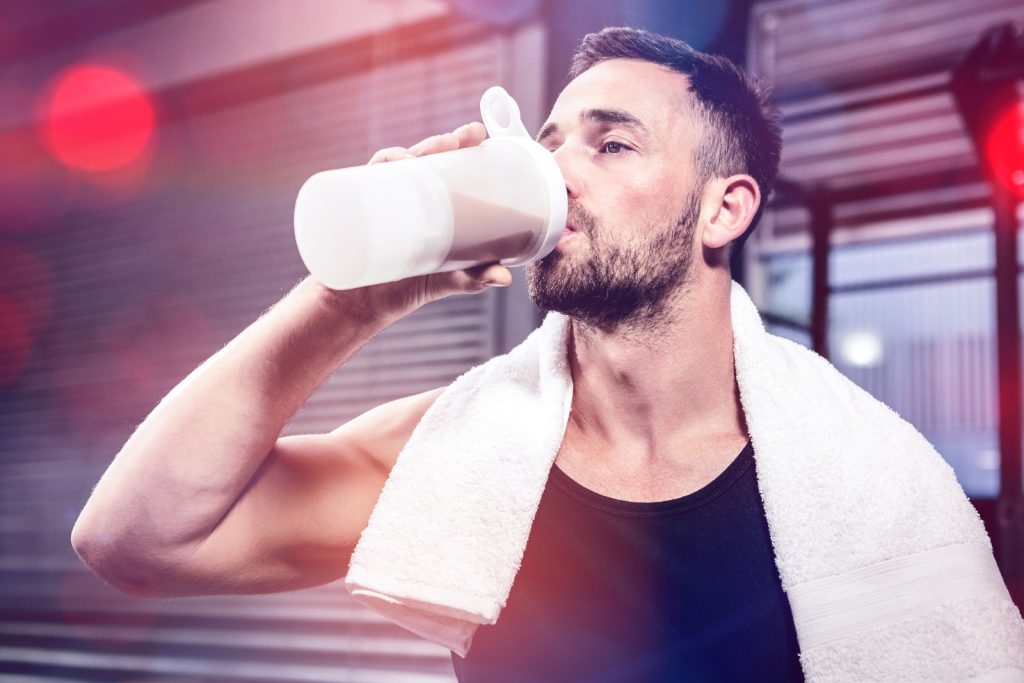
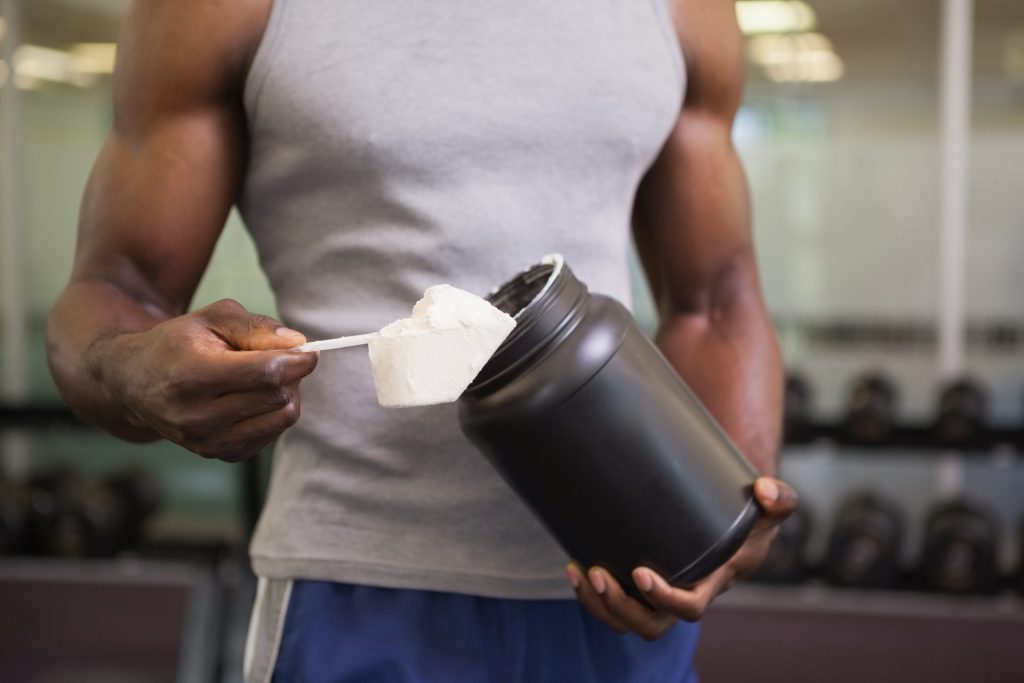
Protein shakes have been a favorite supplement for fitness enthusiasts for quite some time now. And it’s not just limited to athletes and bodybuilders; even the general population is taking a keen interest in it. However, the question arises – is it necessary to consume protein shakes on rest days?
Thanks to social media and the internet, fitness, and health have become a trend, where everyone is trying to lead a healthy lifestyle by hitting the gym or following a strict diet plan. And protein shakes are considered a vital component of a workout regimen. But the question is, do you need as much protein on a rest day as you do on a workout day?
If you’re looking to build muscle or lose weight, you might be wondering: should you drink protein shakes on non-workout days? There are various perspectives on this, and different studies have been conducted to give a verdict. In this blog post, we will explore this topic and delve into expert opinions to help you make an informed decision.
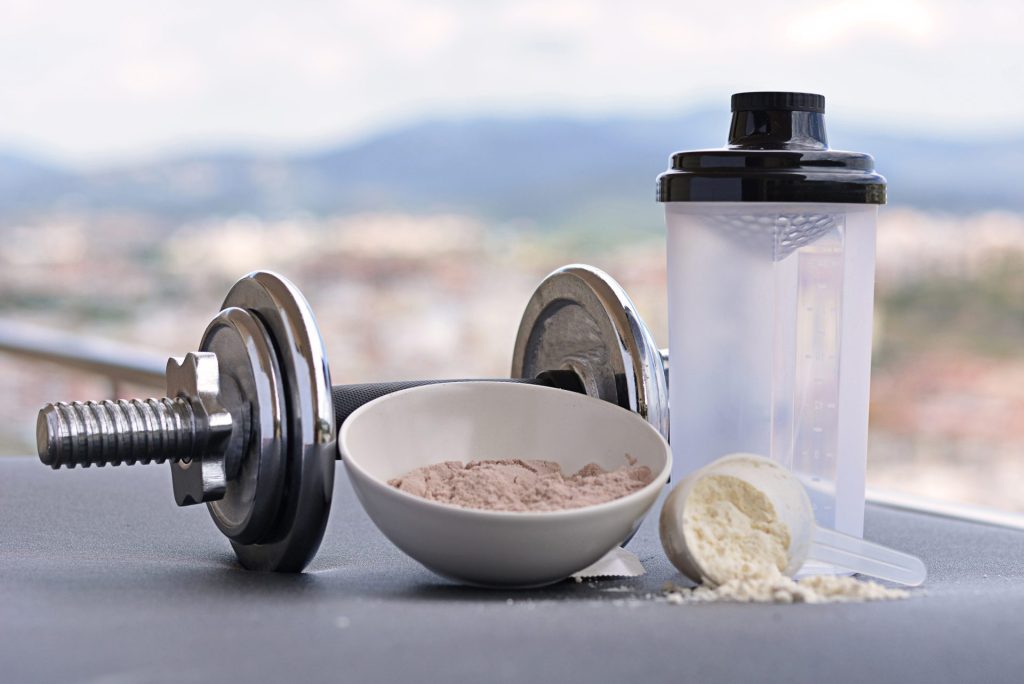
Before we dive into whether protein shakes should be consumed on non-workout days, let’s first understand what they are. Protein shakes are beverages that are typically made by mixing protein powder with water, milk, or other liquids.
These shakes are designed to provide a concentrated dose of protein, which is a macronutrient crucial for various physiological processes in the body.
Protein shakes come in various flavors and types, such as whey, casein, soy, or plant-based options. Each type has its own unique characteristics and nutritional content, making them suitable for different dietary preferences and restrictions.
The Importance Of Protein In The Diet
Protein plays a vital role in muscle repair and growth. When you engage in physical activity, especially resistance training, your muscles undergo microscopic damage. Protein is essential for repairing and rebuilding these muscles, allowing them to grow stronger and adapt to the demands placed upon them.
The daily protein requirements for an average adult vary depending on factors such as age, weight, and activity level.
Generally, the Recommended Dietary Allowance (RDA) for protein is 0.8 grams per kilogram of body weight. However, athletes and active individuals may require higher protein intakes to support their training and recovery.
Protein can be obtained from a variety of dietary sources, including meat, fish, dairy products, legumes, and grains. Most individuals can meet their protein needs through regular meals without the need for supplementation.
Benefits Of Consuming Protein Shakes On Workout Days
On workout days, consuming protein shakes can provide several benefits:
Support muscle recovery and growth after intense exercise: Protein shakes deliver a concentrated amount of amino acids, the building blocks of protein, which are readily absorbed by the body. This can enhance muscle recovery and stimulate muscle protein synthesis, promoting muscle growth.
A convenient and quick source of protein post-workout: After a strenuous workout, your body’s protein needs are elevated. Protein shakes offer a convenient and easily digestible option for replenishing protein stores, especially when whole food options may not be readily available or practical.
Aid in meeting increased protein needs for athletes and active individuals: Athletes and individuals engaged in intense physical activity may require higher protein intakes to support their training and recovery. Protein shakes can be an effective way to meet these increased protein needs, especially when combined with regular meals.
Protein Needs On Non-Workout Days (Rest Days)
On non-workout days, protein requirements are generally lower than on workout days. Since the body’s muscle repair and growth demands are reduced, the need for a concentrated protein source like a protein shake may not be as necessary.
Meeting protein needs on non-workout days can be achieved through regular meals that include protein-rich foods such as lean meats, poultry, fish, eggs, dairy products, legumes, and plant-based protein sources. A balanced diet should provide adequate protein without the need for supplementation.
It is important to note that excessive protein intake can have potential risks, including strain on the kidneys and an increased intake of calories. Therefore, it is crucial to strike a balance and avoid unnecessary protein supplementation if it does not align with your specific goals and requirements.
Expert Opinions On Should You Drink Protein Shakes On Non-Workout Days
To provide a well-rounded perspective, let’s explore the expert opinions on consuming protein shakes on non-workout days:
Perspectives from nutritionists and dietitians: Many nutrition professionals suggest focusing on whole food sources of protein on non-workout days. These sources provide not only protein but also other essential nutrients that contribute to overall health and well-being.
Research findings on protein supplementation on rest days: Studies examining the effects of protein supplementation on rest days have yielded mixed results. Some research suggests that protein supplementation on non-workout days may not provide significant additional benefits compared to a well-balanced diet, while others propose potential benefits in terms of muscle protein synthesis and preservation.
Recommendations from fitness professionals: Fitness experts often emphasize the importance of individualized nutrition. They advocate for assessing personal goals, activity levels, and overall dietary habits before deciding on protein shake consumption on non-workout days. It’s essential to consider whether protein shakes align with your unique needs and preferences.
Factors To Consider When Deciding To Consume Protein Shakes On Rest Days
When making a decision about protein shake consumption on non-workout days, consider the following factors:
Personal Fitness Goals And Activity Level
If your goals involve building muscle or improving athletic performance, consuming protein shakes on non-workout days may be beneficial. However, if your goals are more focused on weight maintenance or general health, whole food sources of protein may be sufficient.
Dietary Preferences And Overall Nutrition
If you prefer the taste and convenience of protein shakes, incorporating them into your diet on non-workout days in moderation may be an option. However, it’s essential to ensure that the rest of your diet is well-balanced and provides a wide range of nutrients from whole foods.
Budget And Practicality Of Incorporating Protein Shakes Into Daily Routine
Protein shakes can be more expensive than whole food sources of protein. Consider your budget and the practicality of including protein shakes in your daily routine before deciding to consume them on non-workout days.
Alternatives To Protein Shakes On Non-Workout Days
If you decide not to consume protein shakes on non-workout days, there are alternative ways to meet your protein needs:
Whole food sources of protein: Lean meats, poultry, fish, eggs, dairy products, legumes, and plant-based protein sources such as tofu, tempeh, and quinoa can provide ample protein in a balanced diet.
Protein-rich snacks and meals: Incorporate protein-rich snacks and meals into your daily routine. Greek yogurt, cottage cheese, nuts, seeds, and protein bars can serve as convenient and nutritious options.
Other nutritional supplements that can support overall health: Instead of focusing solely on protein shakes consider other nutritional supplements such as vitamins, minerals, and omega-3 fatty acids, which can contribute to your overall health and well-being.
FAQs
How Many Protein Shakes A Day?
The number of protein shakes you should have in a day depends on your individual health and fitness goals, as well as your daily protein intake needs. Generally, it is recommended that adults consume 0.8 grams of protein per kilogram of bodyweight per day, but this can vary based on activity level, age, and health conditions.
If you are not getting enough protein from your diet, you may consider adding protein shakes to your daily intake. Typically, one to two protein shakes per day can be helpful for individuals looking to increase their protein intake or build muscle mass.
When To Drink Protein Shakes?
The timing of protein shake consumption is a matter of personal preference and convenience. You can consume protein shakes at different times throughout the day, depending on your goals and lifestyle. Here are some common times when people consume protein shakes:
Post-workout: Consuming a protein shake within 30 minutes to an hour after exercise can help with muscle recovery and repair.
Between meals: Protein shakes can be consumed as a snack or a meal replacement to help curb hunger and maintain a consistent protein intake.
Before bed: Some individuals prefer consuming a protein shake before bed to provide a slow-release protein source during sleep.
Conclusion
Whether you should drink protein shakes on non-workout days depends on various factors, including your goals, preferences, and overall nutrition. While protein shakes can be beneficial for muscle recovery and growth on workout days, meeting protein needs through regular meals and whole food sources is generally sufficient on non-workout days.
It is crucial to make informed decisions based on your unique needs and consult with experts, such as nutritionists, dietitians, and fitness professionals, who can provide personalized guidance. Remember, achieving optimal nutrition involves a balanced and individualized approach, and protein supplementation should complement a well-rounded diet rather than replace it.
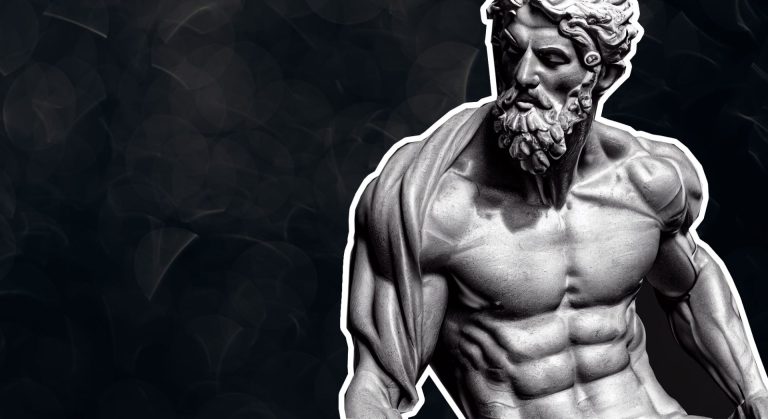
Have you ever dreamed of having a physique like a Greek god? For centuries, people have been striving to emulate the iconic look of gods and goddesses from ancient Greek mythology.
From Christopher Reeves’ portrayal of Hercules in the 1981 movie to Zac Efron’s turn as Apollo in Baywatch, we’ve seen countless examples of what it means to have an impressive physique like a Greek god. But what does it take to get that body shape?
Achieving the ideal body is something that requires hard work, dedication, and consistency. While genetics plays a role, there are certain training methods you can use to get closer to that ideal physique. With proper exercise and nutrition plans, combined with supplements and lifestyle changes—you can create your version of the ideal Greek god body.
In this blog post, we’ll explore some of the key elements involved in getting a physique like a Greek God—from building muscle to dieting tips and more! We’ll guide you through each step of the process so that you can achieve your dream look with ease!
Achieving the look of a Greek god physique requires more than just lifting weights.
It requires dedication to proper nutrition, sleep, and supplementation to achieve the right proportions between muscle mass and fat mass.
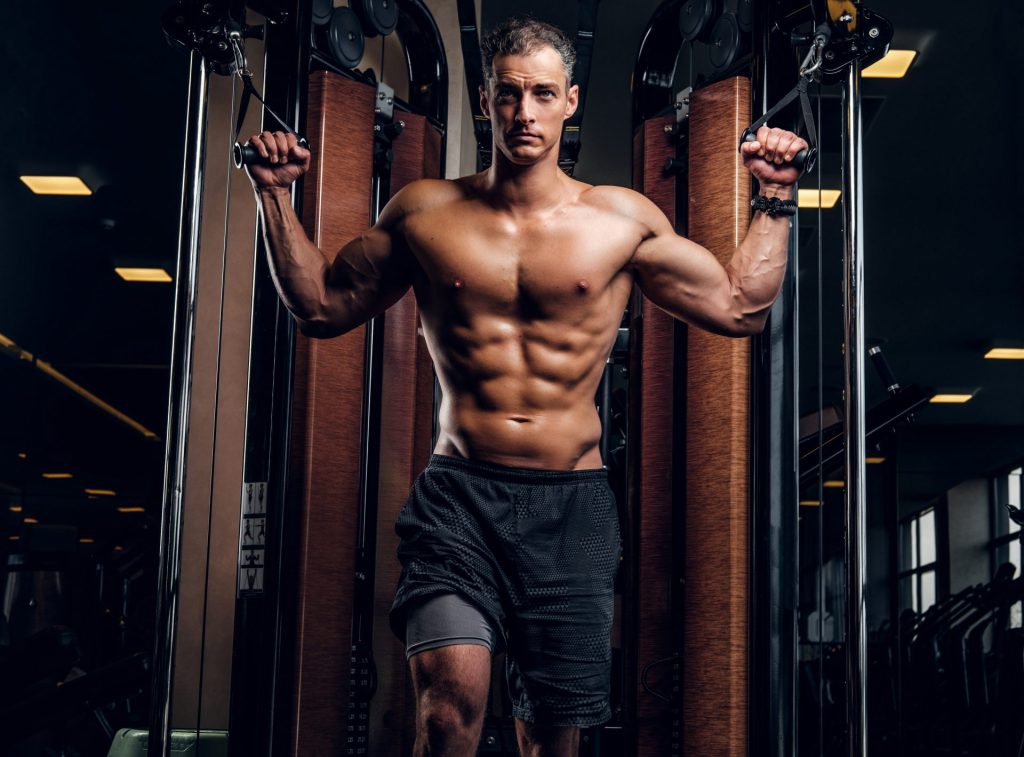
A classic Greek god physique typically has wide shoulders that taper down to a small waistline with well-defined abs.
The arms should be lean but muscular, as well as the legs for balance.
In addition to these physicalfeatures, many people strive to cultivate an overall aesthetic that radiates confidence and strength—qualities associated with ancient gods from mythology.
Diet Tips For A Greek God Physique
If you want to get the ripped abs and toned arms of a Greek god, then your diet is key. You need to ensure that you are eating enough protein and healthy fats while limiting refined carbohydrates such as white bread and pasta.
Eating lean proteins such as chicken or fish regularly is important for building muscle mass.
Adding healthy fats such as nuts or avocados will help keep your body satiated while providing essential nutrients.
Finally, make sure to get plenty of fruits and vegetables in your diet as they are rich in vitamins and minerals that are essential for optimal health.
The Physical Attributes Of Greek Gods And How To Achieve Them
The Upper Body
The upper body of a Greek god typically has broad shoulders with defined arms and chest muscles.
To get the best results, set aside three days each week for upper body exercises such as push-ups, pull-ups, tricep dips, shoulder presses, and lateral raises.
Aim for three sets of 10-12 reps per exercise with 1-2 minutes rest between sets. For added resistance, you can use dumbbells or resistance bands.
The Core Muscles
A strong core is an important part of achieving a god-like physique.
To tone up your abs and obliques, perform exercises such as planks, side planks, knee tucks, crunches, Russian twists, and leg raises three times each week for 3 sets of 15 reps each with 30 seconds rest between sets.
You can add resistance by using weights or medicine balls to make your core workouts more challenging.
Lower Body Workout
The lower body should also be included in your workout routine if you want to achieve the physique of a Greek God.
Include exercises such as squats and lunges three times each week with 3 sets of 10-15 reps per exercise and 1-minute rest between sets.
To add resistance you can use weights or kettlebells if needed. You can also incorporate deadlifts into your routine twice per week with 3 sets of 8-12 reps per exercise with 2 minutes rest in between sets.
Get The Greek God Physique With This Workout Plan
Week 1 – Cardio/Strength Training
Start your first week off with 30 minutes of cardio every morning followed by strength training 3 times during the week.
During strength training sessions focus on exercises such as squats, deadlifts, and bench presses to work your lower and upper body.
Aim for 15-20 reps per exercise and do 3 sets of each exercise.
Week 2 – HIIT/Core Training
This week switch up your routine by doing high-intensity interval training (HIIT) 4 times per week instead of traditional cardio.
HIIT is great for burning fat while also building muscle.
On top of this add core training 2 times per week focusing on planks, crunches, sit-ups, and more to strengthen your core muscles which will help you achieve a more balanced physique overall.
Week 3 – Plyometrics/Yoga
Add in plyometric exercises such as box jumps and burpees which will help with explosiveness in addition to gaining strength.
Also, incorporate yoga into your routine at least once a week since it helps stretch your muscles and increase flexibility which will improve your performance in other areas of fitness as well.
Week 4 – Hill Sprints/Weight Training
Increase the intensity level by adding hill sprints into your routine at least twice per week; these will challenge both your aerobic capacity and muscular endurance while also helping build lean muscle mass effectively.
Additionally, weight train 4 days per week focusing on exercises such as squats, deadlifts, pull-ups, etc., but make sure to switch up the exercises often so that no single muscle group gets overworked or underutilized in comparison to others; aim for 10-15 reps per set doing 3 sets of each exercise.
Week 5 – Strength Training/Plyometrics
This week focuses primarily on strength training by incorporating compound lifts such as barbell rows or overhead presses into your routine for at least 4 days during this period.
Aim for 10-15 reps per set doing 3 sets of each exercise if possible to maximize efficiency without overworking any one muscle group too much or sacrificing form to complete extra reps (which could potentially lead to injury).
Additionally, add plyometric exercises such as burpees or box jumps at least once during this period to maximize power output while still maintaining good form throughout all movements; aim for 10-15 reps per set doing 3 sets total if possible (or fewer depending on how fatigued you become).
Week 6 – Yoga/Core Training
Incorporate yoga into your routine at least twice during this period to improve flexibility and reduce soreness from intense workouts.
Focus on breathing techniques while stretching out major muscle groups such as hamstrings, glutes, chest, etc., to maximize benefits from each session.
Additionally, add core training 2 times per week focusing on planks, crunches, etc., these will help strengthen abdominal muscles which will drastically improve posture when performing other forms of exercise or just going about daily activities after completing this program successfully!
Week 7 – Hill Sprints/HIIT
Increase intensity by adding hill sprints into your routine at least twice during this period.
These can be done either outside or inside using machines like treadmills depending on preference (or availability) but should be done between 75%-100% maximum effort level for optimal results regarding both aerobic capacity improvements as well as muscular endurance gains within short periods (3-5 minutes per sprint).
Additionally, add HIIT into your routine at least once during this period which has been proven effective when it comes to losing fat quickly while also maintaining lean muscle mass if done correctly (30 seconds max effort followed by 30 seconds rest repeated 8 times).
Week 8 – Weight Training/Cardio
Finish off strong with weight training 4 days during this final period focusing primarily on compound lifts such as squats or deadlifts.
Perform these exercises slowly while focusing mainly on proper form rather than quantity to maximize efficiency without risking injury due to poor technique when lifting heavy weights quickly without control over movements being executed properly every time they are attempted (aim for 10-15 reps per set doing 3 sets total if possible).
Finally, finish off with 30 minutes of traditional cardio for 2 days during this last phase.
Choose either running outdoors or using machines like treadmills inside depending on preference but make sure not to overexert yourself too much since there is only one more day left before completion!
Conclusion
Achieving the physique of a Greek god requires hard work and dedication, as well as an understanding of the principles behind the bodybuilding process. It is important to remember that not all bodies are created equal and some people will have an easier time achieving this look than others.
Ultimately, it is essential to focus on making progress by setting realistic goals and consistently training.
With a combination of proper nutrition, exercise, rest, and supplementation, anyone can come closer to having a physique like one of the gods!
Are you exploring using supplements to aid in your weight-loss and muscle-building journey? If so, you may be familiar with cutting supplements. But what do they do, and which ones should you take?
Cutting supplements have become increasingly popular among athletes, bodybuilders, and health enthusiasts. But with all the options, it can be hard to determine which are beneficial and which are potentially harmful.
Before jumping into a supplementation program, educating yourself on the basic principles behind cutting supplements is important. This article will shed light on what they are used for, their intended effects, and their safety profile, as well as provide helpful advice when choosing the right supplement for your individual needs.
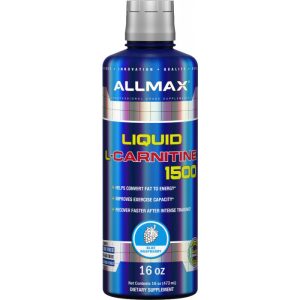
AllMax Nutrition Liquid L-Carnitine is a delicious and convenient way to increase your intake of L-Carnitine, an amino acid that plays a crucial role in fat metabolism and energy production.
Each serving contains 1,200 mg of L-Carnitine and Vitamin B5, which work together to help your body convert fat into energy, support healthy brain function, and promote overall well-being.
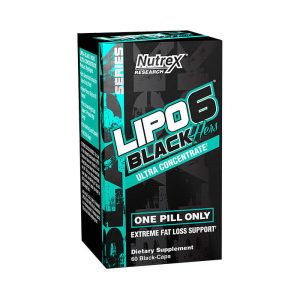
Nutrex Lipo-6 Black is the ultimate fat destroyer for women.
It is the first intelligent female fat burner that not only helps to burn fat, but also contains cleansing agents that help to detoxify the body.
This powerful formula is designed to help women achieve their weight loss goals by boosting metabolism, suppressing appetite, and enhancing energy levels.
Product Features:
Intelligent female fat burner designed specifically for women.
Contains cleansing agents to detoxify the body.
Boosts metabolism to help burn fat.
Suppresses appetite to help control cravings.
Enhances energy levels to improve workout performance.
Rapid release capsules for fast absorption.
Contains clinically tested ingredients.
Suitable for women of all fitness levels.
Can be used with a healthy diet and exercise program for maximum results.
Some of the key benefits of taking cutting supplements are.
Increase Metabolic Function
Certain cutting supplements can help increase a person’s metabolic rate and burn more calories faster, even at rest.
This benefits both bodybuilders who want to lose weight and athletes who need energy during exercise.
Supplements containing ingredients like caffeine and green tea extract can be particularly effective in increasing your metabolic rate.
Aid Fat Loss During Workouts
Certain cutting supplement ingredients can also aid in fat burning during workouts. Creatine, for example, helps increase natural cellular energy production, allowing for longer, stronger workout sessions with increased fat loss potential.
Caffeine increases alertness and focus which can also contribute to improved performance during workouts allowing a person to push themselves further and burn more calories.
Increased Muscle Definition
Not only do dietary supplements containing certain ingredients like creatine support improved workouts, but they also help build a leaner physique with increased muscle definition once all excess fat has been burned through proper dieting and exercise regimes.
Cutting supplements containing branched-chain amino acids (BCAAs) are especially useful for boosting muscle growth while simultaneously breaking down fat cells as fuel sources during intense training regimens like HIIT workoutsor weight lifting routines performed in the gym or at home.
Like caffeine, other natural ingredients found in effective cutting supplements can provide an energy boost giving you the drive necessary to power through tough workouts without feeling exhausted halfway through your sets or starting times at the gym too early.
Natural components such as green tea extract benefit athletes of all levels who are tired out of their regime while keeping performance effects and health concerns top of mind when consuming these products properly according to their labels’ recommendations after having consulted doctors priorly about them consuming their dietary changes.
Choosing The Right Supplement For You
Know Your Goals
Before choosing a supplement, it’s important to understand your fitness goals clearly.
For example, you should determine if you are looking for a weight loss productor something that will help build muscle mass.
You might also consider if you want a general multivitamin or some targeted mineral or vitamin supplementation program.
Once you understand what type of supplements will meet your needs, you can start researching options from reliable manufacturers offering evidence-based benefits upfront.
Understand Lifestyle Factors That Affect Supplement Choice
Once you’ve identified your supplement needs and narrowed down the selection by comparing the benefits of different products, it’s time to think about factors related to lifestyle that may influence your decision on the right kind of supplement for yourself.
This includes considering personal wellness habits such as alcohol intake and regular exercise, limitations like allergies, age (especially older adults), gender differences in nutrient requirements, and more.
Taking these into account helps narrow down exactly which products would provide an optimal level of both efficacy & safety based on individualized needs & preferences.
Research Potentially Harmful Ingredients
One way to ensure that the supplements you choose suit your lifestyle is to check for potentially harmful ingredients listed on labels either through online reviews or directly from manufacturers themselves.
Some ingredients linked to adverse effects include caffeine, artificial sweeteners, or preservatives; therefore, it’s important to select natural formulations whenever possible.
In addition, opt for gluten-free products if there is a sensitivity issue present & select supplements with third-party tested seals so there is extra security knowing that the product meets lab standards with regards to purity & potency levels beyond what other typical consumer brands may offer in terms of quality control assurance measures.
Follow The Manufacturer’s Directions Carefully
To successfully use supplements, carefully reading and following usage instructions, including any restrictions or dosage changes over time, is important.
Users must find their unique combination of supplements and quantities to reach their goals optimally and consistently over time.
User guides provided by brands are also helpful for regulatory compliance commitments.
How To Maximize Results From Taking Supplements
While cutting supplements can aid in weight loss and fat burning, it’s important to remember that they are not a magic solution and should be used with a healthy diet and regular exercise routine.
Here are some tips to help you maximize the results from taking cutting supplements:
Follow a balanced diet
It’s important to maintain a healthy and balanced diet that includes a variety of nutrient-dense foods, including fruits, vegetables, lean proteins, and whole grains. Avoid processed and high-calorie foods, and consume enough protein to support muscle growth and repair.
Stay hydrated
Adequate hydration is essential for weight loss and optimal bodily function. Drink at least 8-10 glasses of water daily and avoid sugary drinks and excessive caffeine.
Engage in regular exercise
Incorporate regular exercise into your routine, including cardio and strength training, to maximize the benefits of cutting supplements. This can help burn fat, build muscle, and improve overall fitness.
Consistency is key to achieving and maintaining weight loss and body composition goals. Stick to a healthy eating and exercise routine, and be patient with the results.
Follow recommended dosage
It’s important to follow the recommended dosage on the supplement label or as recommended by a healthcare professional or certified fitness expert.
Do not exceed the recommended dosage, which can lead to adverse effects.
Monitor your progress
Keep track of your progress through regular measurements and assessments, and adjust your routine to continue seeing results.
Always consult with a healthcare professional or certified fitness expert before taking any cutting supplements, and be wary of any supplements that make bold claims or promises.
Different Cutting Supplements
Caffeine Supplements
Caffeine can be used as an appetite suppressant, meaning it can help reduce hunger levels, allowing for better portion control. It also increases energy efficiency, allowing you to work out longer and harder without rest.
Fat Burners
Fat burners contain ingredients such as caffeine, green tea extract,capsaicin, and other stimulants that boost your metabolism and help your body burn more fat faster.
They can also increase energy levels, allowing you to work out more intensely for longer.
Protein Powders
Protein is essential for muscle growth and repair, so a protein powder should be taken to meet your daily protein needs while helping with fat loss.
As well as supplying your body with essential amino acids needed for muscle recovery and growth, it supplies necessary calories, which will keep your metabolism running at its peak output when cutting down.
Fiber Supplements
Fiber helps slow digestion by forming a gel in your stomach, thus making you feel fuller longer after eating – which aids in weight management and reduces the risk of overeating or snacking on unhealthy foods throughout the day due to hunger pangs or cravings caused by low blood sugar levels.
Therefore fiber is essential to help cut those last few pounds faster.
Thermogenic Fat Burning Supplements
Thermogenic products boost metabolic rate – when taking these kinds of supplements regularly alongside an effective exercise program, thermogenesis boosts metabolism even further during exercise than it normally would be at a resting state.
This will then allow one’s body temperature to rise slightly, leading to more fat burning overall- not only during exercising but also while at rested states – ideal for effective fat loss over time!
Wrapping Up
Choosing the best cutting supplements depends on your preferences and needs. While a variety of supplements are available in the market, all with their benefits, it’s important to remember that these should only aid a healthy diet and exercise routine.
Add one or more of these cutting supplements into your daily regimen to achieve a leaner look while maintaining muscle mass for those seeking to transform their body completely, however, investing in a comprehensive nutrition and training plan is highly recommended, complemented with one or more of these cutting supplements for optimal results.
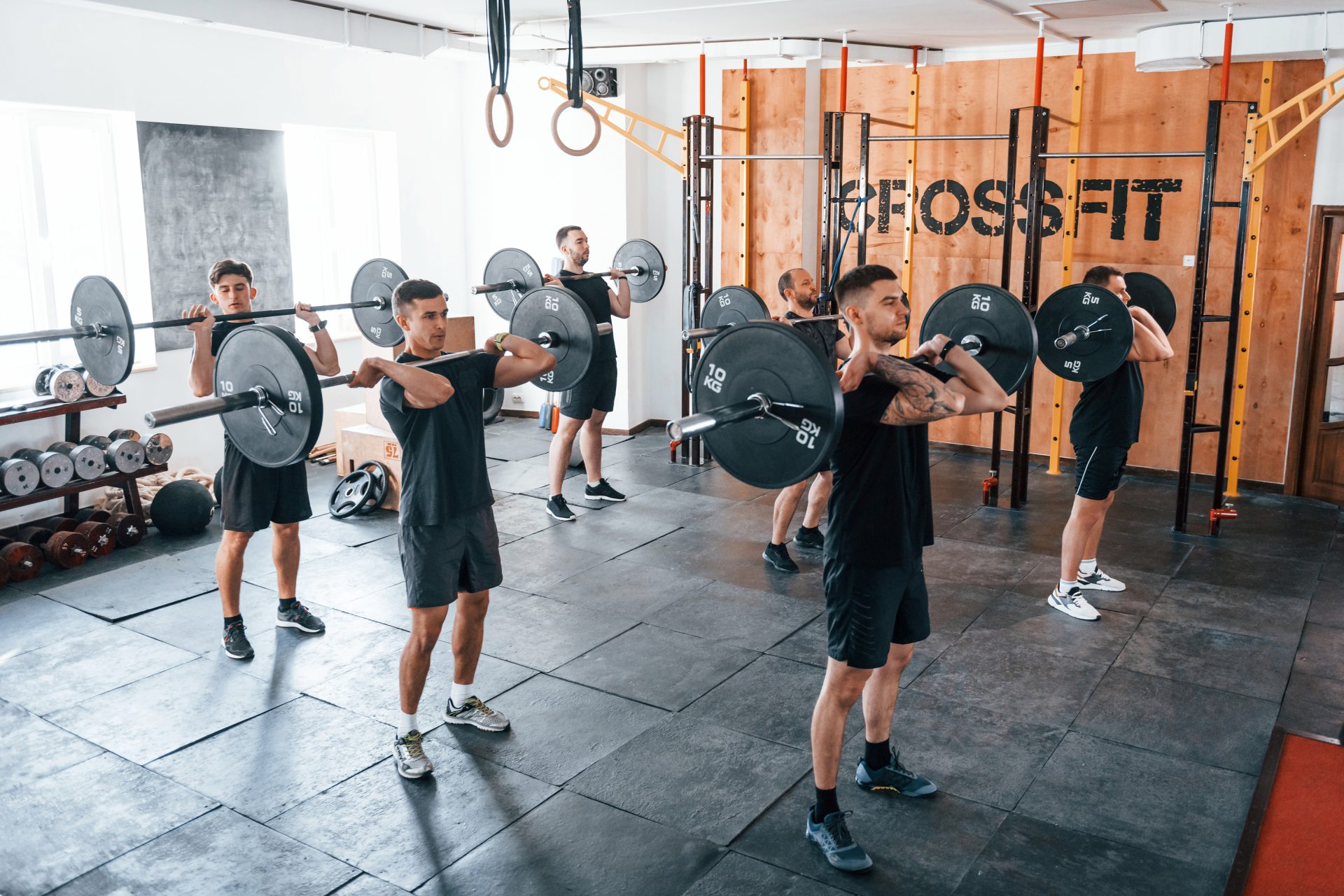
CrossFit is a popular discipline that combines functional movements for cardio, strength, stamina, and flexibility. It’s an effective way to reach your fitness goals, but it can be expensive. But, how much does CrossFit cost to do?
Different gyms offer different types of memberships and prices vary widely. So how do you decide which membership to choose? And how can you save money while investing in your health?
Let’s explore the different ways you can save on CrossFit while still getting the most out of it.
Crossfit is one of the most popular fitness options available today, with every month bringing more and more members into the fold.
CrossFitters have a variety of different membership options to choose from — from basic memberships that provide access to all classes, to affiliateownerships that allow you to open your own road.
With such a wide range of options, it’s no wonder that Crossfit continues to gain in popularity every month, making it the perfect fitness option for anyone looking for a new way to get fit and healthy (trusted source).
How Much Does CrossFit Cost?
The cost of CrossFit can vary depending on the location and the specific gym or class you are joining.
On average, a monthly membership at a CrossFit gym can range from $150 to $300. Some gyms also offer drop-in rates and package deals for individuals who only plan to attend a few classes per week.
It is best to check with individual gyms for specific pricing information.
What is the Difference?
CrossFit is unique among fitness options with the specialized training and equipment it offers, which may explain its costlier prices.
The price you pay for Crossfit will provide you with special attention from your trainers and access to a variety of high-quality machines.
Crossfit gyms generally have more adjustable and challenging Olympic-style free weights and items made by specialty equipment manufacturers such as Rogue, who design workout gear in collaboration with physical therapists.
In addition, while other fitness options may be cheaper, they usually don’t offer the programs or communities available CrossFit classes which can make the same difference when it comes to achieving your health goals.
Most Common CrossFit Gym Equipment
Crossfit gym memberships have become increasingly popular and the costs can vary greatly depending on a variety of factors.
The most influential component is where you decide to join up as CrossFit gyms in more affluent areas generally charge more than those in less wealthy areas.
The type of CrossFit gym matters as well, with more exclusive institutions often coming at a higher cost than franchises.
Equipment in CrossFit Gym:
Barbells and weights for weightlifting exercises
Pull-up bars for bodyweight exercises such as pull-ups and muscle-ups
Rowing machines for cardio and endurance training
Medicine balls for various strength and conditioning exercises
Kettlebells for kettlebell swings, goblet squats, and other exercises
Dumbbells for a variety of exercises including presses, rows, and lunges
Jump ropes for skipping and conditioning
Resistance bands for mobility and stretching exercises
Plyo boxes for box jumps, step-ups, and other plyometric exercises
Despite these differences, CrossFit continues to be an enjoyable way for those who choose it to reach their fitness goals, and with the wide selection available anyone can find the perfect CrossFit membership for their budget.
If you want to open your own CrossFit gym, watch this video:
Membership Cost
If you’re wanting to save money on your cross-fit membership and still get the highest quality experience, discounts and deals are exactly what you need!
Without breaking the bank, you can find fantastic CrossFit memberships that offer discounted rates.
Many CrossFit gyms offer creative deals including seasonal offers, discounted family memberships, and loyalty programs.
Similarly, there are also many websites offering CrossFit packages at highly discounted prices.
Shopping around can really pay off, with offers like bundled classes or a set amount of classes for a lower price.
Finding the right deal is a great way to make CrossFit training more accessible, without sacrificing quality or results.
Types of CrossFit Memberships
CrossFit offers various types of memberships, ranging from unlimited classes to drop-in classes or session packages.
If you plan on attending multiple sessions per week, then an unlimited membership may be best for you.
However, if your schedule changes frequently or if you’re just starting out with CrossFit and want to try a few classes first, then a package or drop-in class may work better.
Online CrossFit Classes?
Joining an online CrossFit program is a cost-effective way to get in shape from the comfort and convenience of your home.
For a nominal monthly fee, you can enjoy personal training sessions with certified instructors who will customize an individual instruction plan for you that meets your specific goals.
With frequent workouts and progress monitoring, these classes offer great value for anyone looking to become healthier and fitter without breaking their budget.
Money Saving Tips
There are many ways to save when choosing a CrossFit membership.
Ask around – some gyms offer discounts for students or military personnel.
You could also look for local deals online – Groupon and LivingSocial often have discounted single-class drop-ins available at different gyms in your area.
Finally, consider taking online classes offered by certified instructors – these are usually more affordable than traditional gym memberships and allow for personalized instruction plans tailored to your goals and needs.
Take That Class Now!
Taking up Crossfit is a great way to stay fit, but the prices for single sessions can often be intimidating.
Fortunately, it is possible to find discounted rates when researching local gyms or using online resources like Groupon and LivingSocial Deals.
This means that with a little bit of research, you can uncover amazing deals to get started on your CrossFit journey without breaking the bank – making it more accessible than ever before.
All in all, it pays off to compare and research different pricing models upfront as it can save you loads of money.
Final Recap
Investing in your health through CrossFit doesn’t have to break the bank!
With proper research into different pricing models and money-saving tips like discounts and deals available online, you can take advantage of all that CrossFit has to offer without spending too much money.
While there are upfront costs associated with joining any type of fitness program, taking the time upfront to research different pricing models will help you find the best deal when starting out your journey with CrossFit.
Are you looking for a delicious, convenient way to fuel your muscles and support muscle growth while also achieving your bodybuilding goals? Whey protein is the answer!
Whey protein is an excellent source of high-quality, complete protein that can help amplify your workout results. This protein powder packs a punch for branched-chain amino acids (BCAAs) – essential building blocks for muscle development, repair, and maintenance. Plus, whey protein provides vital minerals like calcium and phosphorus for muscle function.
So if you’re serious about maximizing your gains, consider taking whey protein as part of your diet plan.
BUT WHAT EXACTLY IS THE BEST TIME TO TAKE WHEY PROTEIN? THAT’S WHAT WE’LL BE DISCUSSING TODAY – LET’S DIVE IN!
Not all whey proteins are created equal; three main types are available on the market today, each with its unique benefits. Let’s explore them in more detail.
Concentrate Whey Protein
The first type of whey protein is called concentrate. It has a relatively low percentage of fat and lactose, though it does contain some carbs depending on how it’s processed. This type of whey protein typically contains around 70-80% protein per serving, making it great for those looking to gain muscle size or strength quickly.
Concentrate whey protein also provides an easy way to increase your daily calorie intake without adding too much bulk to your diet.
Isolate Whey Protein
The second type is isolate whey protein, which is made by filtering out most fat and lactose during processing. As a result, this type of whey contains about 90-95% protein per serving, making it a great choice for those looking to lose weight or maintain lean muscle mass while cutting calories from their diet.
Isolate whey also tends to be easier to digest than other forms due to its lack of fatty components, so it may also be beneficial for those with sensitive digestive systems.
Hydrolysate Whey Protein
Finally, hydrolysate whey protein is made by breaking down the proteins into smaller pieces through a process called “hydrolysis” (hence the name). This makes hydrolysate whey easier for your body to absorb and digest than other forms, making it ideal for post-workoutrecovery or pre-workout energy boosts.
Hydrolysate also tends to have a higher concentration of branched-chain amino acids (BCAAs), essential forbuilding muscleand aiding recovery after intense training sessions.
Timing Matters: When Is The Right Time To Take Whey Protein?
The timing of when you take whey protein matters because your body needs nutrients at different times during the day. Taking too much or taking it at the wrong time can be counterproductive and cause digestive problems. Generally speaking, the best times to take whey protein are:
Right after a workout
In the morning
Or before bedtime
Each of these times offers its benefits, so let’s go over each in detail.
After Your Workout
Taking whey protein right after a workout is ideal because your muscles need fuel after they have been worked out. This helps them recover faster and start rebuilding themselves stronger than before.
Additionally, since you’ve depleted your energy reserves during exercise, taking some whey protein immediately afterward provides an energy boost that will help replenish what has been used up during exercise. This will help keep your energy levels high throughout the day and prevent fatigue from setting in too soon.
In The Morning
Another great time to take whey protein is on an empty stomach before breakfast in the morning. This is beneficial because it helps jump-start your metabolism to have energy throughout the day and not feel sluggish or tired later in the afternoon.
Additionally, this helps give your body a source of nourishment first thing in the morning, which can help regulate hunger hormones like ghrelin and leptin throughout the day.
As such, it can be helpful if you’re trying to maintain or lose weight by regulating how hungry you feel throughout the day and preventing overeating later at night or during meals.
Before Bedtime
Finally, taking some whey protein just before bedtime can be beneficial as well since this helps replenish any lost nutrients while sleeping and provides a steady source of nourishment while resting that won’t disrupt sleep patterns like eating before bed could do if done too close to going to sleep (i.e., within an hour).
Additionally, this helps prevent muscle catabolism (breakdown) which can occur when fasting for extended periods, such as overnight while sleeping without having eaten anything beforehand due to no incoming nutrients being available for use by our bodies until breakfast hours later upon waking up again!
How To Determine The Right Amount Of Whey Protein For You
Your Fitness Goals
The first step in determining how much whey protein you have is to identify your fitness goals.
ARE YOU TRYING TO BUILD MUSCLE OR LOSE FAT?
YOUR FITNESS GOALS WILL DETERMINE HOW MUCH PROTEIN YOU NEED DAILY AND THE TYPE OF SUPPLEMENT THAT’S BEST FOR YOU.
For example, if you’re looking to build muscle, then it’s best to choose a whey concentrate or isolate over a vegan blend. On the other hand, if your goal is weight loss, then a vegan blend may be more beneficial for helping reduce fat while still providing essential amino acids for muscle growth and repair.
Your Diet
Another factor to consider is what kind of diet you follow. If you’re following a high-protein diet, it’s best to increase your whey protein intake accordingly; however, if you prefer a low-carb or plant-based diet, then it’s important to adjust your consumption accordingly.
For example, vegans looking for an alternative source of protein may opt for a vegan blend instead of traditional whey concentrate or isolate powders since they typically contain no animal products.
PEOPLE WITH ALLERGIES OR SPECIFIC DIETARY RESTRICTIONS SHOULD ALWAYS CONSULT THEIR DOCTOR BEFORE TAKING ANY NEW SUPPLEMENT.
Your Metabolism
The last factor that will affect how much whey protein is right for you is your metabolism. People have different metabolic rates, so it’s important to consider this when deciding how much whey protein is right for you.
Those with faster metabolisms may need more than those with slower ones since they burn through nutrients quicker and need more energy throughout the day to stay balanced and energized from their workouts and regular activities.
Additionally, suppose someone has recently changed their diet (such as going from vegetarian/vegan/gluten-free). In that case, they may also require more supplementation due to changes in nutrient absorption rates based on specific diets like these.
How Much Whey Protein Should I Take?
It’s important to note that these guidelines refer to total daily intake rather than one single serving size; therefore, the right serving size for you will depend on how often you plan on taking your whey protein throughout the day and your goals.
For example, if you want to build muscle mass, then it’s recommended that you split your daily intake into four servings taken before and after workouts as well as between meals throughout the day; each serving should contain between 20-30 grams of whey protein depending on your needs as outlined above.
If you’re looking for general health benefits, then one 25-gram serving with breakfast or lunch can suffice for some people. However, others may need to take smaller servings multiple times throughout the day to get their required amount of protein without feeling overly full or bloated afterward!
If you are sedentary, you will need less protein than active. The recommended daily protein intake for sedentary adults is 0.36 grams per pound of body weight. For active adults, the recommended intake is 0.54-0.64 grams per pound of body weight.
Your age also affects how much protein you need. Adults over 50 need less protein than younger adults, as they tend to have a lower muscle mass and a higher risk of sarcopenia (age-related muscle loss). The recommended intake for adults over 50 is 0.45-0.68 grams per pound of body weight.
Conclusion
Ultimately, taking protein can be a great way to support your fitness goals and help you reach the body of your dreams. Whey protein is an important part of any healthy diet as it helps build muscle mass, increase energy levels, and improve overall wellness.
BE SURE TO TAKE YOUR PROTEIN AT THE RIGHT TIME OF DAY FOR OPTIMAL ABSORPTION AND BENEFITS.
Taking it after exercise is particularly effective as it helps refuel muscles and restore energy levels. Additionally, consider researching other types of proteins that could be incorporated into your diet for even better results.
The key is finding the best option for your goals and lifestyle to continue building strong muscles and reaching the highest health and performance possible!
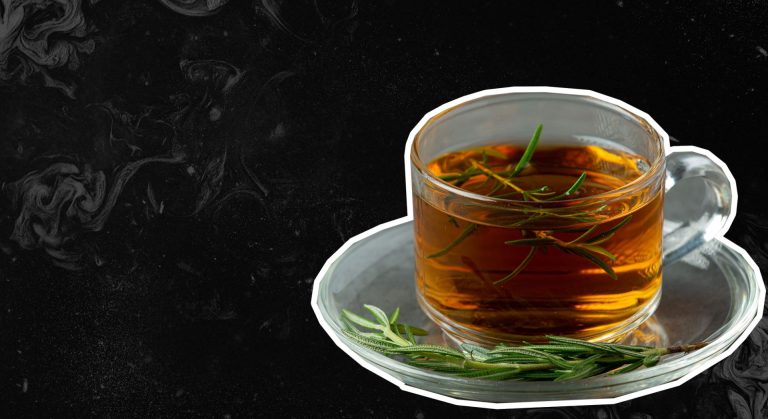
Green tea is a staple in many cultures and has become more popular in recent years for its health benefits. Many people enjoy drinking it whether hot or iced, which has led to the question: does green tea break a fast?
Fasting has become increasingly popular in recent years as more people look for ways to improve their health and wellness. People often practice fasting for religious or spiritual reasons, but it can also be beneficial for weight loss, improving digestion, reducing inflammation, and balancing hormones.
Let’s take a closer look at the science behind fasting and green tea, as well as provide some practical advice for those who are interested in using green tea as part of their fasting routine.
We will also discuss how green tea can be beneficial during a fast, as well as the potential drawbacks of consuming it when you’re trying to abstain from food. Finally, we’ll provide some tips on how to get the most out of your fasting experience while still enjoying one of nature’s most beloved beverages – green tea!
Intermittent fasting is an eating pattern that alternates between periods of eating and periods of fasting.
People often try skipping meals for a day or just eat during a small part of their daily routine. This means munching for only 8-10 hours or sometimes not eating at all for a couple of days in the week. Ever heard of this plan? It can be like a personal secret to staying fit. It’s a cool way folks choose to feel lighter and more in control. Some even find they have more energy and vitality. Think of it as giving your body a mini-vacation from constant munching. Does it make you curious to explore how such plans shape our lifestyle and possibly even boost well-being?
Some people choose too fast for longer periods, such as 24 hours or even multiple days in a row. During these longer fasts, only water should be consumed and no food should be eaten.
Does Green Tea Break A Fast? Calorie Content In Green Tea
This question is difficult to answer definitively because it depends on your individual goals for fasting and your tolerance level for caffeine intake.
Generally speaking though, most experts agree that drinking green tea during an intermittent fast should be fine as long as it does not contain any added sugar or other ingredients that could cause insulin spikes or disrupt ketosis (if applicable).
This means opting for unsweetened green teas without any added flavors or sweeteners like honey or stevia.
If you do choose to add something to your tea during your fasting state make sure it’s something low in calories like lemon juice or fresh herbs like mint leaves.
Additionally, be mindful of how much caffeine you consume each day—if you’re sensitive to caffeine, then opt for decaffeinated varieties instead.
Caffeine Content In Green Tea
The amount of caffeine that is found in green tea varies depending on the type of tea you are drinking and how long it was steeped for.
GENERALLY SPEAKING, MOST TYPES OF GREEN TEA CONTAIN AROUND 25-30MG OF CAFFEINE PER 8-OUNCE CUP.
This amount is significantly lower than what is found in coffee (around 95mg per 8-ounce cup), so it is not likely to have an impact on your fasting state or cause any adverse effects on your health.
Health Benefits Of Green Tea: Unlocking Nature’s Secret Elixir
A Powerhouse Of Antioxidants
Green tea contains a variety of antioxidants that are beneficial for our bodies. Antioxidants help to scavenge free radicals from our bodies, which can damage cells and lead to conditions like cancer or heart disease if not managed properly.
THE MOST POWERFUL ANTIOXIDANT FOUND IN GREEN TEA IS A COMPOUND KNOWN AS EPIGALLOCATECHIN GALLATE (EGCG).
Studies have shown that EGCG can help protect against certain types of cancer, reduce inflammation, and even improve brain function.
Aids Weight Loss Efforts
In addition to its antioxidant power, green tea also contains caffeine and catechins—two compounds that can help increase metabolism and aid in weight loss efforts.
Caffeine helps to suppress appetite while catechins boost fat-burning enzymes in the body, leading some studies to suggest that regularly drinking green tea can help burn more calories throughout the day (trusted source).
Heart Health Benefits
Green tea is also rich in polyphenols—powerful plant compounds that have been linked to improved cardiovascular health.
Studies suggest that regular consumption of green tea may lower LDL cholesterol levels while at the same time increasing HDL cholesterol levels—both important factors when it comes to keeping your heart healthy.
It has also been studied for its potential ability to reduce blood pressure, although further research is needed in this area.
Tips For Fasting With Green Tea
Choose The Right Green Tea
When fasting, it is important to choose a green tea that is high in antioxidants and low in caffeine. Antioxidants are beneficial compounds that can help to protect the body against disease.
Caffeine, on the other hand, can interfere with the body’s natural detoxification process.
Drink At The Right Time
When fasting with green tea, it is important to drink at the right time. It is best to drink green tea between meals, as this will help to boost metabolism and promote weight loss.
However, it is important to avoid drinking green tea too close to bedtime, as this may interfere with sleep.
Steep For The Right Amount Of Time
When brewing green tea, it is important to steep it for the right amount of time. If steeped for too long, green tea can become bitter.
If steeped for too short, green tea will not release all of its beneficial compounds. The ideal steeping time for green tea is 3-5 minutes.
Drink Plenty Of Water
When fasting with green tea, it is important to drink plenty of water. Green tea is a diuretic, which means that it helps to promote urination. As a result, if not enough water is consumed, green tea can lead to dehydration.
Avoid Adding Sweeteners
When drinking green tea while fasting, it is important to avoid adding sweeteners. Sweeteners can cause blood sugar levels to spike, which can interfere with the body’s natural detoxification process. If you need to sweeten your green tea, try using a natural sweetener such as stevia or honey.
Drink In Moderation
Although green tea has many health benefits, it is important to drink it in moderation when fasting. This is because consuming too much green tea can lead to side effects such as insomnia and irritability.
Conclusion
In conclusion, green tea does not break a fast. For individuals looking to maximize the benefits of fasting, it is important to be mindful of what foods and drinks are consumed to get the most out of their fast.
Green tea has many health benefits in its own right, but when used as part of a fasting protocol, it can provide an extra boost in energy and alertness without breaking the fast. In addition to providing hydration and mental clarity, it can also promote fat-burning and cell repair due to its antioxidants.
As long as green tea is consumed without any added sweeteners or creams, it can be enjoyed without worrying about breaking a fast. With all these benefits combined, drinking green tea while fasting can make for a more successful experience and can help contribute toward better health overall.