
Squats bring amazing strength and power to the legs, yet doing them right is key to staying safe. It’s crucial to nail the technique and avoid any mishaps. Having a spotter changes the game. Spotting gives lifters a helping hand, offering support like a trusty safety net. They make sure squats go off without a hitch and maximize every rep. Think of a spotter as a guide, gently steering toward proper form. Knowing how to be a good spotter is essential, and there are tried-and-true ways to be one. Imagine confidently spotting a friend or gym buddy. That’s the feeling of a job well done. Dive in to unlock the know-how and banish injury worries for good.
Contents
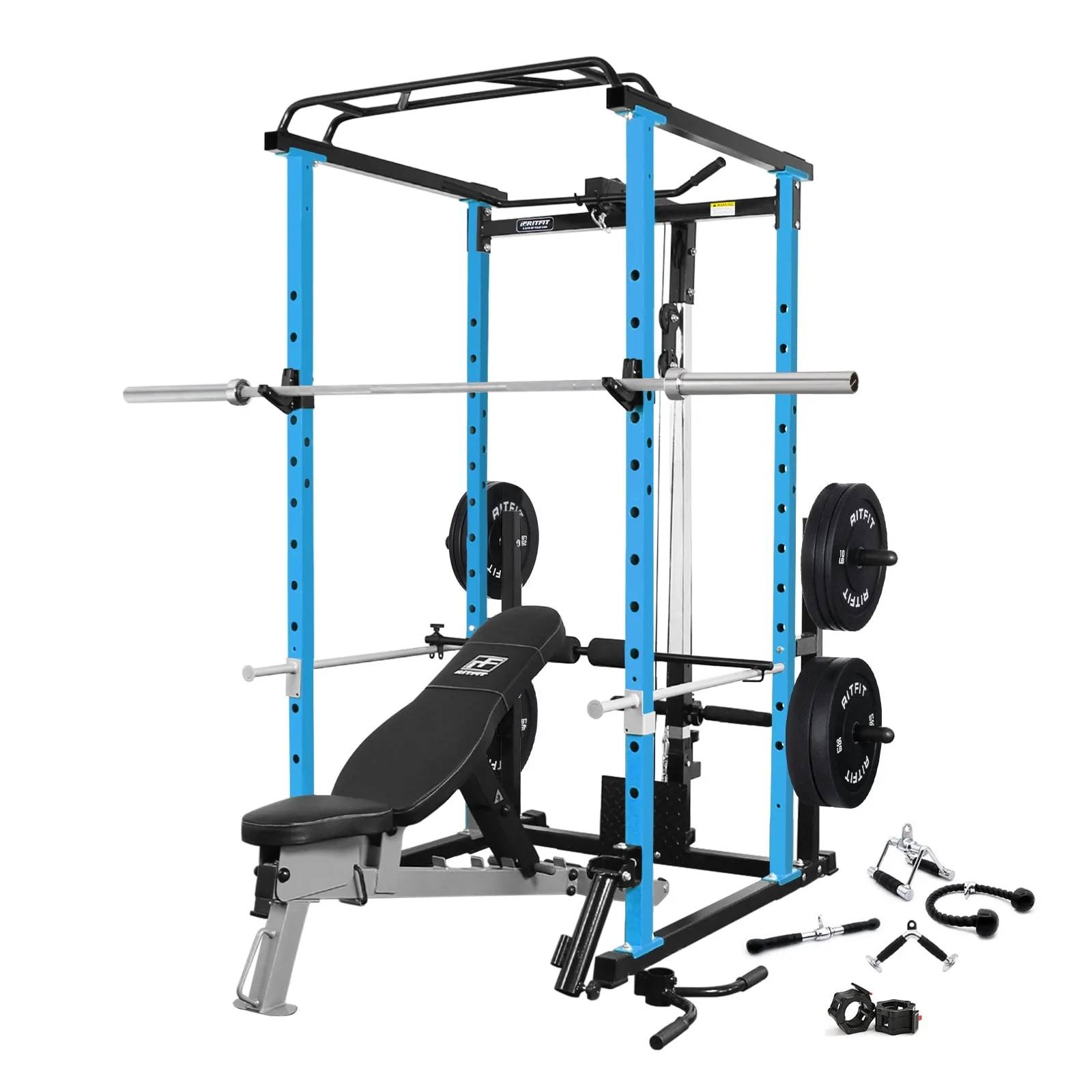
Best Power Cages for Safe Squats
Squats
Squatting is an essential part of any fitness routine and good form is key for proper execution.
From reducing the risk of injury to maximizing the effectiveness of your workouts, having proper squatting form can provide a range of benefits.
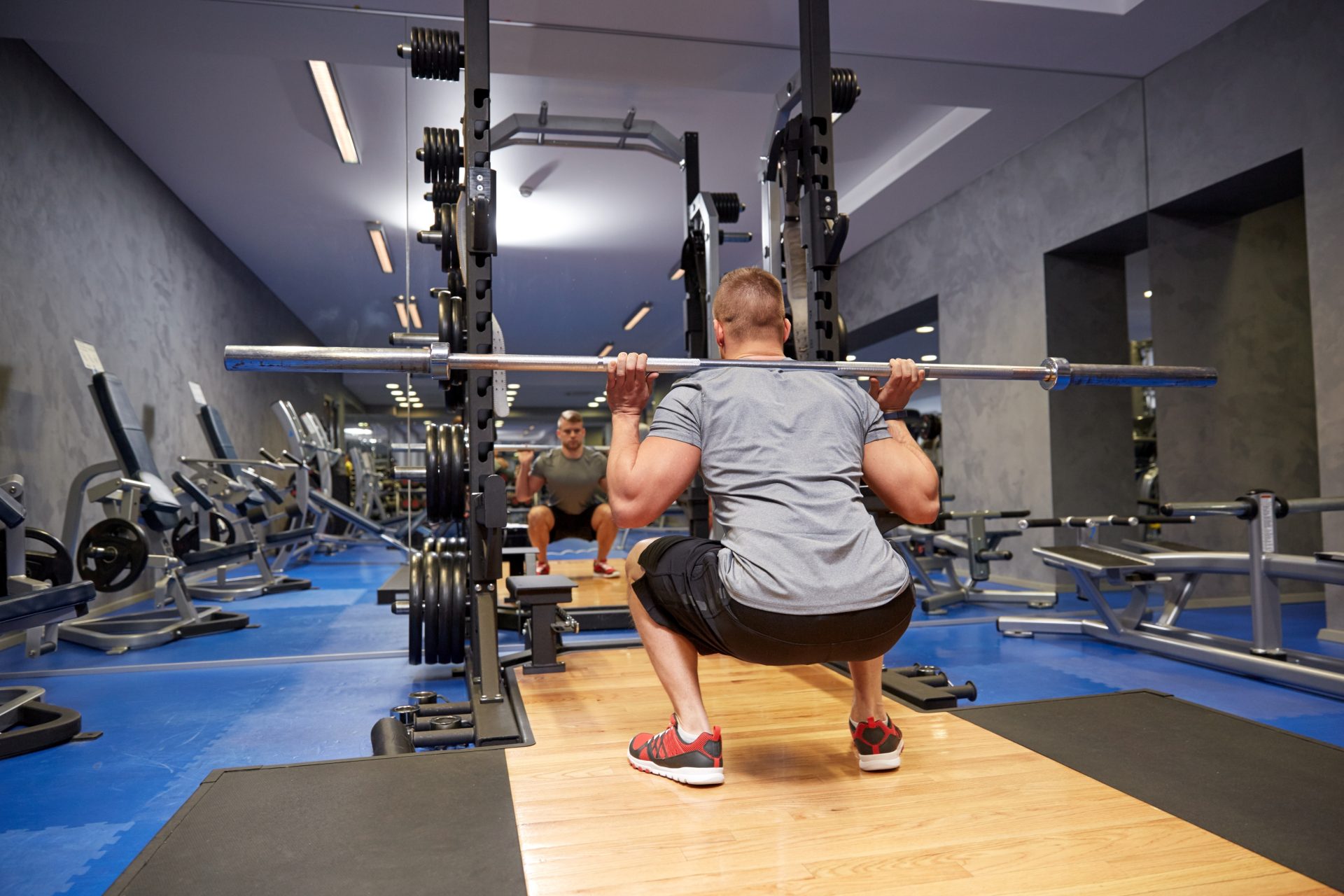
But how do you ensure that your squat technique is up to par? Let’s explore the steps necessary to improve your squat form.
What is Spotting in Squats?
Spotting in squats refers to the practice of having a partner assist the lifter in performing the exercise.
The spotter’s primary role is to provide support and guidance, but they can also intervene if the lifter becomes unable to complete the lift or loses control of the barbell.
Spotting is especially important for heavy lifts and when lifting alone, as it can prevent injury and help the lifter complete the lift successfully.
Observing and Identifying Areas for Improvement
Before you try to make any changes, it’s important to observe and identify where there is room for improvement.
Doing this will help you develop a plan of action that focuses on what needs work the most.
It also allows you to progress in a safe manner while avoiding any potential injuries or stress on the body.
Avoid Common Injuries
Squatting correctly is essential for avoiding common injuries such as knee pain, and for building strength properly.
This article will discuss the basic principles of proper form when squatting, and offer suggestions on how to improve technique.
We’ll explore how to identify improper squatting and what the impact might be on muscles and joints.
With the right training cues, it is possible to dramatically improve someone’s squat technique and help them reach their exercise goals while minimizing their risk of injury.
Proper execution of this foundational exercise will enable individuals to take their fitness journey to the next level with less frustration along the way.
The Benefits of Spotting for Squats
There are many benefits to having a spotter when performing squats. Perhaps the most significant advantage is increased safety.
A spotter can help the lifter maintain proper form and technique, reducing the risk of injury.
They can also provide a safety net in case the lifter loses control of the barbell, preventing the weight from crushing the lifter or causing other injuries.
In addition to increased safety, spotting can also improve the effectiveness of the exercise. A spotter can provide guidance and support, helping the lifter maintain proper form and technique throughout the lift.
They can also provide encouragement, motivation, and support, which can help the lifter perform the lift with more confidence and efficiency.
Providing Advice and Demonstrations
When it comes to observing and identifying areas for improvement, advice from an expert can be invaluable.
They can provide advice based on their observations as well as give demonstrations that show good squatting form in practice.
These kinds of resources are especially helpful for gym goers who are new to lifting weights or those who have never used proper form when doing squats before.
How to Be an Effective Spotter
Being an effective spotter requires knowledge, experience, and a keen eye for detail.
Here are some tips for being an effective spotter for squats:
- Watch the lifter’s form and technique closely, paying attention to their knees, hips, and back.
- Stand close to the lifter, ready to provide support if needed.
- Use a gentle touch, providing only the amount of support needed to keep the lifter on track.
- Be ready to intervene if the lifter loses control of the barbell or becomes unable to complete the lift.
- Offer encouragement and support throughout the lift, helping the lifter stay focused and motivated.
Offering Support Throughout Workouts
Knowing that someone else is there offering support during workouts can be incredibly reassuring and motivating!
Having a spotter available during squats helps individuals understand how they should be performing each rep while providing feedback if their technique slips up at any point during their sets.
Furthermore, having this extra layer of guidance allows gym goers more freedom when performing exercises since they know that help is just one call away if needed!
Encouraging the Use of Safety Equipment
It’s always important to use safety equipment such as wrist wraps, knee sleeves, knee braces, etc., when performing squats.
This not only helps protect your joints but also ensures that you are able to move through each exercise with full range-of-motion without risking injury or over-exerting yourself too much.
Furthermore, using safety equipment encourages correct posture and positioning throughout each set which helps maximize results while minimizing risk associated with improper form (trusted source).
The Importance of Spotting for Squats
In conclusion, spotting is a critical component of safe and effective squatting.
Whether you’re a beginner or an experienced lifter, having a spotter can help you avoid injury and improve the effectiveness of your exercise.
By following these tips for being an effective spotter, you can help ensure that your squatting sessions are both safe and productive.
Final Recap
Improving your squatting form isn’t just about learning the right technique.
Rather, it’s about being in an environment where everyone around you is committed to helping each other reach their goals safely and effectively.
A supportive gym environment respects everyone’s individual journey while encouraging them towards success together!
Respectful attitudes towards others in the gym, adhering to gym etiquette protocols and ensuring proper handling of equipment at all times are all important factors when looking for ways to improve your squatting form in order stay safe and achieve maximum results!

